Stellantis folded DS back under Citroën, 12 years after splitting them
Citroën spent 12 years without its most famous badge. It has it back today
Stellantis confirmed that from 1 September, Xavier Chardon leads DS Automobiles as well as Citroën. DS has had a chief executive of its own ever since it was carved out of Citroën in June 2014, and it has had four of them. It will not have a fifth. The brand keeps its showrooms, its models and its badge, but it no longer keeps its own boss.
Xavier Chardon adds DS four months after taking over Citroën
Chardon arrived at Citroën in May 2026 from Volkswagen, and now carries roughly 380,000 European registrations across two badges. Xavier Peugeot, who had led DS since February 2025, moves to run Jeep in Europe while keeping his Stellantis Heritage brief. The arithmetic is not new: Stellantis put Alfa Romeo and Maserati under a single chief executive in July, and it has now done the same thing to its two French brands.
DS registered 29,042 cars in Europe last year, Citroën 352,521
DS sold 29,042 cars across Europe in 2025, down 22.5 percent from the 37,480 of a year earlier. Citroën, the brand DS was created to sit above, registered 352,521, roughly twelve cars for every one DS. In 2015, its first full year standing alone, DS managed 75,163. The brand has lost more than 60 percent of its European volume in a decade, and it managed that while building a car good enough to serve as the French president's state limousine.
FaSTLAne 2030 already filed DS as a specialty brand, not a premium one
Stellantis said this out loud on 21 May 2026. In the 60 billion euro FaSTLAne 2030 plan, chief executive Antonio Filosa named Chrysler, Dodge, Citroën, Opel and Alfa Romeo as the regional brands worth investing behind, then put DS and Lancia in a separate tier: historic names to be managed by Citroën and Fiat and developed as specialty brands. Today's appointment is that sentence turned into an organisation chart.
Cupra launched four years after DS and outsold it ten to one in 2025
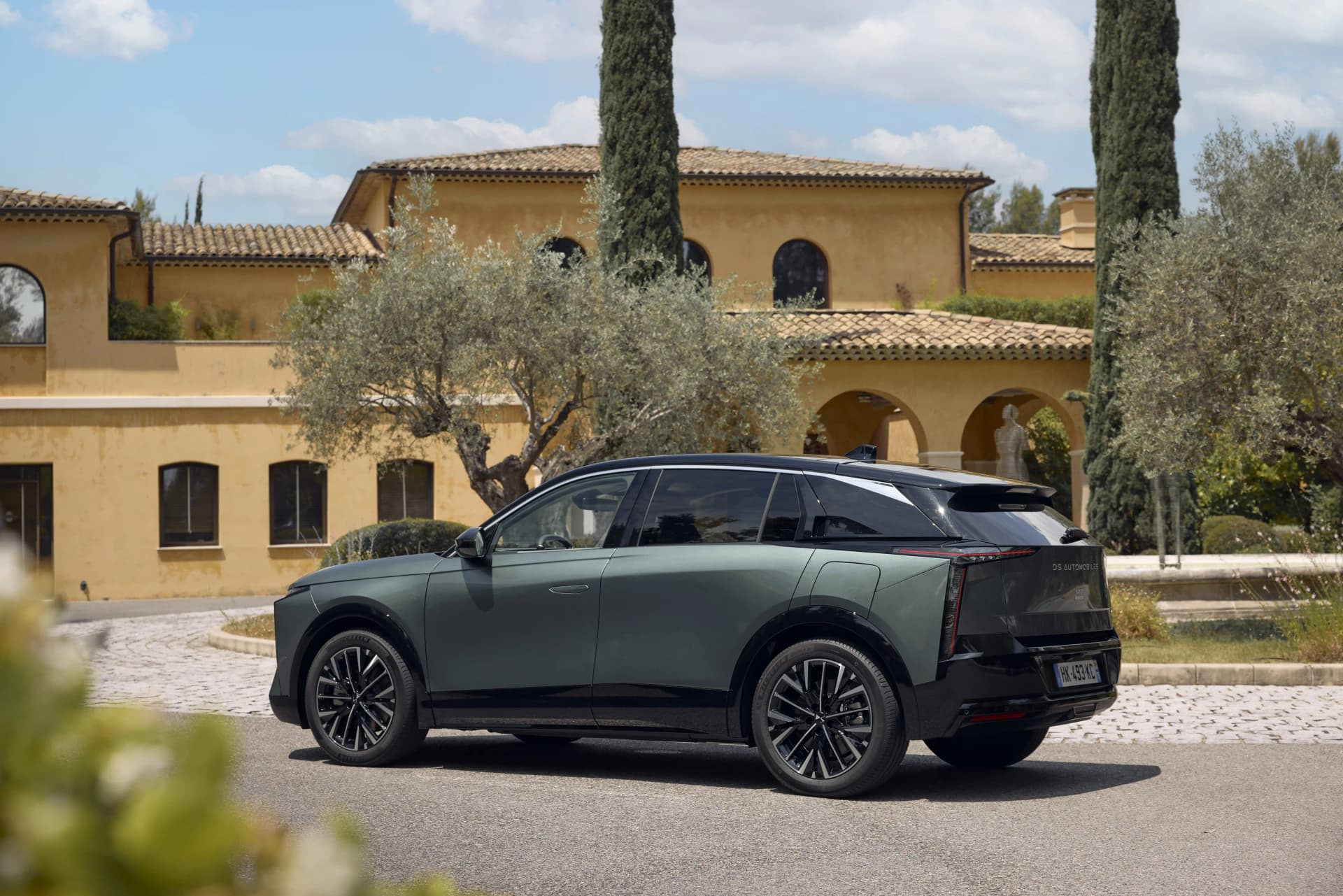
The segment is not the problem. Cupra, which Seat only spun off in 2018, registered 297,724 cars in Europe last year and grew 35.6 percent while DS shrank. Alfa Romeo, a Stellantis brand with comparable ambitions, managed 59,532, more than twice DS. A young European premium badge clearly can work. And DS has finally built the product to try it with: the DS N°7 is the most convincing car the brand has made. The sales line still went the wrong way.
Arnaud Belloni takes Fiat, Abarth and Lancia on the same day
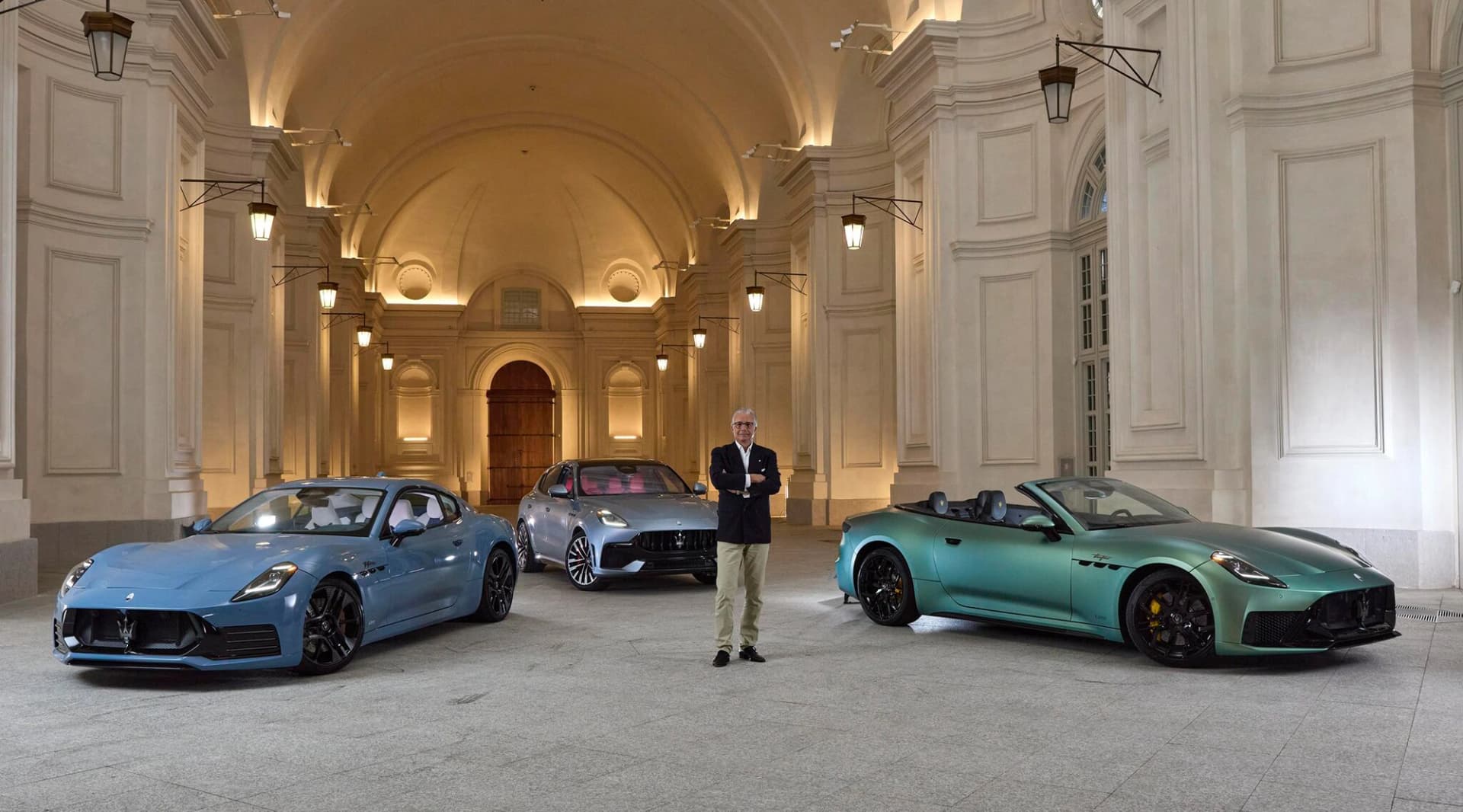
The second appointment matters as much as the first. Arnaud Belloni becomes chief executive of Fiat, Abarth and Lancia and chief marketing officer for Europe, arriving from Renault Group where he was global marketing chief, and having run Citroën's marketing from 2015 to 2020. He replaces Olivier François, who stays until mid-October before becoming a strategic advisor after more than 30 years in the group. Lancia, counted with Chrysler in European registration data, accounted for 11,754 cars in 2025, a fall of 64 percent. It now sits under Fiat exactly as DS sits under Citroën.
AutoNext Take
Stellantis has not killed DS, and that is the part worth watching. It has done something more precise: stripped out the cost of running DS as a separate business while keeping the badge for the cars where a Citroën chevron would cap the price. The new DS N°7 goes on sale in October with a fully renewed four-model range behind it. If that range cannot lift DS back past the 37,480 registrations it managed in 2024, the specialty-brand label stops being a repositioning and becomes a wind-down.
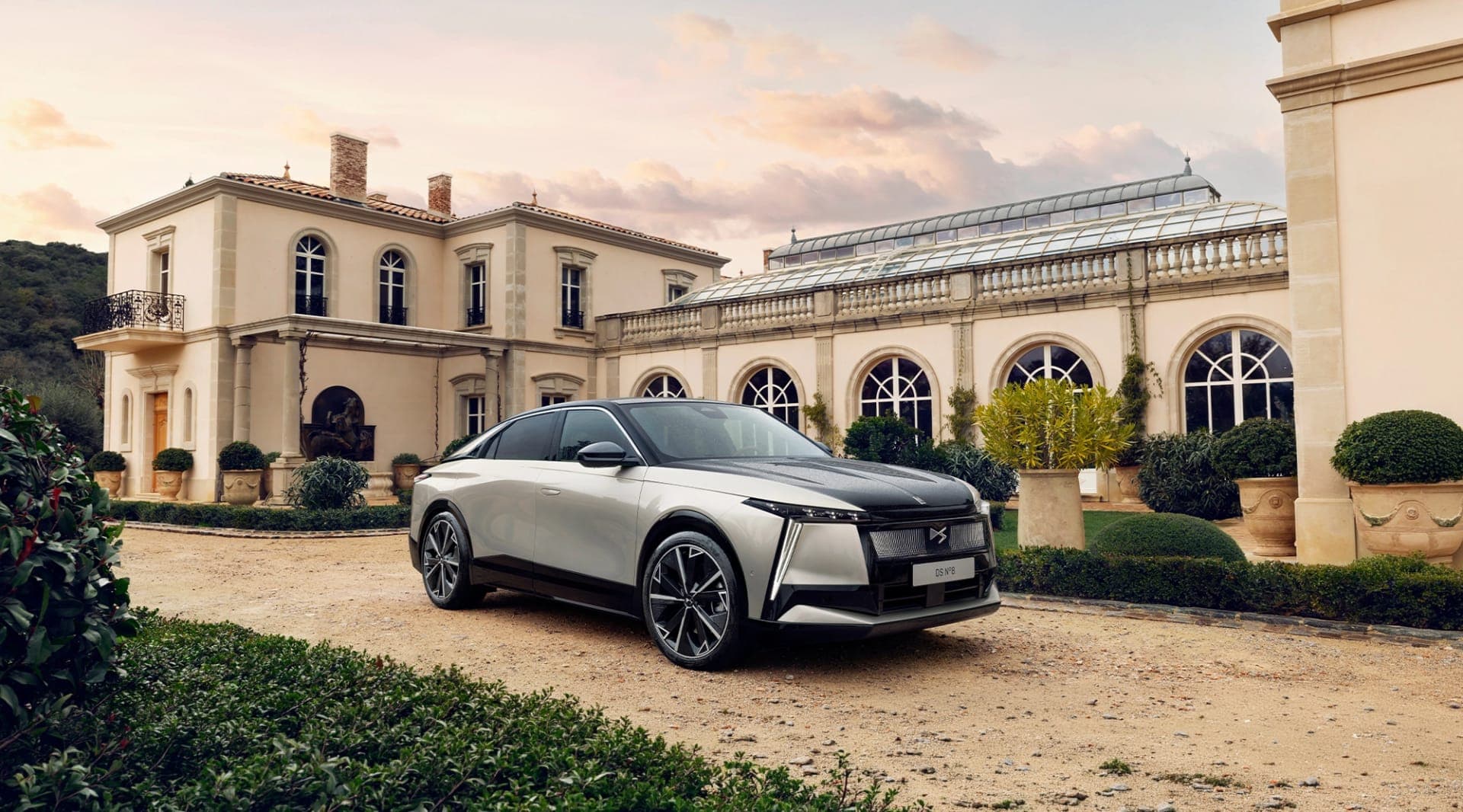
The uncomfortable comparison is Cupra, not BMW. Cupra had no heritage, no 1955 saloon in the design museums to trade on, and it still put 297,724 cars on European roads last year by making things people wanted to be seen in. DS spent most of a decade selling French luxury as an idea rather than as a product, and the N°8 and N°7 are the first two cars that genuinely deliver it. They arrived after the decision had already been taken.