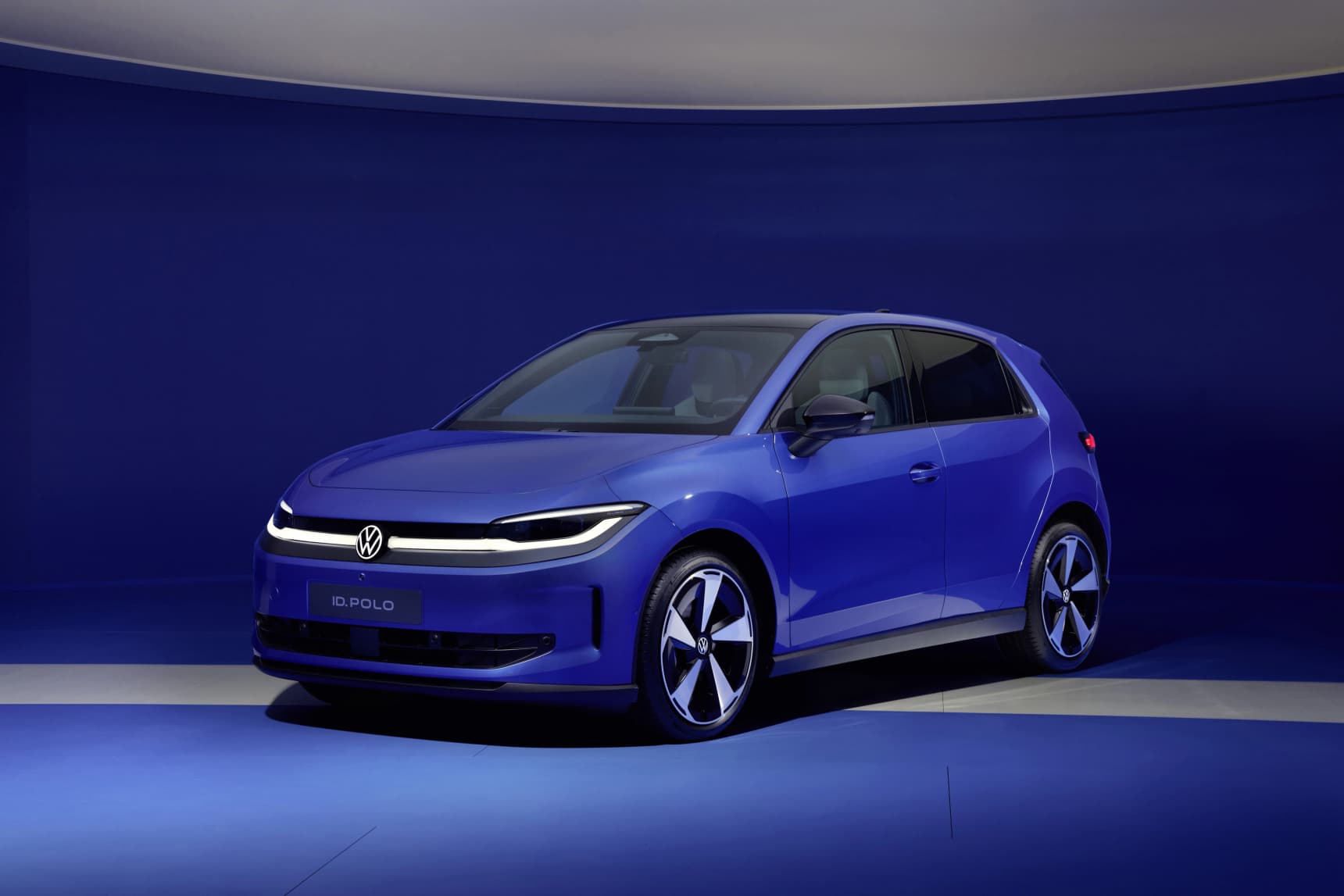
The ID. Polo is here and this might be the electric car Europe has been waiting for
Can the Volkswagen ID. Polo change the EV game in Europe?
While the industry has been busy chasing bigger batteries, higher prices and increasingly complex positioning, Volkswagen has quietly done something far more important: it has taken one of Europe’s most iconic cars and translated it into an electric format that actually makes sense.
A familiar name, finally used the right way
The Polo is not just another badge. With over 20 million units sold, it’s one of the most important cars in European automotive history, a car that has defined affordable mobility for decades. And that’s precisely why the ID. Polo matters.
Because unlike many EVs that try to create new segments or reinvent identity, this car builds on something people already understand, trust and (more importantly) actually want.
The right size, the right range, the right price
On paper, the formula looks almost too good to be true. Up to 454 kilometres of range, fast charging from 10 to 80 percent in around 24 minutes, and multiple power outputs going up to 155 kW (211 hp). But the real story sits in the positioning.
A starting price from €24,995 places the ID. Polo exactly where the market has been waiting for a breakthrough. Not premium. Not compromised. Just accessible.
And in a European context (where compact cars still dominate urban and suburban life) that matters more than any headline figure.
Compact outside, surprisingly grown-up inside
One of the most impressive aspects of the ID. Polo is how intelligently it uses space. At just over four metres long, it remains a true compact car. Yet thanks to the new front-wheel-drive MEB+ platform, it offers interior space and practicality that rivals cars from a class above.
A 441-litre boot, expanding to 1,240 litres, puts it closer to a Golf than a traditional Polo. Five adults fit comfortably, and the overall layout feels designed for real life, not just spec sheets.
And inside, Volkswagen finally gets something very right again. A 10-inch Digital Cockpit, a 13-inch infotainment screen, and (crucially) the return of physical buttons create an interface that feels intuitive instead of frustrating. It’s a small detail, but one that signals a clear shift in thinking.
Technology that actually matters
Where the ID. Polo really starts to punch above its weight is in its technology offering. Features like Connected Travel Assist with traffic light recognition, one-pedal driving, and vehicle-to-load functionality bring capabilities from higher segments into a car that’s supposed to be entry-level.
That last one is particularly interesting. The ability to power external devices (from e-bikes to camping gear) reinforces a broader shift we’ve been highlighting across recent AutoNext articles: cars are becoming part of a wider ecosystem, not just a means of transport.
A design that feels like Volkswagen again
Visually, the ID. Polo introduces the brand’s new “Pure Positive” design language, and for once, it actually lives up to its name.
Clean lines, balanced proportions and subtle references to Volkswagen heritage (like the Golf-inspired C-pillar) give the car a timeless, almost reassuring presence. It doesn’t try to shock. It tries to belong.
AutoNext Take
We’ll say it clearly: we are genuinely excited about this car. Because the ID. Polo doesn’t try to be something it’s not. It doesn’t chase extremes, it doesn’t overpromise, and it doesn’t hide behind complexity.
Instead, it does something far more difficult. It gets the fundamentals right.