Denza Z9GT is coming to Europe with BYD’s 1,500 kW Flash Charging
The European EV landscape is about to get another serious contender.
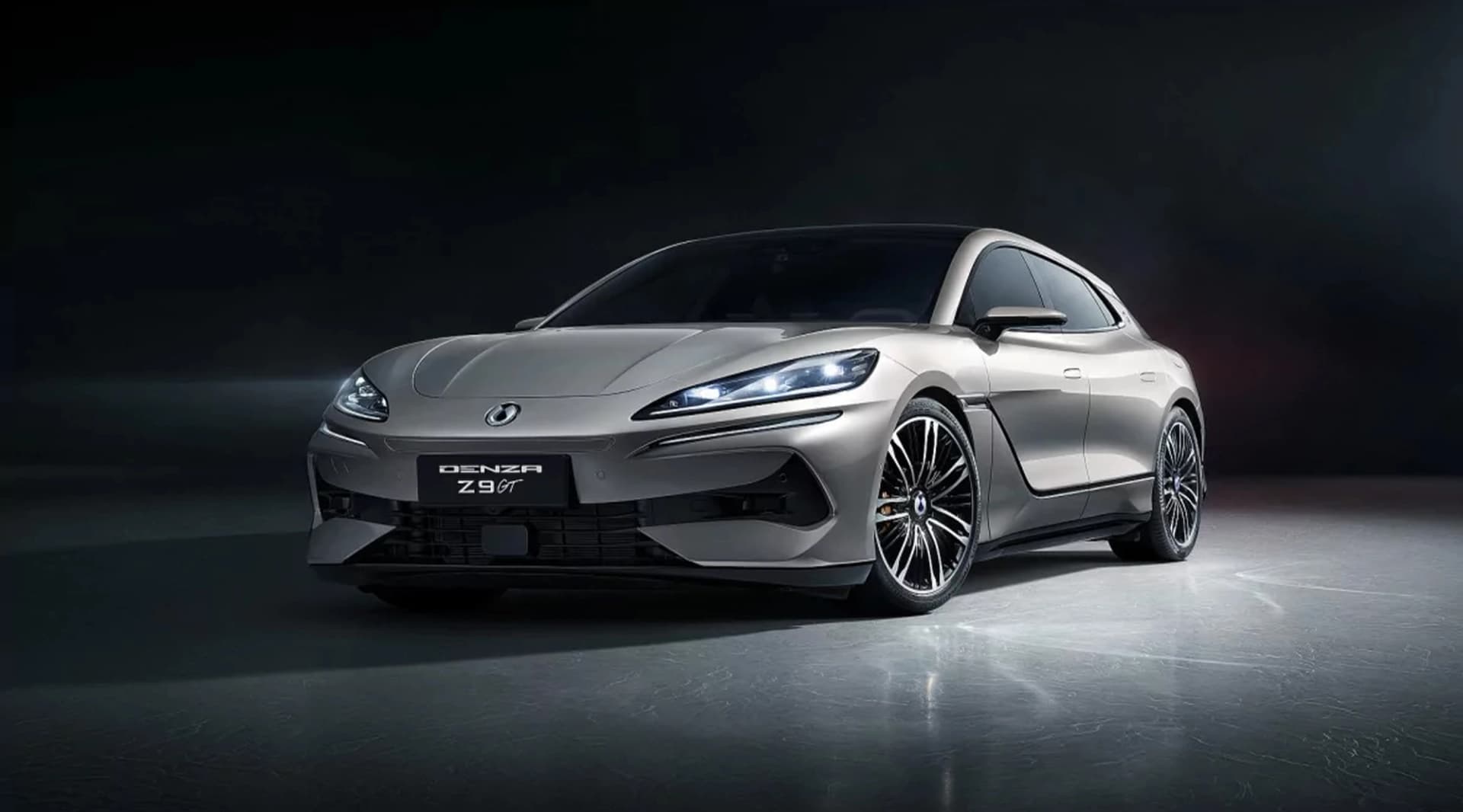
Denza, the premium sub-brand of BYD, has officially confirmed its arrival in Europe and it’s doing so with a car designed to grab attention immediately. Meet the Denza Z9GT, a large, high-performance shooting brake packed with technology, massive power figures and (perhaps most interesting of all) the promise of 1,500 kW ultra-fast charging.

Denza’s European spearhead: the Z9GT
Rather than launching a broad range of models immediately, Denza is entering Europe with a very focused strategy. The Z9GT will act as the brand’s flagship introduction to the European market. Initial sales are expected to begin in France, Germany, Italy, Spain and the United Kingdom, with additional markets (including Belgium and the Netherlands) expected to follow shortly after.
And it’s not a small statement car. At over 5.2 metres long, the Z9GT sits firmly in the luxury performance segment, rivaling cars like the Porsche Taycan Sport Turismo. The design comes from Wolfgang Egger, known for his work at Audi and Alfa Romeo, and combines the elegance of a shooting brake with aggressive proportions and modern Chinese EV design cues.
Inside, the car embraces the current generation of digital luxury. A 17.3-inch central display, a massive augmented 50-inch head-up display, and a Dolby Atmos audio system with 20 speakers underline Denza’s ambition to position itself as a serious premium brand.
Two versions: electric or plug-in hybrid
European buyers will be able to choose between two powertrains. The fully electric version delivers truly extreme numbers. With three electric motors, the Z9GT produces roughly 850 kW (around 1,150 horsepower) and accelerates from 0 to 100 km/h in just 2.7 seconds. Its 122.5 kWh battery promises up to 600 km of WLTP range.
For customers who still want combustion flexibility, Denza will also offer the Z9GT DM, a plug-in hybrid version combining a 2.0-litre petrol engine with three electric motors. That setup produces around 570 kW, while the 63.8 kWh battery allows for roughly 203 km of pure electric driving and a combined WLTP range approaching 800 kilometres.
Both versions use BYD Blade Battery, now updated to Blade Battery 2.0, which BYD positions as one of the key technological pillars behind the Z9GT.
1,500 kW Flash Charging: hype or revolution?
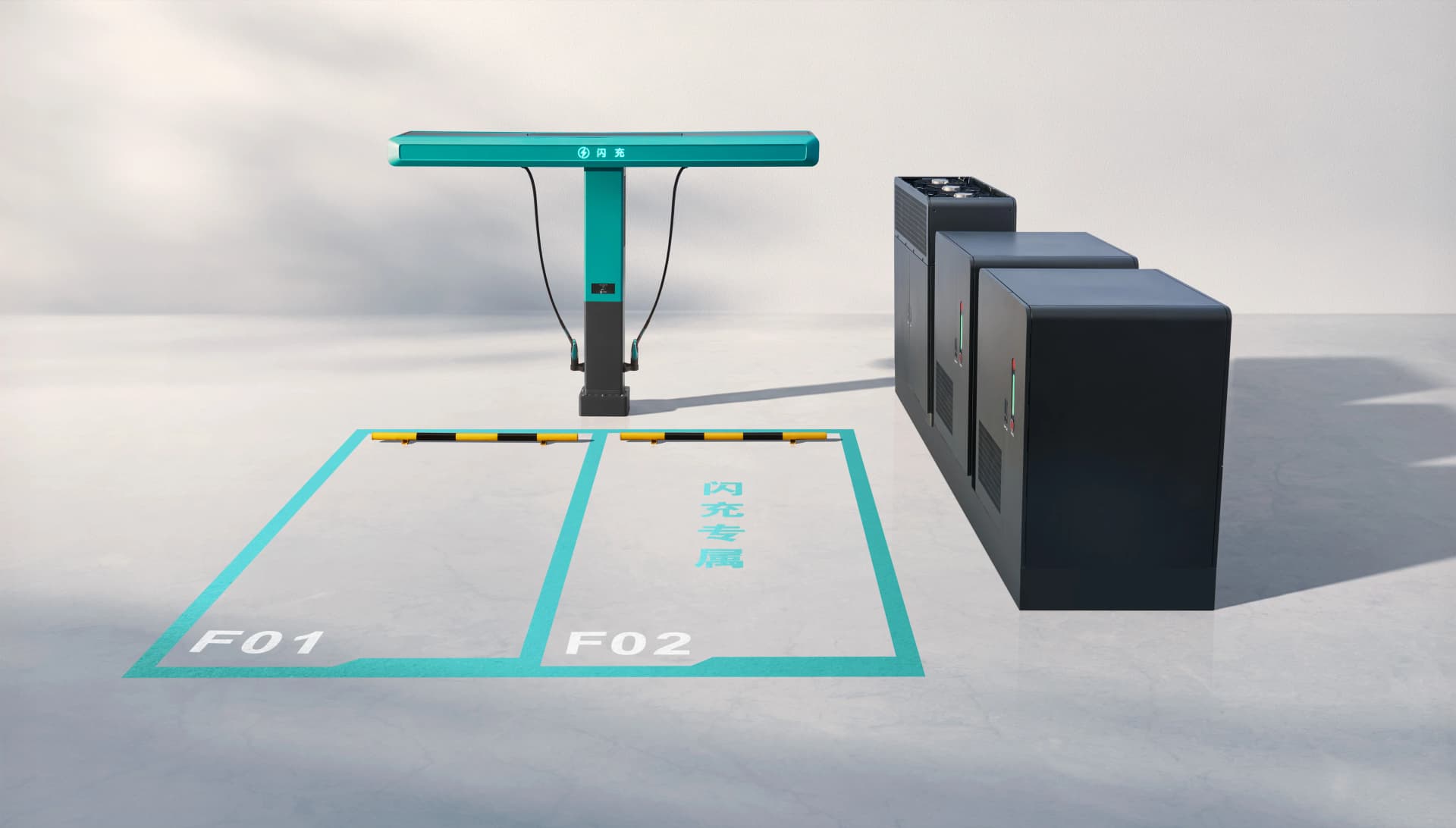
But the most headline-grabbing number is not the power output. It’s the charging speed. BYD claims that its new Flash Charging system can deliver up to 1,500 kW of peak charging power, several times higher than most fast chargers currently operating in Europe.
According to the company’s claims:
Charging from 10% to 70% could take just five minutes
10% to 97% may take around nine minutes
Even at -30°C, the battery could reach 97% in roughly twelve minutes
If proven realistic, these figures would bring EV charging times dangerously close to traditional refuelling stops. However, there is an important caveat. The full 1,500 kW capability currently relies on infrastructure that does not yet exist in Europe.
BYD says it plans to install 3,000 Flash Charging stations across Europe as part of a broader network of 6,000 stations outside China, but the rollout timeline and compatibility with European standards remain key questions. In other words: the technology may be ready, the infrastructure still needs to catch up.
A broader European strategy
The Z9GT will not arrive alone. Denza has also confirmed the Denza D9 for the European market. This large luxury MPV offers seating for seven adults and up to 210 km of electric range, targeting family buyers and executive shuttle services.
Still, it is clearly the Z9GT that carries the brand’s technological message. Denza plans to expand its European presence rapidly, targeting 30 countries and more than 150 dealerships by the end of 2026.
AutoNext Take
Instead of competing purely on price (as many newcomers have done) Denza is entering Europe with a technology-led premium positioning. The Z9GT is not trying to be the cheapest electric car. It is trying to be the most technologically impressive one.
If BYD manages to deliver even half of the claimed charging performance (combined with a real charging network) the implications for EV adoption could be enormous.