Even Toyota thinks Toyota has too many models now
When the world's biggest carmaker says its own catalogue is too big, listen
Toyota makes a lot of cars. Possibly too many, according to the company's own new boss. CEO Kenta Kon, who took the top job in June after arriving from the finance side of the business, has launched what amounts to a war on waste, and the sprawling model range is squarely in his sights.
What Kon actually said
Kon has been touring Toyota's facilities looking for inefficiency. "We've become increasingly able to identify things that don't seem quite right, areas where operations have become somewhat inefficient," he said. His specific concern is complexity in development: "If you go to a development division, you see issues such as an increasing number of different specifications and variants being created." The message is clear. Every extra spec, engine option and variant adds cost, and Toyota now has an awful lot of them.
Just how big the range is
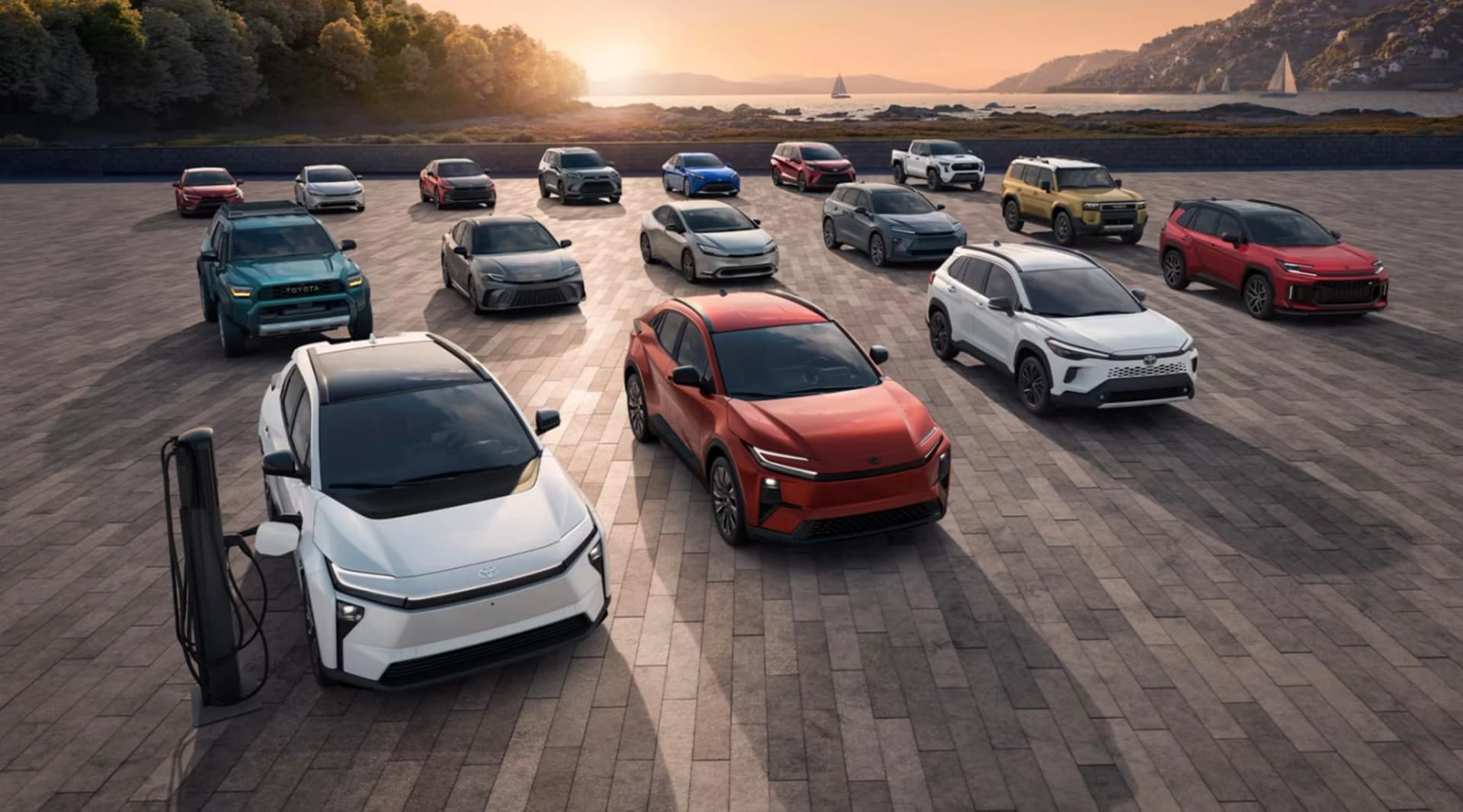
The scale is genuinely striking. In the United States alone, Toyota lists 32 models once hybrid and non-hybrid versions are counted separately, plus another 14 under Lexus. Globally, across Toyota, Daihatsu and Hino, the group offers more than 100 vehicles. That breadth is part of how Toyota became the world's largest carmaker, with something for almost everyone, but it also creates enormous engineering and manufacturing complexity behind the scenes.
Why now
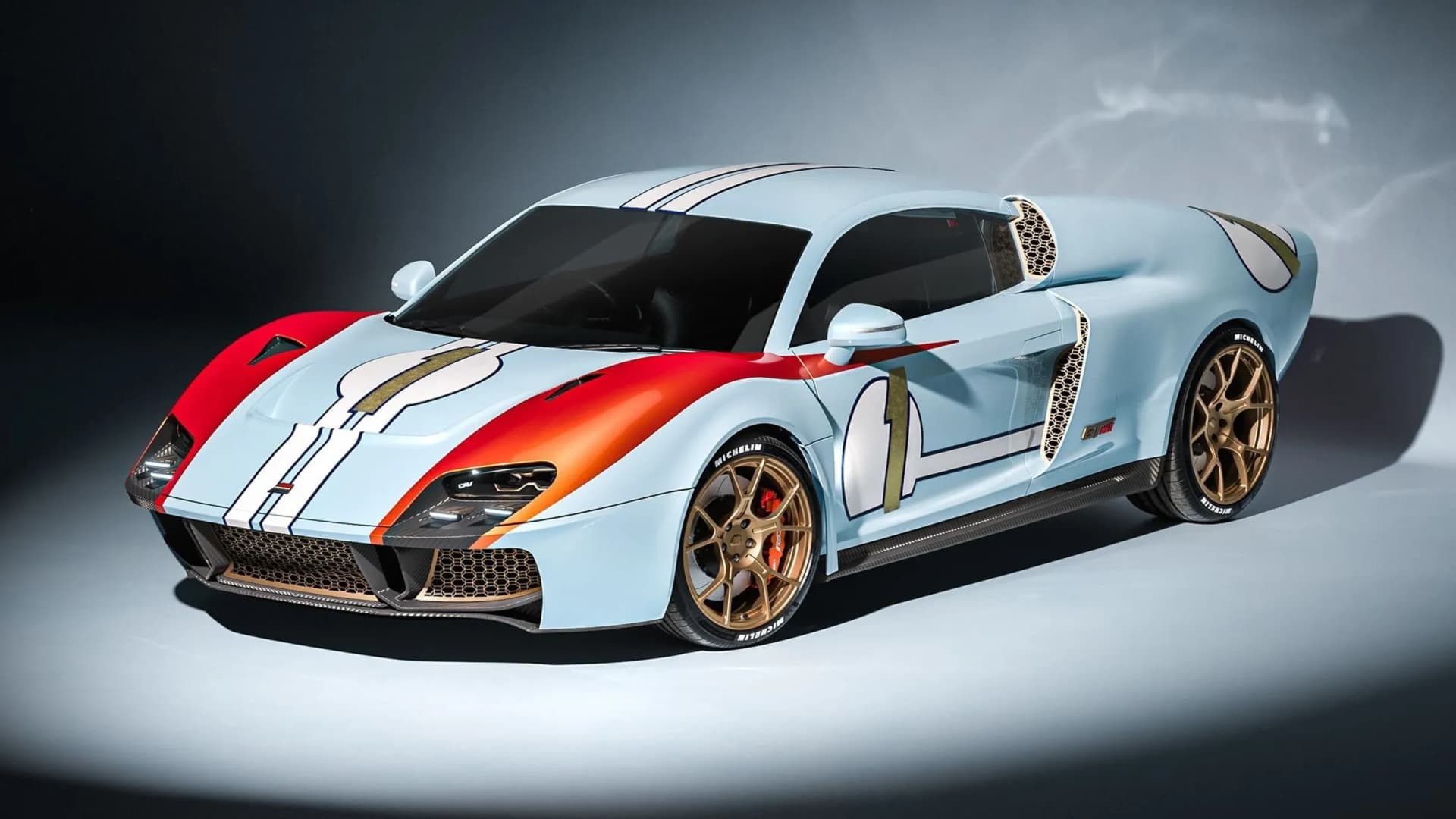
The timing is about money. Kon arrived as profitability slid, with profit falling by around 5.9 billion dollars between 2024 and 2025 and a further 20 percent decline expected this year. A finance chief turned CEO going hunting for waste in that context is no surprise. The likely targets, according to analysts, are not whole models but the trim levels, engine variants and redundant specifications that quietly multiply costs, with desirable performance cars like the GR models expected to be protected.
A mixed message
There is a contradiction worth noting. At the same time as preaching efficiency, Kon has also pledged a record 10 billion dollars in research and development spending. Cutting waste while spending more than ever on development is not impossible, but it does send conflicting signals about exactly where Toyota wants to go. The honest read is that Toyota wants to spend less on duplication and more on genuinely new technology.
AutoNext Take
When the company that practically invented lean manufacturing admits its own lineup has become bloated, you know the problem is real. Trimming needless variants and overlapping specs is plainly sensible, and most buyers will never notice a few deleted trim levels. The thing we will be watching is the line Toyota does not cross: the enthusiast cars. A leaner, more focused Toyota is welcome, but only if the GR models and the genuine driver's cars survive the cull. Efficiency should mean cutting the fat, not the fun.