Vehicle data could become Europe’s next traffic enforcement tool
Traffic enforcement is changing fast. But the next step could be far more uncomfortable.
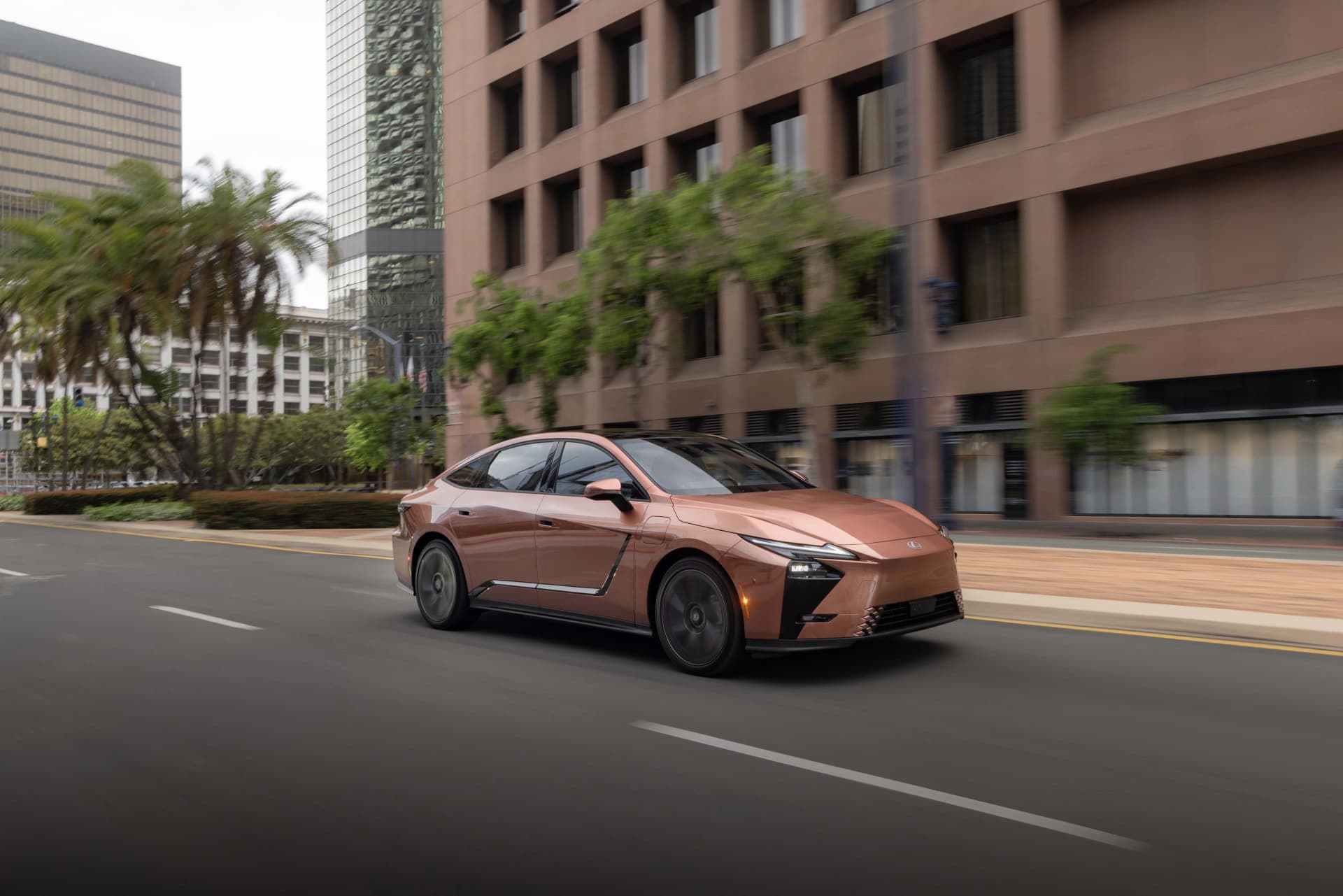
In the future, the most powerful enforcement tool may not be standing next to the road. It may already be inside your car. Modern vehicles are no longer just machines. They are connected data platforms, constantly recording speed, location, driver inputs, braking behaviour, assistance-system usage and sometimes even camera footage.
From speed cameras to smart enforcement
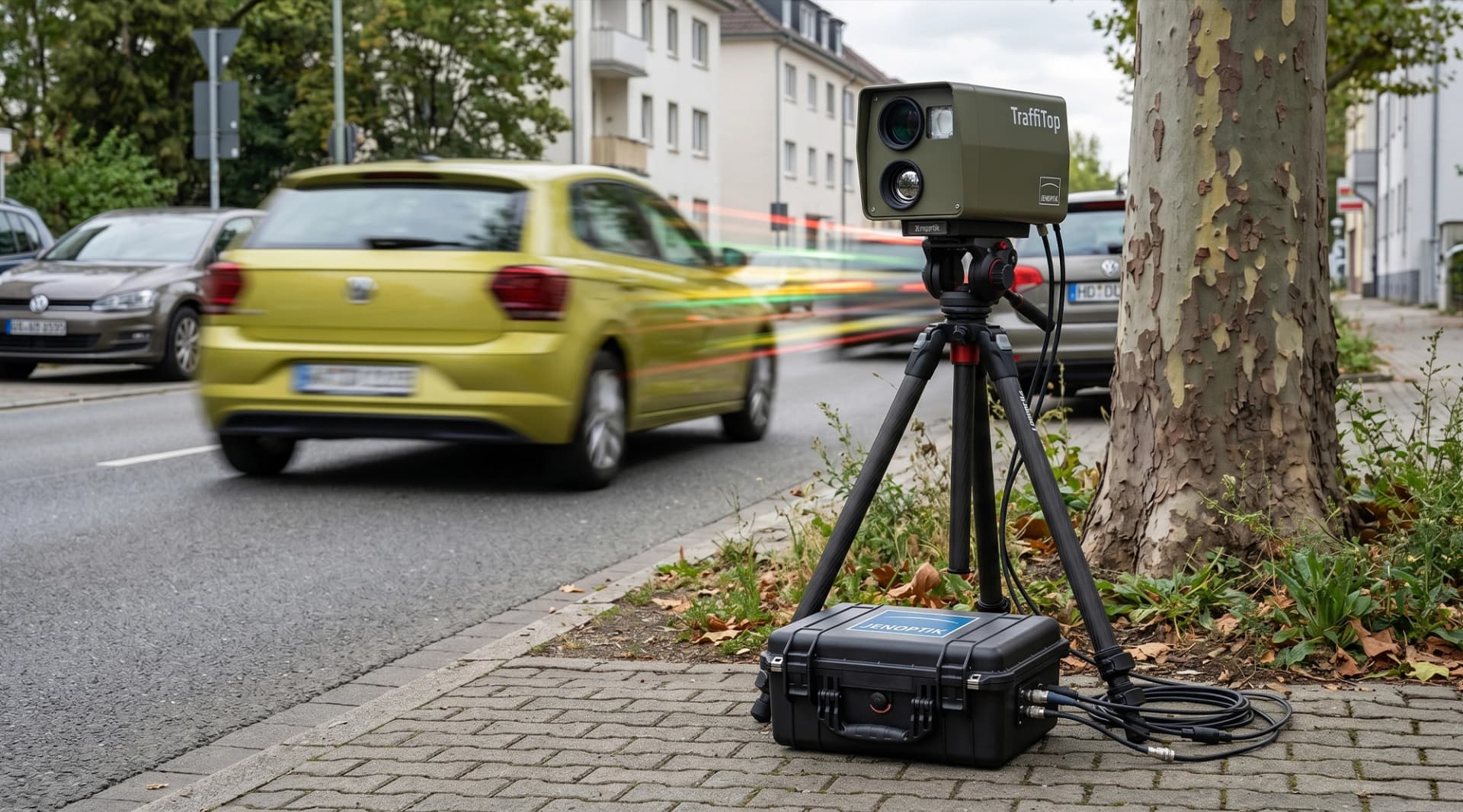
European traffic enforcement is already far more digital than many drivers realize. Classic fixed speed cameras still exist, and mobile radar units remain widely used. Laser guns are still effective for targeted checks, especially in temporary situations or places where complaints about speeding suddenly increase.
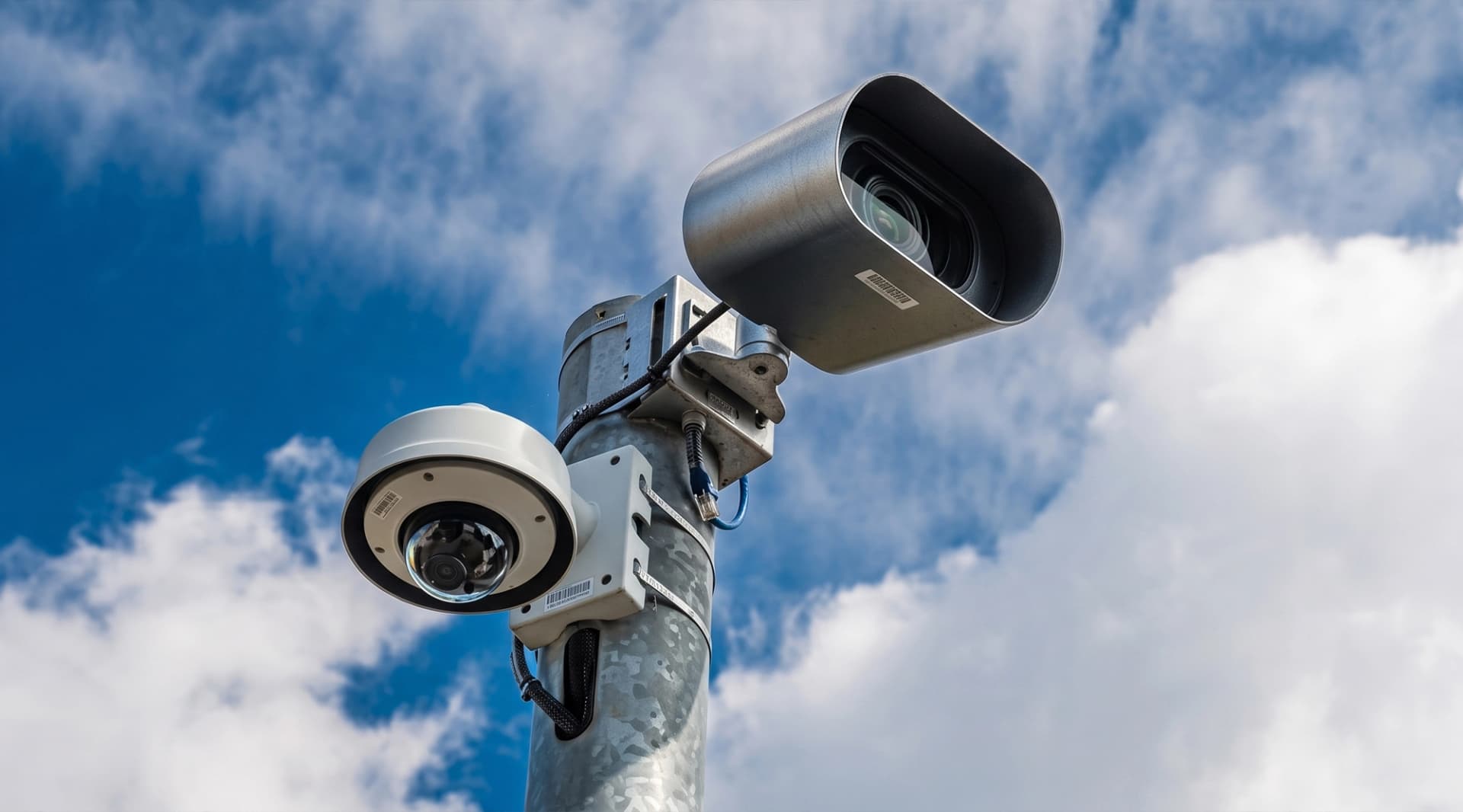
But the toolbox has grown. Authorities now use movable speed cameras, average-speed checks, ANPR networks and AI-assisted camera systems that can detect phone use behind the wheel. In some cases, artificial intelligence helps identify whether a driver is holding a smartphone, after which a human still reviews the image before a fine is issued.
Distraction is the new speeding
Speed remains one of the classic enforcement targets, but distraction is becoming just as important. The problem is not only smartphones anymore. Modern cars themselves have become distraction machines. Climate settings, navigation, drive modes, infotainment, charging menus, assistants, apps, warnings and touchscreen layers all compete for attention.
That creates a strange tension. Drivers are punished for distraction, while car manufacturers keep putting more functions behind screens. Of course, that does not excuse unsafe driving. But it does show how messy the situation has become. Europe is pushing for safer roads, while many new cars demand more interaction than ever.
The next step: reading the car itself
This is where things become serious. A future enforcement model could allow authorities to access vehicle data during a traffic stop, or possibly through regulated digital channels. Instead of measuring your speed from outside the car, the system could theoretically read what the car already knows.
How fast were you driving?
Where did you brake?
Was cruise control active?
Did the car detect a speed limit?
Were driver assistance systems engaged?
From a technical point of view, this is becoming increasingly possible. From a legal and ethical point of view, it is a minefield. Because vehicle data is not neutral. It can reveal routes, habits, locations, driving style, work patterns, private visits and personal routines. In other words, it can say far more about you than just whether you were doing 142 km/h on a motorway.
Road safety versus permanent monitoring
The safety argument is obvious. If cars can record dangerous behaviour, authorities may argue that this data can help reduce crashes, identify repeat offenders and make enforcement more efficient. In a future with intelligent vehicles, speed-limit assist and connected infrastructure, roadside speed checks could become less necessary.
But the privacy concern is equally obvious. If authorities gain broad access to vehicle data, Europe risks moving from traffic enforcement to permanent mobility monitoring. That is a very different concept. A speed camera checks a specific moment at a specific place. Connected-car data can reconstruct a much wider part of your life.
That is why this debate cannot be treated as a simple “only dangerous drivers should worry” issue. It is bigger than that. It is about how much access the state should have to privately generated vehicle data.
Europe will need very clear rules
The European market is already moving toward a world where connected products, including cars, generate huge amounts of usable data. That data has value for manufacturers, insurers, repairers, fleet managers, mobility platforms and potentially authorities.
The question is not whether the data exists. It does. The question is who may access it, under what conditions, for what purpose and with which safeguards. For traffic enforcement, the red lines should be extremely clear. Access should never become automatic, permanent or vague. If vehicle data is used, it must be limited, proportionate, legally controlled and transparent.
Because once a car becomes an evidence machine, trust becomes everything. And if drivers feel their own car is quietly monitoring them for future penalties, the relationship between people, vehicles and authorities changes completely.
AutoNext Take
This is one of the biggest hidden issues in modern mobility. Everyone talks about range, charging speed, horsepower and design. Almost nobody talks enough about what happens when cars become rolling data centres.
Traffic safety matters. Nobody serious can argue against that. Speeding, distraction, alcohol, drugs and repeat dangerous behaviour create real risk on European roads. Enforcement has a role, and technology can absolutely help. But there is a line.
And using vehicle data for traffic enforcement comes dangerously close to that line. Europe needs to be very careful here.