Verstappen commits to Red Bull until 2030, solidifying his confidence in the team
The driver every rival was quietly circling just tied himself to Red Bull for four more years.
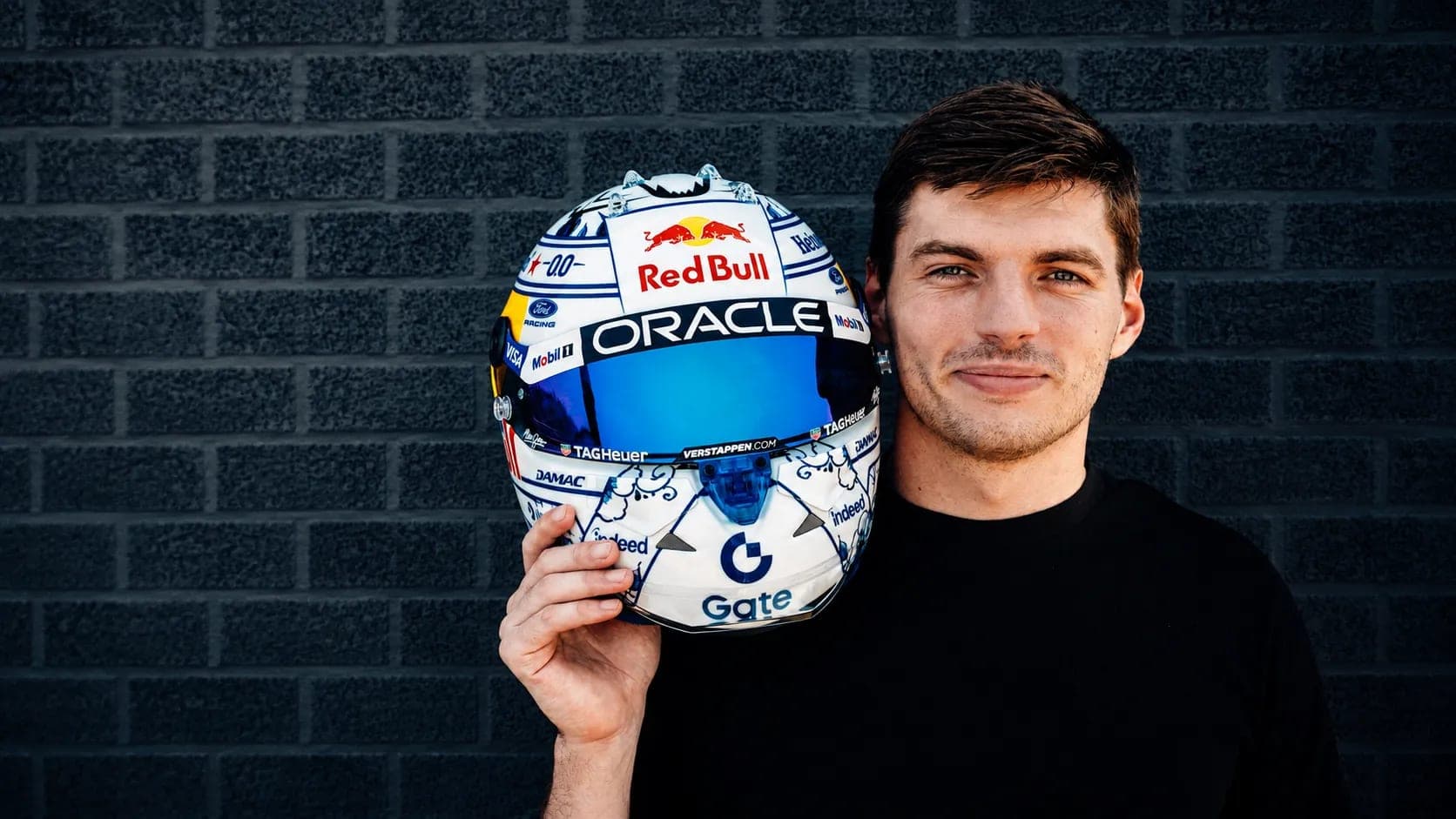
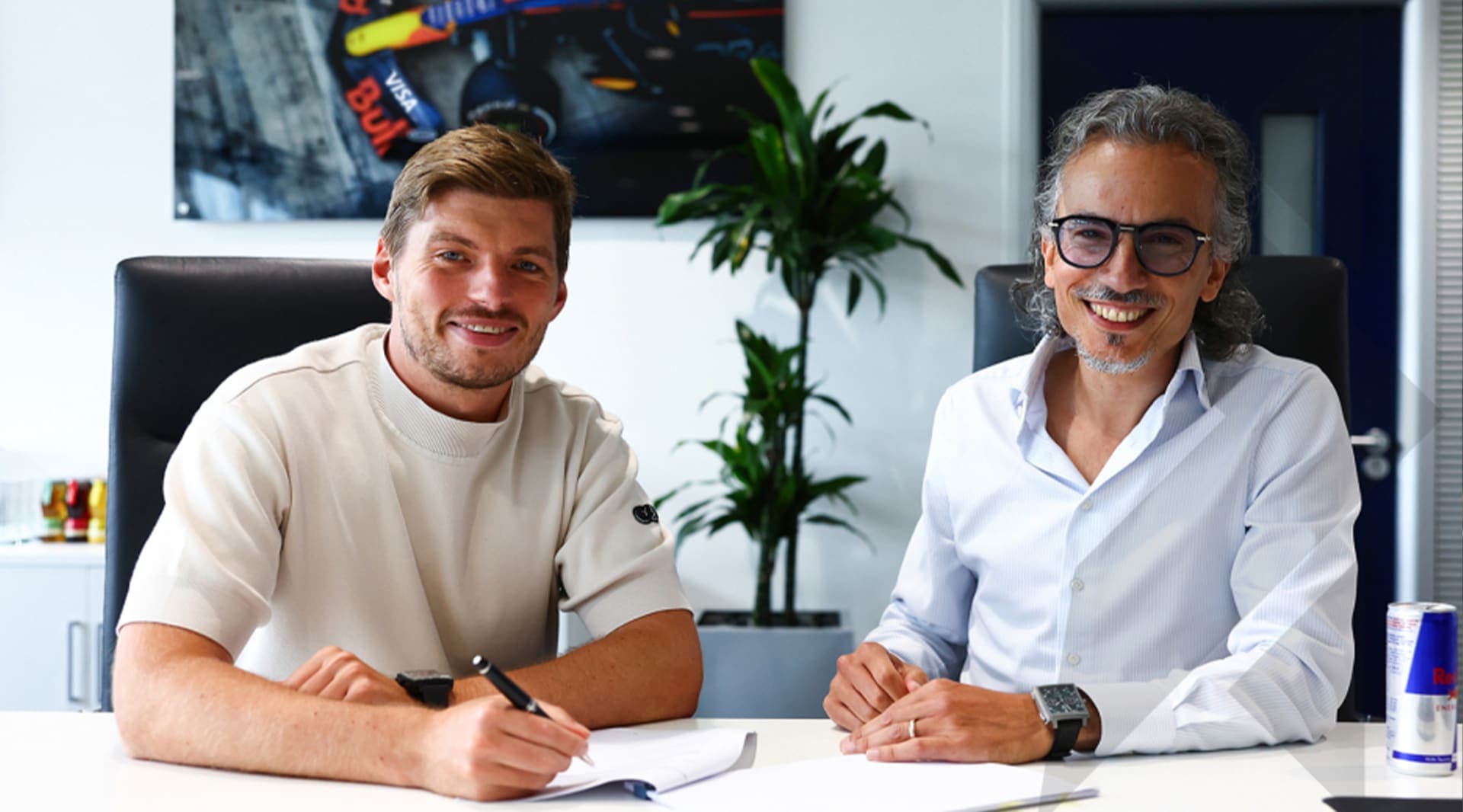
Max Verstappen has signed a contract extension with Red Bull Racing that runs until the end of the 2030 season. The deal, confirmed on 20 August 2026 ahead of his home race at Zandvoort, extends a contract that previously ran to the end of 2028 and puts an end to a long run of speculation that the four-time champion might walk away.
The deal in plain terms
Verstappen was already contracted to Red Bull through 2028. This extension adds two further seasons, keeping him at the only Formula 1 team he has ever raced for until the end of 2030. He has been part of the Red Bull family since joining its junior programme in 2014 and stepping up to the senior team in 2016, a partnership that has delivered 71 Grand Prix wins and four drivers' titles.
It ends a question that would not go away
This is the news that quietens a very loud rumour mill. Red Bull's dip in form under the 2026 regulations, combined with performance-related clauses in his contract, had fuelled constant talk that Verstappen could trigger an exit. Mercedes was the name most often attached to him, a link we examined when the Verstappen-to-Mercedes rumour resurfaced. Signing on until 2030 is about as firm an answer as he could give.
He picked the perfect stage to say it
The timing is not an accident. Verstappen confirmed the deal on the eve of the Dutch Grand Prix, his home race, at the very circuit that was rebuilt around his rise and is now hosting its final grand prix before dropping off the calendar. Announcing a long-term future in front of the orange grandstands, at the track that defined his era, turns a contract renewal into a moment. It also lands in a strange week for the team, with his own seat settled while teammate Isack Hadjar misses the race through injury.
What he is actually betting on
Verstappen is not staying because the car is fast right now. It is not. He is betting on the rebuild. He has pointed to team principal Laurent Mekies, in the role for over a year, as a central reason for his confidence, and 2026 marks the first season of Red Bull Ford Powertrains as an engine manufacturer in its own right. Committing to 2030 is a vote of faith in a project that is still finding its feet, not a reward for present-day dominance.
The results tell the harder story
The on-track picture is why this matters. Verstappen lost the 2025 title to Lando Norris by two points, and 2026 has so far produced no wins and four podiums, a clear step down from the years when Red Bull simply ran away with it. Staying is a choice to fix that from the inside rather than chase a quicker car elsewhere.
AutoNext Take
The easy move was the other one. A driver of Verstappen's stature, watching his team slip down the order under new rules, could have used his exit clauses to find the fastest car on the grid, and plenty assumed he eventually would. Choosing to stay, and to stay all the way to 2030, is the more interesting decision precisely because it is not the obvious one.
It says he believes Red Bull can build him a winning car again, and that continuity is worth more to him than a shortcut. That is a genuine bet, not a safe one. If the rebuild works, this will look like the loyalty that defined a dynasty. If it does not, four more years is a long time to watch faster cars disappear up the road. Either way, the sport's biggest name has just removed himself from the transfer market until the end of the decade, and that reshapes every other seat on the grid.