Volkswagen's €20,000 electric city car will be called ID. Up
Three years after killing the e-Up, Volkswagen wants the name back
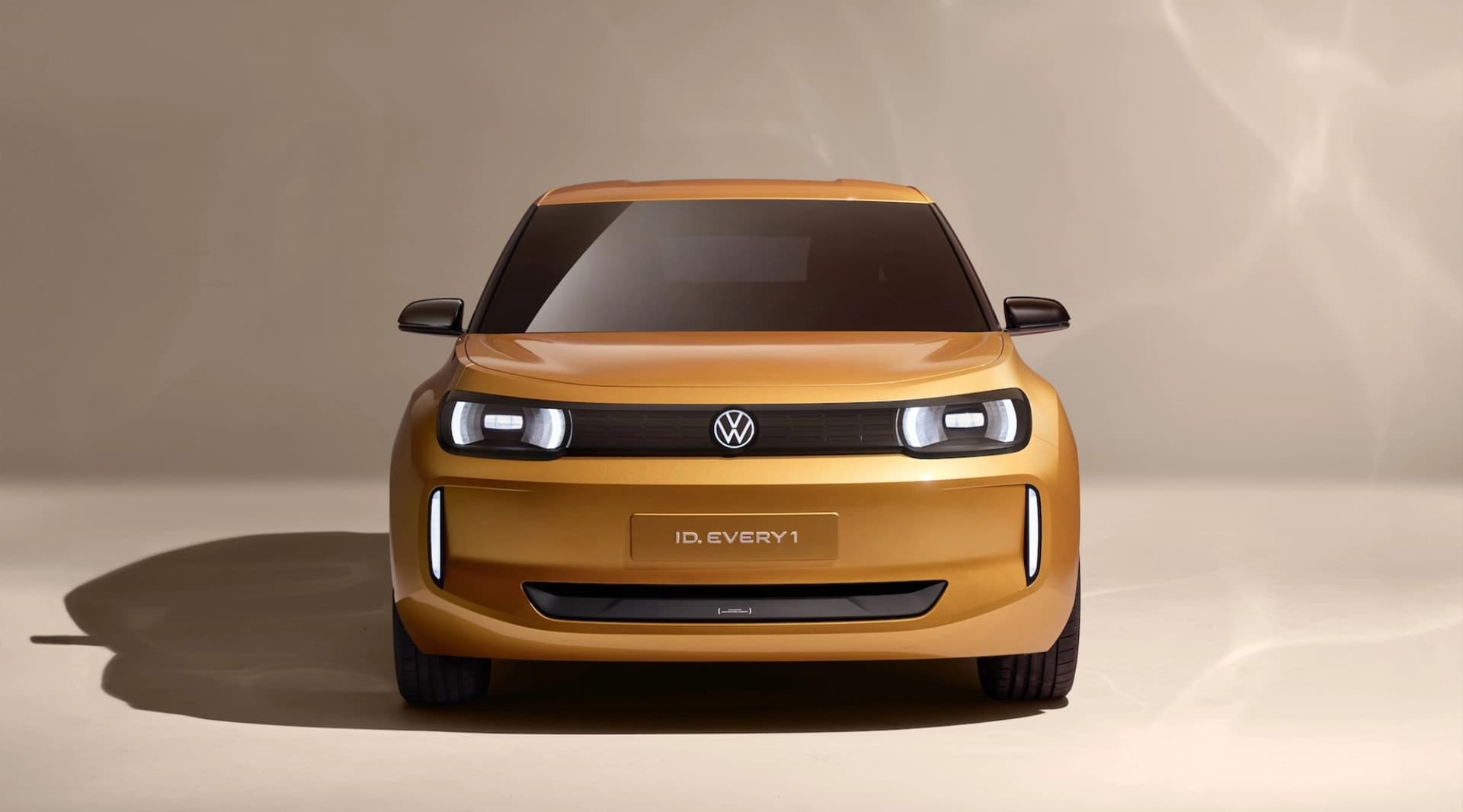
The cheapest electric Volkswagen of the next decade now has a badge, and it is not the one everybody expected. The €20,000 city car previewed by the ID. EVERY1 concept in March 2025 is set to reach showrooms in autumn 2027 as the ID. Up, not the ID.1. Spanish outlet Motor.es reported the name first, and a plant allocation document briefly published by trade union IG Metall points the same way.
It sounds like a footnote. It is not. Volkswagen spent most of a decade teaching European buyers to read its electric cars as digits, then quietly decided the lesson was not worth finishing.
A badge Volkswagen retired far too early
The Up arrived in 2011 as the sort of small car Volkswagen used to be very good at: honest packaging, no wasted metal, a cabin that felt a class above the price. The e-Up that followed became one of the last genuinely cheap electric cars sold in Europe, and when production ended in autumn 2023 there was nothing behind it.
That gap has cost Volkswagen dearly. Dacia, Citroen and Renault all moved into the space the e-Up left empty, and they did it while Wolfsburg was still explaining what the numbers on its bootlids meant. Reviving the name is an admission that the exit was a mistake.
Bigger than an Up, smaller than a Polo
The production car follows the ID. EVERY1 closely. It measures 3,880 mm long and 1,810 mm wide, which places it between the old e-Up at 3.60 metres and the ID. Polo at 4.05 metres. Four seats, a 305-litre boot, front-wheel drive, 95 hp, a 130 km/h top speed and at least 250 km of range: nothing here is trying to impress anyone on paper.
Build location matters as much as the spec. Production starts in Palmela, Portugal, around the middle of 2027, at the plant that has spent years building the T-Roc and the Sharan before it. Volkswagen also promises a new software architecture that lets the car gain functions after it has been sold, which is the sort of claim the brand has made before and not always delivered on.
Thomas Schaefer, chief executive of the Volkswagen passenger car brand, called the ID. EVERY1 "the last piece of the puzzle on our journey to having the widest model selection in the volume segment". Read plainly, that means the range below the Polo is finally finished.
The numbers were never going to stick
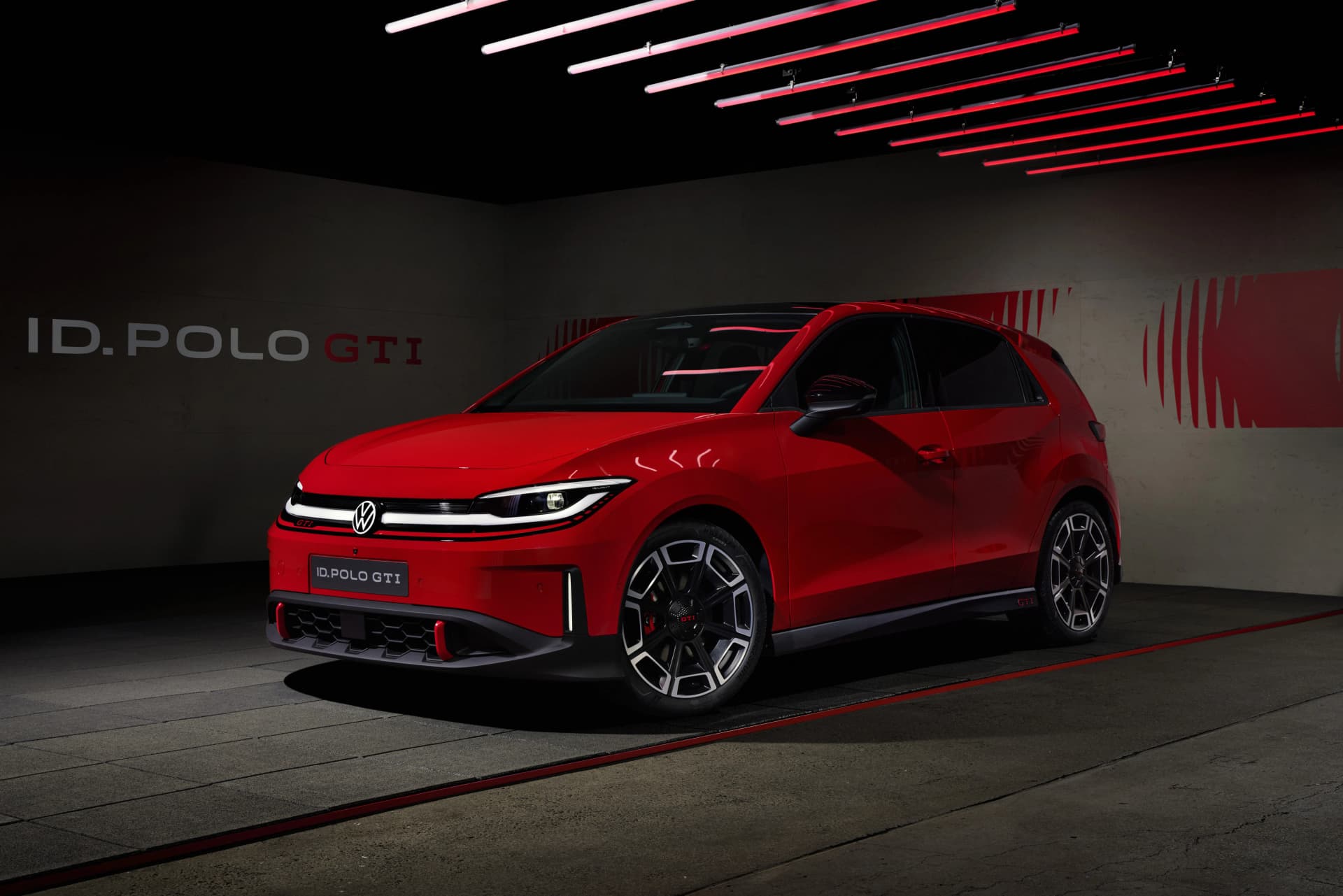
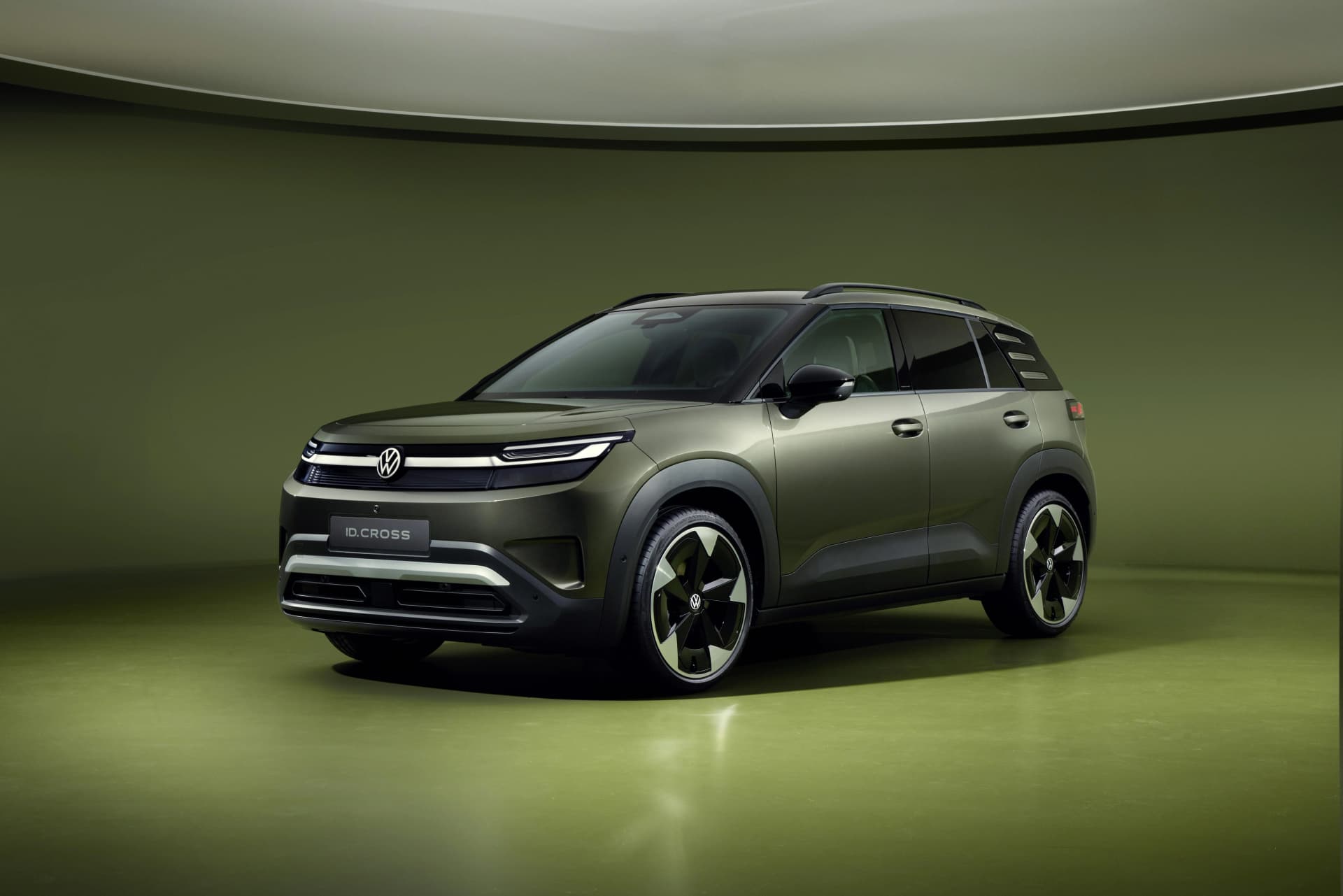
Volkswagen made the naming U-turn official in September 2025. The ID. 2all show car became the ID. Polo, the ID. Polo GTI kept the three letters that still sell cars, and the ID. CROSS concept became the ID. Cross. "Our model names are firmly anchored in people's minds," Schaefer said at the time. "The ID. Polo is just the beginning."
Reports since then suggest the ID.3 will eventually become an ID. Golf, the ID.4 and ID.5 will be folded into an ID. Tiguan, and the ID.7 will take the Passat name. None of that is confirmed, but the direction is not in doubt. Every combustion nameplate Volkswagen owns is now a candidate for an electric second life, and the digits are being written off as an expensive branding detour.
The cheap end of the market will not wait
Autumn 2027 is a long way off in a segment that is moving this quickly. Renault has promised the electric Twingo at under €20,000 and has been busy sharpening the Renault 5 above it. Citroen, Fiat, Hyundai and Dacia all have small electric cars on sale now, at prices the ID. Up will have to match rather than beat.
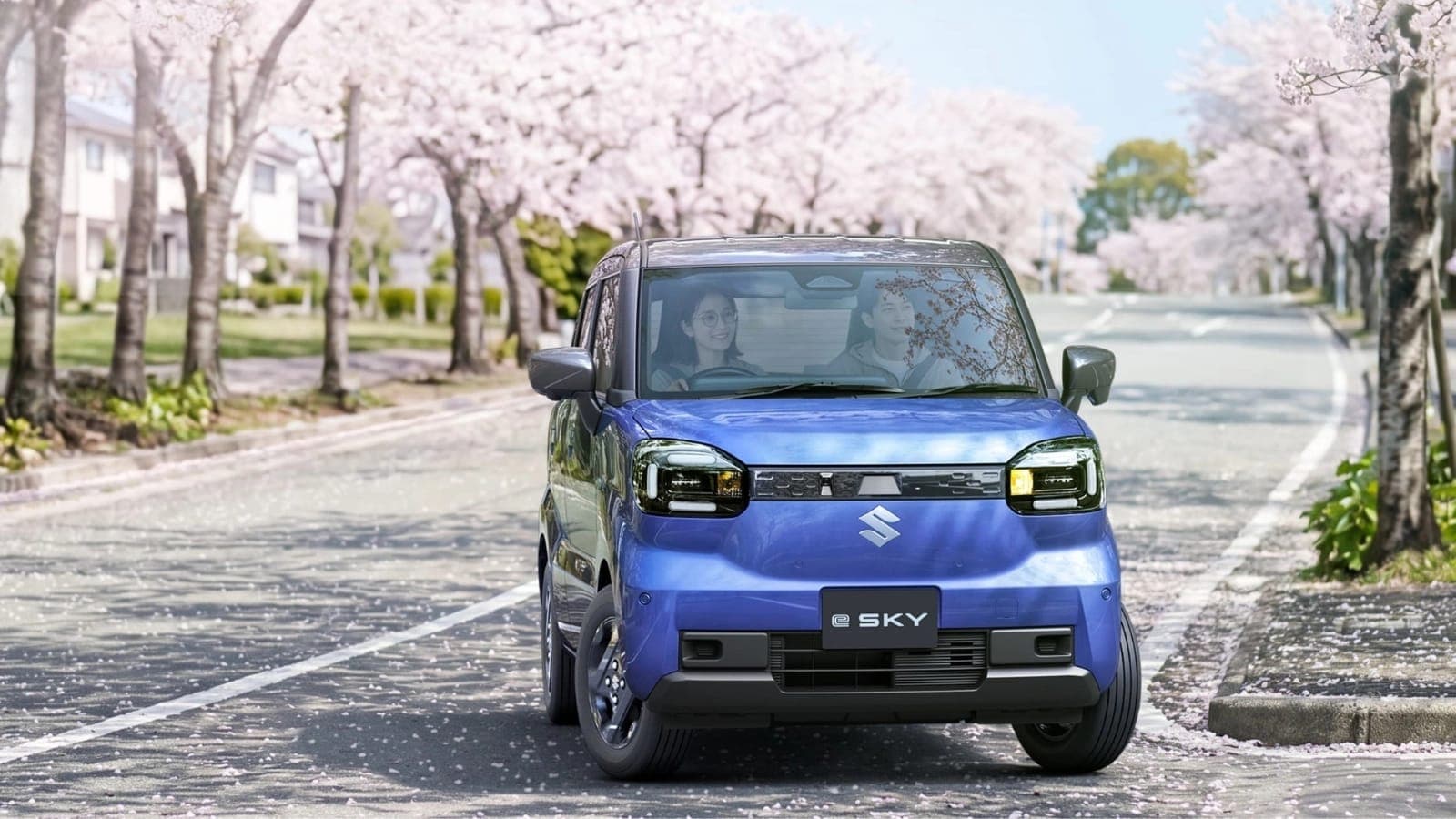
The competition is also arriving from further away. Suzuki is preparing the e-Sky, a kei car reworked for European roads, for roughly the same window, and Chinese brands are pushing into the sub-€25,000 bracket with hardware they already build at scale. Volkswagen is not entering an empty room in 2027. It is joining a queue.
AutoNext Take
The name is the easy part, and it is the part Volkswagen has got right. Up means something to European drivers in a way ID.1 never could, and reaching for it costs nothing while buying back a little goodwill from everyone who owned the last one. The problem is the calendar. Volkswagen stopped building a €20,000-ish electric city car in 2023 and will start building one again in 2027, which is four model years handed to rivals who were happy to take them.
Call it ID. Up, call it whatever you like. The badge is an apology to e-Up owners, and it is a fair one. Now build the thing faster.