Volkswagen plans to retire Seat by 2029, the brand that created Cupra
The Cupra badge Seat invented in 1996 is about to outlive Seat
Volkswagen Group's management board has signed off on a plan to wind the Seat brand down by the end of 2029, according to WirtschaftsWoche, which has read the 147-page restructuring report going to the supervisory board on Friday. The wording is unsentimental: Seat is to be phased out in an orderly and cost-efficient manner. Cupra, which began in 1996 as nothing more than the badge on Seat's quickest cars, is the brand that survives.
The wind-down is written into a 147-page report for Friday's board
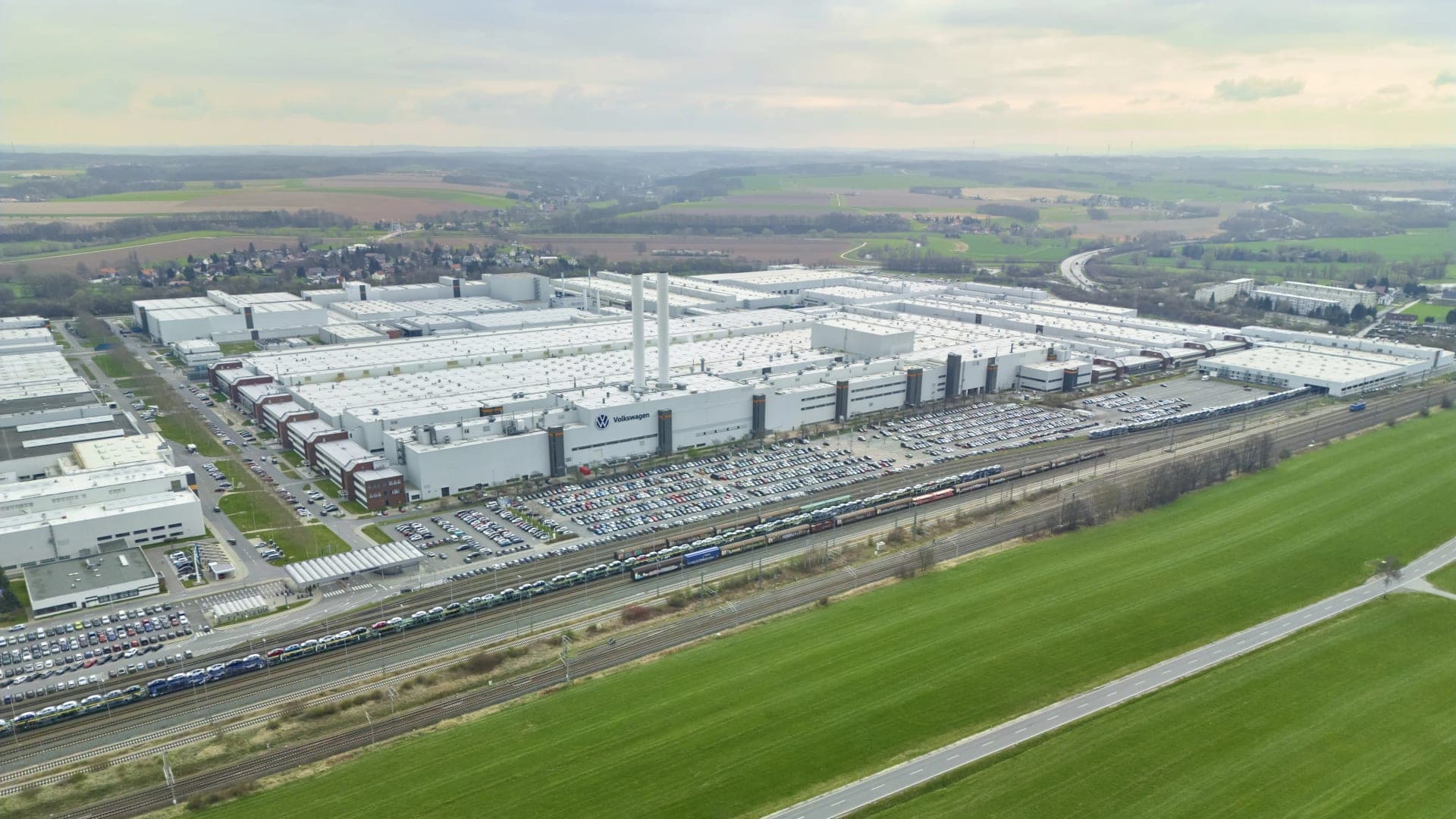
The document tells the supervisory board that the Seat brand will be phased out in an orderly and cost-efficient manner by the end of 2029 at the latest, with existing customers still supported and existing obligations still met. Volkswagen has reportedly already removed Seat from its strategic planning. Officially nothing is settled: the group will not comment on internal documents, and Seat S.A. says only that no decisions have been taken at this stage. The report is the same one that puts four German plants on a closure timetable, so Seat is one line in a much longer bill.
Cupra sold 328,800 cars in 2025, Seat sold 257,400
The commercial case is not subtle. Cupra delivered 328,800 cars last year, a record and a rise of 32.5 percent, while Seat fell 17 percent to 257,400. That is a gap of 71,400 cars in favour of a marque that has only stood on its own since February 2018, and it was created after Volkswagen failed to buy Alfa Romeo and needed a sporting brand of its own. Cupra also earns more per car, because it sells Formentors and Terramars where Seat sells Ibizas and Aronas.
Seat's four remaining models trace back to 2016 and 2017
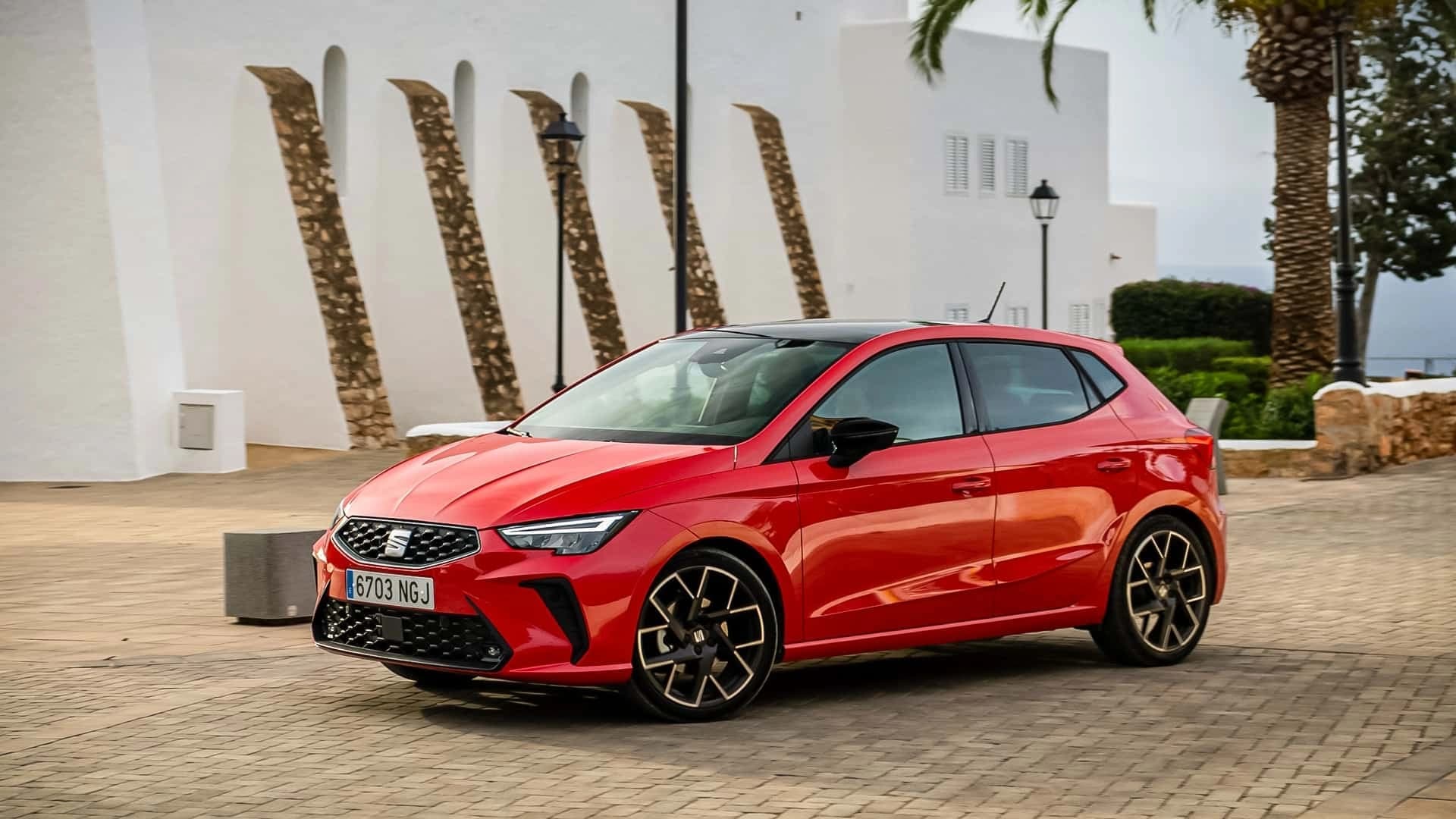
Seat's European range is down to four cars: the Ibiza, the Arona, the Ateca and the Leon. The Ibiza and Arona both arrived in 2017 and have since been facelifted twice, the second time last year. The Ateca dates from 2016. Only the Leon has had a proper replacement since Cupra was spun off, and it is shared with Cupra anyway. No brand dies from a single board vote after eight years without genuinely new metal. It dies from the product plan.
Martorell built its first EVs in June, and neither wore a Seat badge
This is the part the reporting skips. On 3 June this year, the Martorell plant outside Barcelona started series production of the group's first electric cars built in Spain, with the Spanish prime minister on the line to watch. The two cars were the Cupra Raval and the Volkswagen ID. Polo. The full affordable electric family runs to four models, those two plus the Volkswagen ID. Cross and the Skoda Epiq. Not one of them is a Seat.
Seat S.A. survives as the Spanish company that builds every Cupra
Retiring a badge is not the same as closing a business. Seat S.A. is the legal entity headquartered at Martorell, and it designs, engineers and builds Cupra. Every Raval leaving that line is made by Seat employees in Catalonia. What goes is the name on the tailgate, the dealer signage and the marketing budget, which is a different kind of loss to the German plant closures and the 50,000 further job cuts in the same programme. Spain loses a national brand. On this plan, it does not lose the factory.
AutoNext Take
Seat was not killed on Friday. It was killed when somebody drew up the product plan for the group's four affordable electric cars and handed two to Volkswagen, one to Cupra and one to Skoda. A brand with no entry in the segment that is meant to carry European volume for the next decade is not really a brand any more, it is a dealer network with a logo attached. The 147 pages are the paperwork on a decision the engineering calendar took years ago.
The claim worth testing is whether this is a transfer or a retreat. Cupra and Seat together delivered 586,200 cars in 2025. Cupra's cheapest model is a Raval, not an Ibiza, and its buyers pay accordingly, so the group is betting that an Ibiza owner trades up rather than out. If Cupra on its own is not clearing 586,200 by 2030, Volkswagen did not merge two Spanish brands into one. It handed the bottom of the Spanish market to Dacia and MG and called it efficiency.