Volkswagen's €1.2 billion all-electric Zwickau plant is first on the closure list
Zwickau cost €1.2 billion to go all-electric, and it is first on the list
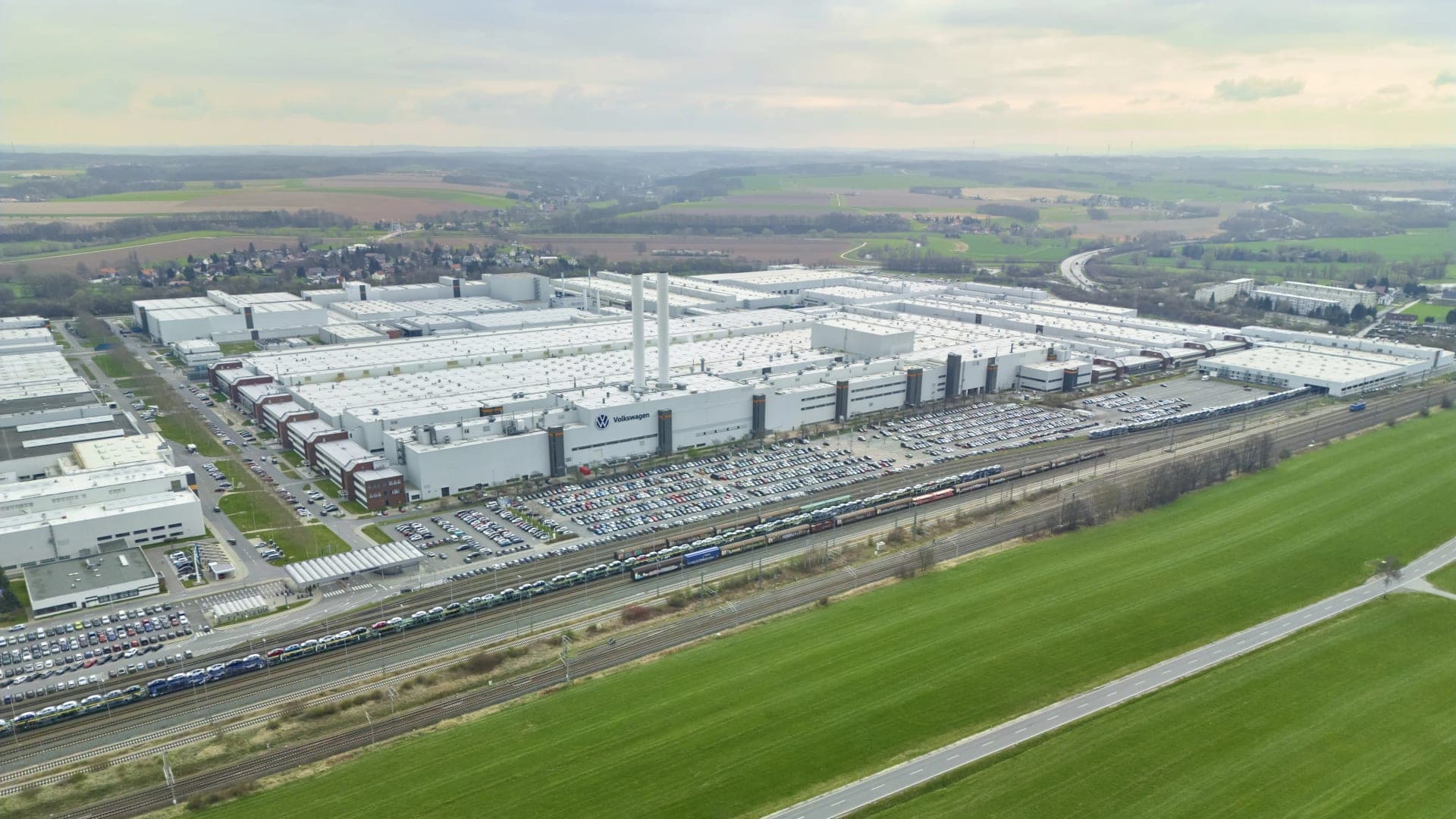
Volkswagen's management board has agreed which German factories it wants to stop building cars in, and it has put dates against all four. According to a 147-page report prepared for the supervisory board and seen by WirtschaftsWoche, Emden and Zwickau would end production in 2031, Hannover in 2032 and Audi's Neckarsulm in 2034. The supervisory board discusses it on 3 and 4 September.
Four plants, roughly 40,000 jobs and 750,000 units of capacity
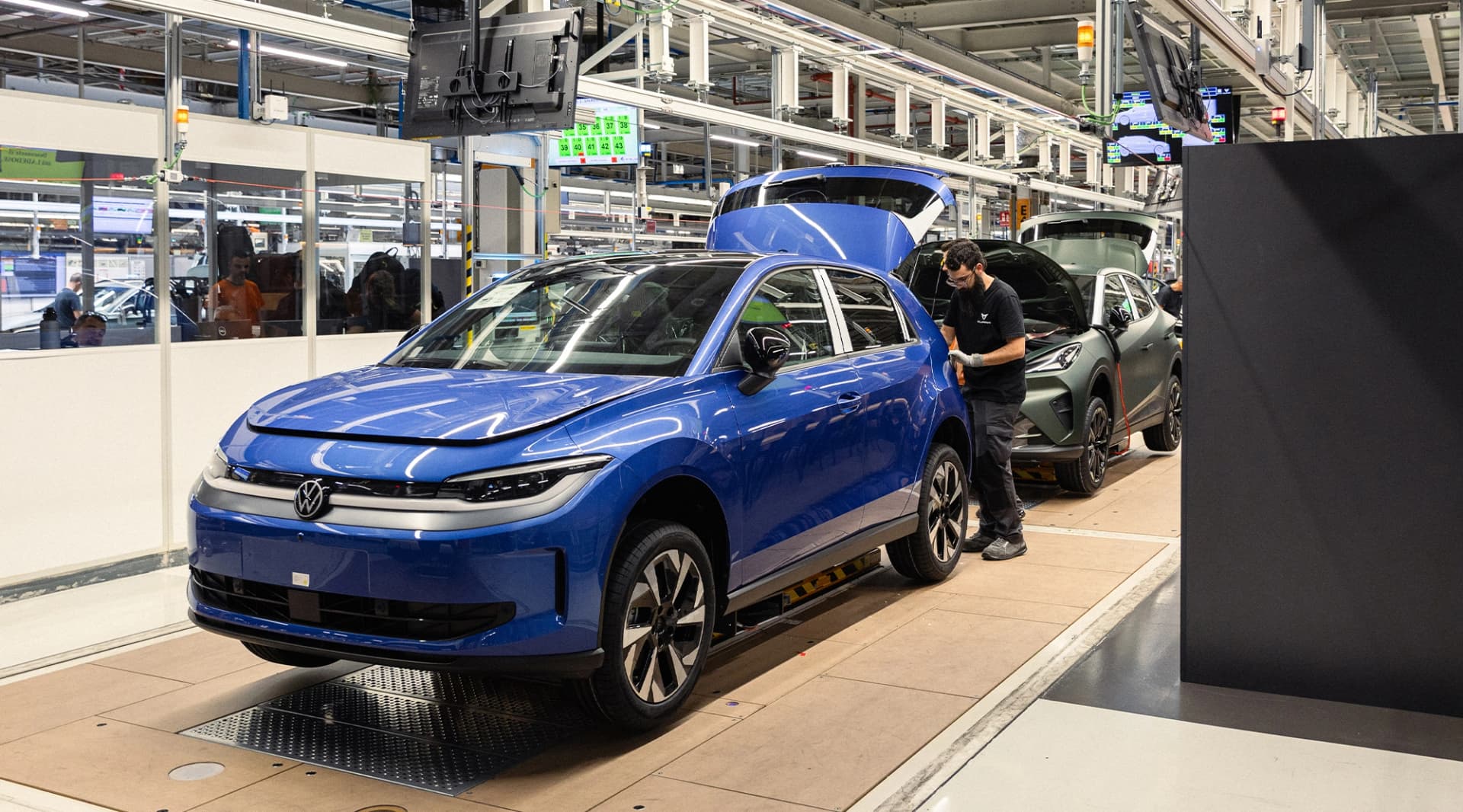
The four sites employ around 40,000 people between them and can build about 750,000 vehicles a year. Zwickau assembles the ID.3, ID.4, ID.5, the Cupra Born and the Audi Q4 e-tron. Emden builds the ID.4, ID.7 and ID.7 Tourer. Hannover is the home of the ID. Buzz and the Multivan, plus a battery assembly line. Neckarsulm is Audi's combustion and hybrid site, and the Böllinger Höfe workshop next door hand-builds the e-tron GT. The mechanism in the report is not a sudden shutdown: current models run out their cycle, and the cars that would have replaced them are either cancelled or built somewhere cheaper.
Every replacement model moves east, and three of them leave Germany
This is the part that gets lost in the job numbers. The ID.4 successor leaves Emden for Škoda's Mladá Boleslav in Czechia. The Q4 e-tron successor leaves Zwickau for Bratislava. The Hannover van programme, the T8, goes to Poznań in Poland. The Audi A8 successor moves from Neckarsulm in Baden-Württemberg to Leipzig in Saxony, home of the group's Porsche plant. Four models, four moves, all of them eastward, three of them across a border.
Volkswagen finished converting Zwickau to electric-only production in June 2020
Zwickau is the uncomfortable one. It was the first large car factory in Europe converted entirely to electric production, a switch Volkswagen completed in June 2020 at a cost of around €1.2 billion, with roughly 8,000 employees retrained for high-voltage work. It was the plant the company pointed at whenever anyone asked whether Europe could actually build electric cars at scale. On the board's timetable it stops building them eleven years after the last combustion engine left the line.
Labour and Lower Saxony hold 12 of the 20 supervisory board seats
A management board decision is not a decision. Volkswagen's supervisory board has 20 seats, and employee representatives together with the state of Lower Saxony control 12 of them, which is a blocking majority on exactly this kind of question. They used it in July, when an earlier attempt at the same restructuring failed to win support. Works council chair Daniela Cavallo has since demanded that Oliver Blume put the plans to employees himself rather than through leaked documents.
Blume's public line is that no plant closure has been decided
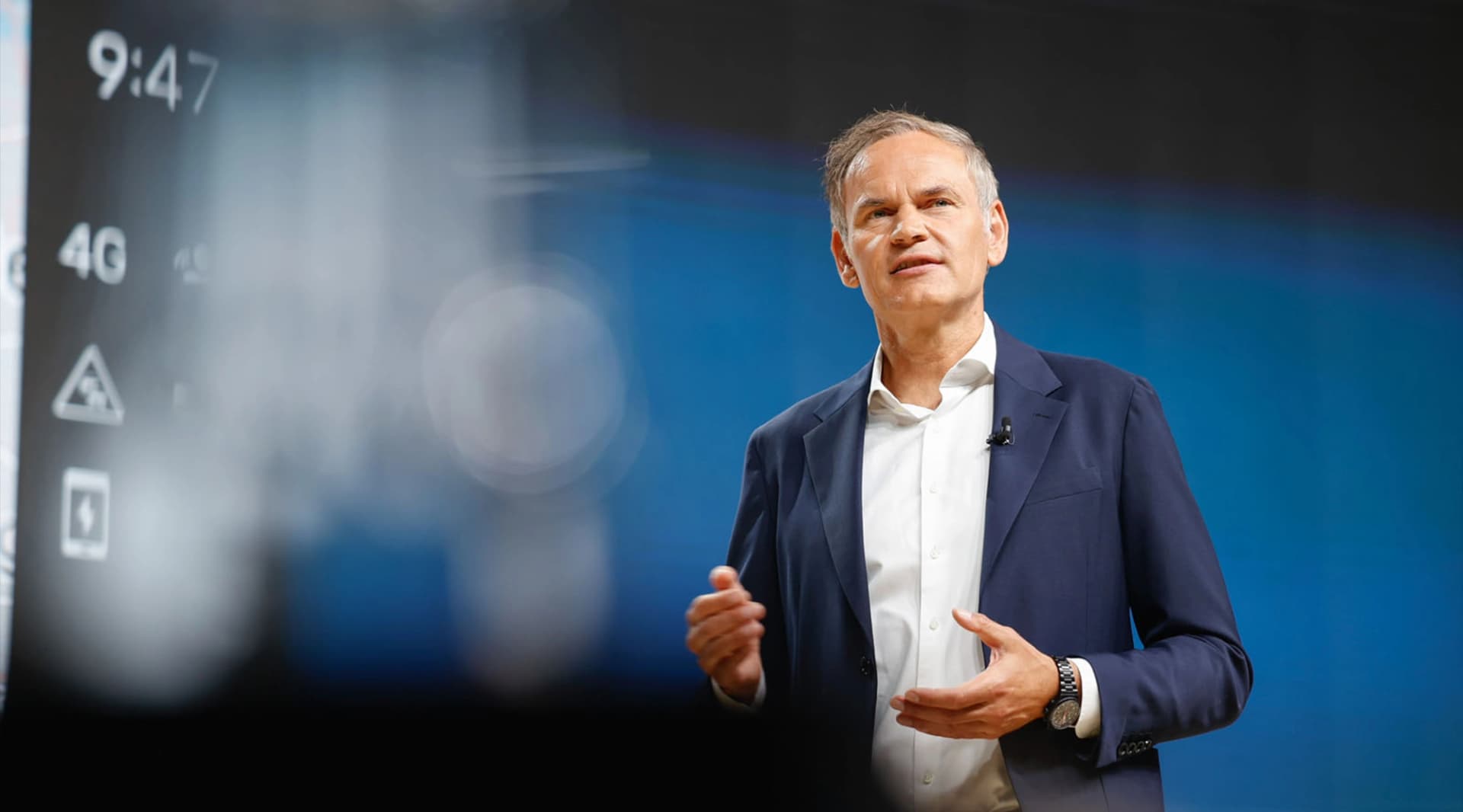
Volkswagen has not confirmed the report, and Blume's own wording is careful: the company cannot confirm competitive capacity utilisation at Emden, Hannover, Zwickau and Neckarsulm through the 2030s, but no plant closure has been decided and intelligent solutions are preferable to shutting sites. Osnabrück, which sat on earlier versions of this list, is the working example of what that means, because the group is in advanced talks about filling its capacity with defence work. This lands on top of the 50,000 job cuts by 2030 Blume has already confirmed, and a month after he called the group's position more than critical.
AutoNext Take
Read the destinations rather than the closure dates and this stops looking like European deindustrialisation. Not one of these four programmes leaves the European Union. They go to Mladá Boleslav, Bratislava, Poznań and Leipzig, all of them Volkswagen Group plants, all of them east of the site losing the work. The capacity is not being surrendered to China or written off. It is being moved a few hundred kilometres inside the same company to places where the same car costs less to build. That is a German employment story and a Czech, Slovak and Polish industrial story at the same time, and only one of those halves is being reported.
The number that should worry policymakers is not 40,000 jobs, it is €1.2 billion. That is what Volkswagen spent turning Zwickau into the showpiece of Europe's electric transition, finished in 2020, and the board now wants it to stop making cars in 2031. If the plant that did everything the transition asked of it cannot be filled, the problem is not commitment, it is demand and cost. Expect Thursday's meeting to settle nothing: the same 12 votes that blocked this in July are still there, and the difference between a closure and an Audi Brussels is usually just how long the argument runs before the maths wins.