Volvo just turned a million cars into one shared hazard network
The car ahead of you can now tell you what it just saw
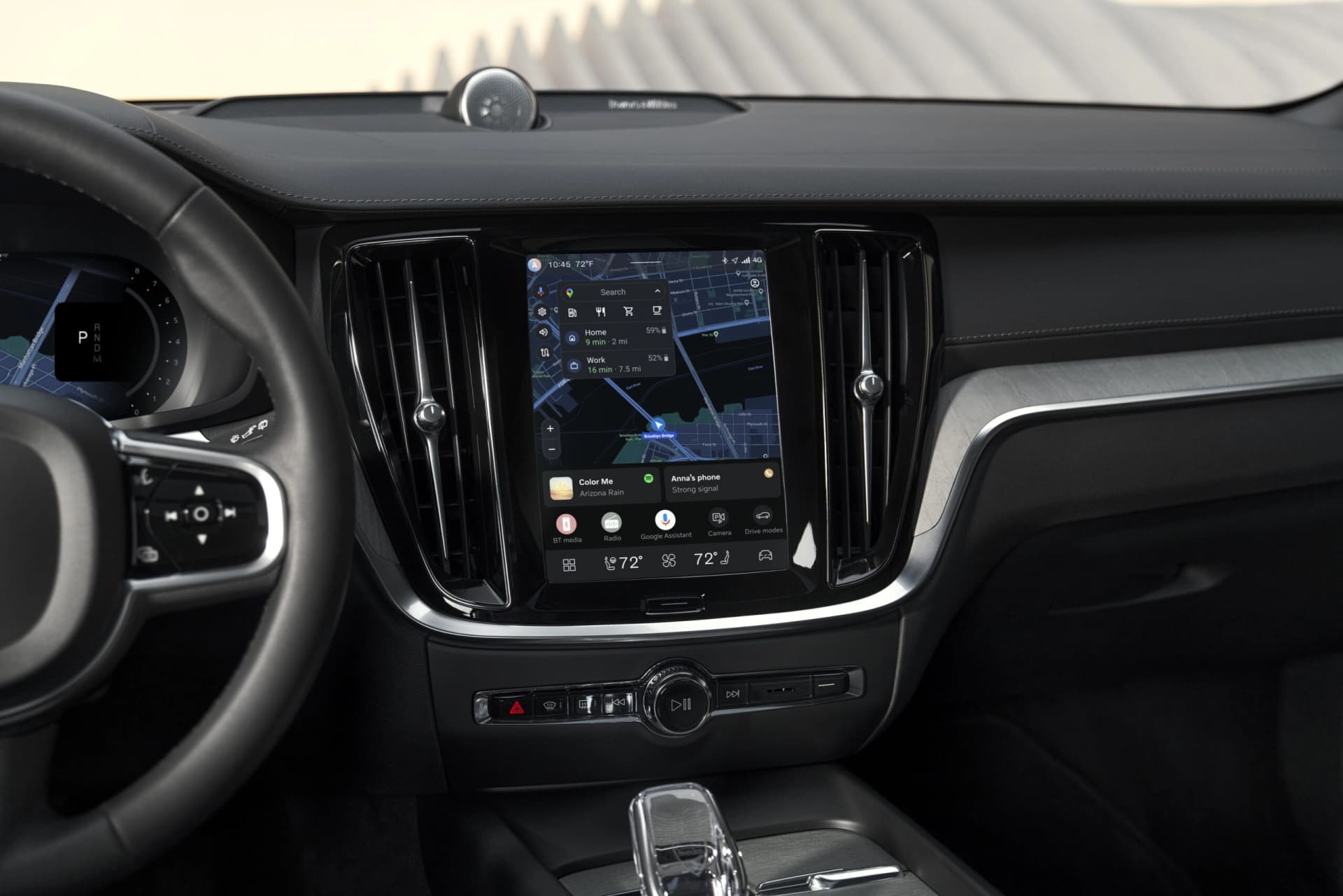
Volvo has begun rolling out a free over-the-air update that turns its newest electric models into hazard reporters. When an EX60 picks up a deer at the edge of an unlit road, or an EX90 slows for a lane closure, the position of that hazard goes to the cloud and reappears on the screen of a car still minutes away from the same corner.
It is a modest update carrying a large idea. Volvo says more than a million of its cars worldwide already have connected safety switched on, and that number is the whole argument: a warning network is worth almost nothing on launch day and a great deal once enough cars are quietly feeding it.
Four warnings you never had to spot yourself
The update adds four alerts. Large Animal Alert flags a deer or comparable animal on or beside the carriageway. Vulnerable Road User Alert warns of pedestrians and cyclists ahead, which matters most on the fast rural roads where nobody expects them. Roadwork Alert marks live construction zones. Accident Ahead Alert passes on a crash spotted by a car in front or reported by a traffic management centre.
They join Slippery Road Alert and Hazard Light Alert, the two warnings Volvo has been running for years. The difference now is coverage. The old pair reacted to what a car felt through its own wheels and lights; the new four react to what other people's cars have seen with their cameras and radar, several kilometres before you get there.
That distinction is worth holding on to, because it changes what the driver is being told. Existing driver aids describe the situation in front of the bumper. These alerts describe a situation the driver has no way of perceiving at all, over a crest, around a bend, behind a lorry, and they arrive early enough to be acted on with a lifted foot rather than a stamped brake pedal.
Gothenburg has been building this quietly since 2016
Volvo's vehicle-to-everything platform launched a decade ago, and for most of that time it has been an unglamorous background feature that almost nobody bought a car for. That is precisely why it works. The company has spent ten years accumulating connected vehicles and the data plumbing behind them, in the same patient way it pushed a single software update to two and a half million cars. Safety features that depend on scale cannot be launched, only grown.
The part that matters happens outside Volvo
The genuinely interesting decision is that the warnings do not stay inside the brand. Volvo feeds the data into the European Data for Road Safety ecosystem, the shared framework that lets carmakers and national traffic authorities exchange hazard reports. A Volvo spotting a cyclist on a Belgian back road can therefore end up warning a driver in something else entirely, and a road operator's own reports can flow the other way.
Åsa Haglund, head of the Volvo Cars Safety Centre, put the logic plainly: every time a Volvo shares safety intelligence, it helps other drivers prepare earlier. That framing also sits neatly alongside the new safety systems the EU made mandatory this summer, which push in the same direction from the regulatory side.
Which cars get it, and when
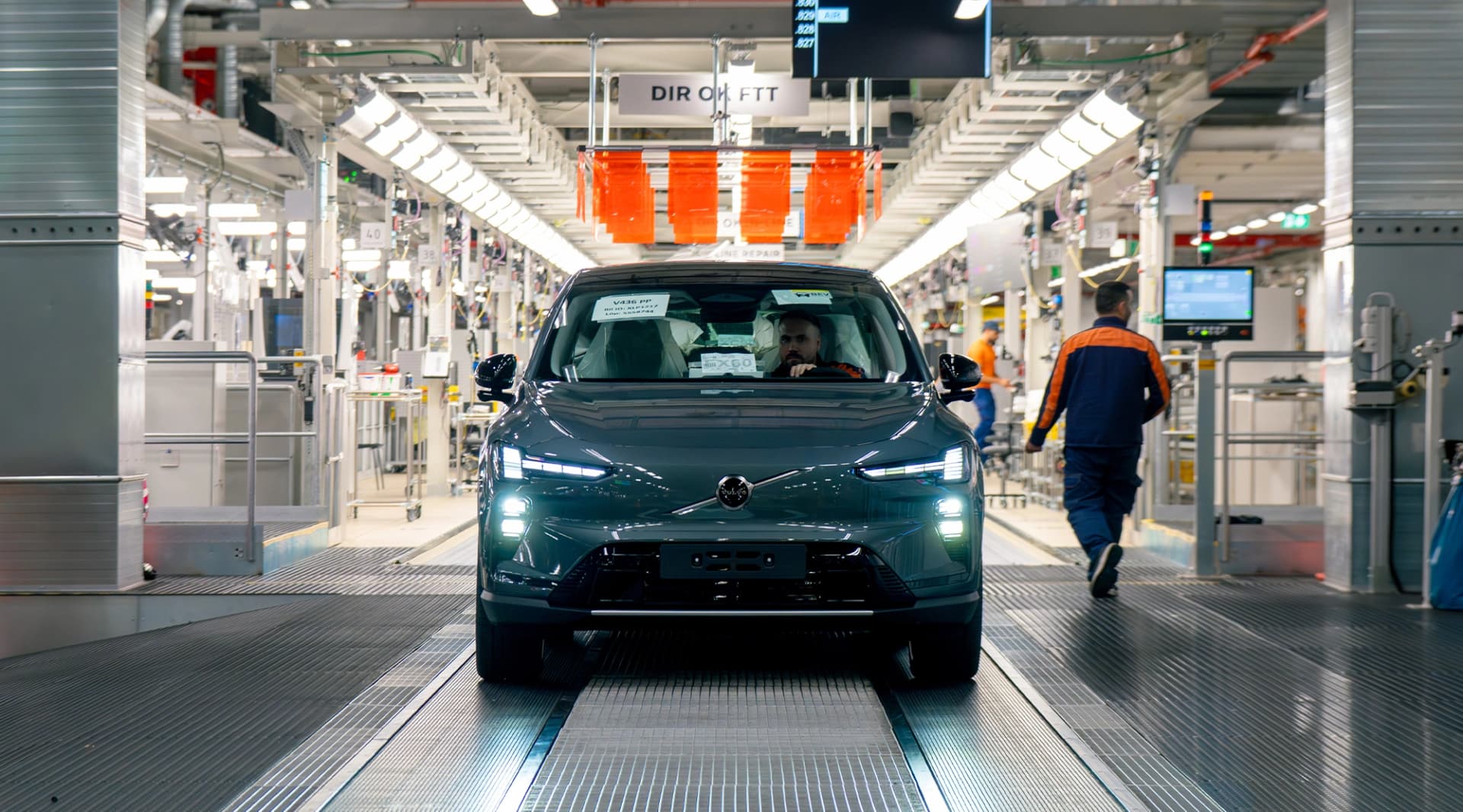
The update goes to the EX60, EX90 and ES90, free of charge, across Europe as well as the United States and Canada. Exact timing varies by model, market and build date, and Volvo has said it plans to extend the features to more models later, which is the sentence owners of older cars will be watching. The EX60 only entered production recently, so a large share of the fleet that will carry this is still being built.
The same release also brings Spatial Audio through Apple CarPlay to EX90 and ES90 cars fitted with the 25-speaker Bowers & Wilkins system with Dolby Atmos. Pleasant, but not the reason this update is worth writing about.
AutoNext Take
The deer warning is not the story. The story is that Volvo is handing its sensor data to rivals through a shared European framework, at a moment when most of the industry treats camera and radar output as a private asset to be hoarded, monetised or sold to a mapping partner. Safety data behaves like vaccination: it protects you properly only when your neighbours have it too, and a network that stops at the badge on the bonnet is a network that mostly does not work.
Volvo has spent decades trading safety inventions for reputation, starting with a seatbelt patent it declined to enforce. This is the same instinct, updated for software. The rest of the industry should be slightly embarrassed that it still counts as unusual.