The WRC's new owners promise change everywhere except the stages
The service park is getting a new name, and that is the small part
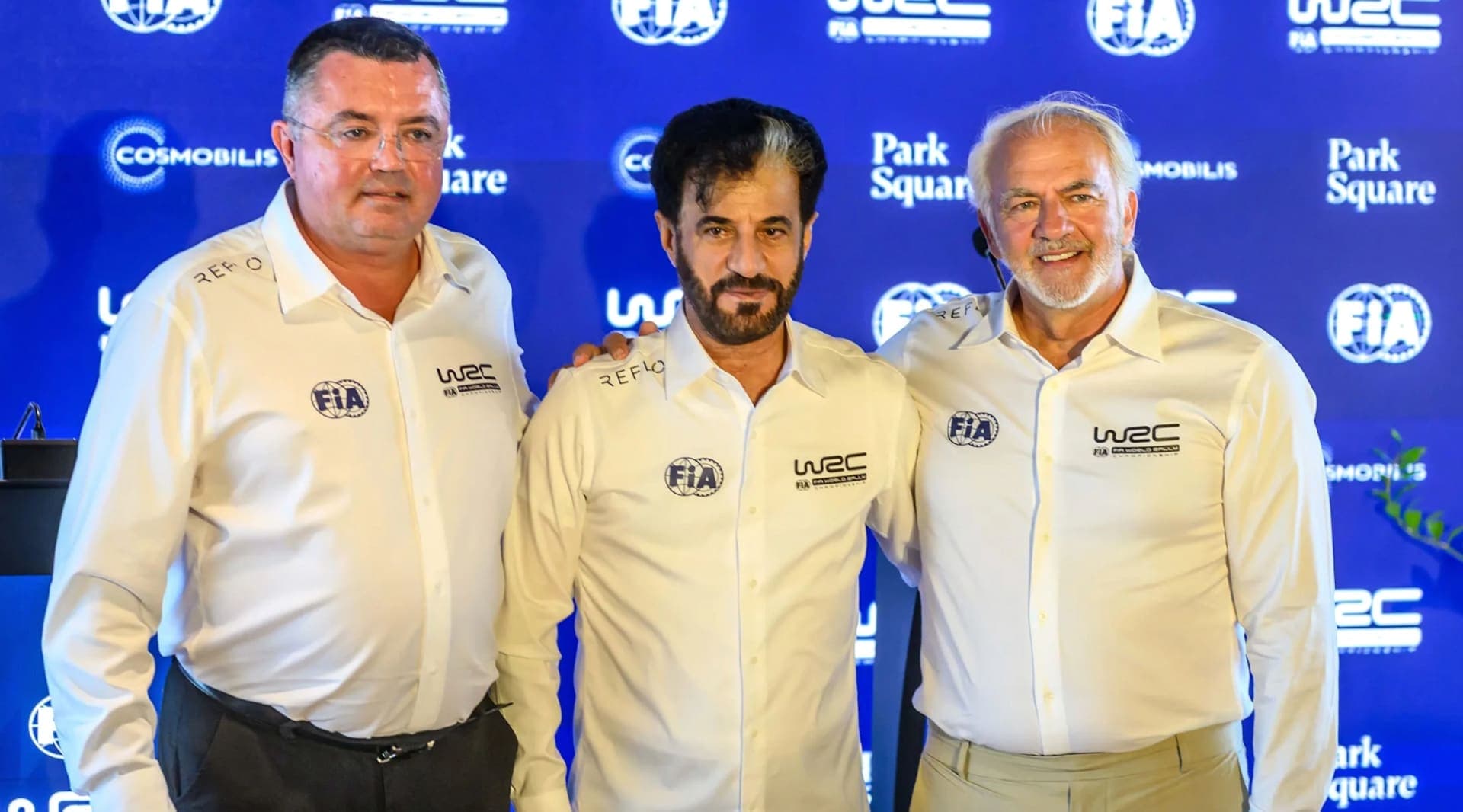
The people who now own rallying spent the weekend in Encarnacion with a list. Cosmobilis, a French automotive group founded in 2021, and the private credit investor Park Square Capital completed their takeover of WRC Promoter on 31 July, buying the commercial rights to both the World Rally Championship and the European Rally Championship. The FIA called it the biggest deal in the history of either series.
Rally Paraguay was the first round where Eric Boullier, the former Lotus and McLaren Formula 1 boss now running the promoter, had to say what he intends to do with them. He opened by ruling something out. “We will never ever change the DNA of rally,” he said. Almost everything he described afterwards sits around that DNA rather than inside it.
Everything that happens between the stages
The most visible change is to the service park, which will be rebranded as the WRC Arena. Boullier wants it to stop being a working paddock that fans are tolerated in and start being somewhere people choose to spend a whole day, with real hospitality and a steady stream of content coming out of it. “We want to make a place where people want to be,” he said.
The second is the media operation. His complaint is that the championship talks almost exclusively to people who already love it. “We need to be more present on social media, we need to be able to catch a new audience in the future, which is not only a hardcore audience,” he said. Broadcast production is due to be rebuilt around viewers who will never stand in a Finnish forest at six in the morning.
Sundays get simpler on purpose
Event formats change too. The plan borrows the single-stage Sunday already used in Finland and Estonia, where a rally ends with one long, well-placed test instead of a scattered loop that is close to impossible to follow from a sofa or reach on foot. It is a small structural edit with a large effect on both broadcasting and spectating, and it is exactly the kind of thing a promoter can fix without touching the sporting rules.
The calendar is not being cut down either. Boullier is holding at 14 to 15 rallies across Africa, Asia, South America and Europe, and wants the WRC spoken about in the same breath as Formula 1.
The cars behind it cost half as much
None of this arrives alone. The WRC27 technical rules, signed off before the sale went through, replace Rally1 with space-frame cars running Rally2 engines, gearboxes and brakes, capped at €345,000 and aimed at roughly 300 hp and 1,230 kg. That is about half of what a top-level rally car costs today, and the homologation cycle runs for ten years instead of five.
Tuners as well as manufacturers may build chassis, and the silhouette freedom means an SUV such as M-Sport’s Ford Puma and a conventional B-segment hatchback can both be made to fit. Current Rally2 cars will race alongside the new machinery in the top class, which is the FIA quietly admitting that a full grid matters more than a pure one.
The number the whole thing rests on
Three manufacturers currently run factory cars: Toyota, Hyundai and M-Sport Ford. Boullier says he expects more commitments to be announced soon, and the pitch is stability rather than glamour: a decade-long FIA commitment to the platform, halved budgets, and rules loose enough to let a brand show off something recognisable from its showroom.
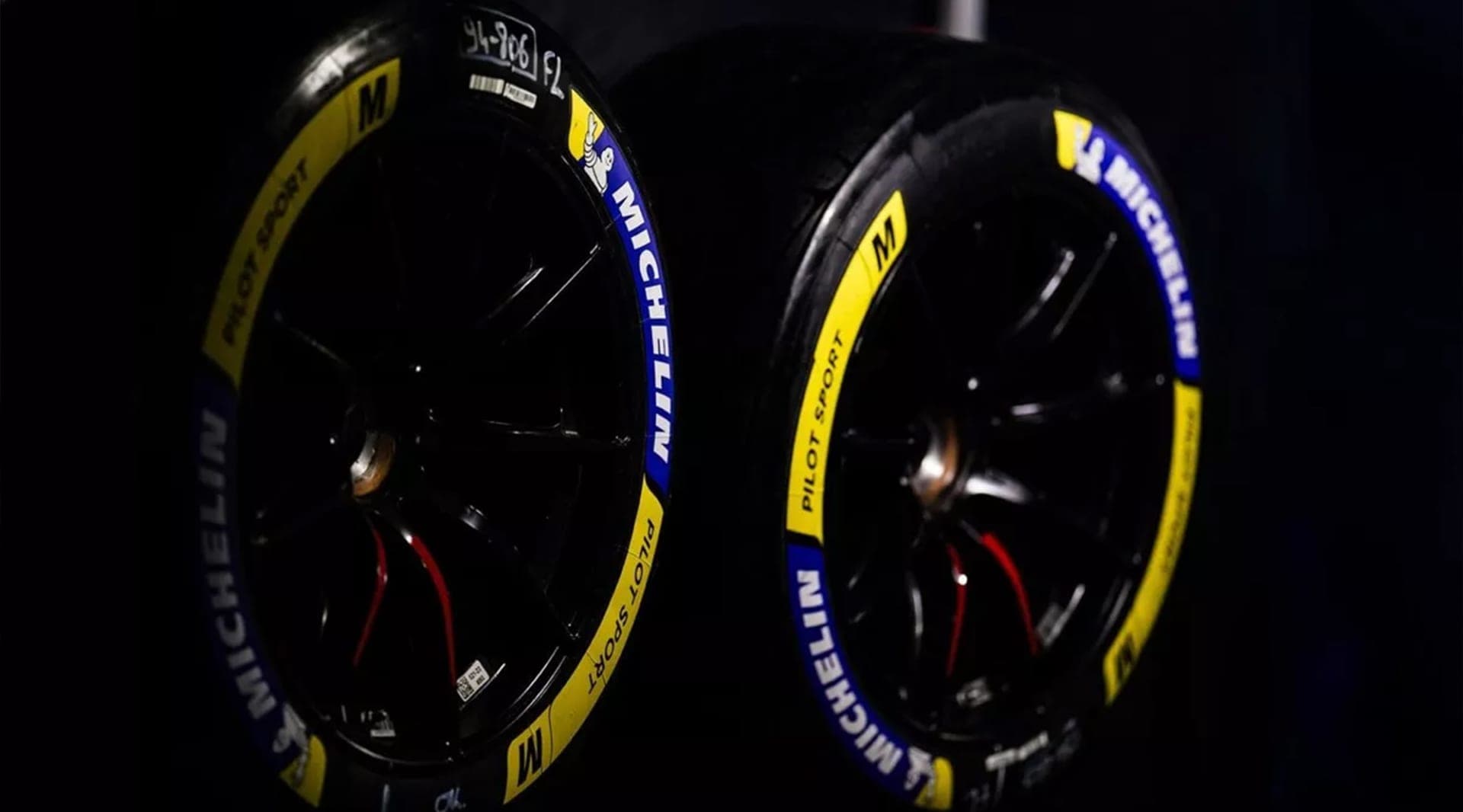
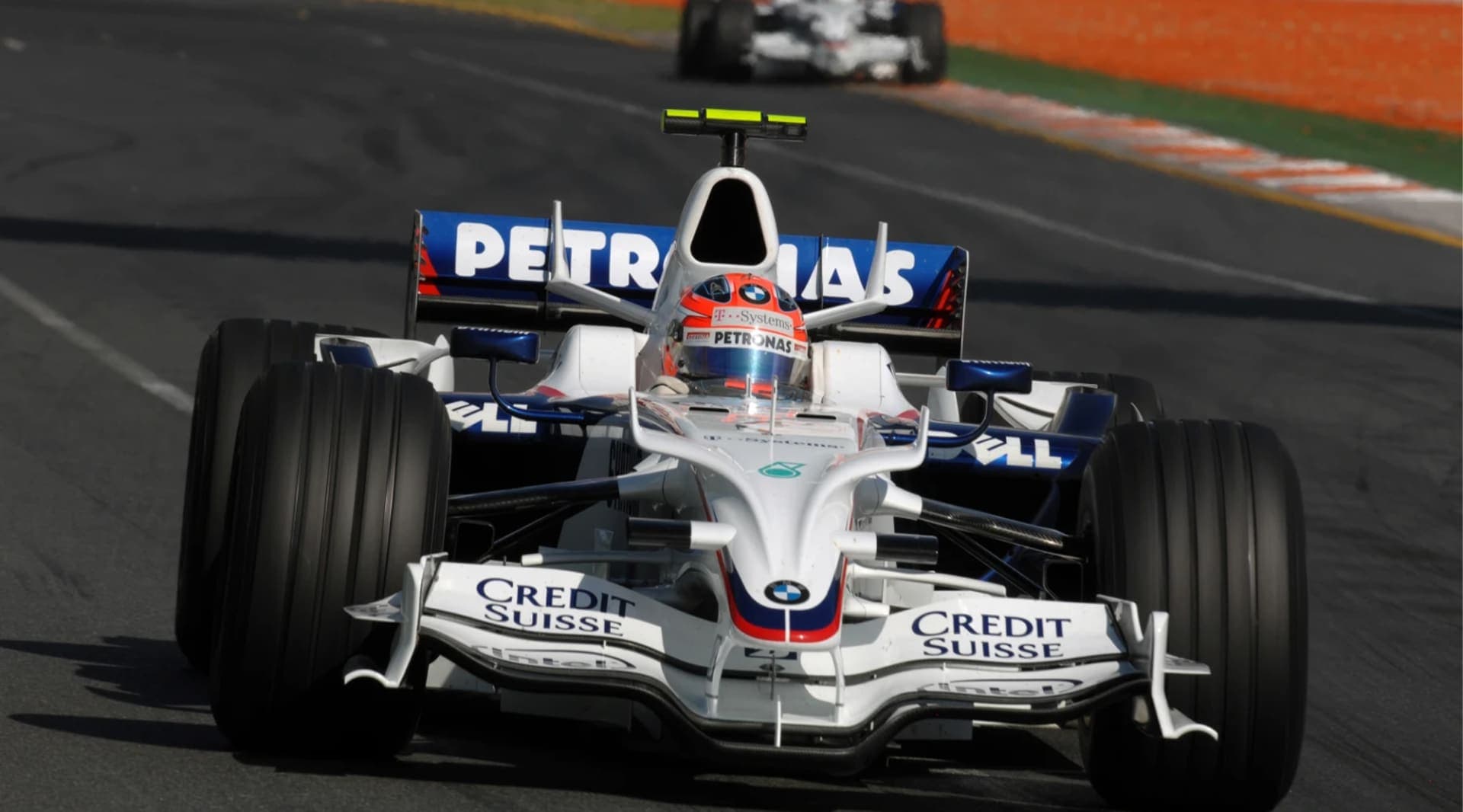
That pitch lands in a market where manufacturers have become ruthless about where they spend. BMW keeps refusing Formula 1 outright, while Peugeot has doubled down on Le Mans for 2027. Motorsport’s commercial deals are getting longer and more defensive at the same time, as Michelin’s tyre contract running to 2032 showed. Rallying is now chasing the same signatures with a cheaper offer.
Free to watch is the hardest promise to keep
The awkward part is that rallying’s single biggest advantage is that it costs nothing to attend. Boullier says events will stay free to spectators wherever possible, with park-and-ride systems to move the crowds around. That is an unusual thing to promise in the same breath as a plan to grow commercial revenue, because the standard route to the second is to fence off the first.
AutoNext Take
Boullier’s opening line was the right one, and also the easy one. Nobody buys the World Rally Championship in order to make it less like rallying. The real question is whether an owner who talks about arenas, influencers and new audiences can resist the logic that made Formula 1 rich: take a sport that happened in public, then sell access to it. Rallying’s oldest asset is that a family can stand on a bank in the Ardennes or above Ourense for nothing and watch a factory car arrive at 160 km/h.
The timing is better than the scepticism suggests. Cheaper cars land in 2027, the FIA has committed to the formula for ten years, and rallying has spent a decade being told its problem was cost rather than appeal. If the new owners spend their first full season fixing how the sport is filmed and where people are allowed to stand, rather than what those people are charged, this will be the most useful thing to happen to the WRC in twenty years.