Xiaomi sent its 1,003 hp SUV around the Nurburgring with no one inside
The scariest corners in motorsport, tackled entirely by code
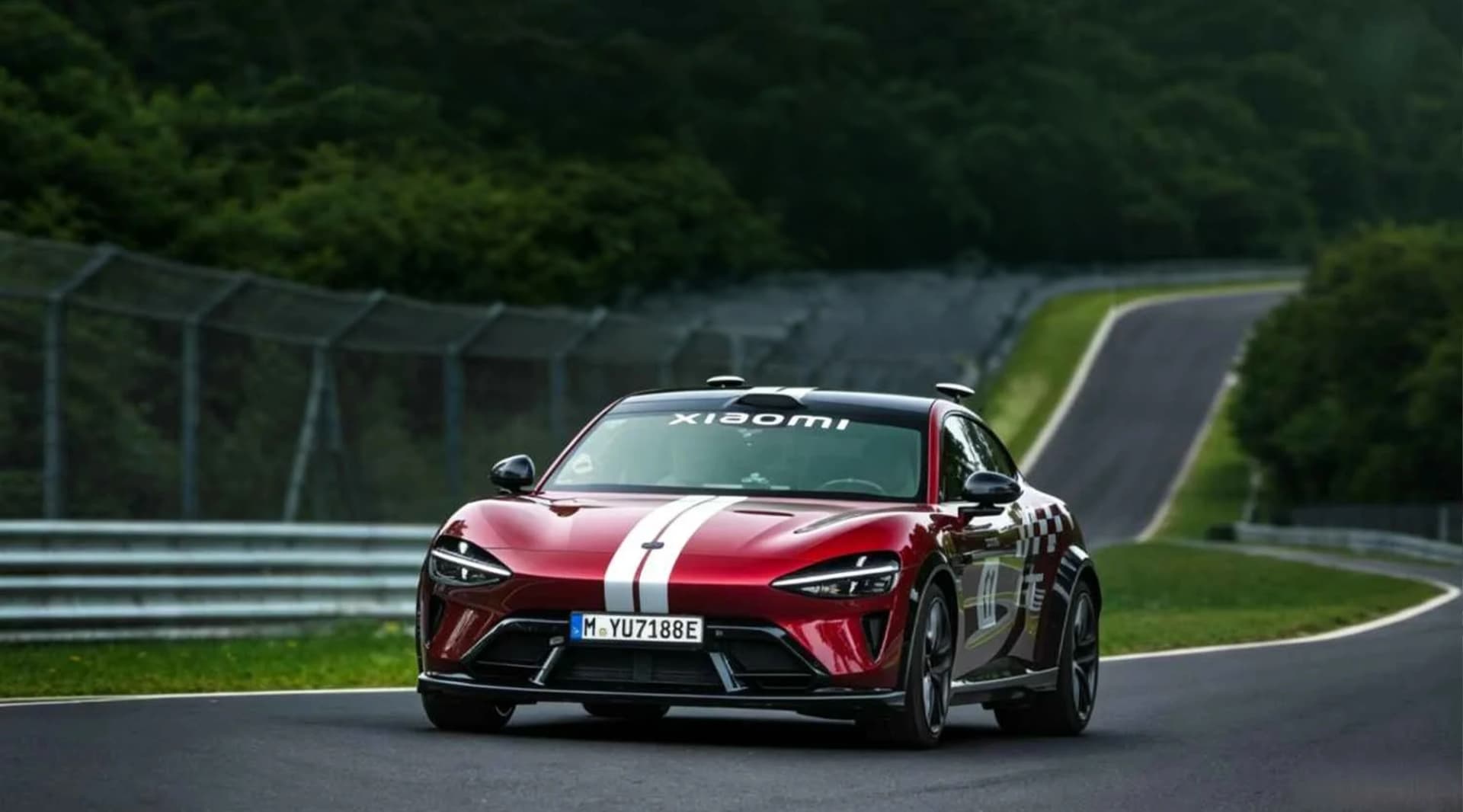
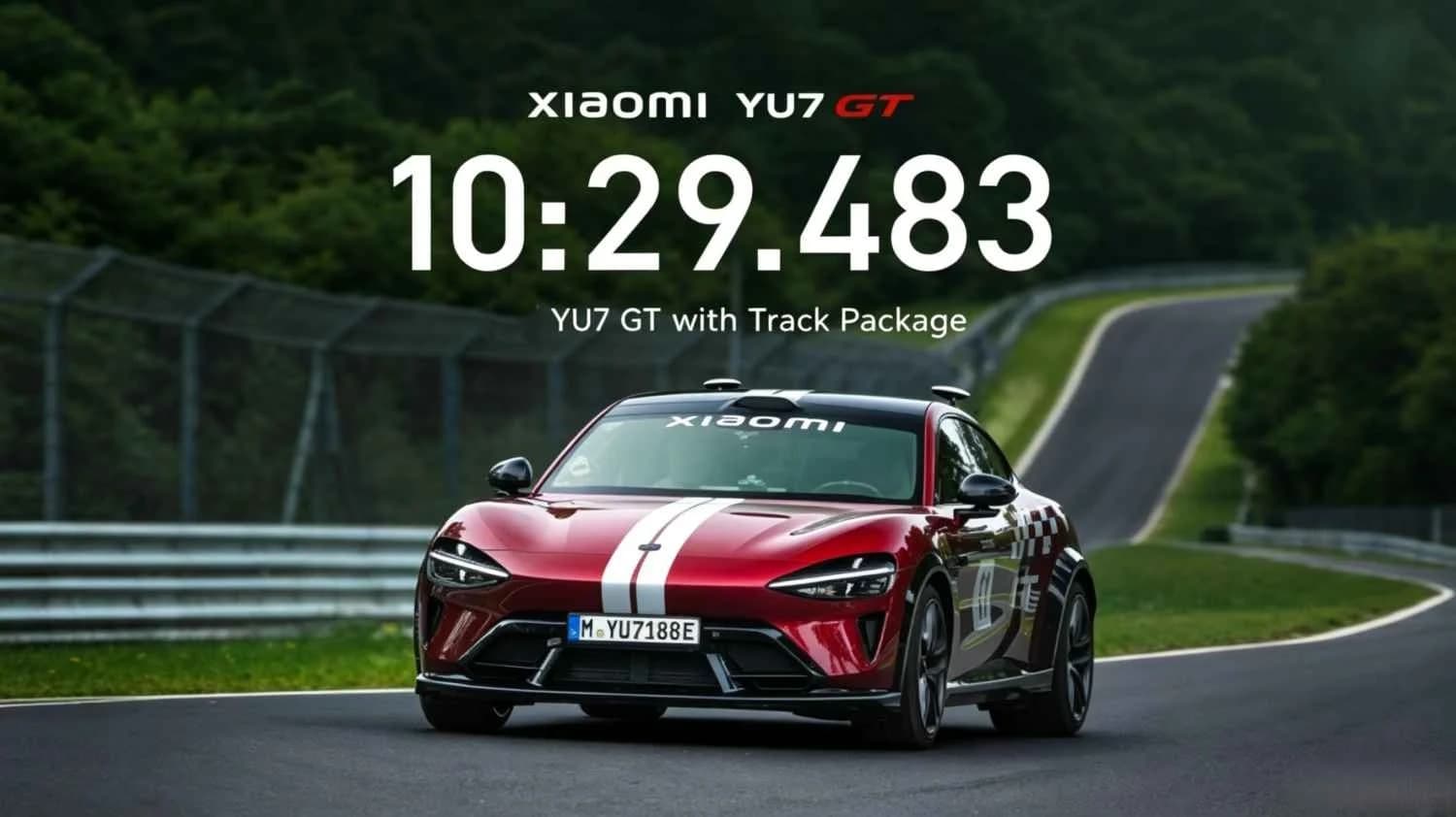
A car has lapped the Nurburgring Nordschleife with nobody behind the wheel. Xiaomi's YU7 GT, a 1,003 hp electric SUV, has completed what is claimed to be the world's first fully autonomous lap of the legendary German circuit, navigating all 20.8 km on software alone in 10 minutes and 29.483 seconds.
Slow time, huge achievement
Let us be clear about the lap time: 10 minutes and 29.483 seconds is more than three minutes slower than a skilled human would set in the same car. But raw pace was never the point. The significance is that the YU7 GT drove the entire Nordschleife, with its blind crests, off-camber corners and brutal elevation changes, with no human intervention at all. The Nurburgring is the most demanding proving ground in the world, and having a self-driving system survive a full lap there is a serious technical statement.
What the YU7 GT is
Beneath the autonomous tech sits a seriously potent machine. The YU7 GT is a performance electric SUV producing 1,003 hp, built on an advanced 897V silicon carbide high-voltage platform with a 101.7 kWh battery. It sprints from 0 to 100 km/h in 2.92 seconds, reaches an electronically limited top speed of around 300 km/h, and offers up to 705 km of range. These are flagship-rivalling numbers from a company most people still associate with smartphones.
Why it matters beyond the headline
A driverless Nurburgring lap is a marketing spectacle, but it is also a genuine benchmark. If autonomous software can read and react to the Nordschleife, the hardest sequence of corners in regular use anywhere, it suggests the underlying systems are maturing quickly. Xiaomi is only a few years into building cars, and demonstrating this kind of capability is a pointed signal of how fast Chinese tech firms are closing the gap on established autonomous-driving developers.
AutoNext Take
It is easy to roll your eyes at yet another Nurburgring stunt, but this one genuinely earns attention. A slow lap with no driver is far more impressive than a fast lap with a brave one, because it proves the software can handle the unpredictable rather than just chase a number. The slightly unsettling part is what it represents: a smartphone company sending a 1,003 hp SUV around the most fearsome track on earth, unmanned, only a few years after entering the car business. Whatever you think of autonomous driving, that pace of progress is impossible to ignore, and Europe's established players should be paying very close attention.