ZF's repair kits stop a worn bearing killing an EV drive unit
Six million electric motors later, ZF has decided a bearing is not a write-off
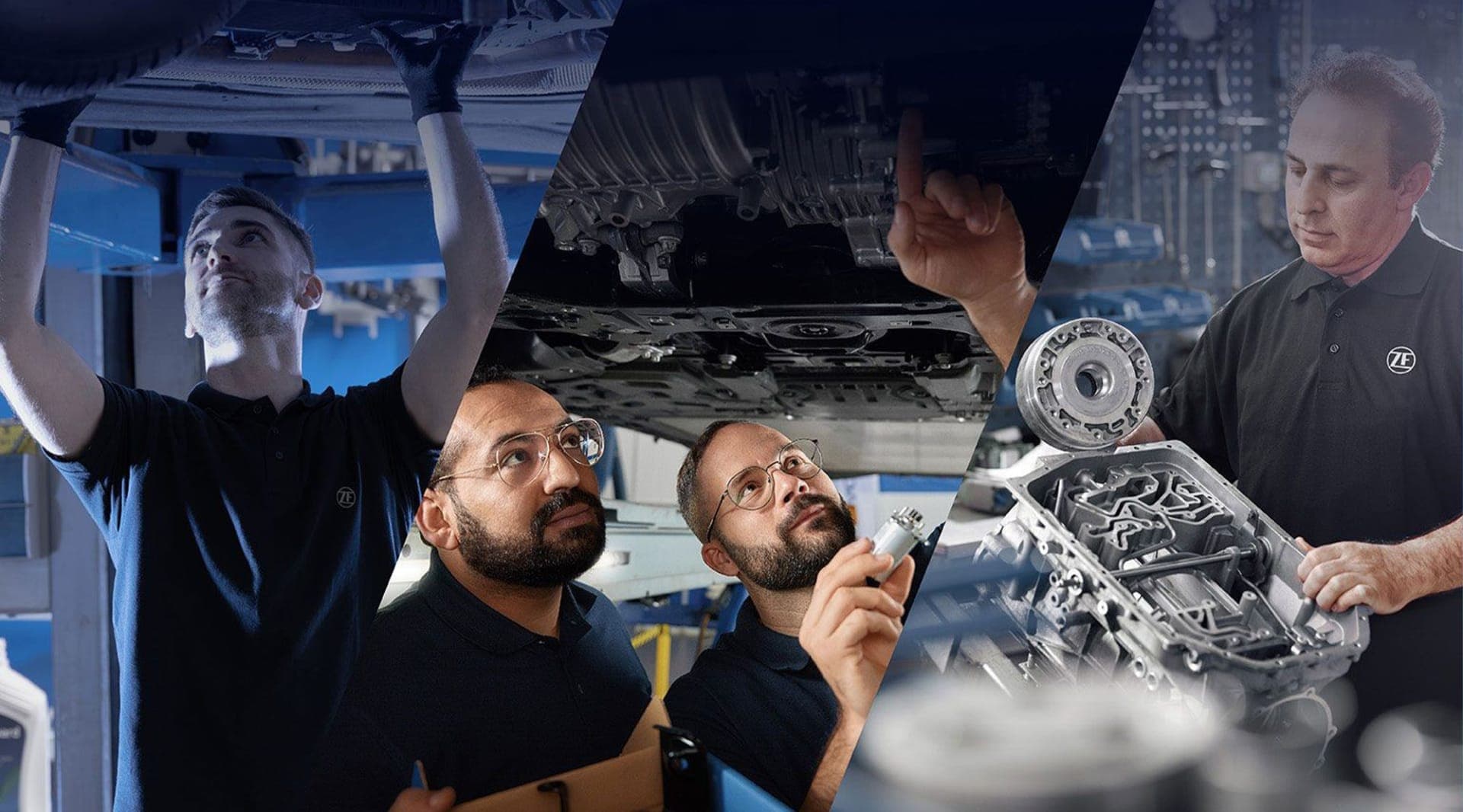
ZF has built more than six million electric motors for other people's cars, and it has watched the industry treat almost every fault inside them the same way: replace the drive unit. At Automechanika Frankfurt, the trade fair that runs until 12 September, its aftermarket arm started selling the parts to do something smaller and cheaper instead, along with the training to go with them.
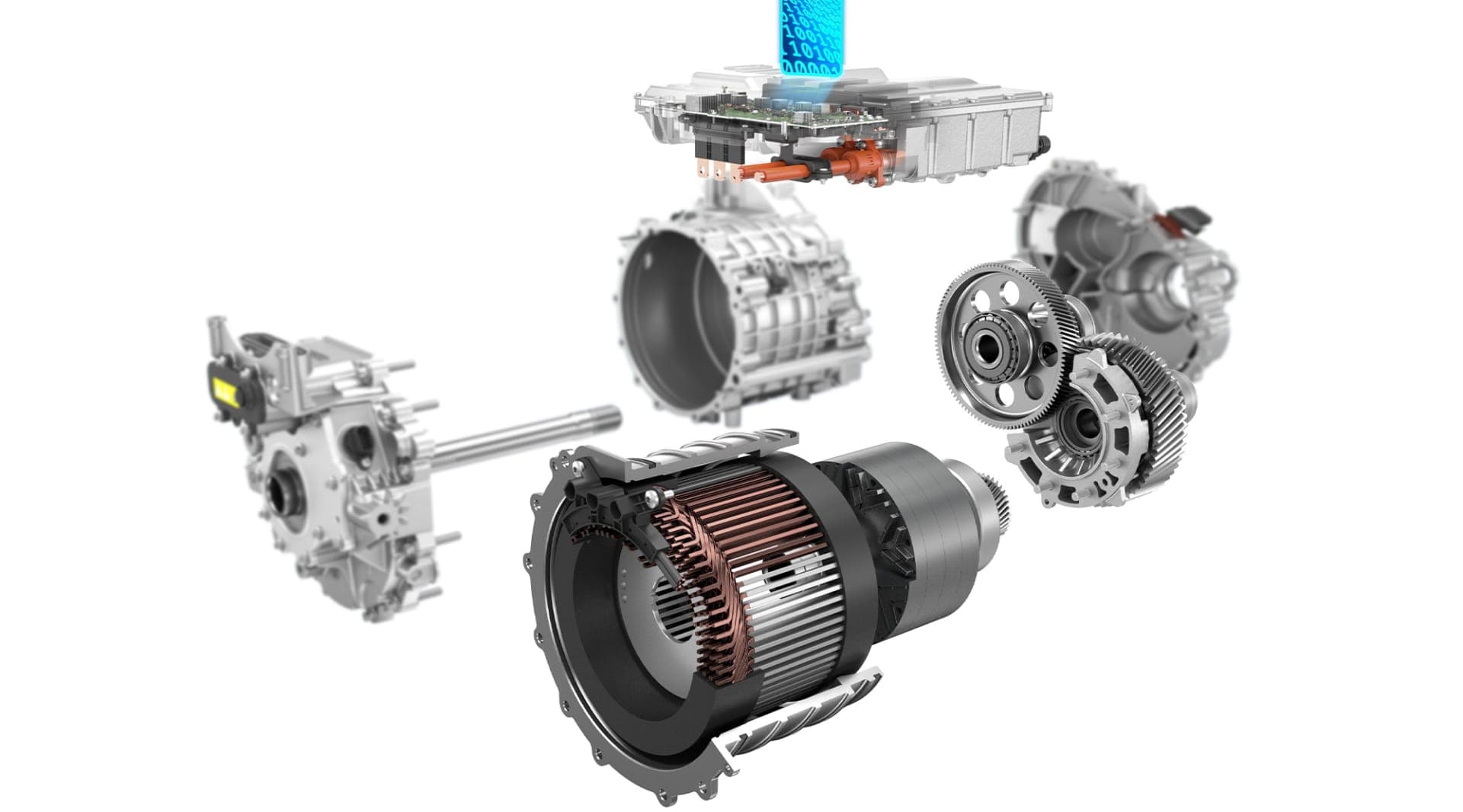
Repair Kit RD supplies the bearings inside an electric drive unit
The Repair Kit RD covers the reduction gearbox between an electric motor and the wheels, the part that trades motor speed for torque. Its shafts turn on bearings, and bearings fail from poor lubrication, contamination or misalignment long before the motor itself gives up. Until now a worn one usually condemned the complete drive unit. ZF is selling the bearing components on their own, with the technical documentation a workshop needs to judge whether the repair is worth doing at all.
Three more kits go after ZF's 8HP hybrid automatic
Kit EM bundles the rotor and stator for the second-generation hybrid module built into 8HP transmissions, the automatic ZF supplies to BMW, Jaguar Land Rover and Stellantis among others. Kit IN is an all-in-one box for inverter failures in the fourth-generation hybrid 8HP, covering the power electronics that turn the battery's DC into the AC an electric motor actually runs on. Kit ME supplies remanufactured mechatronics for the same gearbox, taking that catalogue to around 600 part numbers inside a total of roughly 2,400 remanufactured transmissions.
ZF's EV parts range covers 92 percent of Europe's top 20 electric cars
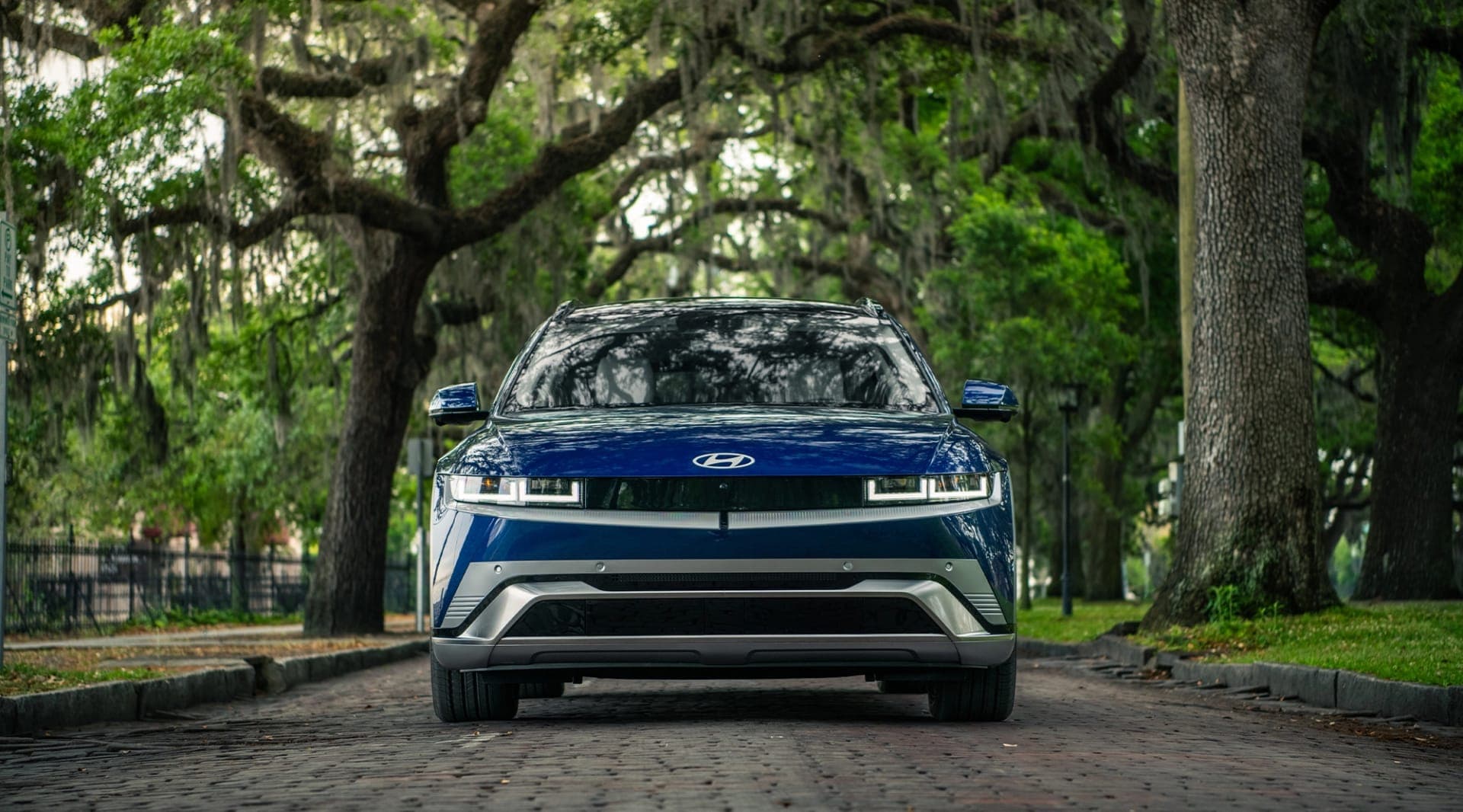
Coverage is the number that decides whether an independent garage can take electric work at all, and ZF puts its own at about 92 percent of Europe's 20 most common electric models, spanning brakes, steering, suspension, dampers, e-drive fluids and now drivetrain repair. It runs the high-voltage training through its e-Power Expert programme, because parts are useless to a technician who is not certified to open a live pack. The ageing parc is the point: a Hyundai Ioniq 5 that still held 93 percent of its battery after 150,000 km has a decade of servicing ahead of it, and most of that will happen outside a franchised dealer.
Chinese brands get 200 catalogue references and 30 percent coverage by 2027
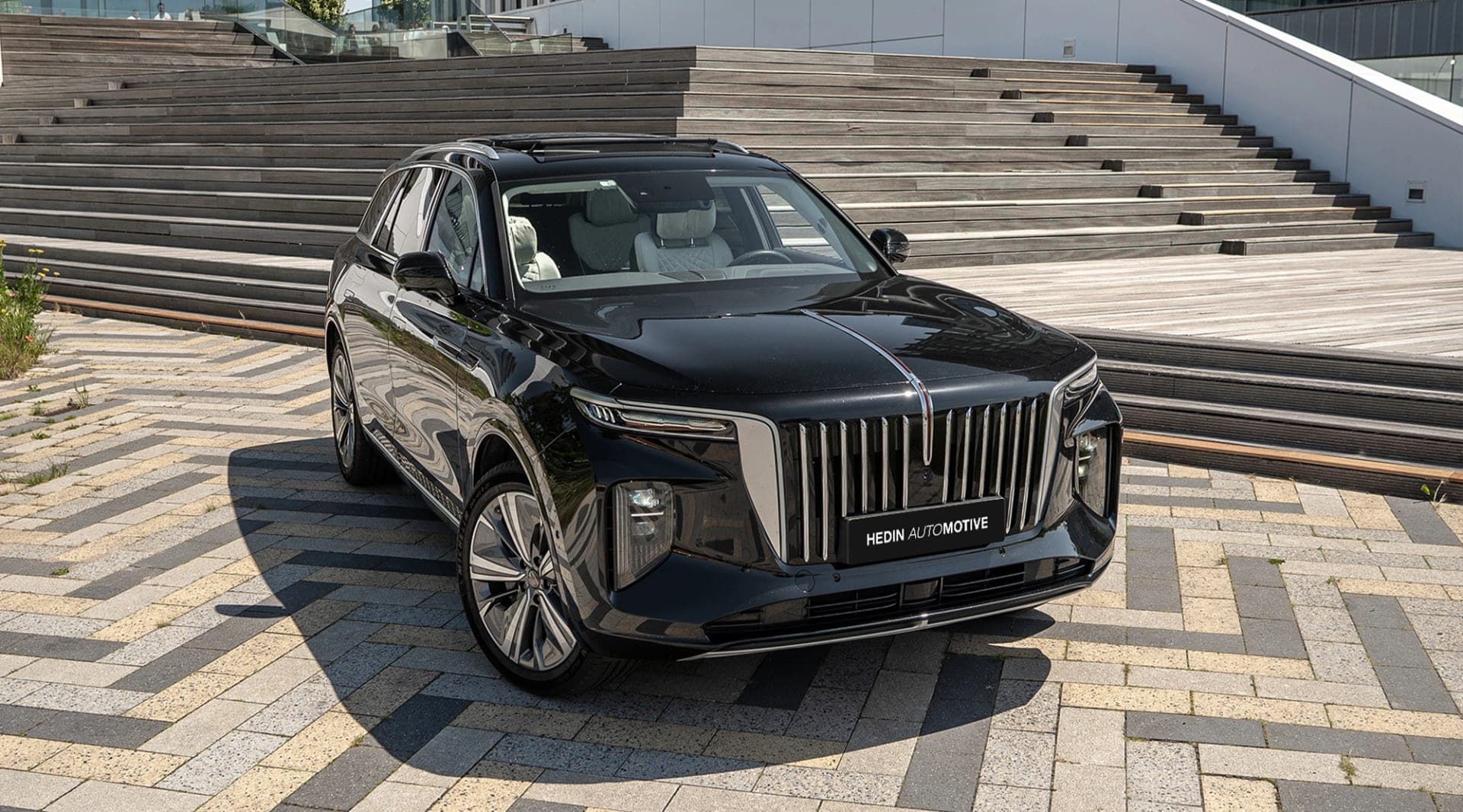
The gap is at the bottom of ZF's own announcement. Its European catalogue for Chinese brands will hold up to 200 references by the first quarter of 2027, and by the end of that year it wants the ten most popular Chinese models in Europe covered, reaching roughly 30 percent of workshop demand. That is a long way short of 92 percent, and it applies to the fastest-growing part of the parc: Leapmotor alone outsold Porsche in Europe over the first half of 2026.
ZF has published no prices and no vehicle list
What ZF has not said is which cars the kits fit, what they cost, or how many hours a bearing job takes. Without those three numbers a workshop cannot quote and an owner cannot weigh a repair against a replacement, which is the difference between a catalogue and a working repair economy. It is also where the money sits, because a car that can only be fixed by swapping whole assemblies is a car an insurer writes off sooner. Dutch insurer Univé restricted cover on several Chinese models this summer for close to that reason.
AutoNext Take
ZF's own two figures make the argument for it. About 92 percent coverage of Europe's established electric cars against roughly 30 percent of workshop demand for Chinese ones by the end of 2027 means a European independent will spend the next two years able to fix a Volkswagen ID.3 and unable to touch the car parked beside it. The independents are not losing electric work to complexity. They are losing it to a parts catalogue that has not caught up with what Europeans are buying.
The test is dated, and it is ZF's own: 200 references by the first quarter of 2027, ten models by the end of it. Hit both and the independent aftermarket keeps pace. Miss them, and every Chinese EV registered in Europe this year becomes a franchised-dealer customer for as long as it runs, which suits the brands selling those cars far better than the people driving them.
Follow us on Google News.
Set AutoNext as your preferred source on Google Discover.