A big Dutch insurer won't fully cover these Chinese cars, and it is a warning for all of Europe
Buying the cheap Chinese EV is the easy part. Insuring it is where it gets complicated
Europe is being flooded with tempting, well-priced cars from Chinese brands most of us had never heard of two years ago. Now one of the first big warning signs has appeared, and it comes not from a rival carmaker but from an insurer. Univé, one of the Netherlands' largest insurance companies, has decided it will no longer fully insure a whole list of these new brands, and it will not write new policies for some of them at all.
What Univé has actually decided
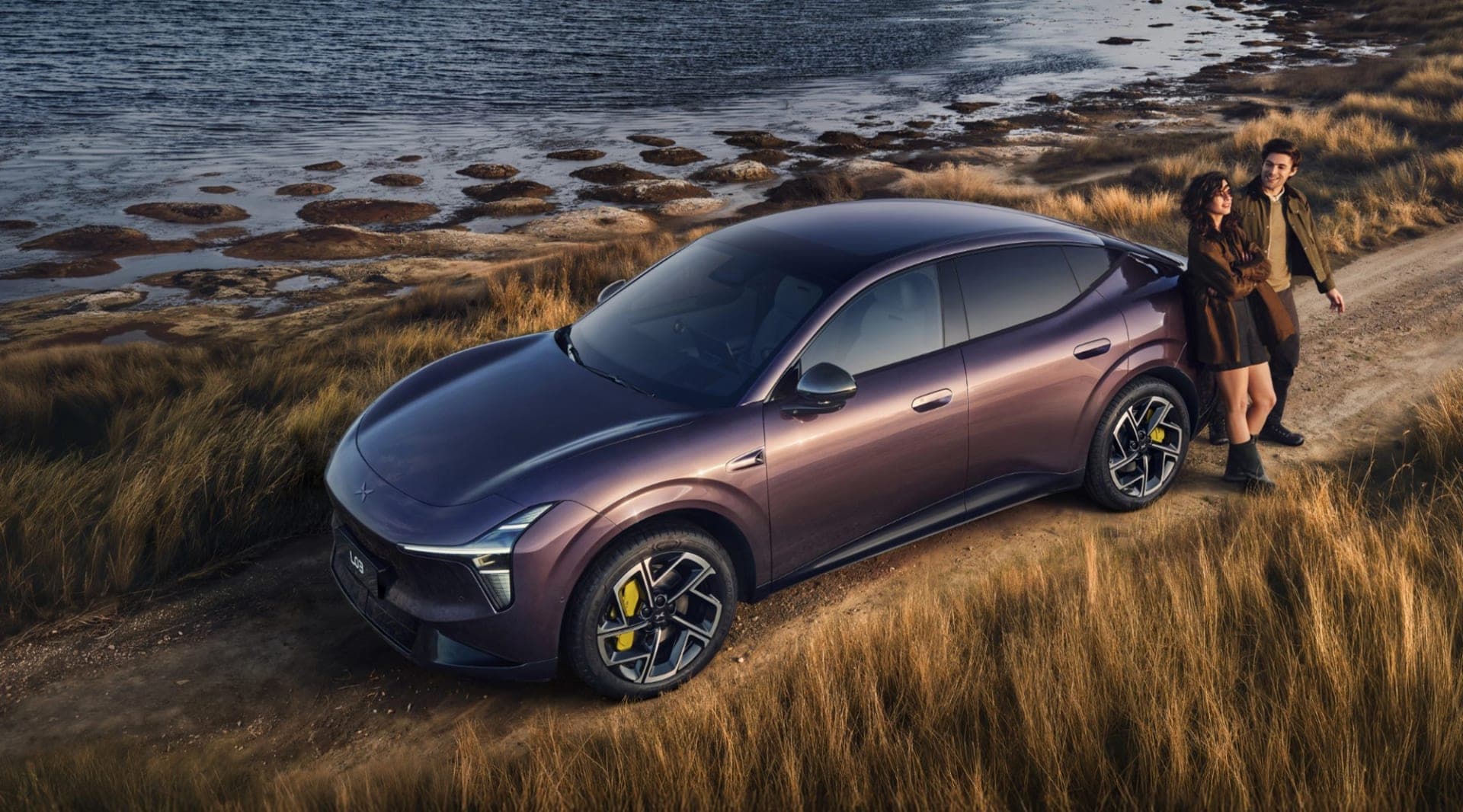
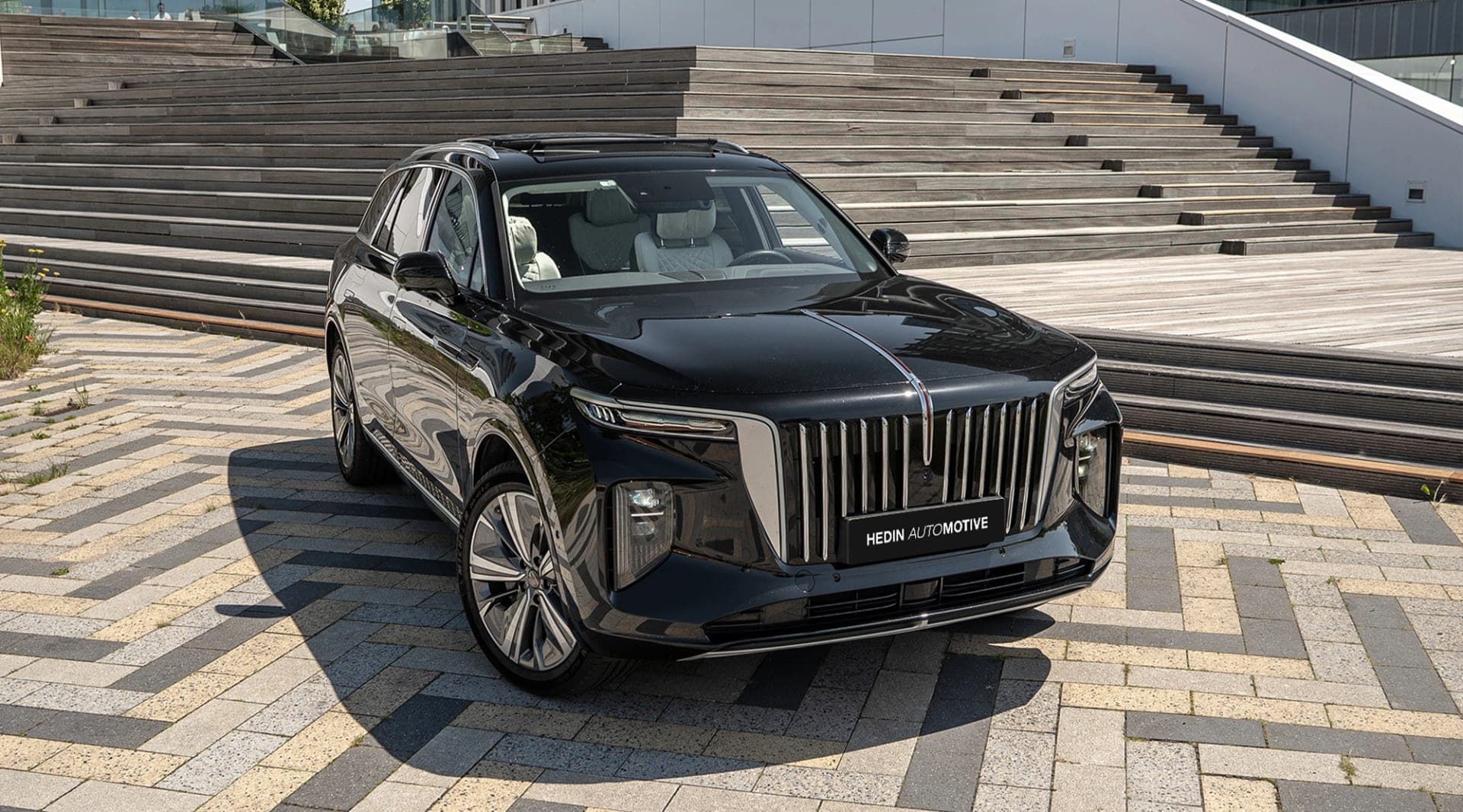
The move, confirmed in mid-August, splits the brands into two groups. For Dongfeng, Nio and Zeekr, Univé will still provide the legally required third-party liability cover, but it has stopped offering comprehensive, all-risk policies. For a longer list of newcomers it will not take on new customers at all: Hongqi, Changan, Voyah, Leapmotor, VinFast, Jaecoo, MHero, Omoda and KGM, the brand formerly known as SsangYong. Some of those, like Chery's Omoda and Jaecoo, are exactly the affordable names now pushing hardest into Europe.
Why: the repair network simply isn't there yet
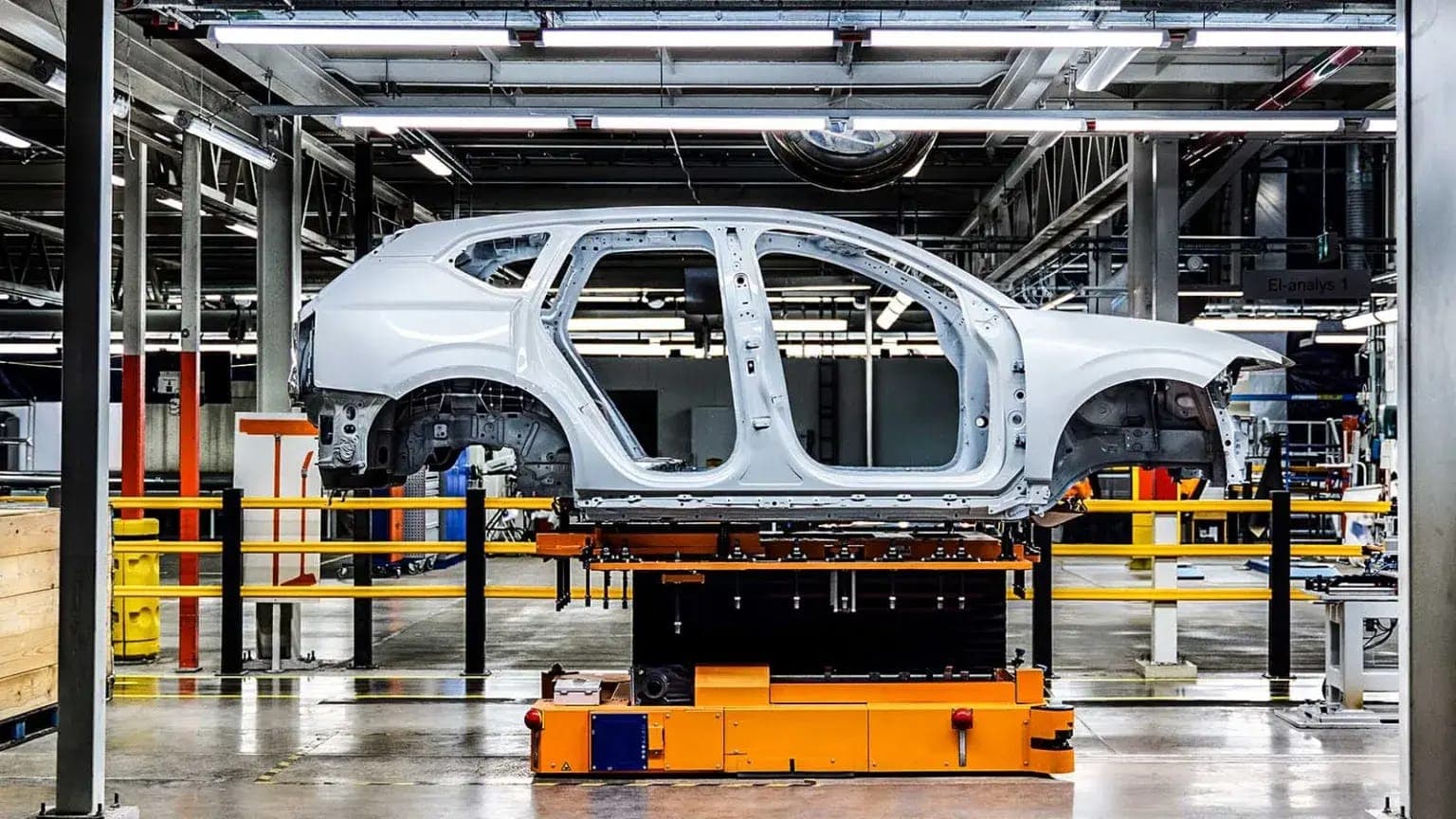
The reasoning has nothing to do with how the cars drive and everything to do with what happens after a crash. "When you have an accident in, say, a Volkswagen, BMW or Renault, there is a gigantic European network of dealers, garages, parts warehouses and suppliers," Univé notes. Many newcomers simply do not have that yet. A lack of spare parts, technical support and a proper repair network means that even minor damage can leave a car off the road for months, and can tip an otherwise lightly damaged car into an economic write-off. For an insurer, that is an unacceptable and unpredictable risk.
Not every Chinese brand, and not forever
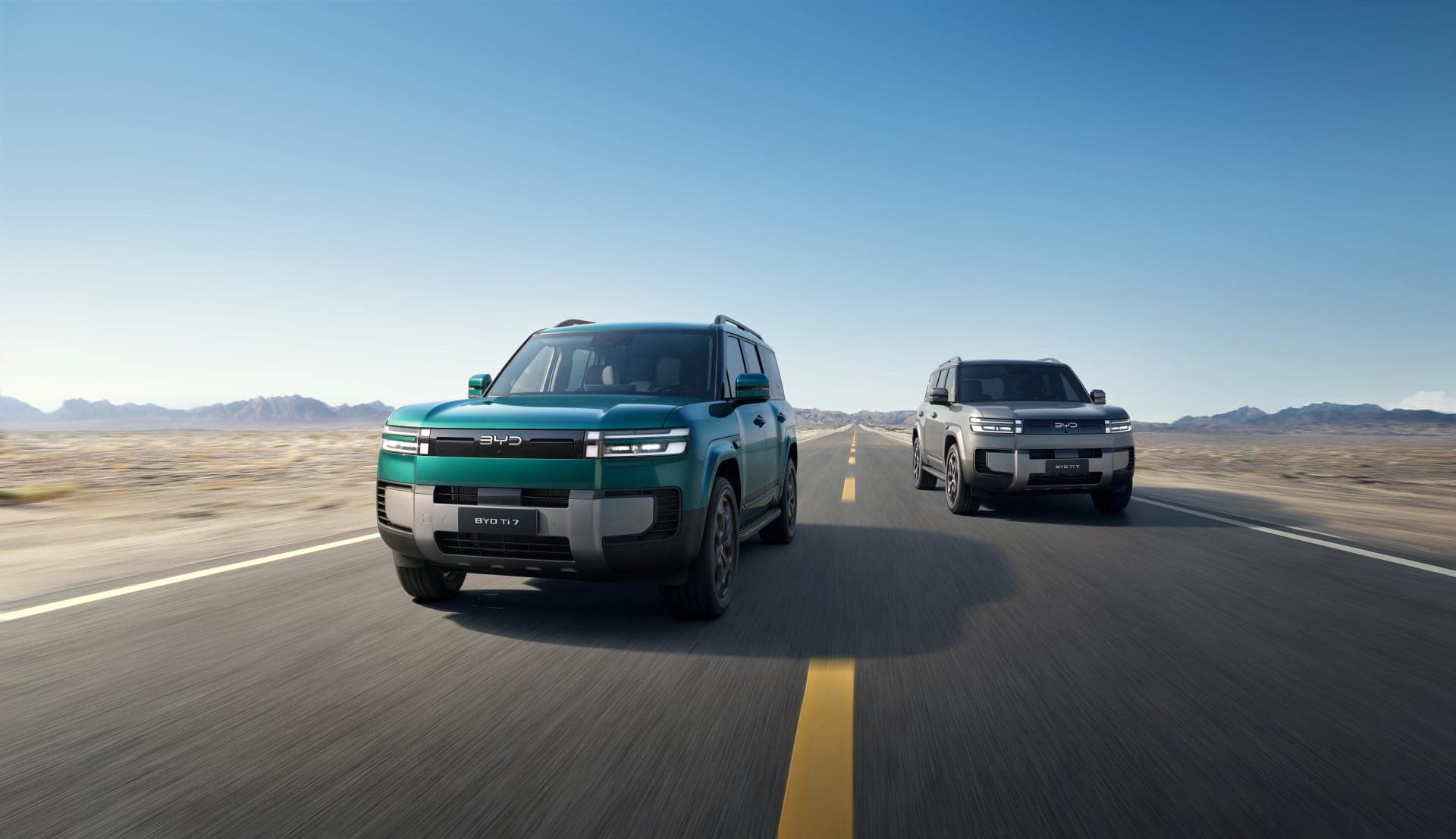
This is important: it is not a blanket ban on Chinese cars. The brands being singled out are the newest arrivals that have not yet built out European service and parts operations. Bigger, more established players such as BYD, which is expanding its European line-up aggressively, along with MG, have spent years putting dealer and parts networks in place and are not on Univé's lists. The insurer has also made clear the decision is reversible: if these brands invest in aftermarket support in Europe, cover can return.
Why it matters far beyond the Netherlands
It is tempting to file this as a Dutch quirk, but the underlying problem is European. The parts-and-repair gap exists in Belgium, Germany, France and everywhere else these cut-price newcomers are landing, and insurers everywhere run the same maths. The UK is already seeing higher premiums or outright refusals on comparable brands for identical reasons. For anyone across Europe tempted by a bargain Chinese EV, the message is simple: before you sign, check that you can actually insure it comprehensively, and ask what a repair would really involve.
AutoNext Take
This is the unglamorous side of the China wave, and it deserves attention. A car is only as ownable as its repair network, and a headline price means very little if a scraped bumper leaves you carless for three months or your insurer will only offer liability cover. Univé is not being dramatic here; it is doing the boring, sensible arithmetic that every buyer should be doing too.
The smart takeaway is not to avoid Chinese cars, which increasingly range from good to excellent, but to treat aftersales as a core part of the purchase. The brands with real European networks will be fine, and this pressure may be the best thing that could happen to the rest, because nothing forces a carmaker to build a proper parts and service operation faster than being told its customers cannot get insured. Buy with your eyes open, and let the repair network, not just the price tag, guide the decision.