Your warning triangle is now illegal in Spain, and the walk to place it is the reason why
Everything you were taught to do after a breakdown starts by leaving the safest object on the hard shoulder and walking away from it.
A stopped car is a steel box with a crumple zone at each end, hazard lights on all four corners and a passenger cell that thirty years of regulation has aimed at exactly one scenario, which is being hit. The moment you open the door and set off up the shoulder with a red triangle, you have traded all of that for a nylon vest and a metre of painted line. Almost every European breakdown drill still contains that walk, because the triangle was designed for a road with less traffic, slower closing speeds and no way of telling anyone where you were, and it has outlived all three conditions. Spain has stopped pretending otherwise. On 1 January 2026 it made the triangle legally worthless on Spanish-registered vehicles and replaced it with a beacon you activate through the window, and it did that because its casualty statistics kept recording the same death over and over: not a collision between two moving cars, but a person on foot next to a live carriageway. What follows is what each country now expects of you, and the order to do it in during the ninety seconds after you come to a stop.
Spain's V16 beacon reports its own position, and carrying nothing costs 80 euros
Since 1 January 2026 every Spanish-registered car, van, lorry and bus has to carry a DGT-approved connected V16 beacon, and the warning triangle is no longer an accepted alternative on any Spanish road. The device is a yellow lamp you reach out of the window and drop onto the roof, where a magnet holds it, and it flashes an amber signal through a full 360 degrees that carries up to a kilometre in clear air. What separates the 2026 version from the beacons sold before it is a sealed SIM card and a GPS chip, because a connected V16 reports its own position to the DGT 3.0 traffic platform the second it lights up, which pushes a live warning into navigation apps, into other cars and onto the gantry signs upstream of you. Unconnected beacons are out along with the triangle, and the fine for carrying neither is 80 euros, which is precisely what the missing triangle used to cost. The change did not arrive without warning either: from 1 July 2023 Spain had already excused drivers from setting the triangle out on autopistas and autovías, having concluded that placing it was more dangerous than doing without it.
The figure that ended the argument was 22 people a year, all of them on foot
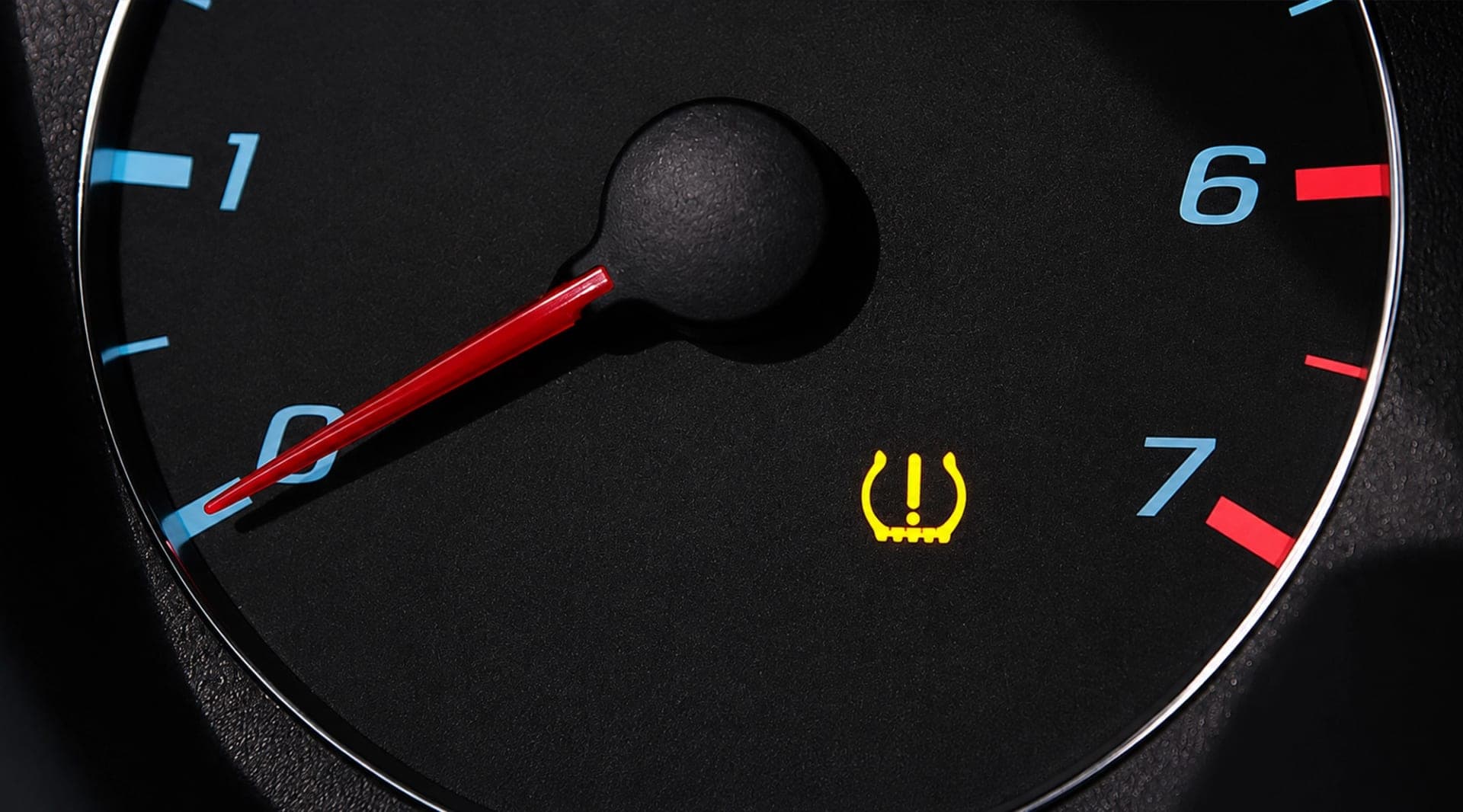
When the DGT justified dropping the triangle it published the number it had been sitting on: over the previous five years an average of 22 people a year died in Spain after getting out of their vehicle and being struck. That is a small number until you notice what it is not. These were not high-speed collisions between moving cars, they were pedestrians standing in the one place on a motorway where nobody expects a pedestrian, and a good share of them were doing exactly what the law told them to do. The trigger is rarely dramatic. Most stops on a hard shoulder begin with a tyre or a flat battery rather than a crash, which is why the tyre pressure warning light deserves more respect than a quick reset, and why a slow puncture noticed in a car park is worth more than any roadside drill. The lesson Spain drew is blunt: the safest warning device is the one that does not require a human being to walk anywhere.
Germany wants the triangle 150 metres back, and the roadside posts measure it for you
Section 15 of the German Straßenverkehrs-Ordnung requires a stranded vehicle to be secured at a sufficient distance, and ADAC translates that vague wording into numbers most drivers get badly wrong: roughly 50 metres in town, about 100 metres on a country road, and between 150 and 400 metres on the Autobahn. You do not have to guess, because the white and black delineator posts along the verge stand exactly 50 metres apart, so four posts is 200 metres and a properly placed Autobahn triangle is at least three of them behind you. Distance is not the only rule that gets ignored. If there is a bend or a crest inside that stretch, the triangle belongs before it rather than after it, because a warning nobody sees until they are on top of it is not a warning. And the walk itself has a correct form: behind the barrier wherever one exists, facing the traffic, carrying the triangle open in front of you so it is already doing its job while you move. Germany also requires one high-visibility vest per vehicle for the driver under section 53a of the vehicle licensing regulations, a rule in force since July 2014, and it should be within reach of the driver's seat rather than in the boot, because the boot is outside.
France keeps the vest in the cabin, Britain bans the triangle on motorways, and the Netherlands asks for nothing
The equipment map of Europe is more varied than the average glovebox suggests. France requires both a triangle and a vest, and is specific that the vest has to be inside the cabin, since a driver reaching into the boot on a motorway shoulder is the exact risk the rule exists to prevent. Belgium requires the triangle and the vest as well, with the vest again in the cabin, and it is worth carrying one per seat rather than the single legal minimum. Italy demands a vest for anyone stepping out of the car outside built-up areas, Austria requires the triangle plus a driver's vest and a first aid kit to ÖNORM standard, Portugal wants the vest worn on motorways, and Spain now expects anyone who sets foot on the carriageway to be wearing one. Britain is the outlier in the other direction: rule 274 of the Highway Code tells you not to use a warning triangle on a motorway at all, on the same reasoning Spain has now written into law. The Netherlands asks for neither by law, which surprises most visitors, though the obligation to warn other traffic still applies and every Dutch motoring club tells you to carry both anyway. Foreign-registered cars in Spain may keep using whatever their home country requires, so a Belgian or German driver heading south does not have to buy a V16, but the beacon is a genuinely better tool than the triangle and it costs less than a tank of fuel.
Leave by the passenger door and stand behind the barrier, further back than feels natural
The order matters more than the equipment. Hazard lights go on as you are still slowing, the car goes as far onto the shoulder or the verge as it will go with the wheels turned away from the carriageway, and the vest goes on while you are still sitting down. Then everybody leaves through the passenger side, including the driver, and everybody walks up the bank and behind the barrier. Two details are worth memorising because instinct gets them wrong. Stand well back from the car rather than beside it or in front of it, because a driver who fixates on your hazard lights will steer straight at them, and debris from that impact travels forwards. And never stand between your car and the traffic coming towards it, which is where people naturally put themselves when they are looking at the damage. Nothing about a roadside repair is worth the risk of doing it there, including changing a wheel on the traffic side, and animals should either stay in the car or come out on a lead, never loose. If your stop was caused by hitting something rather than by a failure, the same position applies before you deal with any of the paperwork, and there are specific rules about what you must report after hitting an animal in most of Europe.
Your car has been able to call 112 by itself since 31 March 2018
Every new car type approved in the European Union from 31 March 2018 carries eCall, which is the single most useful piece of safety equipment most owners have never knowingly used. In a serious impact it dials 112 on its own, and it also sits behind the SOS button in the roof console for the times you are conscious and simply cannot say where you are. What it sends alongside the voice call is a small packet of data containing the vehicle's exact position, its direction of travel and its identification number, which removes the part of an emergency call that wastes the most time. The European Commission's own estimate is that it cuts response times by around 40 percent in urban areas and 50 percent in the countryside. On a motorway the orange emergency telephones do the same job by design, since each one identifies its own location and connects you to the road operator rather than a general emergency line, and the arrows on the delineator posts point you to the nearest one. If you are using a mobile instead, read out the number on the nearest marker post, because that is what the operator actually wants. It also matters afterwards: a stranded car that gets hit while nobody is inside it usually ends up as a total loss, and the figure your insurer puts on a written-off car is an opinion you are allowed to challenge.
What to actually do
Nine steps in the order they need to happen, and the first three take place before anyone opens a door.
Hazard lights on the moment you know you are stopping, not once you have stopped.
Get as far off the carriageway as the car will go, turn the wheels away from the traffic and leave the steering pointing away in case of an impact.
Put the vest on while you are still sitting in the car. Keep vests in the door pocket or under the seat, never in the boot.
Everyone leaves by the passenger side, including the driver, and everyone goes up the bank and behind the barrier.
Stand well behind the car, never in front of it and never between the car and oncoming traffic.
Only place a triangle where the country requires it and only if you can walk behind a barrier. On a Spanish or British motorway, do not place one at all.
In Germany count the delineator posts: they are 50 metres apart, so three to four posts back is the right Autobahn distance, and always before a bend or a crest.
Call from behind the barrier using the SOS button, an orange roadside phone, or 112 with the marker post number read out.
Attempt no repairs on the traffic side, including a wheel change, and keep pets on a lead or leave them in the car.
Frequently asked questions
Do I have to buy a V16 beacon before driving to Spain?
No. The obligation applies to Spanish-registered vehicles, and a foreign-plated car may keep using the equipment its own country requires, which for most European drivers means the triangle and the vest. That said, the beacon is the better tool, and if you buy one, buy a connected model that is on the DGT's approved list, because the unconnected versions sold cheaply for years are no longer valid in Spain even for Spanish cars. Keep it where you can reach it from the driver's seat, because the entire point is that you never leave the car to deploy it.
Should I stay in the car or get out?
If you have reached a hard shoulder or a verge, get out on the passenger side and go behind the barrier. A car parked on the shoulder is hit often enough that sitting in it is the higher risk, and the barrier exists precisely to catch what is coming. The exception is a vehicle stopped in a live lane that you cannot leave safely, which is the one case where you stay belted in with the hazards on, call 112 and wait to be told what to do. On a motorway without a hard shoulder, aim for the next emergency refuge area even at very low speed, because a marked refuge is worth far more than a shorter distance.
How far back does the warning triangle really go?
Further than almost anyone puts it. The German guidance is around 50 metres in town, roughly 100 metres on a country road and 150 to 400 metres on a motorway, and the roadside delineator posts are spaced at 50 metres so you can pace it without guessing. If a bend or a brow of a hill falls inside that distance, the triangle goes before it. In Spain the question no longer arises, in Britain the Highway Code tells you not to use one on a motorway, and everywhere else the honest test is whether you can cover the distance behind a barrier. If you cannot, stay behind the barrier and let the hazard lights do the work.
Is a high-visibility vest legally required, and how many?
It depends on the border you last crossed. Germany and Austria require one for the driver, France and Belgium require it and insist it lives inside the cabin rather than the boot, Italy requires it for anyone leaving the car outside a built-up area, Portugal for anyone on a motorway, and Spain expects it on anyone who steps onto the road. The Netherlands requires none at all. Since the legal minimum is a technicality and the practical answer is not, carry one vest per seat and keep them all in the cabin, because a vest in the boot is a vest you have to walk to the traffic side to fetch.
How do the emergency services find me if I do not know where I am?
Three ways, and two of them do the work for you. Any car type approved in the EU since 31 March 2018 has eCall, so the SOS button in the roof console sends your exact position, direction of travel and vehicle identification number to 112 along with the voice call. The orange roadside telephones identify their own location and put you through to the road operator instead of a general emergency number, and the small arrows on the delineator posts point to the nearest one. If you are calling from a mobile, read out the number printed on the nearest marker post, which pinpoints you to within a hundred metres on any European motorway.