Dodge revived the Super Bee, and it is neither electric nor a V8
A muscle car with no V8 and no plug is a very 2026 kind of heresy
Dodge has brought back one of the most hallowed names in American muscle, the Super Bee, and it has done so by breaking two of the genre's oldest rules at once. The 2027 Charger Super Bee is not electric, which is a relief to the faithful. It is also not a V8, which is a shock to them. Under that muscular bodywork sits a twin-turbo inline-six, and the story of how it got there tells you almost everything about where American muscle is in 2026.
What the Super Bee actually is
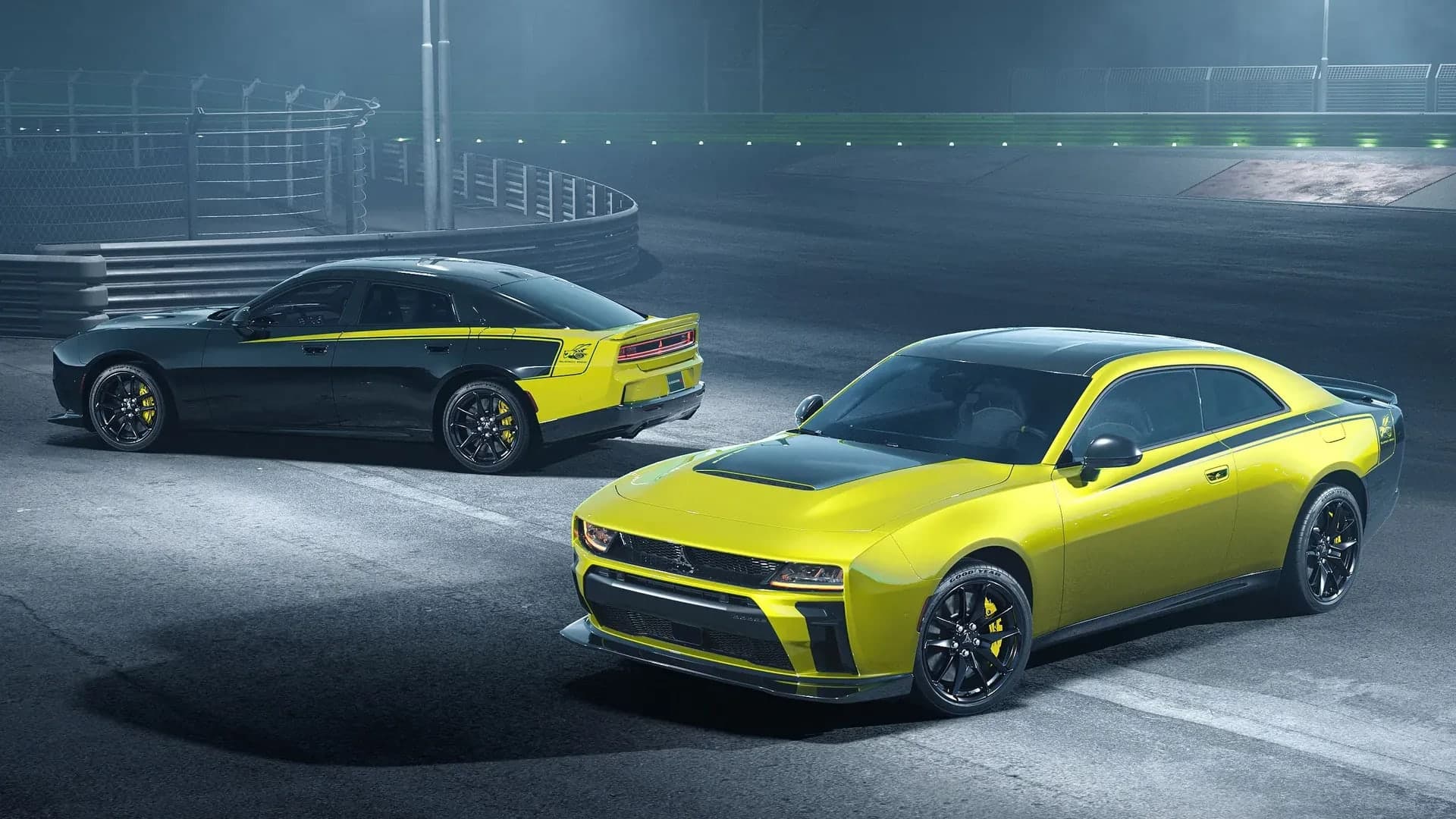
The Super Bee name returns on the 2027 Dodge Charger, in a year that also marks the Charger's 60th anniversary. Power comes from a high-output version of Dodge's Hurricane 3.0-litre twin-turbo straight-six, here making 600 hp and around 720 Nm of torque, enough for a 0 to 100 km/h time of roughly 3.8 seconds. Buyers can have it as a two-door coupe or a four-door sedan, and a limited Launch Edition arrives later this year, unveiled in front of the muscle-car faithful at Roadkill Nights near Detroit. Dodge has not confirmed pricing, though early estimates put it somewhere around 70,000 to 75,000 dollars.
The electric detour that forced this
To understand the six, you have to remember the plug. Dodge bet the Charger's whole future on going electric with the Charger Daytona EV, even piping in a synthesised exhaust roar to fake the drama of a V8, and its core buyers rejected it comprehensively. Sales disappointed, the fake noise was mocked, and the message was blunt: you cannot take the engine away from a muscle car. So Dodge retreated to combustion. But, tellingly, it did not simply bring back the beloved Hemi V8. It reached instead for the modern, downsized, heavily boosted straight-six. Two reversals in the space of a couple of years, and the second is nearly as bold as the first.
Sacrilege on paper, sense on the spec sheet
Here is the awkward truth for the purists: on the numbers, the six is the better engine. Its 600 hp comfortably exceeds what the old 5.7-litre Hemi V8 ever made, it sits lighter over the front axle for a keener-handling car, and a highly boosted straight-six can sound genuinely good, closer to a race engine than a lazy pushrod burble. Dodge has spent real effort making this motor characterful, from response to noise, and the eventual eBoost hardware in the pipeline shows how far it intends to push it. Rationally, there is no case against the Super Bee's engine. The objection is not about performance. It is about feeling.
The real question: is muscle a number or a feeling?
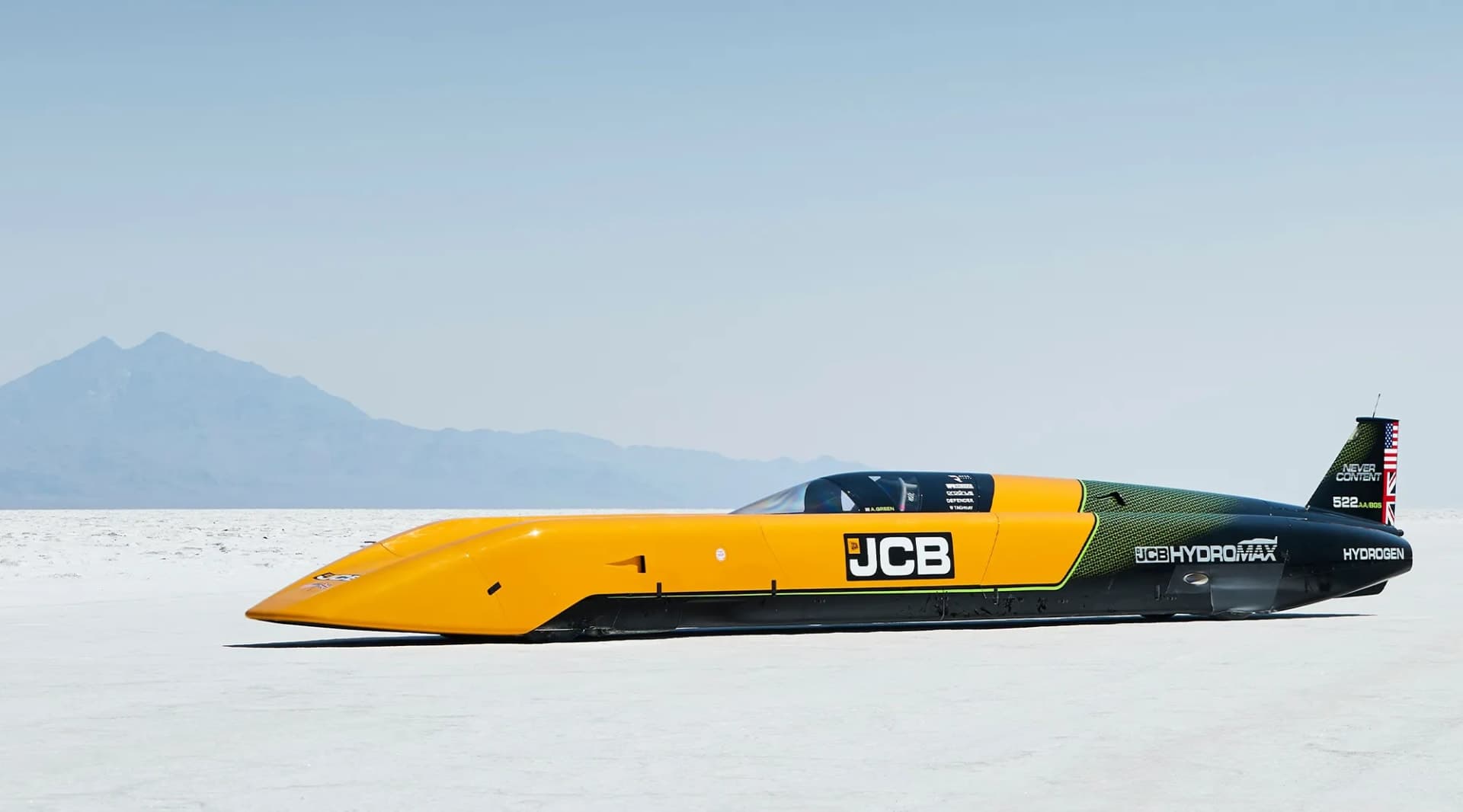
That is what makes the Super Bee such an interesting test. If a muscle car is fundamentally about performance, the six wins easily, and the argument is already over. If it is about the specific theatre of a big, lazy V8, the rumble at idle and the shove of cubic inches, then no spec sheet on earth will convince the doubters. Dodge is betting that muscle is a feeling it can rebuild around a different engine, the same wager the whole industry is making as it tries to keep the combustion engine alive on new terms, whether that is Ferrari on biofuels, a digger company burning hydrogen to 593 km/h, or the electric compressors Dodge itself is developing to boost this very six. Europe downsized its performance engines years ago; America is now having the same fight, only louder.
AutoNext Take
On engineering, the Super Bee is easy to defend. Six hundred horsepower, a lighter nose, a quick 0 to 100 km/h and a straight-six with real potential make it, objectively, one of the better muscle cars Dodge has built. If this were a rational decision, there would be nothing to discuss. But muscle cars have never been rational, and that is precisely the risk.
Dodge has already learned, expensively, that its buyers will punish it for taking away the thing they love; the electric Charger that hedged on whether petrol survives was the lesson. Swapping the V8 for a turbo six is a smaller heresy than pulling the plug on combustion entirely, but it is the same bet at heart: that a muscle car's soul can survive a change under the hood. The spec sheet says yes. The faithful get the final vote, and Dodge has misjudged them once already. This time it had better be right.