Audi has no combustion end date, and Döllner explains it by segment
Audi's electric plan now runs bottom-up, and Döllner has stopped naming a year
Audi no longer has a date for the end of the combustion engine. Petrol and diesel models will stay in the range for what chief executive Gernot Döllner calls an indefinite time, and the brand is planning by segment rather than by deadline. His explanation is blunt: the cheaper the Audi, the easier the electric sell. The company's own decisions over the past 18 months say exactly the same thing.
Döllner told Bloomberg the higher the segment, the more buyers want an engine
Döllner set out the reasoning in an interview with Bloomberg: the higher the segment, the more the enthusiast still loves the combustion engine, and the lower the segment, the more battery-electric drivetrains are accepted. That sentence is the whole strategy now. Audi is not arguing that electric cars have failed, or that its customers changed their minds all at once. It is saying acceptance varies by price band, and that a brand selling everything from a compact hatchback to a V8 SUV cannot run one deadline across all of it.
Audi promised in 2021 that combustion production would end in 2033
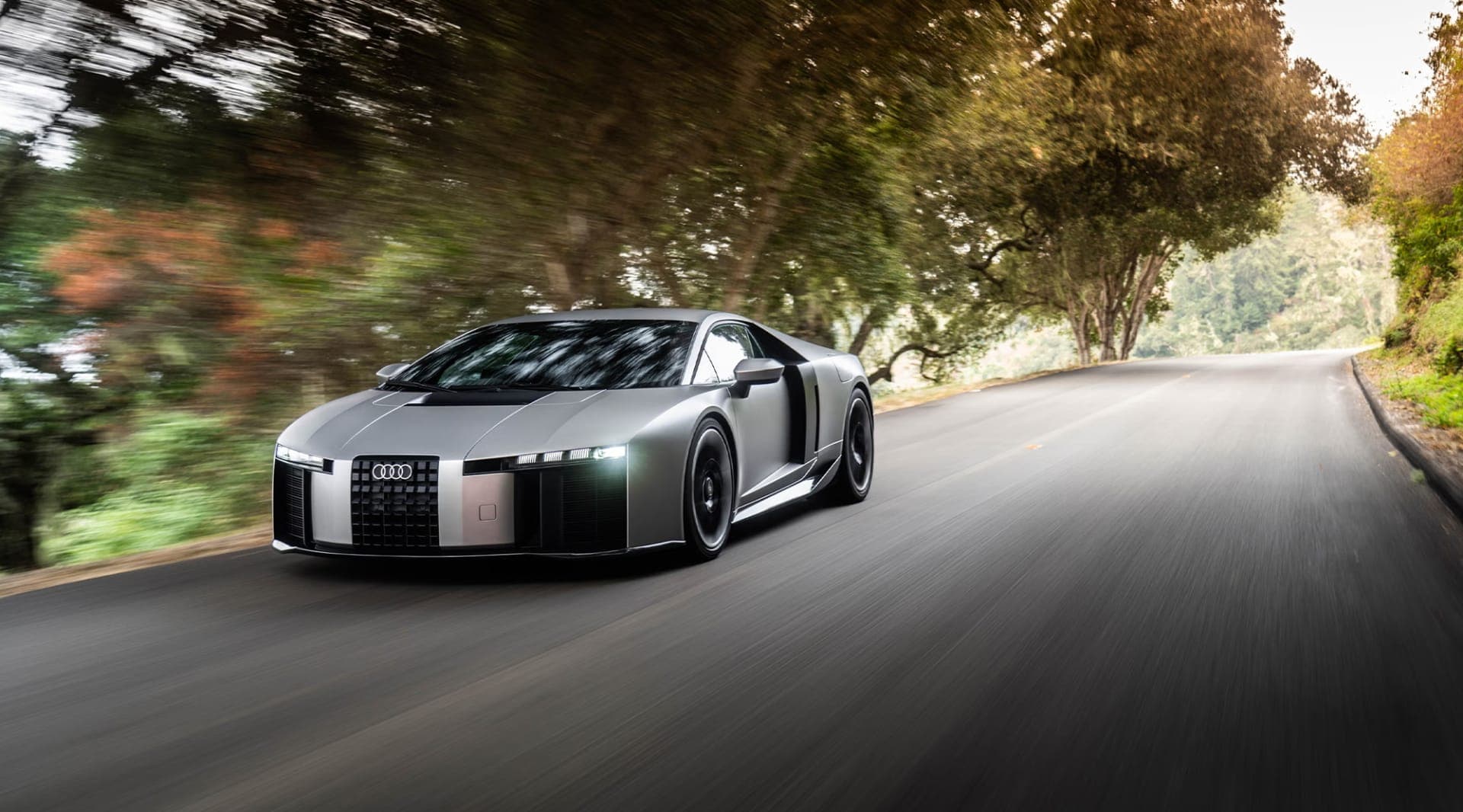
The pledge Audi is walking away from was specific. In 2021 the brand said it would launch only new all-electric models from 2026 and stop building combustion cars in 2033. Döllner scrapped that deadline in June 2025 without putting another one in its place, and the segment argument is the first full account of why. In practice the RS models and the large SUVs keep their engines, increasingly with plug-in hybrid assistance to stay inside European fleet limits, while the electric push moves down the range.
The Q8 e-tron died on 28 February 2025, after 76 years of Brussels production
Audi has already killed its most expensive electric car. The last Q8 e-tron was built in Brussels on 28 February 2025, closing a plant that had made cars for 76 years and costing around 3,000 jobs, and the site has since been sold to a warehouse developer. That is the gradient in physical form. The dearest Audi EV is the one that came off the line, and the model now leading the launch plan sits at the opposite end of the price list.
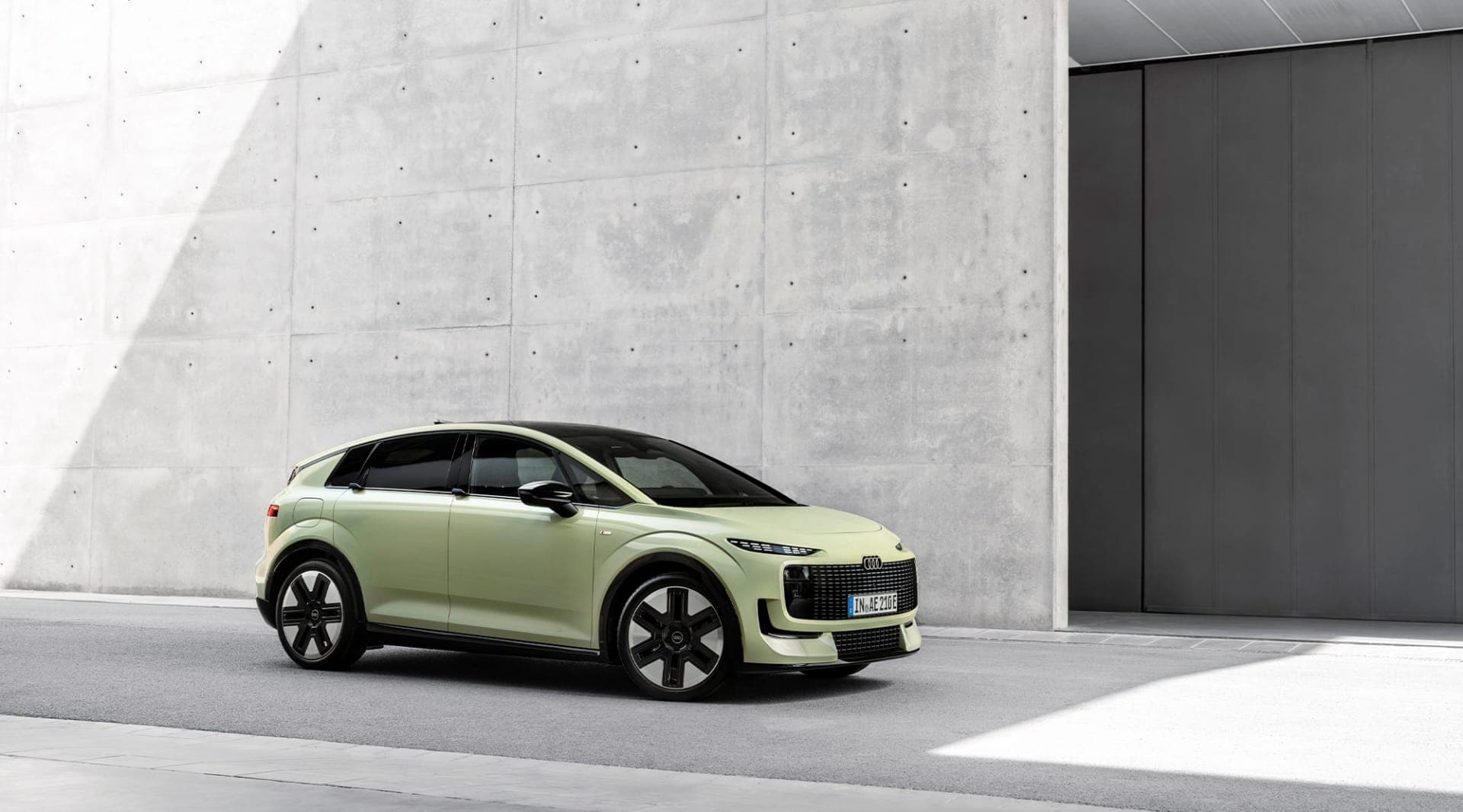
The A2 e-tron opens at €38,200, and it is Audi's cheapest EV
Audi opens A2 e-tron order books on 10 September at €38,200 in Germany, rising to €51,200 for the 326 hp version. Three battery sizes, rear-wheel drive throughout and up to 646 km of WLTP range make it the most efficient Audi yet built, and also the cheapest electric one. That matters more than the figure suggests, because Audi retired both the A1 and the Q2 without direct replacements. The A2 is not an addition to the bottom of the range. It is the bottom of the range.
Porsche and Bentley moved their own targets in the same direction
Audi is not the outlier here. Porsche has abandoned the 80 percent electric sales target it set for 2030, extended combustion and hybrid Cayenne production, and confirmed there will be no electric 911. Bentley renamed Beyond100 as Beyond100+ and moved its all-electric switch from 2030 to 2035. Mate Rimac, who runs Bugatti Rimac, compares the top of the market to mechanical watches: the smartwatch won the daily job, and the craftsmanship kept the margin.
AutoNext Take
The gradient is real, but it is a supply gradient dressed as a taste one. Audi's low segment starts at €38,200. The part of the European market that is genuinely selling out sits around €25,000, and Audi has nothing there: Volkswagen's ID. Polo has taken more than 30,000 orders and quotes ten months, and Skoda's Epiq is past 35,000. Those buyers were not won over by a theory about enthusiasts and engines. They were offered a small electric car at a price they could sign for, and they signed.
So here is the falsifiable version. Audi's cheapest EV will still be the A2 e-tron in two years, because the A1 and the Q2 were retired with nothing behind them, and no brand can measure acceptance in a class it does not sell into. Döllner's sentence describes Audi's catalogue more accurately than it describes European buyers. The engine is not surviving at the top because wealthy customers love it more. It is surviving there because that is where Audi still has something to sell them.