Audi's greenest factory is becoming a business park promising 3,000 jobs
The plant Audi certified as the world's first CO2-neutral volume car factory is now industrial real estate
Heylen Warehouses has reached an agreement with Audi and the Brussels-Capital Region to take over the former Audi Brussels site in Vorst, 55 hectares that make up the largest industrial area in the region. The group from Herentals plans a mixed urban business park, provisionally called Rings Park 21, and says it should eventually carry at least 3,000 jobs. The legal documents are still being finalised.
Heylen Warehouses takes 55 hectares beside the Brussels Ring
The deal covers the whole site and was struck with Audi alongside the Brussels-Capital Region and the municipality of Vorst, or Forest in French. Heylen Warehouses is the logistics property arm of Heylen Group, a Flemish investment company with roughly 3,200 staff across more than 40 businesses in energy, technology, food, events and kitchens, and revenue above 1.1 billion euros. No financial details have been published, and Audi stays responsible for cleaning up the ground.
Rings Park 21 wants dozens of tenants and its first jobs in 2027
The plan is deliberately mixed: existing industrial activity kept and expanded, units for SMEs and what Heylen calls innovative businesses, part of the site opened to the public, and the Vorst-Zuid station upgraded to serve the neighbourhood. Wim Heylen wants a through-road cut across the site so it stops being a walled-off block. Some Audi buildings will be reused and others demolished. The group is in talks with Belgian firms and multinationals, has named none of them, hopes to announce the first jobs in 2027 and expects the full build-out to take close to ten years.
The 3,000 who left Audi were one payroll, not forty
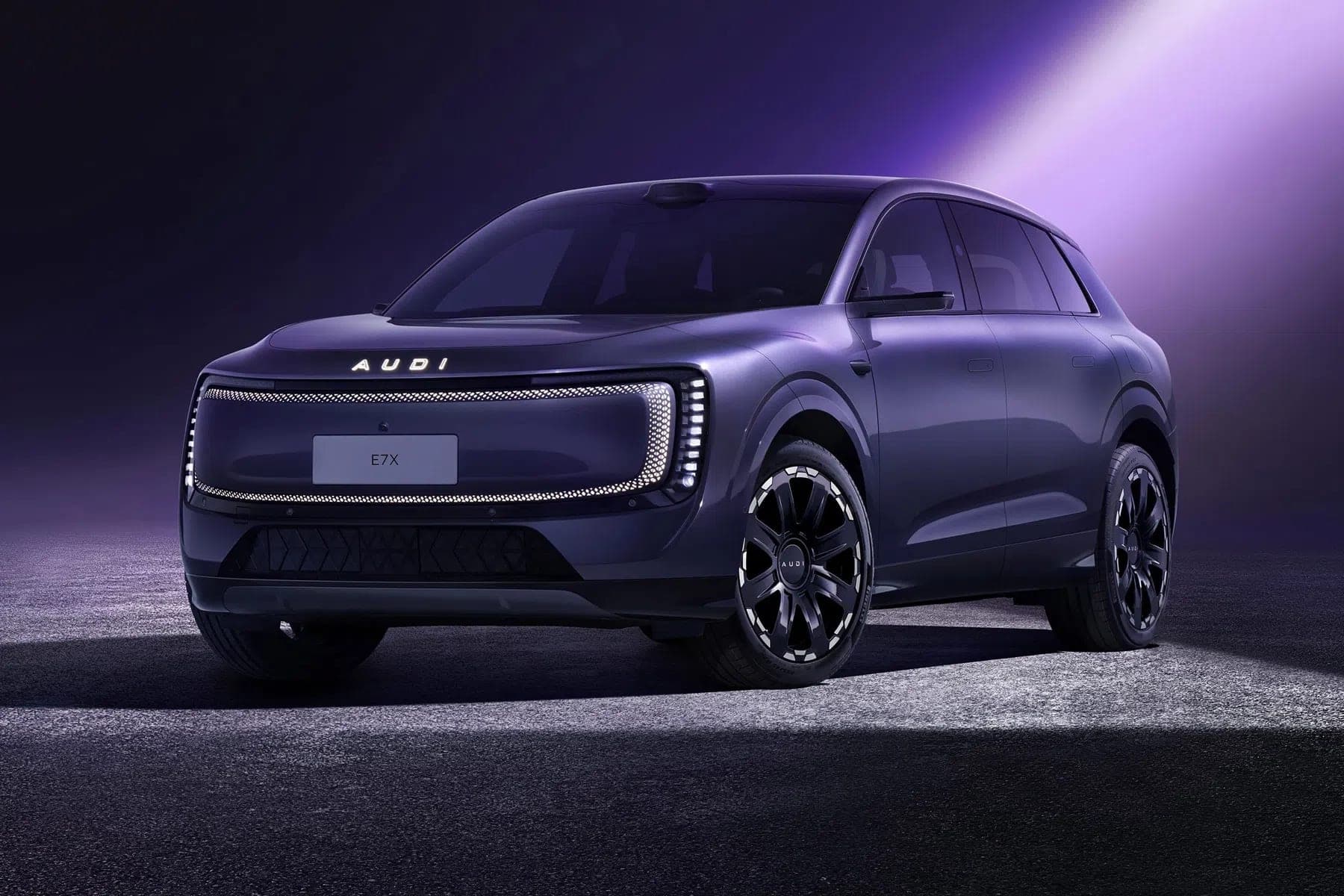
The symmetry in that headline figure is neat, and it repays a second look. Audi's 3,000 were a single employer, a single collective agreement and one assembly line. Heylen's 3,000 will be spread across dozens of separate tenants in logistics and light industry, phased over a decade, with no leases signed yet. Just over half of the people who lost their jobs when the plant shut had found new work by earlier this year, and for several hundred of them it has gone considerably worse. Hundreds more jobs went at suppliers. The Q8 e-tron they were building moved to Mexico and China, and Audi has since leaned further into cars developed in China.
Audi's 107,000 square metres of solar panels are now a logistics asset
What makes the site attractive to a warehouse developer is largely what Audi built into it. There is a direct rail connection, a high-voltage line, the canal and the Brussels Ring on the doorstep. Audi switched the plant to green electricity in 2012 and covered 107,000 square metres of it in photovoltaic panels, and from 2018, when e-tron production started, it held certification as the world's first CO2-neutral high-volume plant in the premium segment. Agoria named it Factory of the Future in 2020. None of that stopped the closure, and all of it is now a selling point for distribution space.
Brussels is negotiating a 25 percent payroll tax break for the site
The region wants the site designated an economic acceleration zone, and economy minister Laurent Hublet is negotiating a competitiveness pact with the federal government. That mechanism lets regions support areas hit by large waves of collective redundancies, and companies investing in one get a 25 percent exemption on payroll withholding tax. Faster permits have been promised too. Heylen has done this before, at the former Caterpillar plant in Gosselies near Charleroi, where 37.5 hectares are being turned into an SME zone. It is the same retrenchment that has cost Audi Italdesign and left Volkswagen calling its own position more than critical.
AutoNext Take
Two matching numbers are doing a great deal of reassurance work here, and they are not the same number. Three thousand jobs on one Audi payroll meant one wage scale, one union agreement and one employer carrying the training. Three thousand jobs spread across dozens of tenants in distribution and light industry means something else, and the distance between those two things is where a city's industrial base quietly changes character. That is not an argument against the deal. An empty 55-hectare hole in the middle of Brussels would have been far worse, and Heylen is one of the few developers in the country with the balance sheet to actually fill it.
The test is the tenancy list, and Heylen has set the first checkpoint itself by promising news on jobs in 2027. Watch the split between manufacturing and warehousing when those names land. If Rings Park 21 fills up mostly with distribution, Brussels will have swapped assembly work for logistics work at a lower wage and booked it as a recovery, with the word industrial doing service in the press release that logistics does on the lease. Europe will run this experiment repeatedly over the next decade, because the continent is closing car plants faster than it is opening them. This is the first big one where we get to check the answer.