Audi's next quattro is self-learning software, not a centre differential
The Nuvolari is capped at 499 cars, and its real job is the RS models underneath
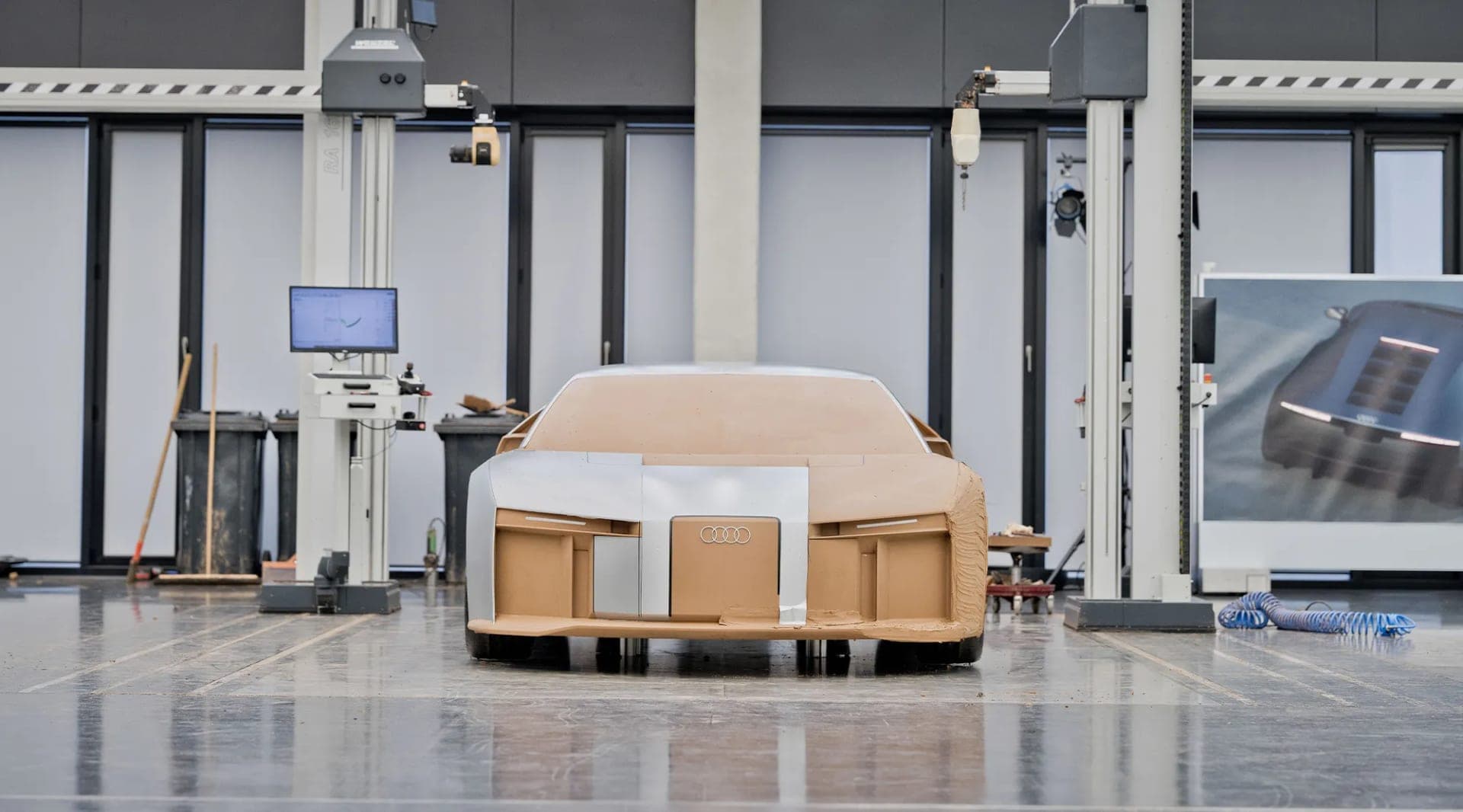
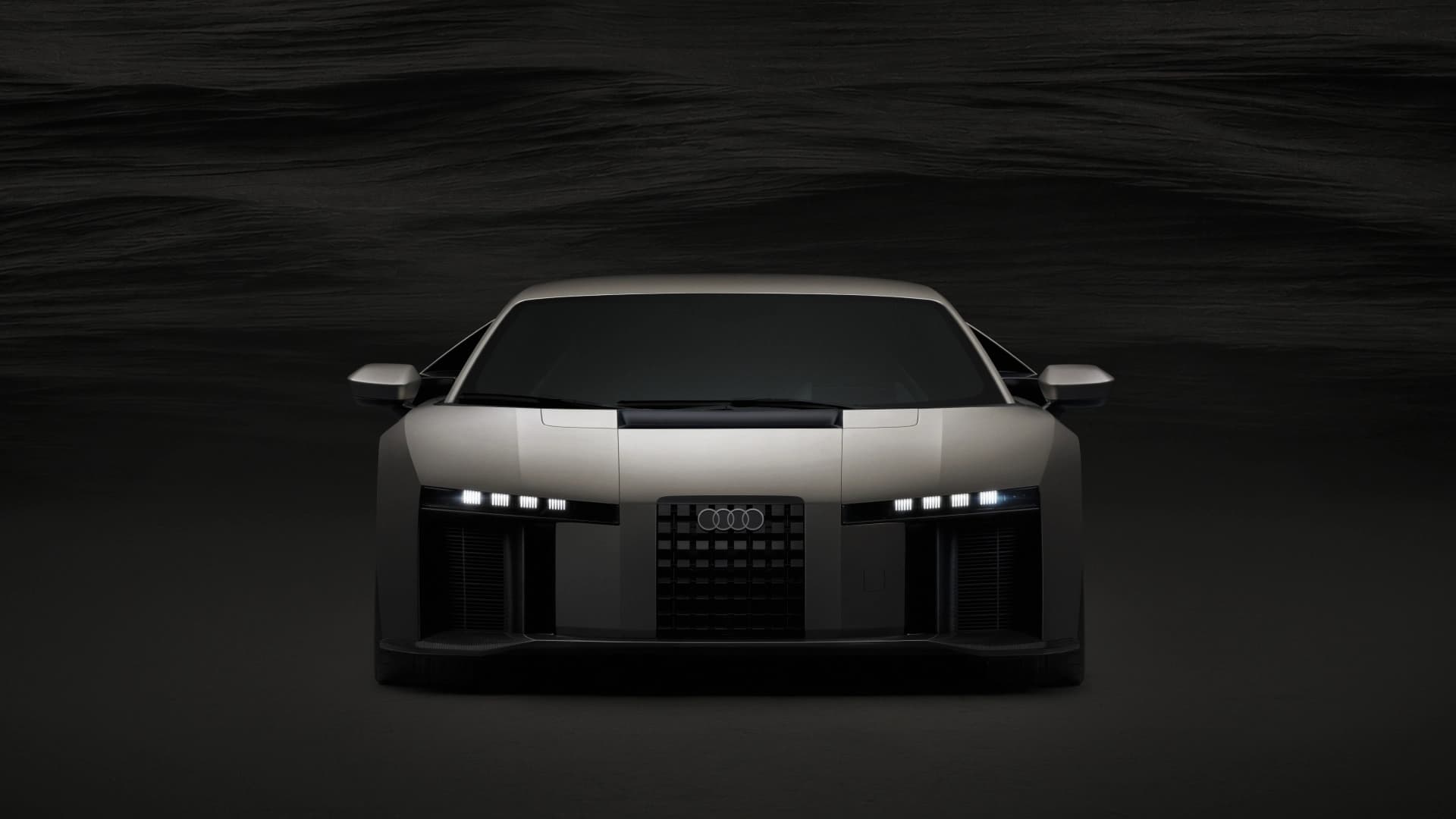
Audi CTO Rouven Mohr called the Nuvolari the company's North Star during a Monterey Car Week question-and-answer session, then explained what that means in practice. The 499-unit V8 halo is not getting a cheaper sibling. What it is getting is a job. The drivetrain intelligence developed for it is being pushed down into the RS range and, in a second calibration, into ordinary Audis.
Mohr's quattro splits torque with self-learning software, in two calibrations
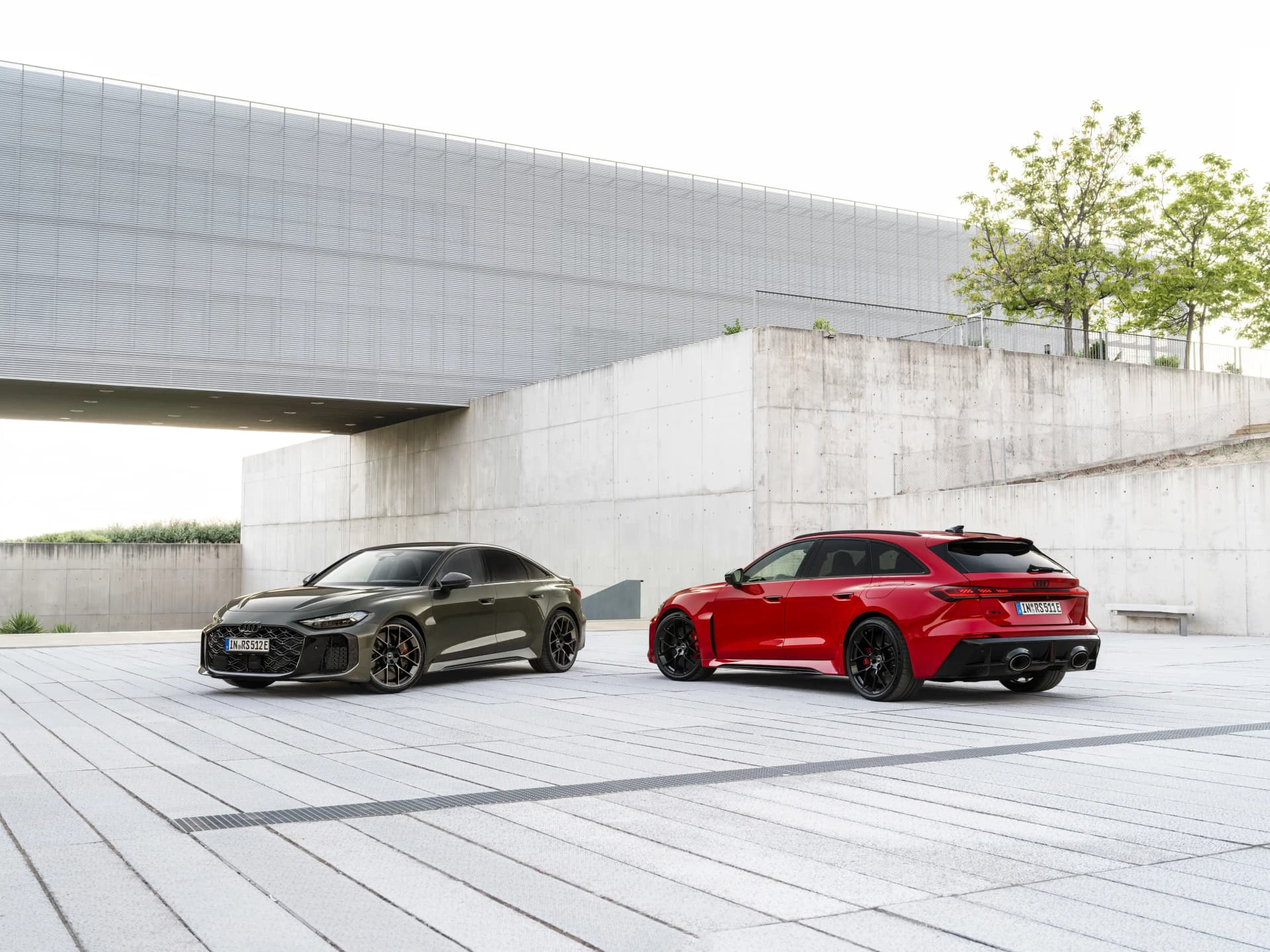
Quattro is no longer defined by which centre differential Audi fits. Mohr described torque distribution done on what he called a very intelligent and self-learning basis, arriving in two interpretations. The first maximises traction and driving enjoyment, and becomes the default for RS models. The second uses the same self-learning approach to run the most efficient four-wheel-drive system it can, and becomes the baseline for the volume cars. Quattro, in his description, is now a mixture of which hardware you use and which software intelligence actuates it.
quattro has changed its own definition four times since 1980
This is the fifth version of an argument Audi has been having with itself for 46 years. The 1980 original used a mechanical centre differential that the driver locked by hand, bolted behind the five-cylinder engine that made the badge famous. In 1987 the Torsen unit took that decision away from the driver and made the split automatic and purely mechanical. Transverse Audis abandoned the centre differential entirely for a Haldex clutch. In February 2016, quattro with ultra dropped permanent drive on longitudinal platforms for a front-biased system that disconnects the rear axle when grip allows. Every time, the badge survived and the hardware beneath it changed.
The Q6 e-tron quattro already has nothing mechanical between its axles
The system Mohr is describing already exists on the other side of Audi's showroom. A Q6 e-tron quattro carries an asynchronous motor on the front axle and a permanent-magnet synchronous motor on the rear, a single-speed reduction gear at each end, and no propshaft, no centre differential and no mechanical link between the two. Every torque split it performs is a software decision. Audi has been selling quattro on those terms since the first e-tron in 2018. What Mohr announced is not a new idea, it is the combustion half of the range catching up with the electric half.
Mohr's R8 answer is that it is not decided, which is not a yes
Asked whether the Nuvolari opens the door to a new R8, Mohr declined to say yes. There will be other emotional products, he said, but that does not mean R8 yes or no, it is not decided, and Audi has different priorities at the moment. Those priorities are the near-total renewal of the existing range, which leaves nothing spare to fund a second low-volume sports car. He did commit to one thing: the car many still read as the R8's successor will not be the last emotional Audi, and he named CEO Gernot Döllner and design chief Massimo Frascella as personally standing behind that.
Titanium-aluminium rings in a carbon wing are not coming to the A5
Mohr was equally clear about the limit. The Nuvolari's exotica, and he singled out the titanium-aluminium rings embedded in the carbon structure of its rear wing, cannot be transplanted into a car built at volume. What travels down is cheaper than that and, he argues, more useful. Control software is one half. The other is tactile detail: the click of a switch, the balance between physical and digital controls, the solidity of a closing door. Those, he says, are the parts of the Nuvolari that will surface in future Audis.
AutoNext Take
Quattro has outlived four definitions of itself because Audi has always been willing to change what sits under the badge while keeping the badge. The 1980 car had a differential you locked with a lever. The 2026 electric one has two motors and an algorithm. Mohr's self-learning torque distribution is version five, and it arrives with the promise every version arrived with: better than the last. The difference is that a software claim is far harder to feel from the driver's seat than a Torsen was.
So here is the test. A Torsen could be measured. It had a fixed torque bias ratio, and it either moved drive or it did not. A self-learning system has no such number, which makes it the easiest kind of engineering to overclaim. If the RS calibration is real, Audi can put a new RS 3 and its predecessor on the same wet handling circuit and publish the gap. If it instead arrives as a drive-mode name and a paragraph of brochure copy, quattro will have completed its journey from a mechanical advantage to a marketing one, and the Nuvolari will have been a very expensive way to make that trip.