BMW opens its Bavarian battery plant 30 months after breaking ground
Lower Bavarian farmland now builds the battery inside BMW's electric 3 Series
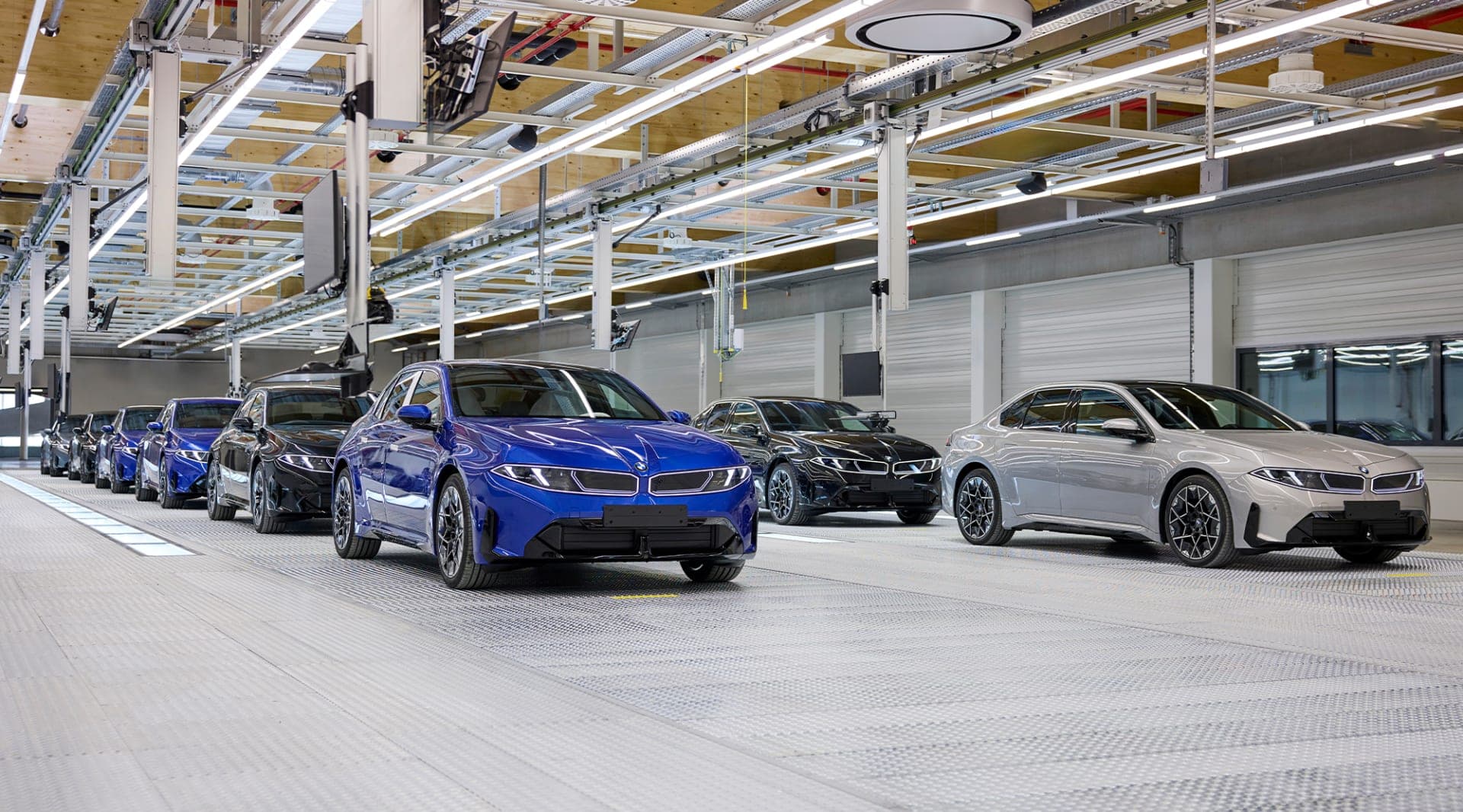
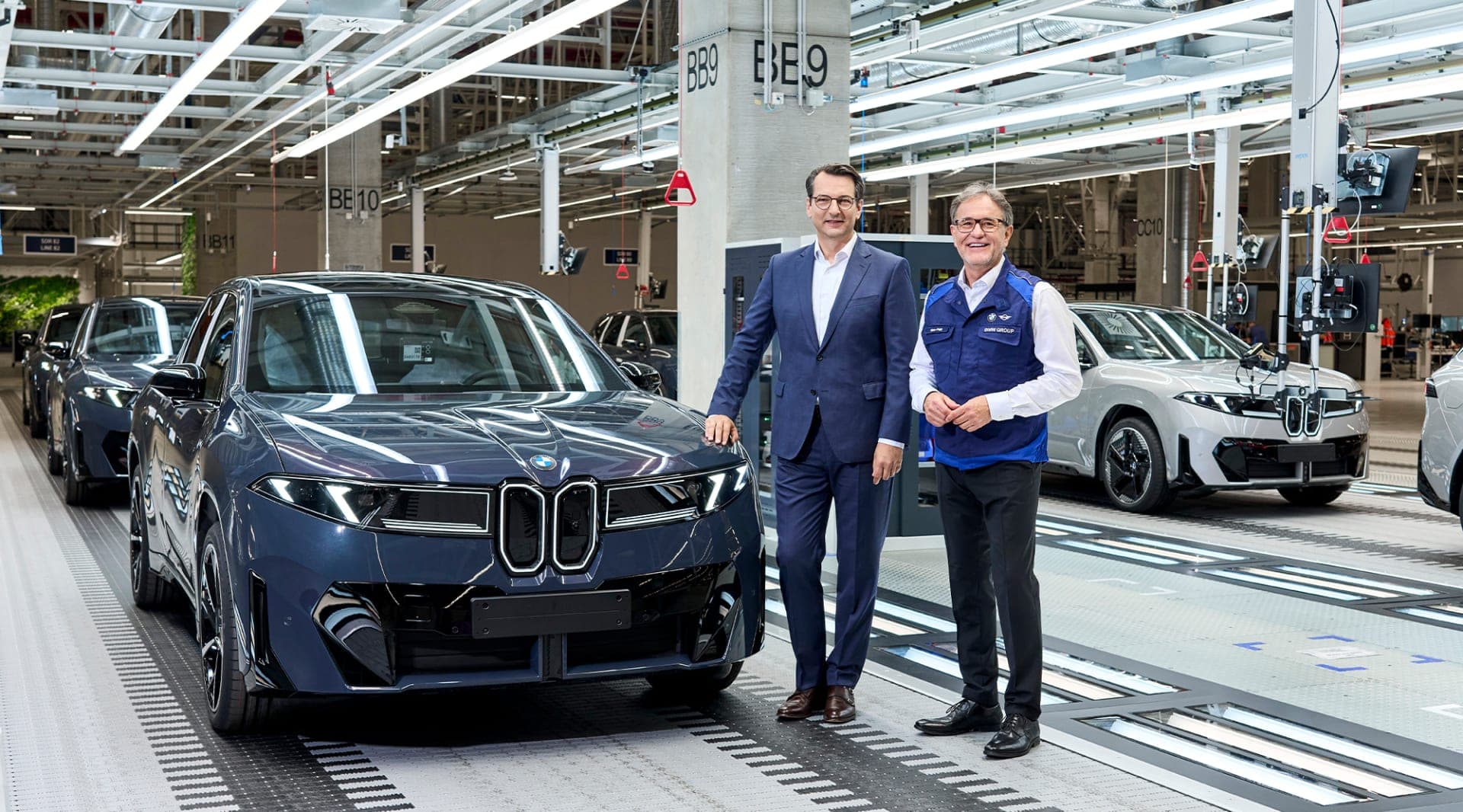
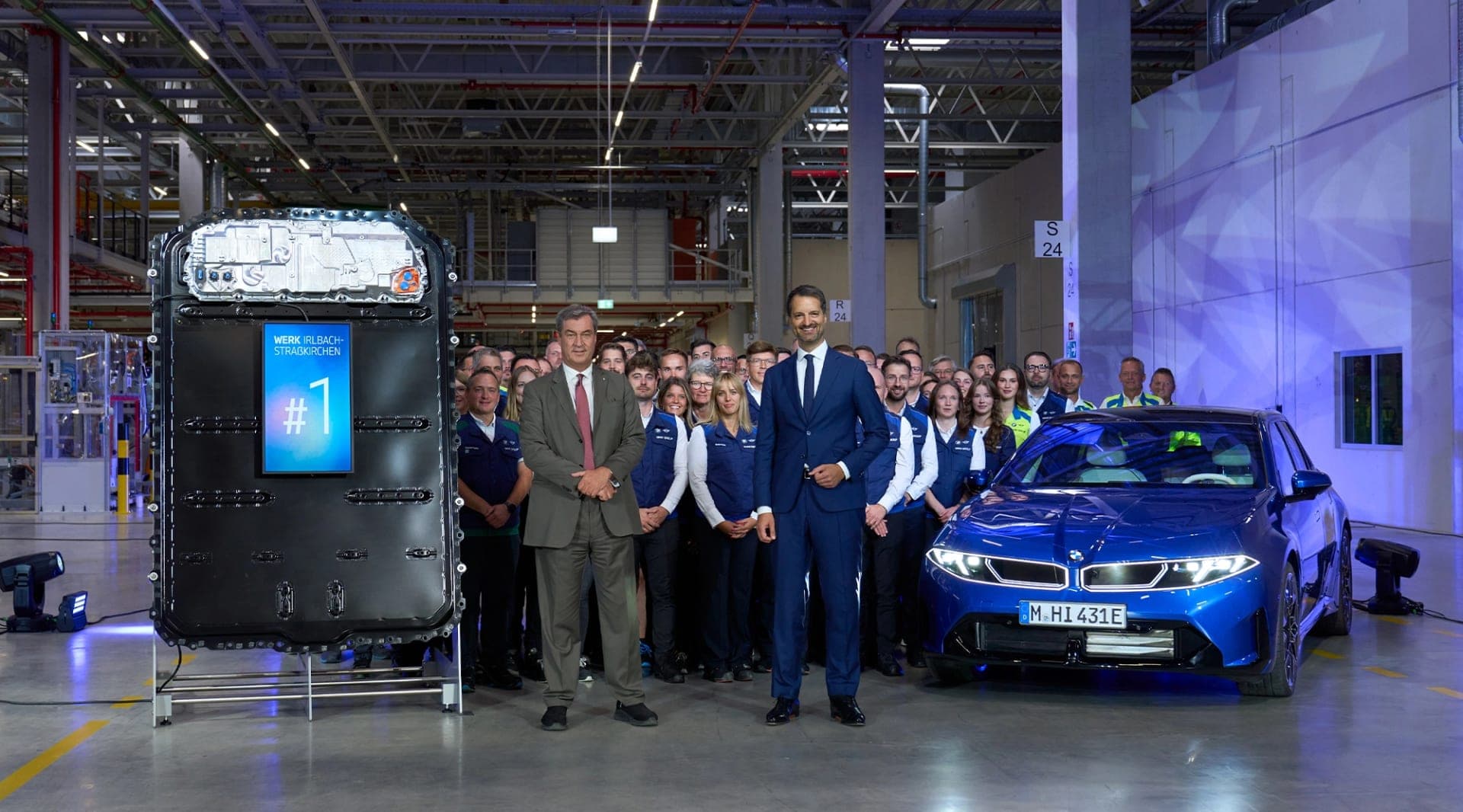
BMW officially opened its battery assembly plant at Irlbach-Straßkirchen, in the Straubing-Bogen district of Lower Bavaria, on 1 October. The €1 billion site is now in series production, building sixth-generation high-voltage packs for the new BMW i3 at Plant Munich. Strong demand for the Neue Klasse has pushed the ramp-up ahead of plan, so series production started on two shifts from the first day.
BMW built Irlbach-Straßkirchen in 30 months for around €1 billion
BMW needed 30 months to go from groundbreaking to series production at Irlbach-Straßkirchen. Construction started in April 2024 and the first pre-series battery came off the line in March 2026, a short schedule for a German industrial project whose permit file ran past 6,000 pages. The investment is around €1 billion. Lower Bavaria is already BMW's industrial heartland: about 40 percent of every BMW ever built came from Dingolfing and Regensburg, and roughly a fifth of the group's global workforce is employed at its four plants in the region.
Straßkirchen voted 75.3 percent for the BMW plant in September 2023
Straßkirchen's residents approved the factory in a referendum on 24 September 2023, with 75.3 percent voting yes on a turnout of 76.9 percent. A local citizens' group, Lebenswerter Gäuboden, had forced the vote over the loss of prime Gäuboden farmland, lorry traffic and noise, and BMW said a no would probably have taken the plant out of Bavaria altogether. The company campaigned with information pavilions and evening question sessions in village restaurants, and gave ground on lorry routes and water management. The municipality's budget has since tripled, its mayor says, and a long-requested bypass is now going ahead.
1,600 BMW jobs at full strength, against 3,200 pitched in 2023
Irlbach-Straßkirchen will employ around 1,600 people once fully operational, building several hundred packs a day on two production lines. When residents voted in 2023, the plan put to them spoke of 3,200 jobs and 600,000 high-voltage batteries a year for the car plants in Munich, Dingolfing and Regensburg. BMW's opening statement does not set the two sets of figures side by side. Several hundred packs a day stays well below 600,000 a year, so what opened this week is a first phase: it starts with the i3 for Munich and will later supply all three German car factories.
BMW's Gen6 pack gives the new i3 108.7 kWh and 906 km of WLTP range
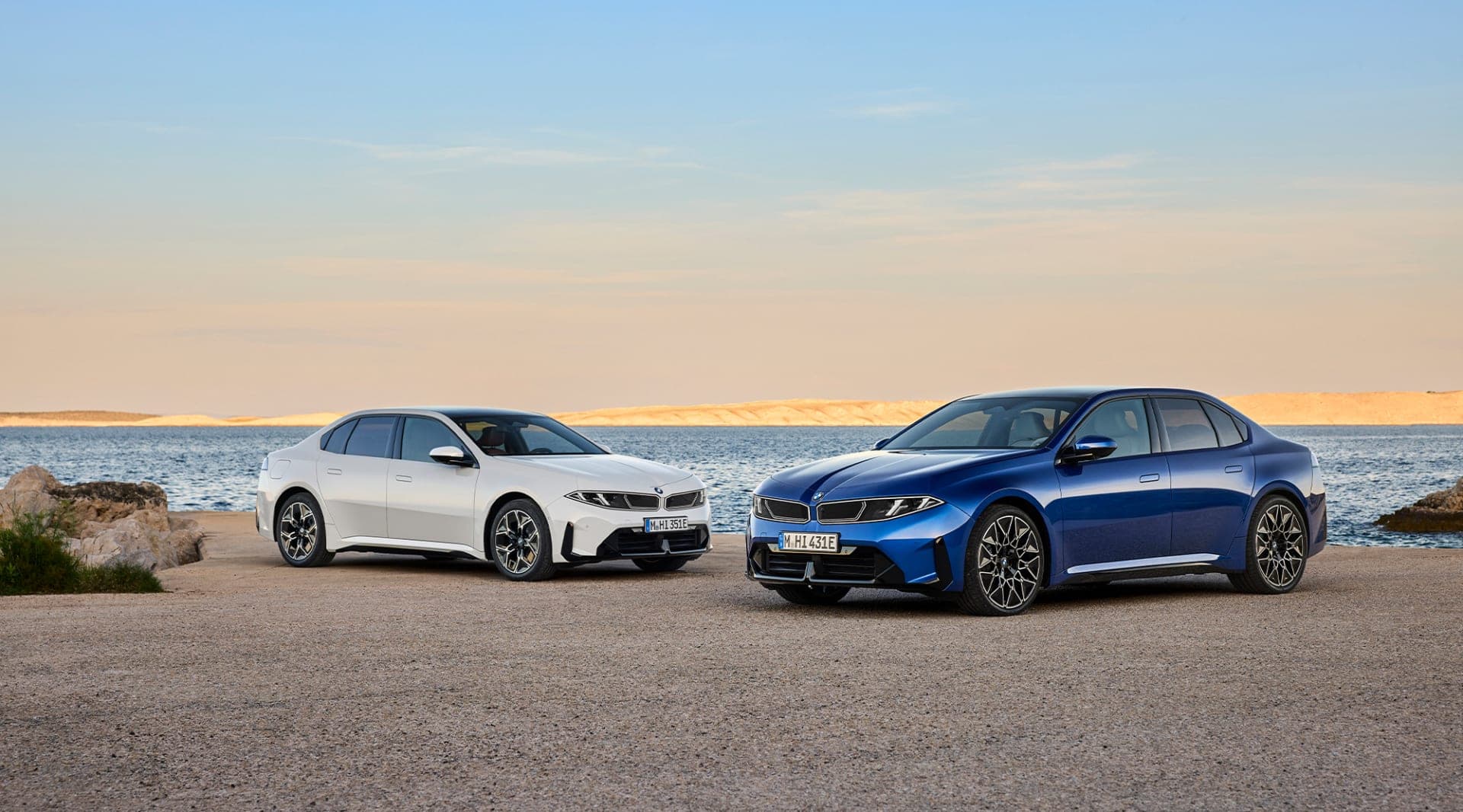
The Gen6 pack built here gives the BMW i3 50 xDrive First Edition 108.7 kWh and up to 906 km of WLTP range. Its cylindrical cells go straight into the pack without modules, and the pack itself forms part of the body structure. On 800 volts the car charges at up to 400 kW, adding up to 423 km in ten minutes. Around 500 robots log more than 3,500 data points per battery, assembly uses no water, and BMW puts the carbon footprint per watt-hour of the cells about a third below the previous generation's.
The cells in BMW's Bavarian packs come from CATL and EVE Energy
BMW sources its Gen6 round cells from China's CATL and EVE Energy, both of which are building cell plants in Debrecen, Hungary; CATL started test production there in September. The opening statement credits only unnamed "leading cell manufacturers". Bavarian premier Markus Söder called the batteries high-tech made in Bavaria and ahead of China by international standards, which holds for the pack engineering and less so for the chemistry. The same Gen6 assembly runs at five BMW sites, each next to a car plant: Irlbach-Straßkirchen, Debrecen, Shenyang, Woodruff in South Carolina and San Luis Potosí in Mexico.
AutoNext Take
This is the kind of factory German industry keeps saying it can no longer build at home. A village vote won three to one, 30 months from groundbreaking to series production and a ramp-up already ahead of schedule make a stronger case for Germany as a place to build cars than any speech at the opening. The caveat is the cell: the most valuable chemistry still comes from Chinese suppliers, so Bavaria has won the assembly, the engineering and the jobs, not the whole battery.
If the i3 sells the way the iX3 has, which put Debrecen on 24-hour shifts, Irlbach-Straßkirchen will need a third shift before the end of 2027. At that point the 3,200 jobs pitched to Straßkirchen in 2023 stop being an old campaign figure and become a hiring plan.