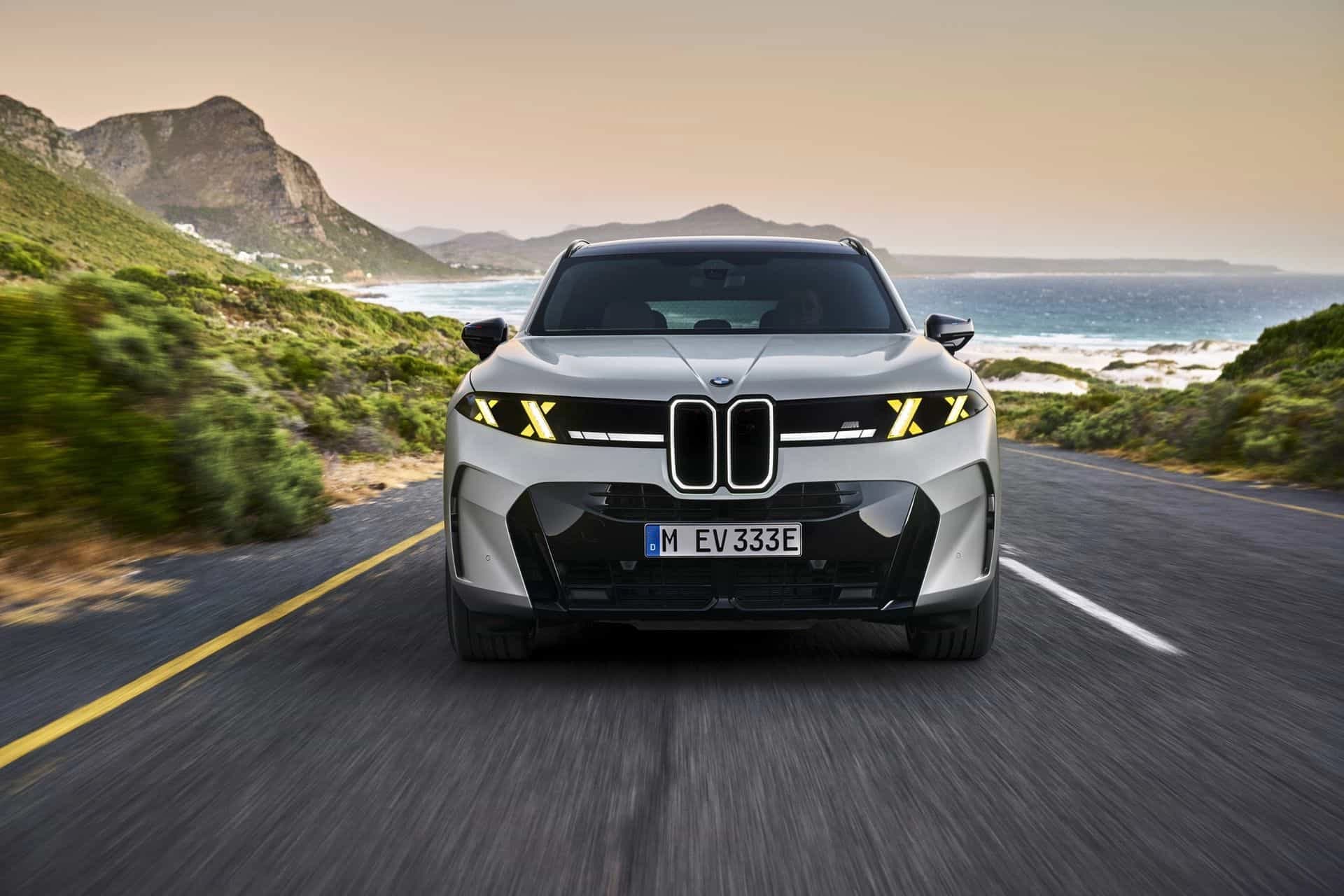
BMW's hydrogen iX5 is nearing production, and it is tooling up already
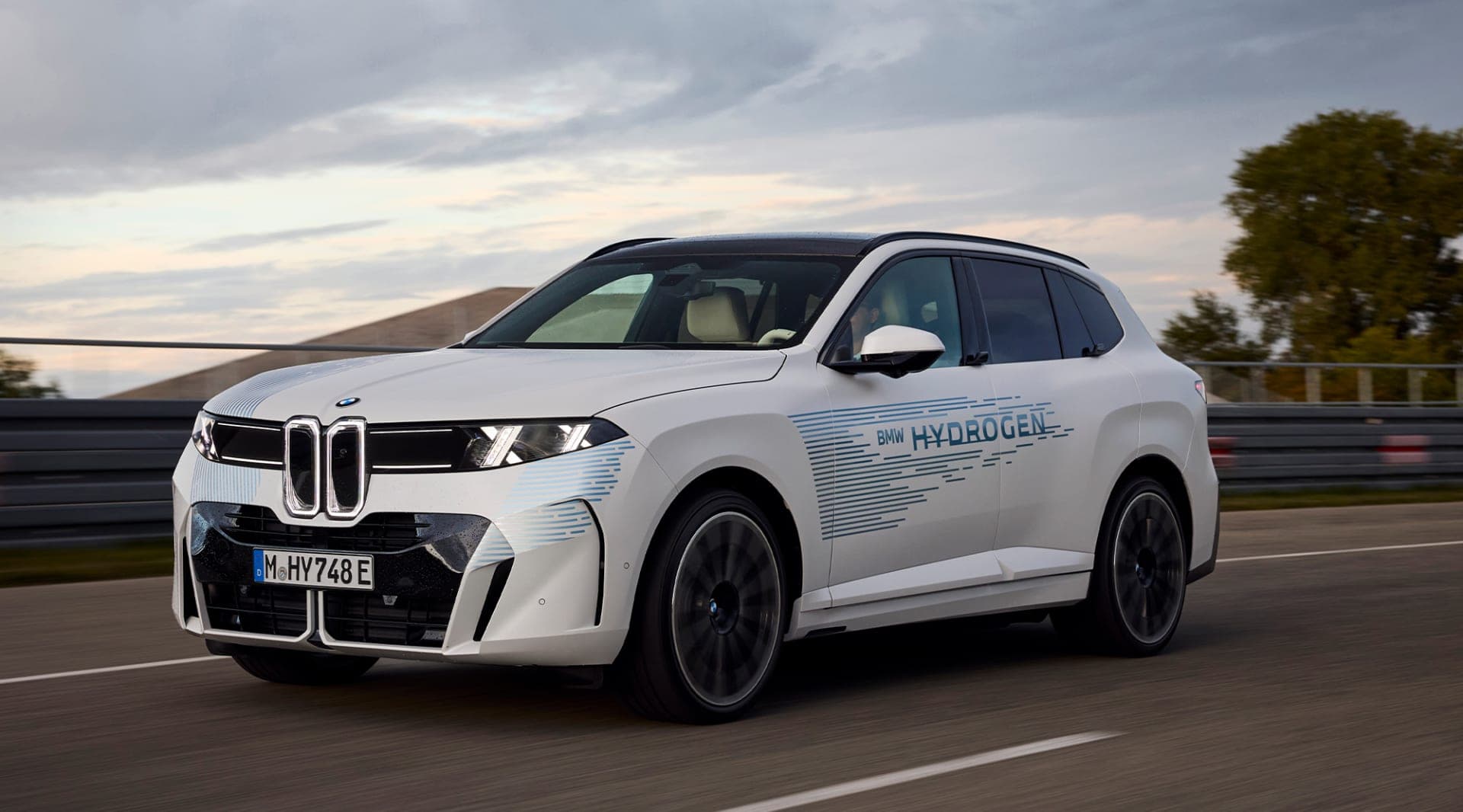
BMW is doing two things at once with the iX5 Hydrogen: running prototypes through a full testing programme on real roads, and already setting up the factories to build it. That parallel is the real news.
The BMW iX5 Hydrogen has reached its next development phase on the road to series production. Current prototypes are in a comprehensive testing programme, the third-generation fuel cell system is entering a new assembly phase at BMW's Hydrogen Competence Centre in Munich, and preparations for industrialisation are already underway at the engine plant in Steyr, Austria. In other words, BMW is validating the car and building the production line for it at the same time.
It is the clearest signal yet that BMW treats hydrogen as a genuine production option, not a science project.
A true BMW first, a hydrogen car second
BMW keeps returning to one point: this has to feel like a BMW. “Our ambition for the BMW iX5 Hydrogen is clear: a true BMW, with Sheer Driving Pleasure,” says Josef Hochreiter, head of Hydrogen Vehicles at the BMW Group. The engineering target backs that up. BMW wants driving performance on a par with the electric iX5, including 0 to 100 km/h in under five seconds.
The fuel cell system, high-voltage battery, electric motor, BMW Hydrogen Flat Storage and the Energy Master central control unit are being validated as one integrated system under demanding conditions. The new battery and the Energy Master allow higher recuperation, which in turn lifts overall efficiency.
Developed with Toyota, built in Bavaria and Austria
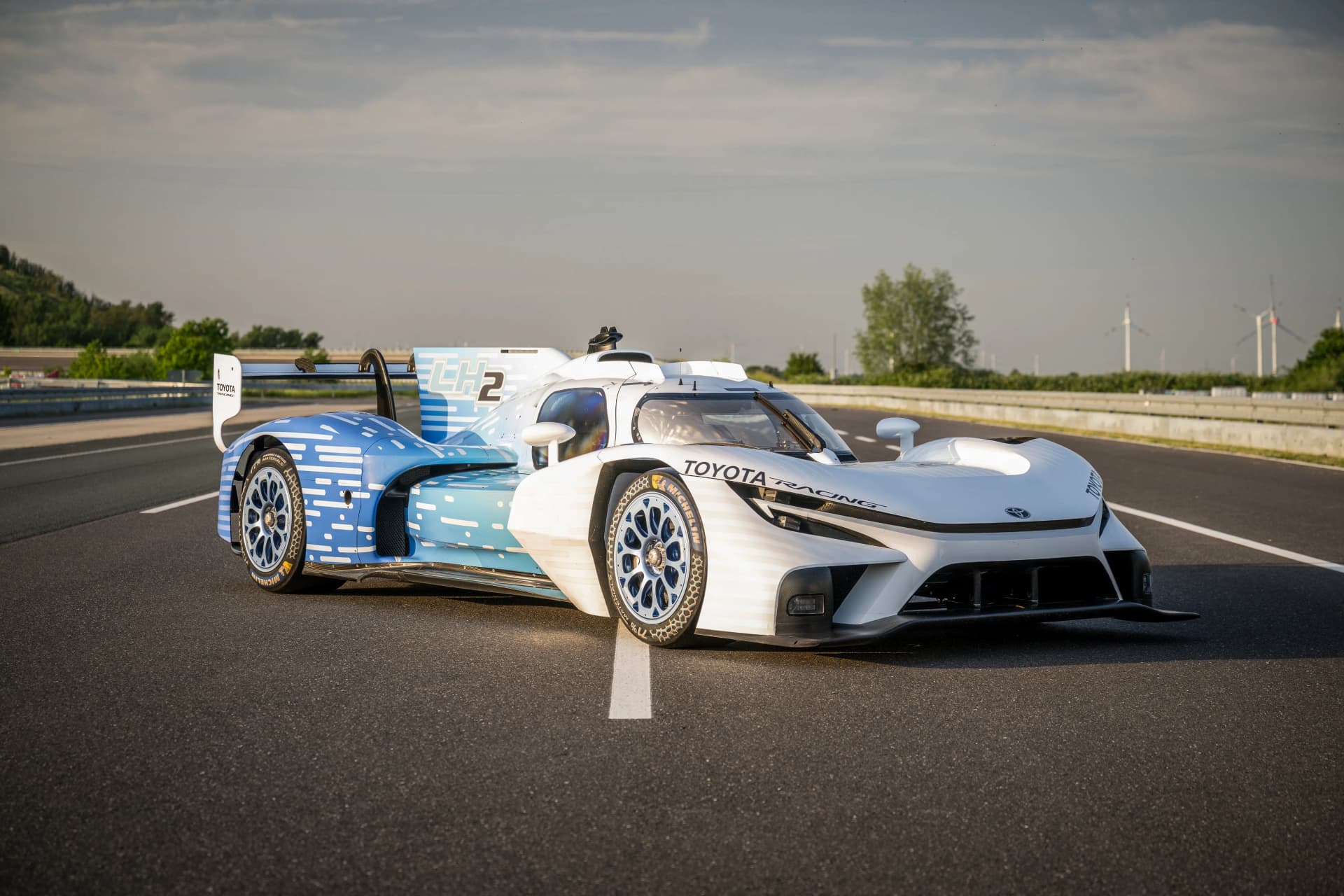
The heart of the car is a third-generation fuel cell system co-developed with Toyota Motor Corporation, the same partnership behind Toyota's own hydrogen push. Prototype assembly of that system is now ramping up at the Hydrogen Competence Centre in Munich, while series production is destined for BMW Group Plant Steyr, with additional components from Landshut. Test benches and manufacturing equipment are already installed at Steyr, and staff are being trained in stages.
“Prototype assembly is about much more than manufacturing individual components,” says Claudia Stephan, who leads fuel cell prototype assembly at BMW. “Each phase helps us optimise processes, gain experience and systematically share this knowledge with the teams in Steyr.”
One X5, five ways to power it
Here is where it fits the bigger plan. The iX5 Hydrogen will be the first hydrogen-powered BMW Group production model, and it slots into a BMW X5 range that will let customers choose between battery-electric, plug-in hybrid, petrol, diesel or hydrogen fuel cell. BMW calls this a technology-open approach, and hydrogen is aimed squarely at buyers who want long range and fast refuelling without a plug.
The numbers explain the appeal: a targeted range of up to 750 kilometres (WLTP), refuelling in under five minutes and fully electric driving, because a fuel cell car is still an EV, just one that makes its own electricity from hydrogen and air. BMW is quick to add that these are prototype figures, with no binding WLTP numbers yet. The development itself is backed by public money, too: under the HyPowerDrive project, part of IPCEI Hy2Move, the German federal government is contributing 191 million euros and Bavaria a further 82 million euros toward the powertrain and tank system.
AutoNext Take
Hydrogen cars have spent two decades being perpetually five years away, so scepticism is fair. What is different here is the boring part: BMW is installing test benches and treating Steyr as a real production site, and companies do not tool up factories for cars they will not sell. Offering hydrogen as just another X5 option, next to electric, hybrid and combustion, is the clever move, because it asks nothing of buyers beyond ticking a box.
The catch is the one hydrogen has never solved: there is almost nowhere to refuel. This may be the most credible hydrogen car yet from a premium brand, but whether the world is ready to fuel it is the question BMW cannot answer on its own.