Bugatti Brussels has left Brussels for a two-car showroom in Drogenbos
Bugatti's new home in Brussels is a two-car showroom outside Brussels
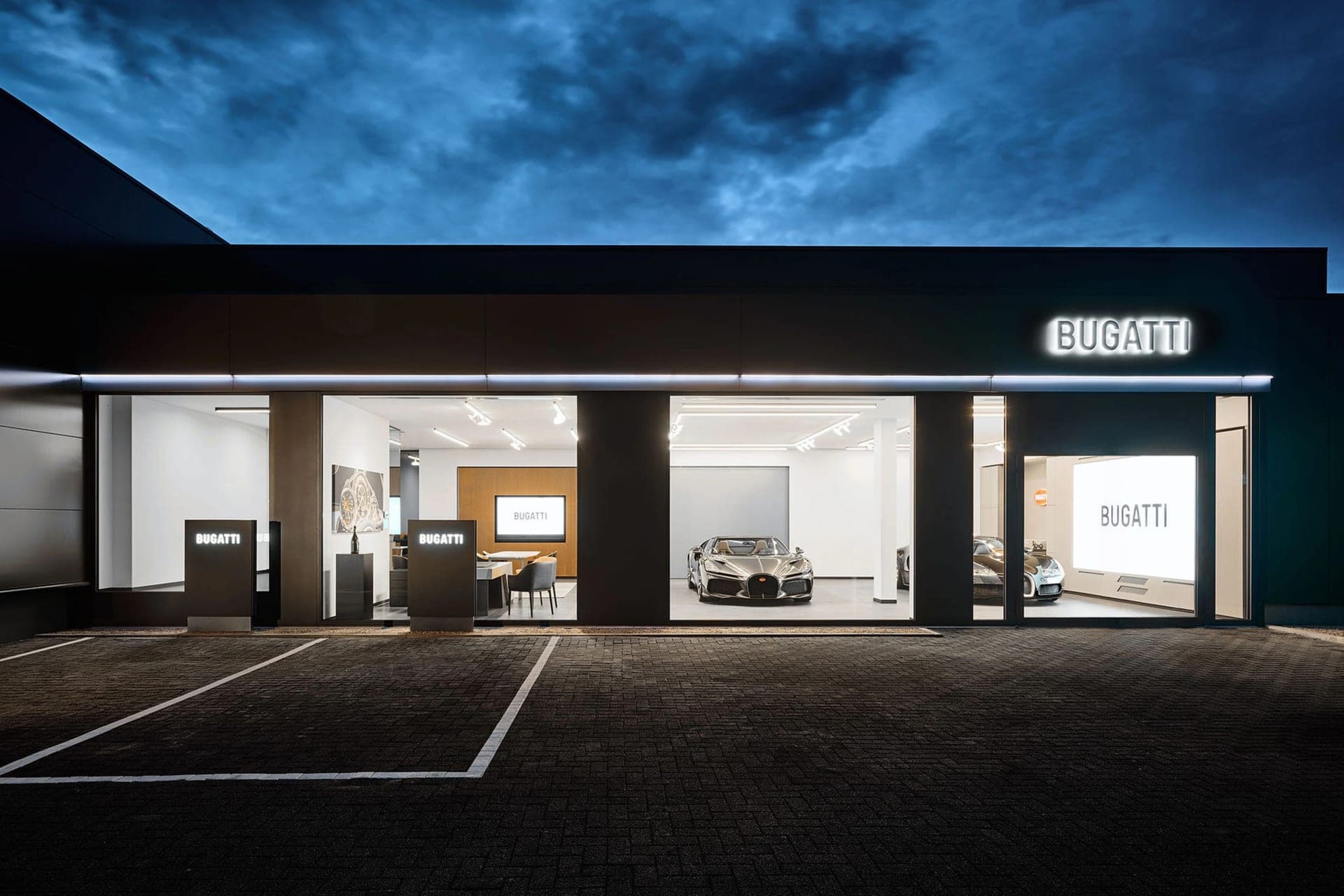
Bugatti's press release places its new Belgian showroom in the heart of the capital. The address on the invitation is Grote Baan 399, 1620 Drogenbos, in Flemish Brabant, just across the regional border from Forest and Uccle. After 20 years at Rue du Mail 50 in Ixelles, the D'Ieteren workshops that bodied Bugatti chassis from 1919, the brand now has room for two cars on a strip it shares with Bentley, Lamborghini and Rimac, with Porsche next door.
Grote Baan 399 puts Bugatti, Bentley, Lamborghini and Rimac under one D'Ieteren roof
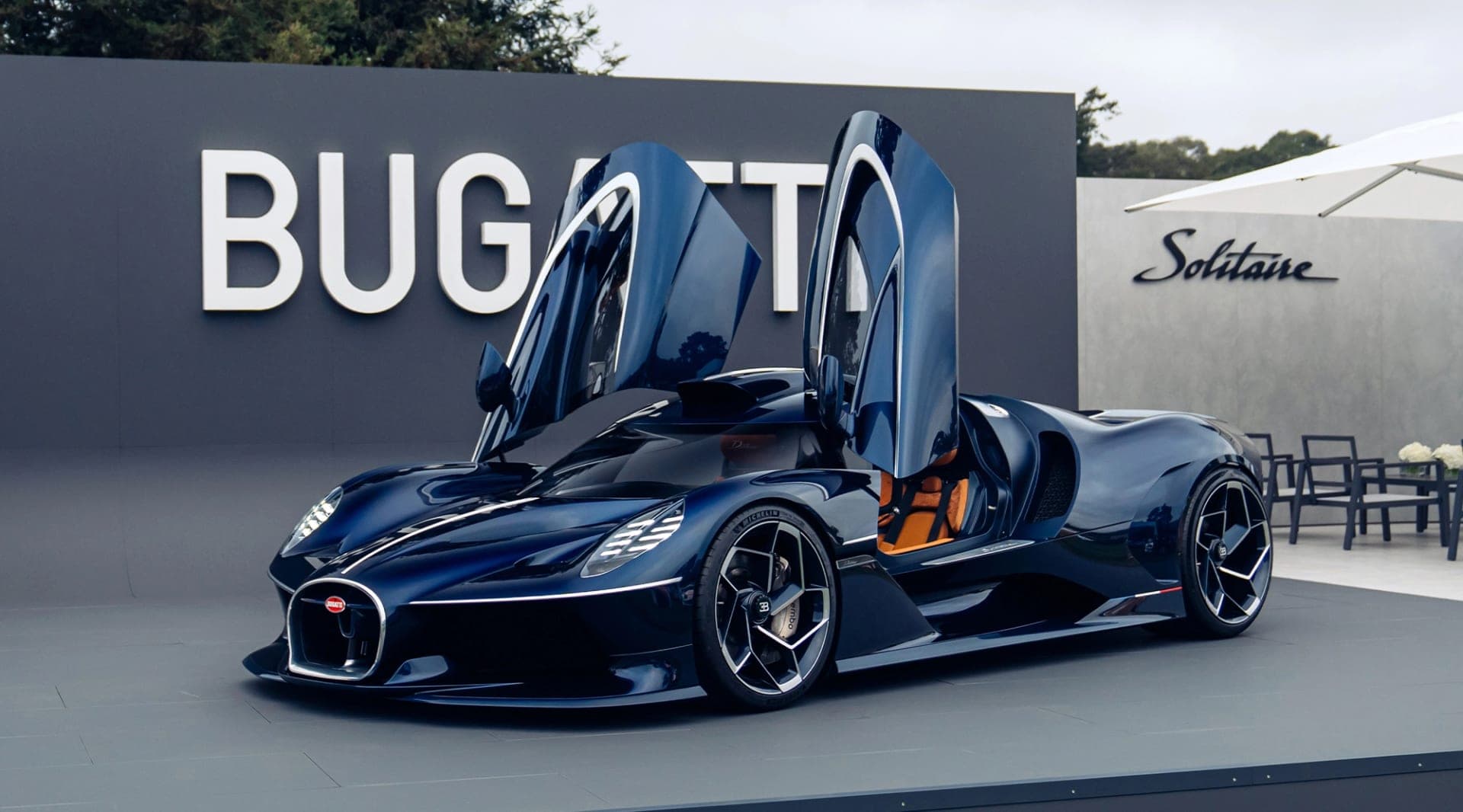
The new Bugatti Brussels brings sales and aftersales together on the Drogenbos site, with two technicians trained at Molsheim to look after modern and historic cars. The floor holds two vehicles. For the opening on 9 September it held rather more: a Type 35 A, a 1929 Type 44 with lightweight Weymann bodywork finished by Carrosserie D'Ieteren, a Veyron, a Chiron, a W16 Mistral and a Tourbillon, with dinner served in the workshop by Michel Roth. Mate Rimac, Hendrik Malinowski and exterior design chief Florian Westermann came from Bugatti; Nicolas D'Ieteren and D'Ieteren Auto chief executive Denis Gorteman hosted.
Six Tourbillons are allocated to Belgium, and none can be registered yet
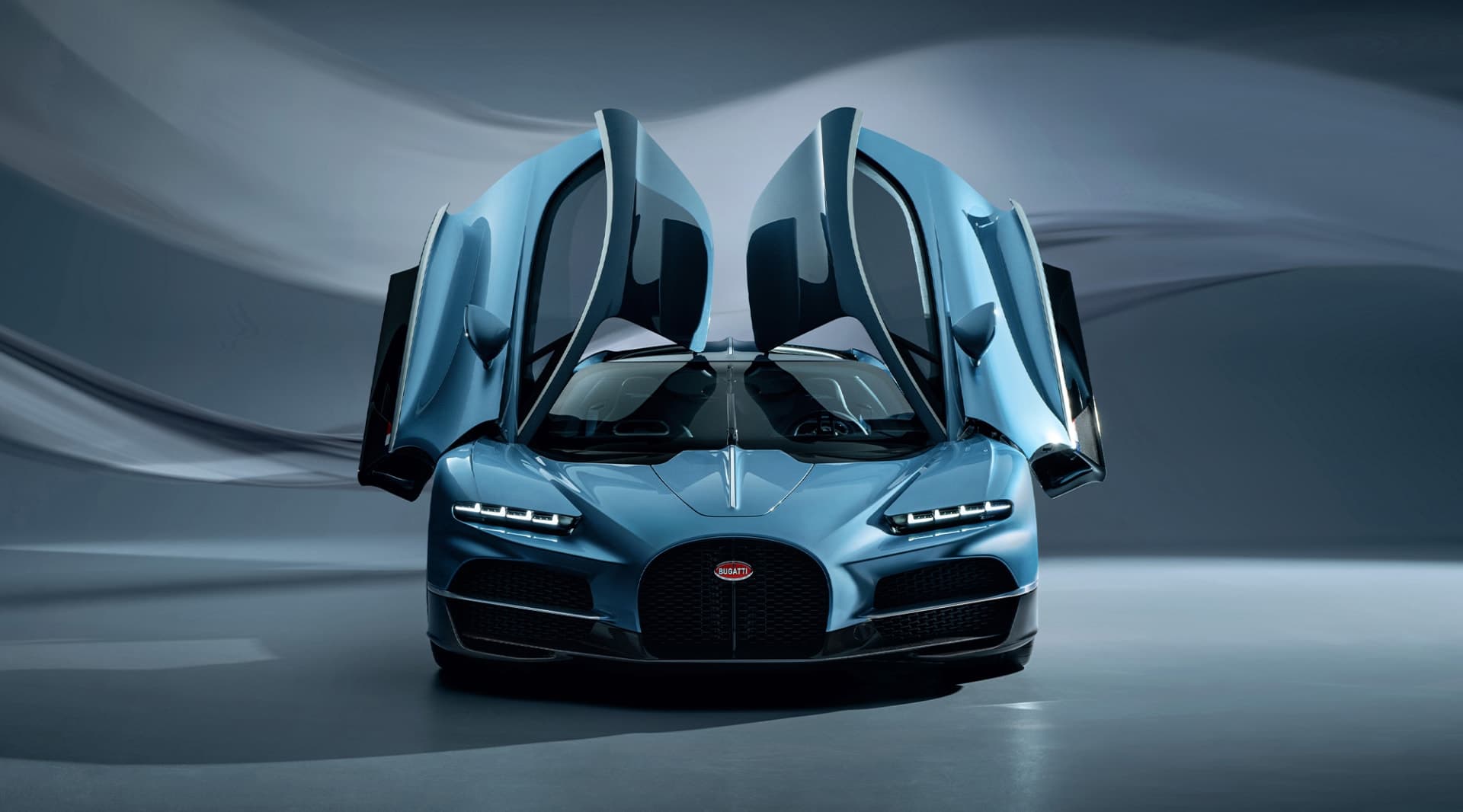
Bugatti says six Tourbillons are now in Belgium. They are allocations, not deliveries: the same release notes in its footnotes that the Tourbillon has not yet received type approval, so no example can be registered anywhere in Europe until it does. Six of a 250-car run is 2.4 percent of the V16 car that passed Europe's 72-decibel noise test without a fake note, at €3.8 million before tax, or about €4.6 million once Belgium's 21 percent VAT is added. At list price, Belgium's six add up to €22.8 million before tax.
Belgium holds 15 of the 950 W16 Veyrons and Chirons ever built
Fifteen Veyrons and Chirons live in Belgium, according to Bugatti. The two W16 models ran to 450 and 500 cars respectively, so a country with 0.15 percent of the world's population holds 1.6 percent of the production run, roughly ten times its share. The relationship predates the W16 by nearly a century: D'Ieteren set up as a coachbuilder in 1919 and Bugatti was one of the chassis it dressed at Rue du Mail, and in 2006 Bugatti Brussels became one of the first dedicated Bugatti showrooms in Europe.
D'Ieteren opened the showroom six days after announcing up to 344 job cuts
The cocktail reception fell on the same day D'Ieteren published half-year results showing its automotive operating margin halved to 2.1 percent, sales down 10.8 percent to €2,269 million and adjusted pre-tax profit down two thirds to €36.4 million. Six days earlier it had told its works council it wants to cut up to 344 jobs, close sites and merge functions under a plan running to 2030. Put the two numbers side by side: the list price of Belgium's six Tourbillons, €22.8 million of revenue, is close to two thirds of the profit the whole automotive business made in six months.
Bugatti changed owners on the same 9 September
The date carried a second event in Molsheim. On 9 September Porsche completed the sale of its Bugatti Rimac and Rimac Group stakes for around a billion euros to a consortium led by HOF Capital, and Bugatti Rimac announced a new leadership team the same day. Christophe Piochon stepped down as president, Mate Rimac took the title himself, and Hendrik Malinowski, who spoke in Drogenbos that evening, was lined up as chief commercial officer. The Belgian dealer therefore opened its doors under one owner and closed them under another.
AutoNext Take
D'Ieteren has put its restructuring plan on display before the works council has finished reading it. The plan says close sites and merge functions, and the Bugatti move does exactly that: a 1919 address in Ixelles traded for two parking spaces on a shared strip, next to the brands whose customers already drive there, with two technicians covering every Bugatti in the country. Bugatti is not where D'Ieteren is spending. It is where D'Ieteren is showing how cheaply a franchise can run when six customers pay €4.6 million each.
Type approval for the Tourbillon is the date that matters. Until it is granted, six allocated cars are six contracts, and Belgium's Bugatti count stays at 15. The Renault Act talks over the 344 jobs run through the autumn. If the first Belgian Tourbillon is registered before the final job number is agreed, the order of those two events will say more about D'Ieteren's 2030 plan than the cocktail did.
Follow us on Google News.
Set AutoNext as your preferred source on Google Discover.