A robot vacuum company promised a 0.9-second rocket supercar, and has quietly given up on cars
The most spectacular thing about Dreame's rocket supercar was always the pitch, never the car.
Dreame, the Chinese firm best known for its robot vacuums, has shut down its automotive division roughly one year after entering the car business. The move liquidates the Starry Sky project and its headline act, a rocket-boosted electric hypercar that claimed 0 to 100 km/h in 0.9 seconds. Layoffs that began in May have cut a division of nearly 1,000 people down to a few dozen.
What Dreame promised
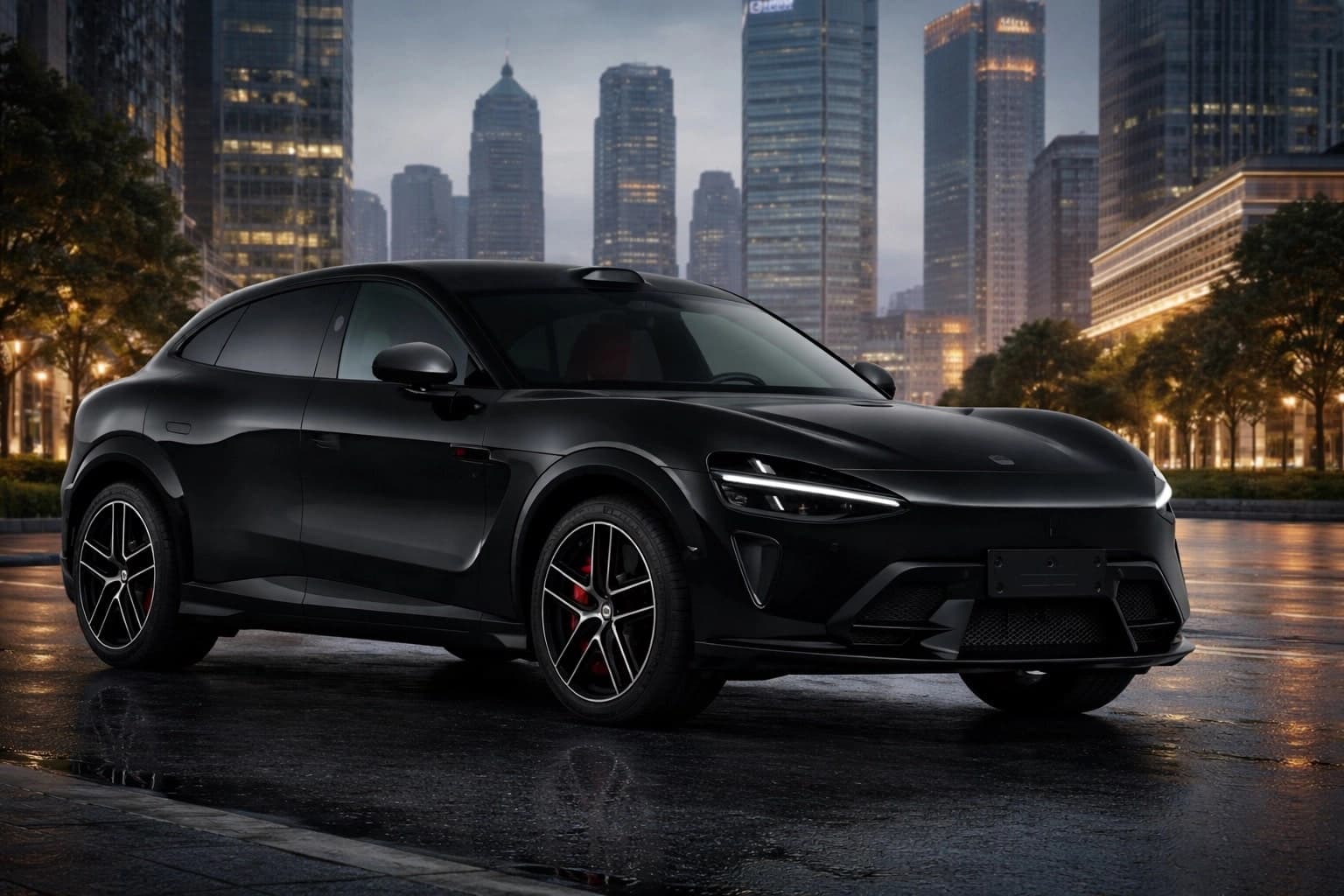
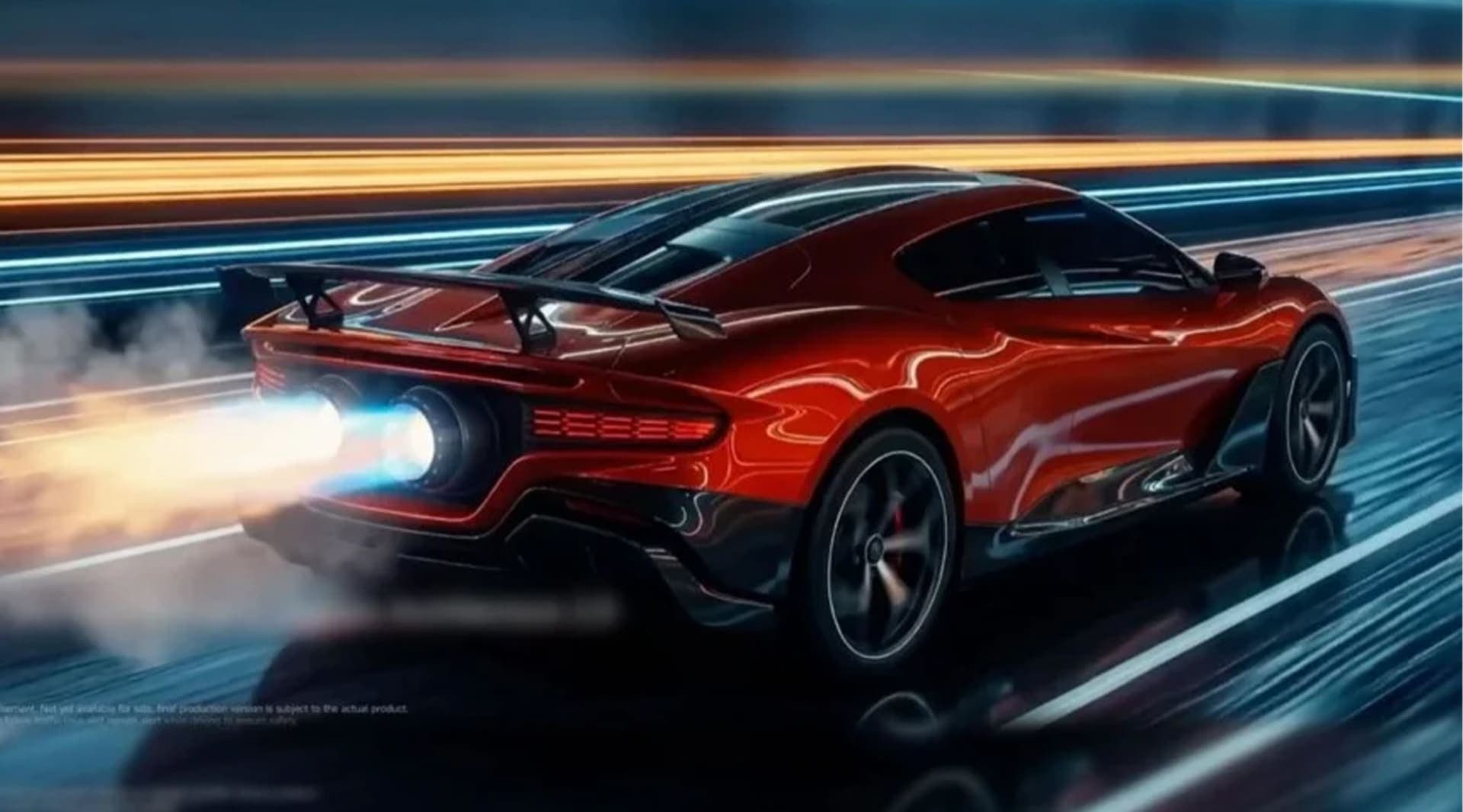
The car was styled as a Bugatti rival and shown twice. A concept with a claimed 1,876 hp appeared at CES in January, and on 27 April a rocket-boosted version called the Nebula Next 01 Jet Edition was unveiled in San Francisco. The pitch leaned on single-use solid rocket boosters producing up to 100 kN of thrust to sidestep the traction limits that stop electric cars from launching that hard. Underneath, Dreame talked up a sulphide-based solid-state battery rated beyond 450 Wh/kg and a CLTC range past 550 km. Nothing was ever homologated, and no price was confirmed.
The CES car could not move on its own
This is the part that reframes everything else. Former employees told China Economy that the supercar shown at CES lacked a chassis and was moved around by remote control. The San Francisco car was reportedly bought from a Shanghai model-making company for several million yuan and dressed up with cosmetic tweaks. In other words, the two vehicles the world saw were not prototypes in any meaningful engineering sense.
The money came before the engineering
Read past the spectacle and the structure tells the story. Insiders describe a division built to raise funds rather than build cars, where, as one account put it, staff were required to secure investment first and worry about a product later. That is the opposite of how a car company normally works, and it explains how a firm with no automotive history produced a rocket reveal before it produced a rolling chassis.
The layoffs are the real news
The people caught in this were not doing cosmetic work. Dreame staffed the division up to almost 1,000 employees at its peak, then began steady cuts from May onward until only a skeleton crew was left to wind things down. Whatever the project was for management, it was a real job for the workers now looking for the next one.
What Dreame keeps
The company is not in trouble. It is retreating to what it is good at, naming four core businesses going forward: vacuum cleaning, robotic lawnmowers, two-wheeled electric vehicles, and its Magic Atom robots. That is a sensible portfolio for an appliance maker, and notably none of it involves rocket boosters.
A familiar collapse
Dreame joins a growing list of outsiders that decided building cars was harder than it looked. Apple spent a decade on Project Titan before shelving it, and the Sony-Honda tie-up walked back its ambitions too. The difference is that those firms at least built running prototypes. The tech-company success story people keep pointing to, Xiaomi, actually delivered cars that set lap records instead of renderings.
AutoNext Take
There is a version of this story that is not funny at all, about nearly a thousand people who staked a year on a project senior management may never have meant to finish. We will hold onto that, because the rest of it is hard to tell with a straight face. A company that makes genuinely excellent vacuum cleaners told the world it would out-accelerate a Bugatti using solid rocket boosters, wheeled out a shell with no chassis, asked for money, and it worked for the better part of a year.
What Dreame has left is the business it was always good at, and there is no shame in robot mowers and electric scooters. In a Chinese EV market that is already thinning to a handful of profitable names, knowing which fights to leave is its own kind of skill. The lesson, for anyone else eyeing a supercar reveal as a shortcut to relevance, is that the attention lasts exactly until someone looks underneath. Dreame got about seven months.