€2.49 per litre: How the oil crisis is changing the real cost of driving in Europe
Fuel prices in Europe have crossed a psychological threshold once again.
Starting tomorrow, diesel in Belgium reaches €2.49 per litre, surpassing the peak levels seen during the 2022 energy crisis. And according to Fatih Birol, the current global energy shock could become more severe than the oil crises of 1973, 1979 and 2022 combined.
The real cost of driving 100 km in 2026
When fuel prices spike, the most important question for drivers becomes simple: what does it actually cost to drive? To understand the real impact, let’s compare three realistic everyday cars frequently used as benchmarks in the European market:
A petrol Volkswagen Golf consuming around 7 L/100 km
A diesel Golf consuming 5.5 L/100 km
An electric Volkswagen ID.3 averaging 18 kWh/100 km, increased to 21.6 kWh when accounting for charging losses.
At the current Belgian fuel prices, the numbers tell an interesting story, the petrol Golf now costs €13.65 per 100 km and the diesel Golf reaches €13.70 per 100 km.
For decades, diesel’s lower consumption offset its higher price per litre. But at €2.49 per litre, that advantage has essentially disappeared. Electric driving tells a very different story, at least under the right conditions.
Charging a Volkswagen ID.3 at home costs between €6.05 and €7.56 per 100 km, depending on regional electricity tariffs in Belgium. That represents a 45 to 56 percent cost advantage over combustion engines. However, the picture changes dramatically when using public fast chargers. With prices around €0.70 per kWh, and expected to rise further as operators such as Fastned adjust tariffs, the cost advantage of EVs can quickly shrink.
Europe’s fuel crisis spreads beyond Belgium
Belgium is far from the only country facing record fuel prices. In Germany, diesel prices have already climbed above €2.50 per litre, according to data from the German automobile association ADAC.
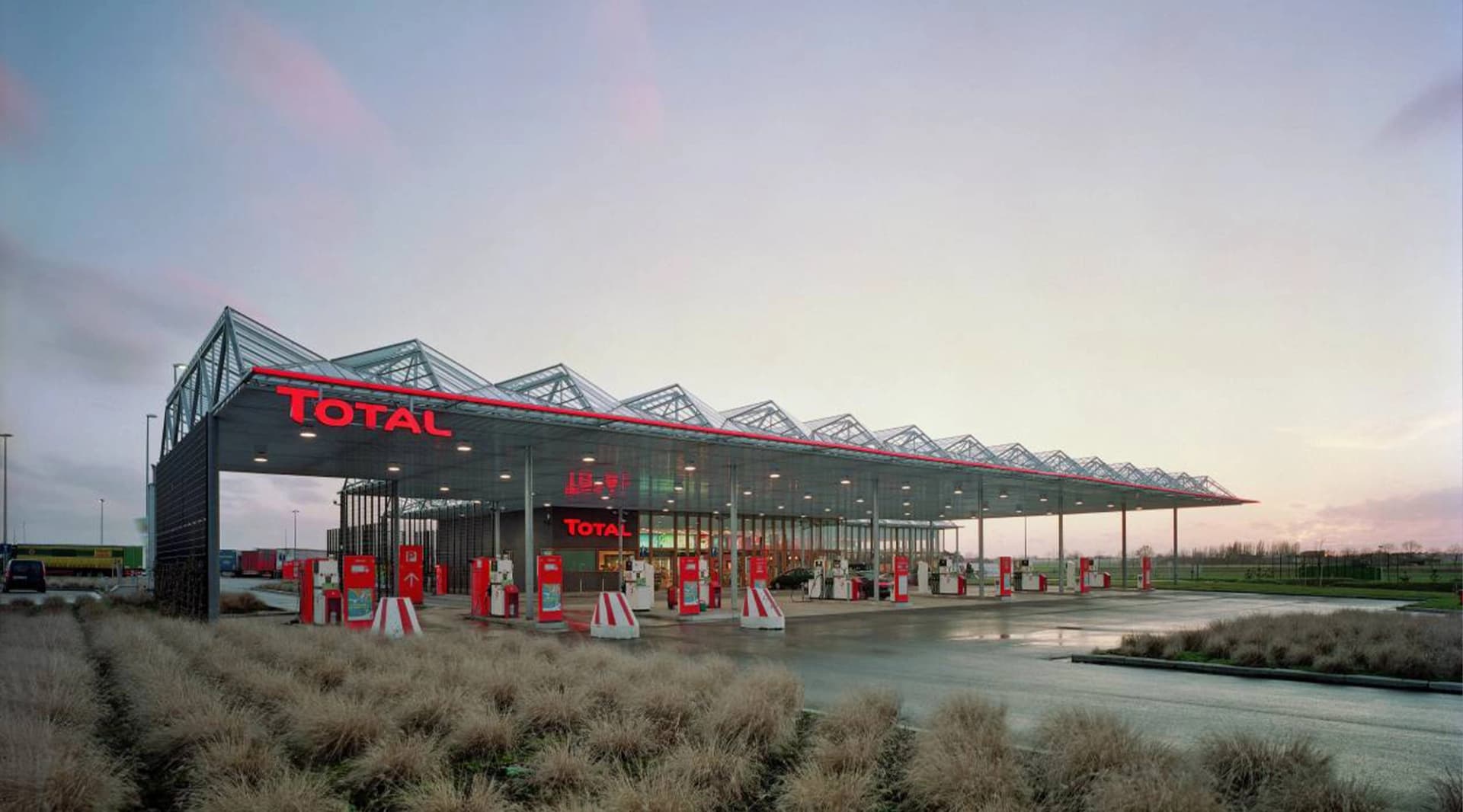
In France, the situation is even more complex. Nearly one in five fuel stations is currently experiencing shortages of certain fuels, largely due to pricing policies introduced by TotalEnergies to temporarily cap pump prices.
Meanwhile, in Netherlands, prices are climbing toward record levels as well, with petrol approaching €2.60 per litre. The crisis is not yet uniform across Europe, but the direction is clear. Energy volatility has returned.
The used EV market may become the next battleground
Interestingly, this new fuel crisis could also reshape the used car market. Early fears around EV battery degradation have proven largely exaggerated. Modern battery packs tend to degrade far more slowly than initial projections suggested, making second-hand electric vehicles increasingly attractive.
That creates a window of opportunity for buyers. But it may not last forever. If fuel prices remain at extreme levels, demand for used EVs could surge and with it, prices. What currently looks like an affordable entry point into electric mobility could quickly become more expensive.
AutoNext Take
The current oil shock is more than just another spike in fuel prices. It highlights a structural reality Europe has been trying to address for years: energy dependency remains a major vulnerability.
For drivers, the implications are immediate. The traditional cost advantage of diesel is disappearing. Petrol remains expensive. And electric cars, while cheaper to run at home, are not immune to rising electricity costs.
What this crisis ultimately accelerates is something already underway. The economic logic of electrification. But as always in the automotive world, the transition will not be linear. Infrastructure, charging costs, and energy policy will all determine how quickly that shift truly happens.
Via Gocar.be