Ferrari's second engine upgrade did not close the gap, and it never expected it to
We flagged that Ferrari's Monza engine update would not change much. Ferrari has now said exactly the same thing itself.
When Ferrari brought the second of its permitted engine upgrades to Monza, the hope was that it might start to close the power gap that has defined its season. It has not, and Ferrari is not pretending otherwise. Team principal Fred Vasseur has bluntly admitted that the car is still “missing pure power,” and, more strikingly, that the team never expected these upgrades to fix the problem in the first place.
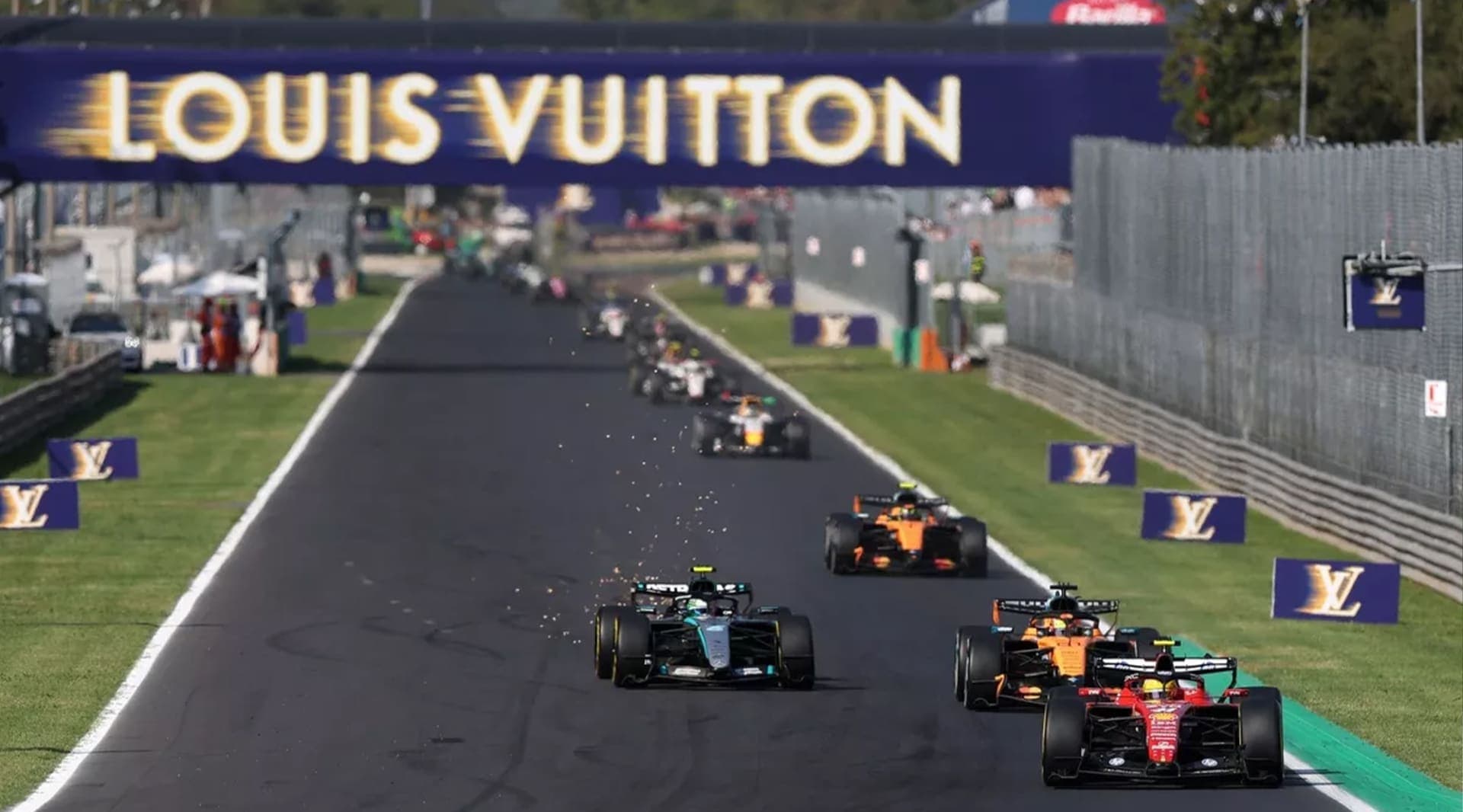
Still down on pure power
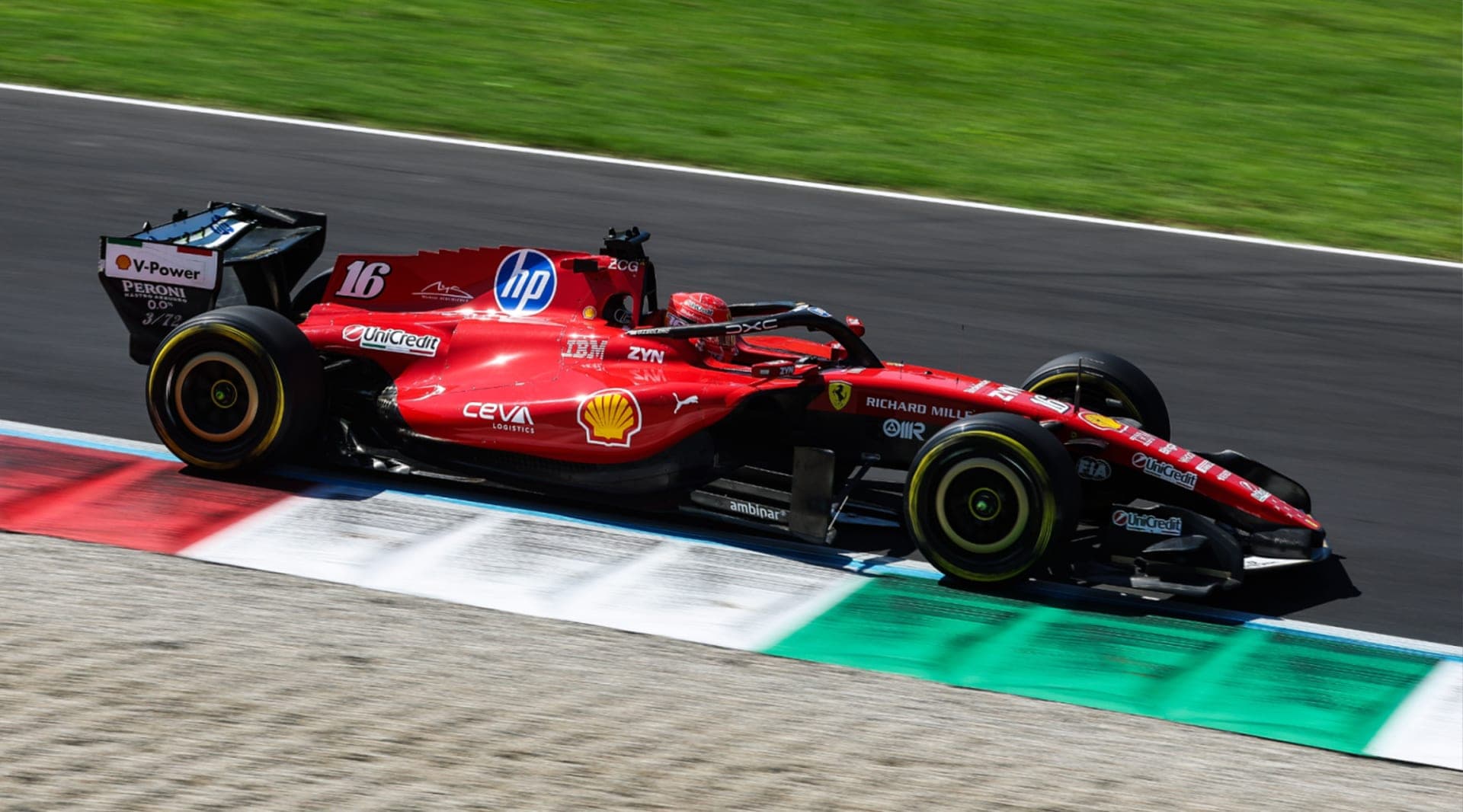
The numbers are unforgiving. At Monza, one of the ultimate tests of straight-line speed, Ferrari was 5.6 km/h slower in top speed than Mercedes, which has the strongest engine in Formula 1 this year. That is not a gap you can hide with clever energy deployment, because once the fundamental power is missing, no amount of software tuning brings it back. Vasseur was clear about how much the deficit hurts on the fastest circuits, explaining that a shortfall costing two or three tenths at a track like Zandvoort becomes twice as damaging at a power circuit like Monza. The engine is the problem, and Monza is where it shows most.
Ferrari never expected ADUO to fix it
The most revealing part was Vasseur's honesty about expectations. “We were not expecting to recover with ADUO 1 or ADUO 2. We are doing small steps,” he said, pointing to the long lead times of engine development and the constraints of the cost cap. That makes any dramatic mid-season recovery unrealistic, which is exactly the argument we made when Ferrari brought the upgrade. The catch-up mechanism was never going to transform the car, and the real fix does not arrive until the all-new power unit rules of 2027.
No game-changer for Haas either
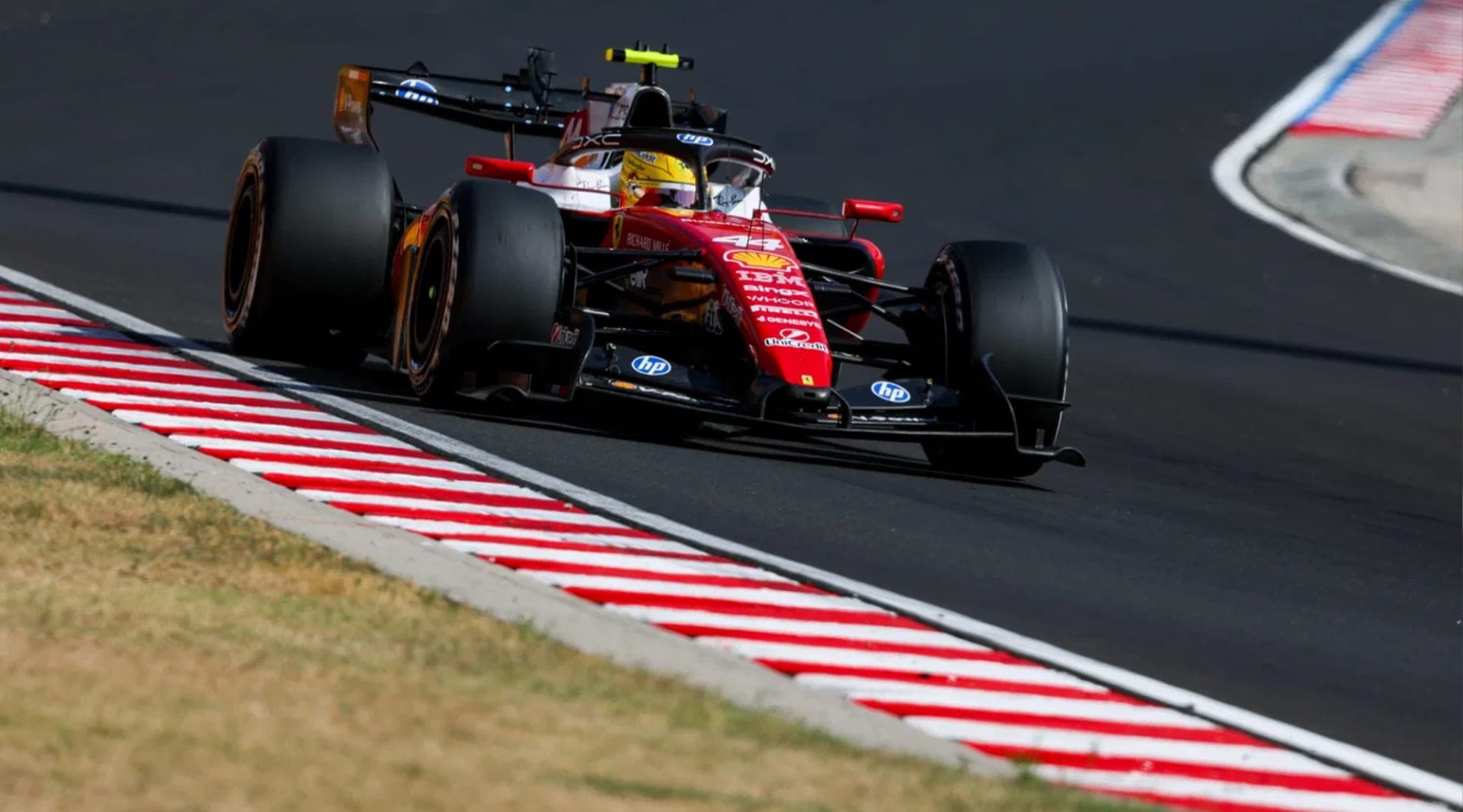
If confirmation were needed that the step is small, it came from a customer team. Ferrari-powered Haas fitted the ADUO 2 engine to Oliver Bearman at Monza, and while he qualified 12th, his best since March, the team still finished out of the points for the seventh race in a row. Bearman was candid about the engine's contribution, saying it was “a much smaller step than what the aero upgrade was,” and that the new power unit alone “wouldn't have been enough to get us out of the fight for Q1” at earlier races. He reckoned the team's aerodynamic work was worth more than twice, even three times, what the engine gained. When the customer barely notices the upgrade, the size of the step is not in doubt.
The Monza reality
All of this played out at the worst possible venue for Ferrari. On a weekend when Mercedes locked out the front with a one-two and Kimi Antonelli won from 19th, Ferrari's home race unravelled, with Charles Leclerc crashing out and Lewis Hamilton unable to do better than sixth. A power deficit that is manageable elsewhere was laid bare on Monza's long straights, turning a difficult afternoon into a genuinely painful one in front of the tifosi.
AutoNext Take
There is a lot to respect in how openly Vasseur is dealing with this. Plenty of team principals would spin a new engine as a step forward and let the results quietly disappoint. Instead he has said the obvious out loud: the car is missing pure power, the upgrades were only ever small steps, and nobody at Maranello expected ADUO to change that. Honesty like this is rare, and it is the right way to manage expectations when the calendar, the cost cap and the laws of engine development are all working against you.
The deeper point is the one that has shaped Ferrari's whole season. This is a team with, by common consent, one of the best chassis on the grid, an aerodynamic package rivals keep copying, held back by a single fundamental weakness it cannot engineer away until the rules reset. ADUO exists precisely to help in this situation, and it has barely moved the needle, for Ferrari or for Haas. That is not a failure of effort, it is a structural reality of modern Formula 1, and it means Ferrari's real answer is still eighteen months away. Until 2027, the fastest thing about this Ferrari will remain the parts everyone else is trying to copy, not the engine behind them.