The FIA wants more control of the WEC, and Le Mans could pay for it
The 24 Hours of Le Mans is the reason the World Endurance Championship exists. A power struggle between the FIA and the ACO now raises a once-unthinkable question: could the WEC continue without it?
According to Germany's Auto Motor und Sport, the FIA is examining whether to replace the Automobile Club de l'Ouest as promoter of the World Endurance Championship. Two contracts underpinning the arrangement expired in June: one making the ACO's LMEM subsidiary the WEC's organiser, and one keeping the 24 Hours of Le Mans on the world championship calendar. Talks to renew them have stalled, and the FIA is reportedly ready to look elsewhere, potentially even opening the promotion to a public tender.
Nothing is confirmed, and no new promoter has been named. But the stakes are enormous.
What is actually at risk
The nightmare scenario is simple to state. If the FIA hands WEC promotional rights to another party without a separate deal with the ACO, the 24 Hours of Le Mans would likely stop counting toward the world championship. The race itself would survive, because the ACO owns it, but a WEC without Le Mans, and a Le Mans outside the WEC, would be a diminished version of both. Le Mans is the crown jewel, and a championship built around it that no longer includes it is hard to imagine.
The real fight: money and control
Underneath the contract language is a power struggle. Historically the ACO enjoyed unusually favourable terms, agreed under former FIA president Jean Todt: lower financial contributions than other promoters, in exchange for bringing Le Mans and holding rare influence over the sport's top-class technical rules. FIA President Mohammed Ben Sulayem, re-elected in December 2025, wants to rewrite that, with bigger payments to the FIA, more governance and technical oversight, and greater visibility at events. “Le Mans is ultimately an FIA race,” he has said, insisting the federation needs “balance” with the championship's owner. ACO President Pierre Fillon has reportedly rejected the new terms, and the relationship has soured.
It is the same expansionist FIA at work elsewhere, the one now floating a GT1 framework for hypercar brands. Ben Sulayem is pushing on several fronts at once to pull more authority, and more money, back to the governing body.
Why the manufacturers matter most
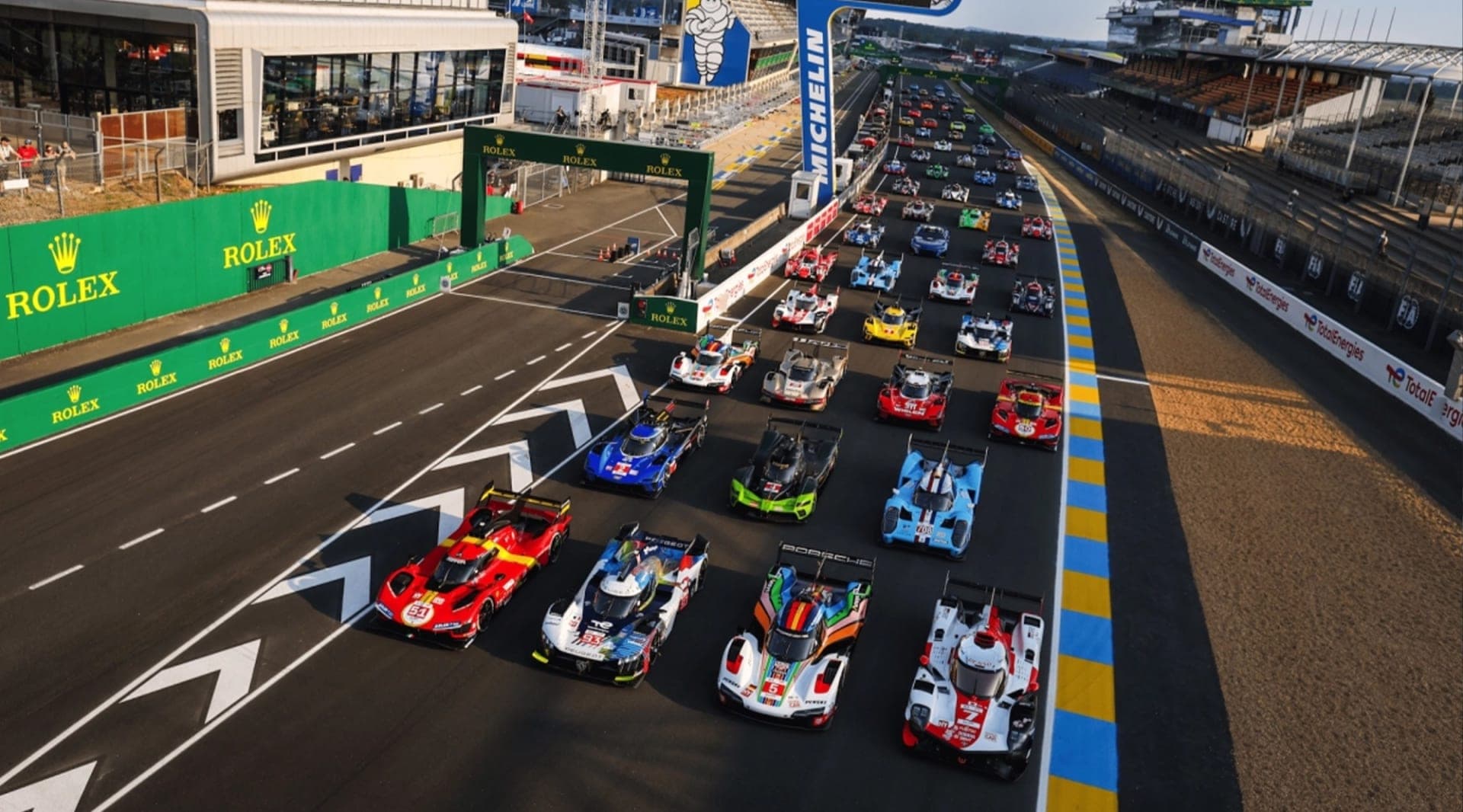
The people with the most to lose, and the most leverage, are the manufacturers. The current Hypercar era is the healthiest top-class sports car racing has been in decades, with Aston Martin, BMW, Cadillac, Ferrari, Genesis, McLaren, Peugeot and Toyota all committed and Ford arriving in 2027. Those brands signed up to a championship whose centrepiece is Le Mans and whose rules are co-written by the ACO and IMSA. A messy FIA-ACO divorce would force them to choose between an FIA series without Le Mans and an ACO-run rival, and it could threaten the ACO-FIA-IMSA convergence that made the Hypercar boom possible in the first place. No manufacturer spends this kind of money to be dragged into a governance war.
AutoNext Take
Read this as a negotiation, not a done deal. The FIA letting it be known that it could replace the ACO is textbook leverage, aimed at a partner that has held a strong hand for years, and the likeliest outcome is still a renewed contract on terms somewhere between the two positions. Neither side actually benefits from a WEC without Le Mans, or a Le Mans exiled from the WEC.
But leverage has a way of getting out of hand, and this FIA has shown it will push hard and in public. If it miscalculates, it risks damaging the single healthiest championship in modern motorsport at the exact moment manufacturers are pouring money into it. Le Mans will always be Le Mans. The danger is that the world championship built around it becomes collateral damage in a fight that was really about who gets paid, and who gets to write the rules.