WEC keeps Le Mans until 2037, and the FIA gets the rulebook
Twelve days after denying a crisis, the FIA and ACO signed for another decade
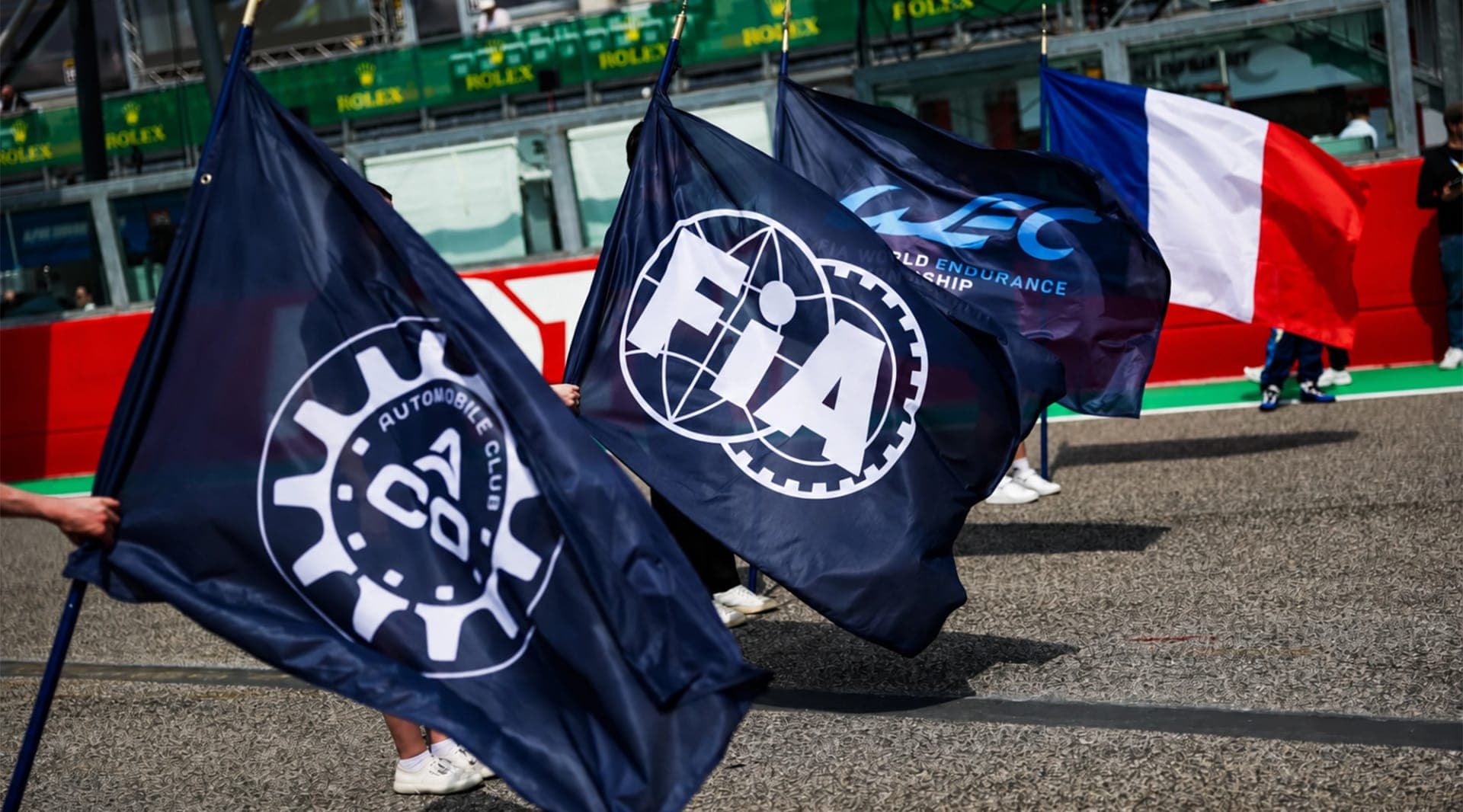
The FIA and the Automobile Club de l'Ouest will jointly run the World Endurance Championship until the end of 2037. Their new ten-year agreement takes over when the current one expires after the 2027 season, and was announced on 30 September. It settles a dispute that surfaced in mid-September, when a German report suggested the FIA might replace the ACO as promoter and cost Le Mans its world championship status.
The World Motor Sport Council now signs off every WEC rule
Under the new agreement, every WEC regulation goes through FIA Working Groups and the FIA Endurance Commission before the World Motor Sport Council gives final approval. That is the governance shift FIA president Mohammed Ben Sulayem wanted. Auto Motor und Sport reported that under terms agreed in the Jean Todt era, the ACO paid lower contributions than other promoters and held unusual influence over top-class technical rules, the price of bringing Le Mans. The joint statement does not say what the ACO pays now.
Hypercar homologation moves to a joint FIA and ACO process
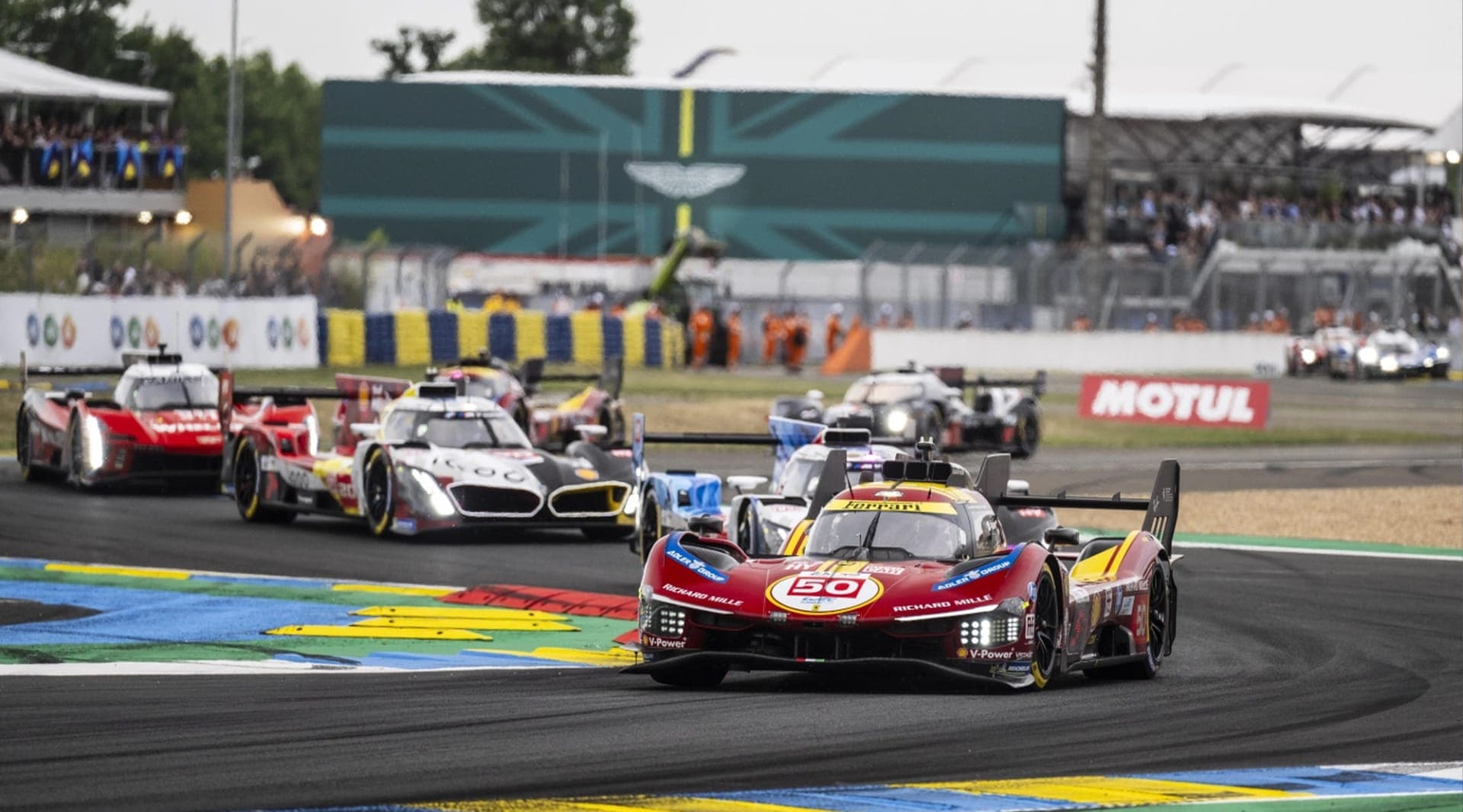
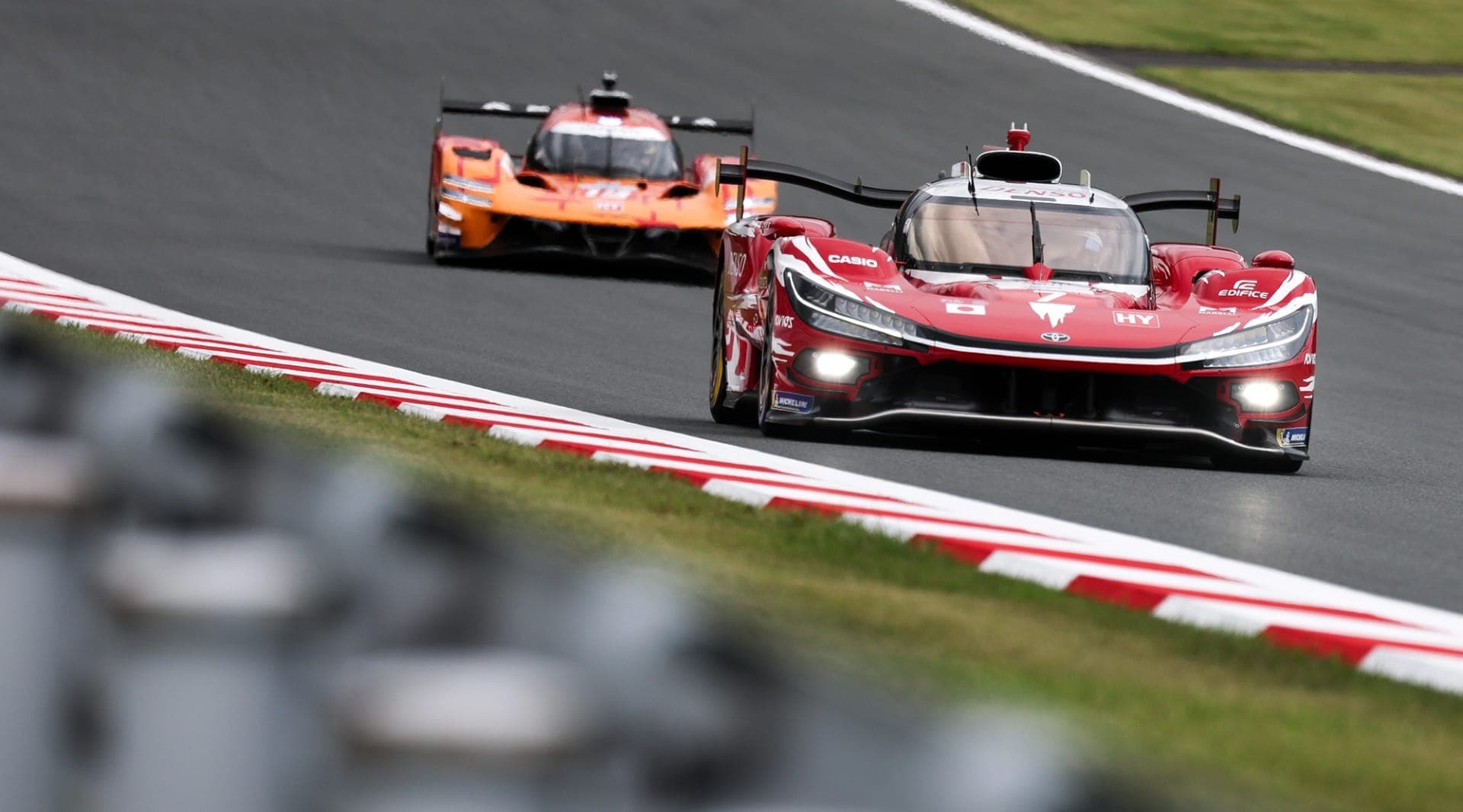
The FIA and the ACO will jointly oversee homologation of every car in the Hypercar class, in what both call a streamlined process. That covers Le Mans Hypercars such as Toyota's and Ferrari's, and the LMDh cars built to rules shared with America's IMSA series, which BMW, Cadillac and Genesis race. IMSA is not named anywhere in the statement, so how the convergence that lets one car race at both Daytona and Le Mans fits the new process is not spelled out.
The 2037 deal outlasts the Hypercar rules, which end in 2032
The contract runs five seasons past the current technical rules. During Le Mans week in June 2025, the ACO, FIA and IMSA extended the Hypercar and LMDh regulations to the end of 2032, and Michelin's control-tyre contract runs to the same date. The next generation of top-class cars, the one manufacturers will be asked to fund from 2033, will therefore be written under the new FIA-led process rather than the arrangement that produced today's grid.
The FIA gains branding on WEC podiums, safety cars and broadcasts
The visible part of the deal is branding. The FIA gets what the statement calls significantly increased presence in parc fermé, on the podium, on the safety cars and across television coverage. Ben Sulayem, re-elected in December 2025, had said publicly that Le Mans is ultimately an FIA race, and from 2028 it will look more like one. The ACO keeps what matters most to it: the race itself, which it owns, and the promoter role through its Le Mans Endurance Management subsidiary.
Ford and McLaren join a WEC Hypercar grid that now runs to 2037
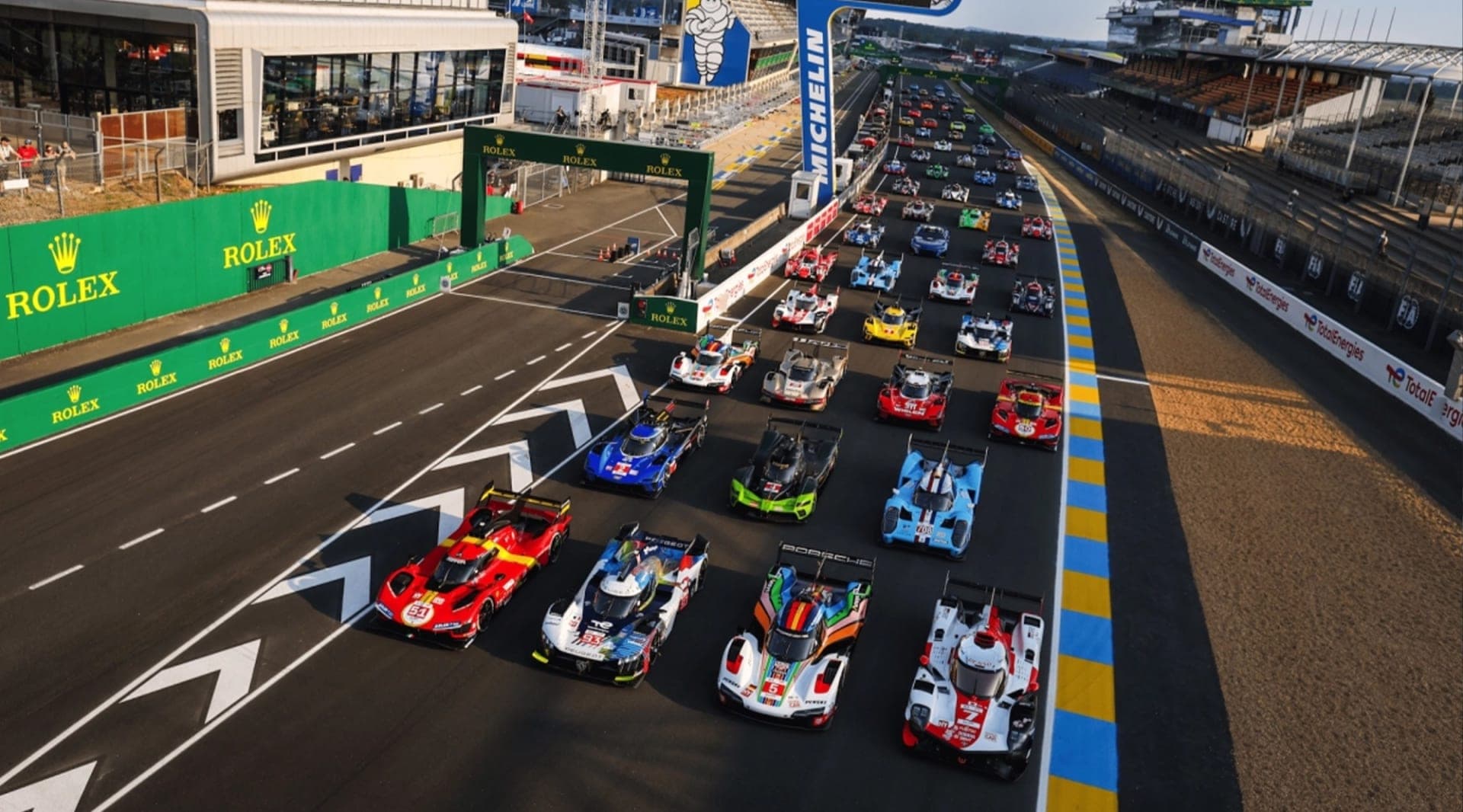
Manufacturers get the stability they were asking for. Ford and McLaren both arrive in the Hypercar class in 2027, joining Toyota, Ferrari, Peugeot, BMW, Cadillac, Aston Martin and Genesis, while Geely weighs a takeover of Alpine's programme. A brand that signs up now for the 2033 rules knows the championship around it exists until 2037. Porsche's factory exit after 2025 showed how quickly a grid can thin, and a governance war would have handed others the same excuse.
AutoNext Take
Le Mans stayed in the world championship, and that was the only outcome that mattered. The FIA has taken the rulebook and the podium backdrops, the ACO has kept its race and its promoter role, and nobody had to find out what a WEC without its 24 Hours would be worth. Twelve days from a public denial to a signed decade is fast work for two bodies reported to be barely speaking in mid-September.
The first verdict on the new structure will come with the post-2032 Hypercar rules. If the World Motor Sport Council ratifies them by the end of 2028, with IMSA's LMDh cars still eligible at Le Mans, the FIA's extra control will have bought the sport a faster rulebook rather than a slower one, and that is what manufacturers need before they sign for another decade.