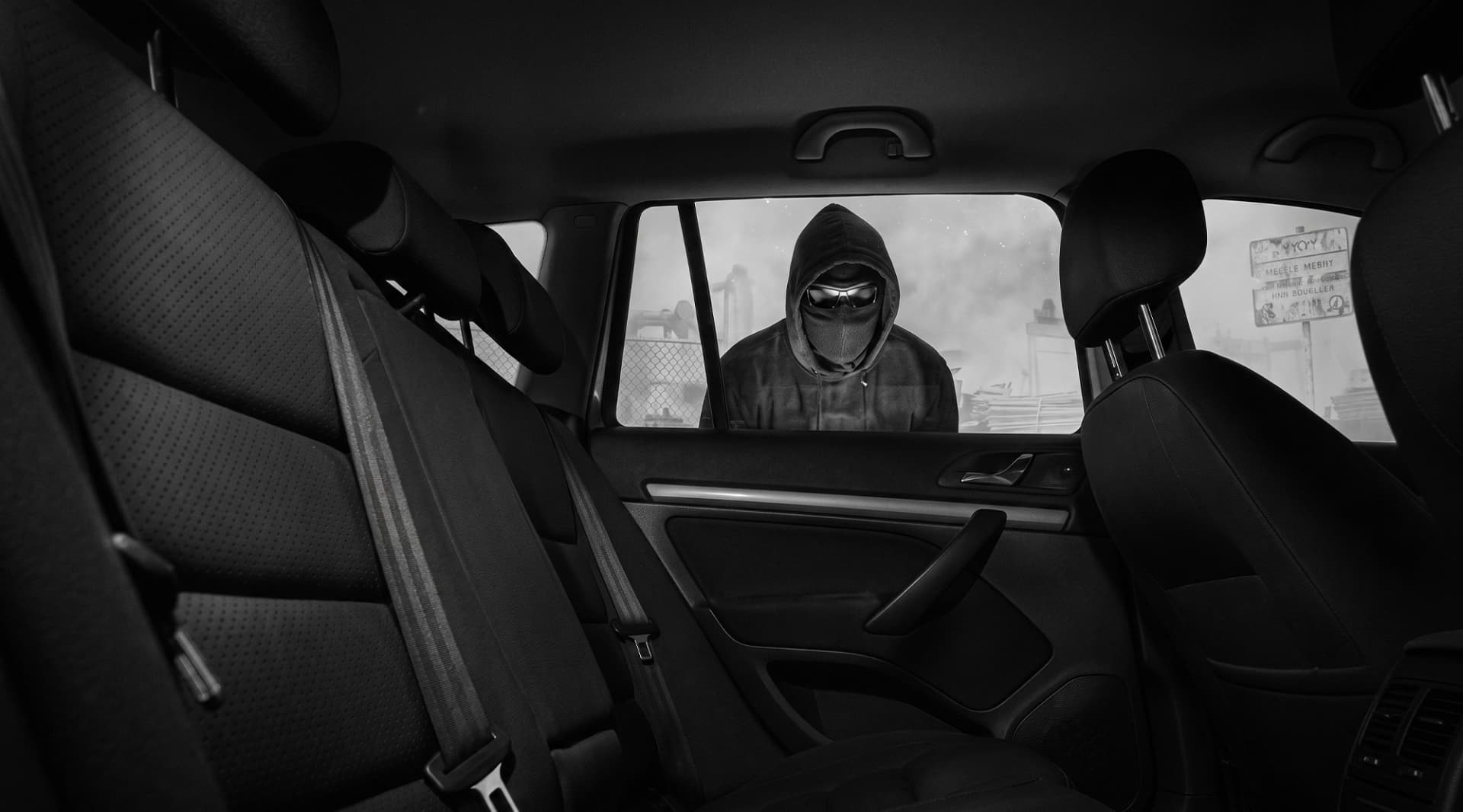
Heads up if you're driving to France: thieves are now stealing rear seats
The strangest car-crime trend of the year has a weirdly logical explanation
File this one under crimes you did not see coming. Car thieves in France have reportedly found a lucrative new target, and it is not the wheels, the badge or the catalytic converter. It is the rear seats, and there is a surprisingly logical reason why they are suddenly worth stealing. If you are heading south this summer, it is worth knowing about.
Why on earth would anyone steal a rear seat?
It comes down to commercial vehicles. Fleet and van-style versions of small cars like the Citroen C3 and Renault Clio are often sold without rear seats, to qualify as two-seat commercial vehicles. When those cars later hit the second-hand market, some owners want to turn them back into normal five-seaters, and that is where the demand comes from. Rather than pay the manufacturer, they look for a cheaper seat, and thieves have spotted the gap.
The money makes it worthwhile
The economics are stark. A rear bench bought officially from the carmaker can cost several thousand euro, but a stolen one changes hands on the black market for as little as 500 to 600 euro, up to ten times cheaper. That gap is fuelling a wave of thefts. In the Oise region north of Paris, thefts of car accessories are up 30 percent compared with 2025, and a single search of one classified-ads site in the wider Paris area turned up 119 suspicious listings.
A false economy, and a legal minefield
Here is the sting in the tail for anyone tempted to buy one of these cheap seats. Simply bolting a rear bench into a two-seat commercial car does not legally homologate it as a five-seater. Worse, in the event of an accident, insurers may refuse to pay out. So a bargain seat can leave you uninsured and driving an illegally configured car, which is a very expensive way to save a few hundred euro. It also feeds the very theft cycle that may one day hit your own car.
AutoNext Take
It sounds almost comical, thieves making off with your back seats, but the story is a neat lesson in how car crime follows the money. Just as sky-high metal prices drove the catalytic-converter epidemic, a simple supply-and-demand gap has turned ordinary seats into loot. If you drive a Citroen C3, a Renault Clio or a similar ex-fleet car in France, park sensibly and stay alert. And if you are ever offered a suspiciously cheap replacement seat online, walk away: you would be buying stolen goods, risking your insurance, and keeping a nasty little racket in business.
The cars in the crosshairs are big sellers: see the electric Renault Megane E-Tech facelift and Citroen's cheeky Sytroen rebrand. If you are driving abroad this summer, also mind the higher Belgian traffic fines from July.
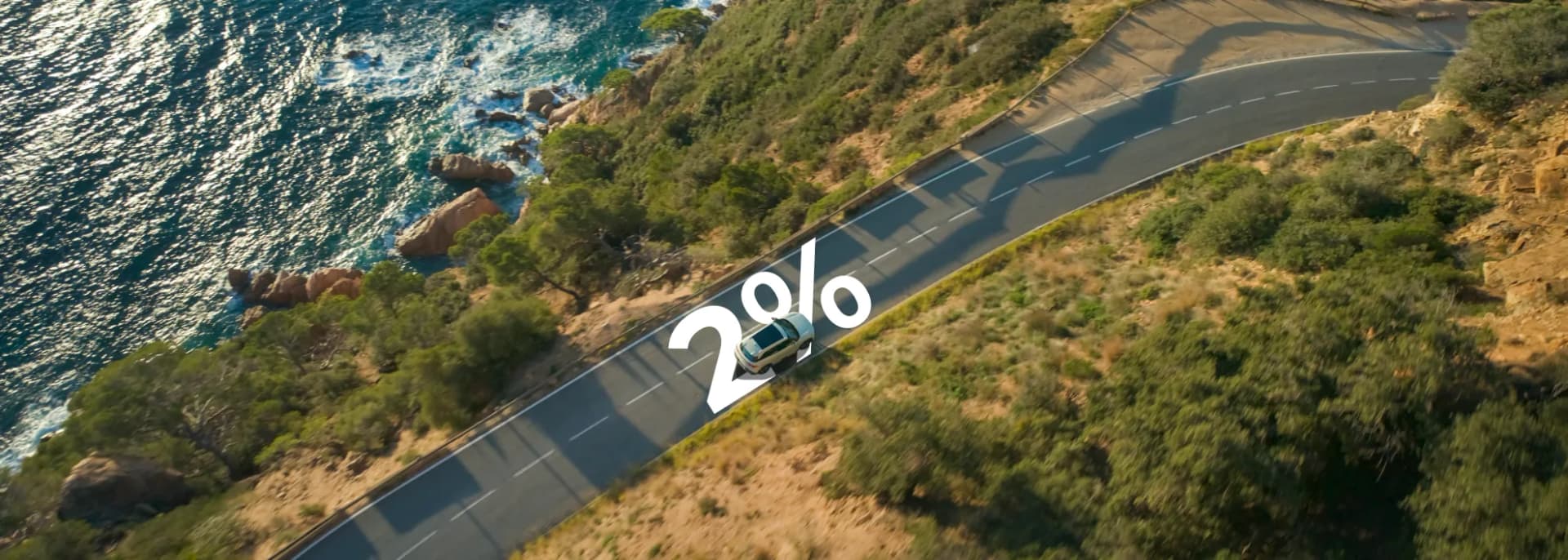
BYD just cracked 2% of the Belgian market for the first time
BYD Belgium has broken the 2% market share barrier for the first time, a milestone reached in June 2026 and announced on 2 July. Confirmed by FEBIAC registration data, it makes BYD one of Belgium's fastest-growing car brands, with a strong showing across both private and fleet buyers. The company credits an expanded model line-up, a growing dealer network and steady month-on-month gains, and says the result keeps it on track for its 2026 goals.
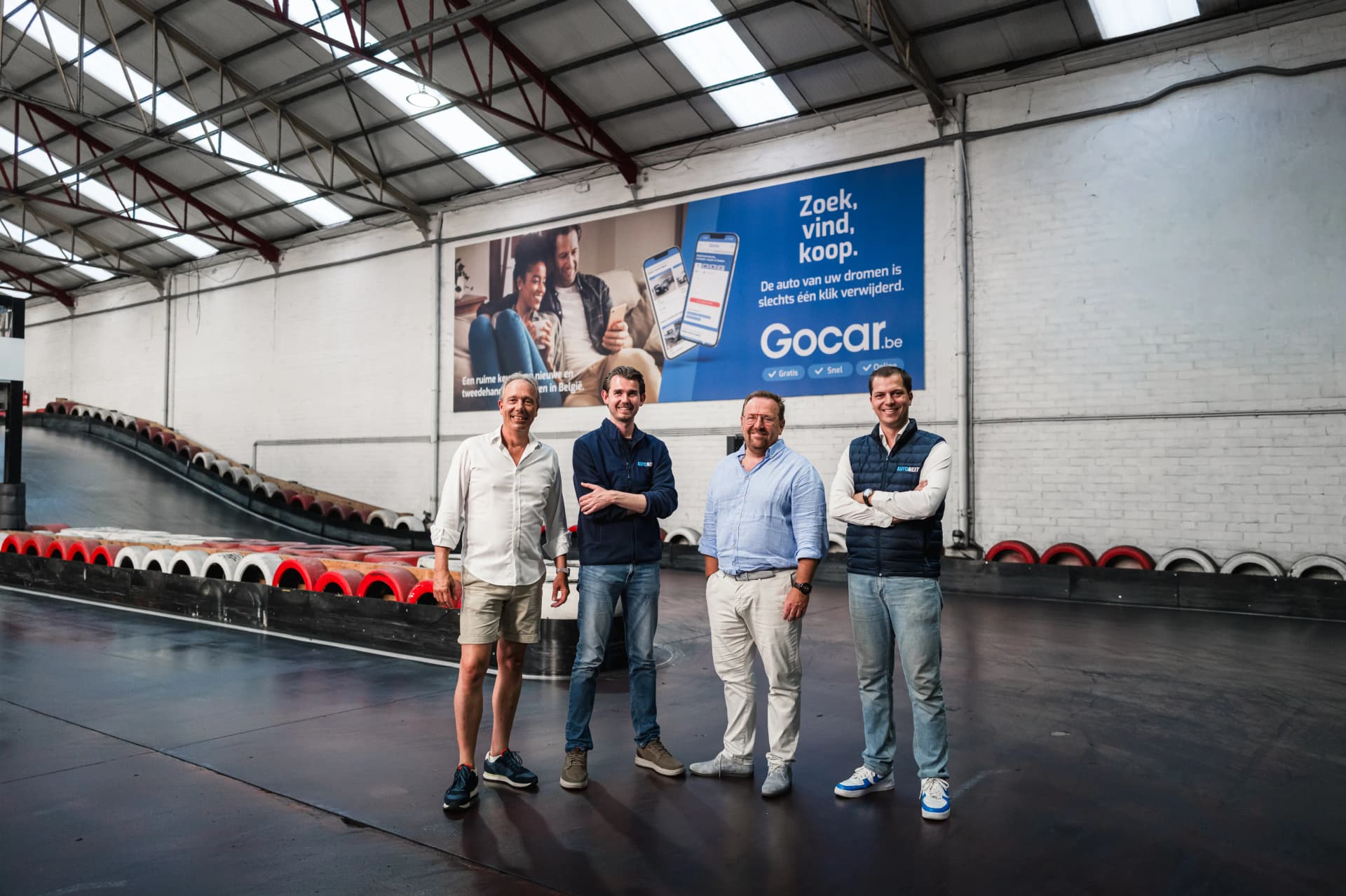
Gocar.be and AutoNext join forces to give cars and sellers more visibility
Gocar.be and AutoNext.co are entering a strategic partnership. Vehicles published on Gocar.be can gain extra visibility on AutoNext with a direct link back to the original listing, while Gocar.be becomes a media partner of AutoNext. For car buyers it means more information and better orientation; for dealers, brands and automotive partners it opens up extra opportunities around content, social media, lead campaigns, model communication and events.
Volkswagen is reportedly killing its EUR 1.5 billion self-driving dream
Volkswagen is reportedly pulling the plug on ADA, the Automated Driving Alliance it has run with Bosch since 2022, according to German paper Bild. Insiders say the roughly 1.5 billion euro project, employing more than 1,000 developers, has been judged not competitive enough against Tesla, Mercedes and fast-moving Chinese rivals. VW is said to want to end the Bosch tie-up and find a new partner by autumn, as part of CEO Oliver Blume's restructuring. Neither company has confirmed it.
