Germany's V2G rules drop the second meter that threatened EV owners
A parked electric car in Germany can now trade power without a second meter
Germany's federal energy regulator is rewriting its rules for vehicle-to-grid charging after carmakers and energy companies warned they would kill it. The Bundesnetzagentur adopted the final MiSpeL framework on 1 October, dropping a second smart meter for households without solar panels and shrinking the buffer that would have eaten most of an owner's earnings.
Germany's MiSpeL rules drop the second smart meter for V2G homes without solar
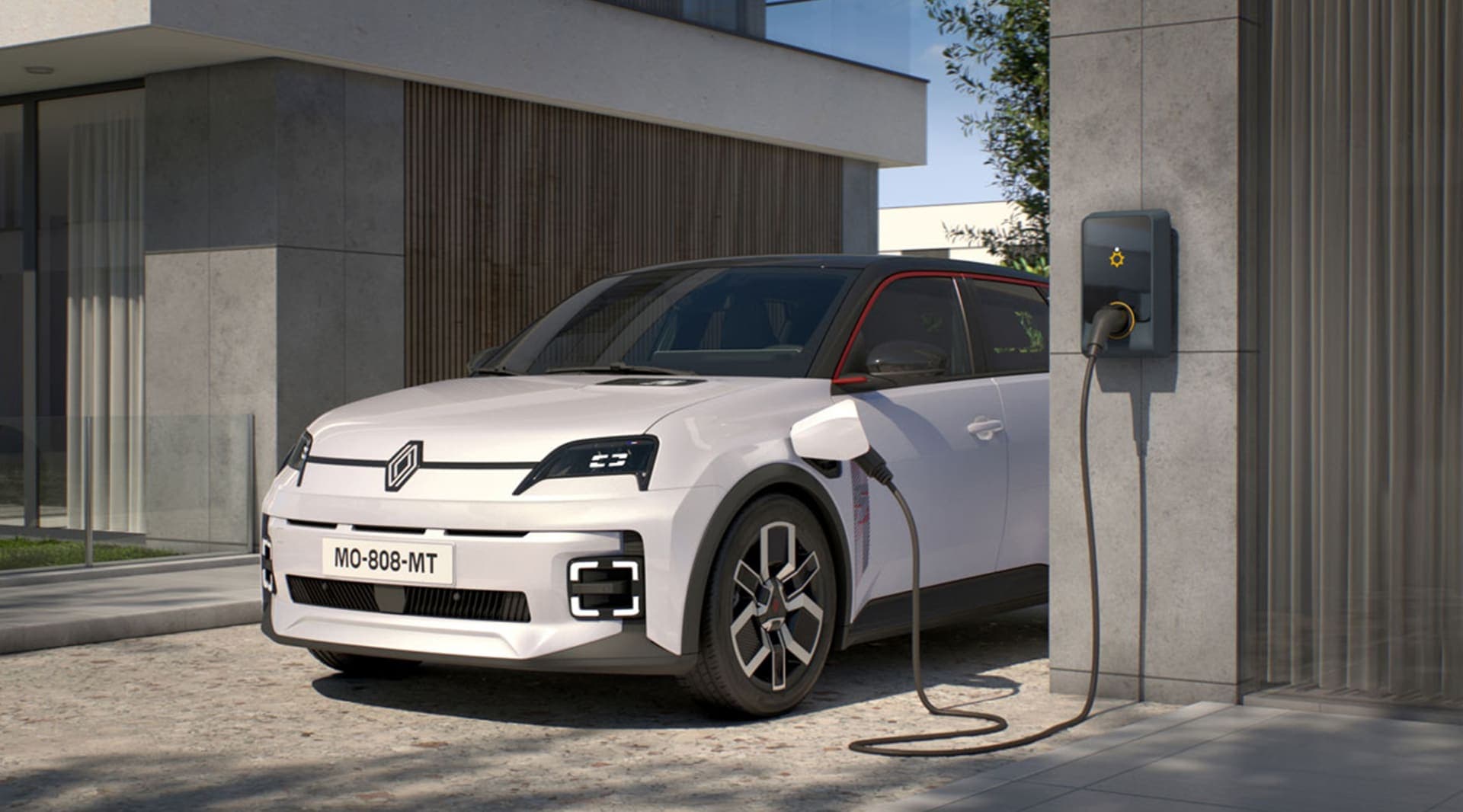
Households without solar panels can now separate charged and returned power with a single smart meter. The draft would have required a second one, which Marcus Fendt of The Mobility House put at €1,000 to €3,000 to install, depending on the fuse box, plus up to €100 a year in meter fees. That alone could have wiped out a year of V2G income. The change builds on an energy law in force since 1 January 2026 that treats an EV battery as storage, so grid fees are paid once, when the car charges, rather than again when power flows back.
Solar homes get a 0.2 buffer factor instead of 0.5 under Germany's flat-rate option
For homes with solar panels up to 30 kWp, the simplified flat-rate option counts up to 500 kWh per kWp a year of exported power as subsidised solar, so 5,000 kWh on a 10 kWp roof. Above that sits a buffer zone with neither subsidy nor fee relief, and only beyond it is power treated as returned from the car. The regulator cut the factor that sizes that buffer from 0.5 to 0.2. Fendt had calculated that under the draft, savings of €500 to €700 a year could fall to €50 to €70 in some setups. He now calls the point largely settled, though it stops short of full equality with a home battery.
BMW, Ford, E.ON and Octopus Energy pushed the Bundesnetzagentur into a U-turn
Little more than a week before the decision, BMW, Ford, Volkswagen's charging arm Elli, E.ON, Octopus Energy, The Mobility House and Enpal signed a joint letter warning that the draft would stall bidirectional charging. The final text of more than 200 pages now says any bidirectional EV can be integrated into the market at any bidirectional charge point, and treats charge points like stationary storage wherever possible. Regulator president Klaus Müller said good arguments convince his authority, then handed the job back: carmakers and suppliers must now bring the cars, wallboxes and tariffs to market.
The BMW iX3 and Audi Q4 e-tron already have German V2G tariffs
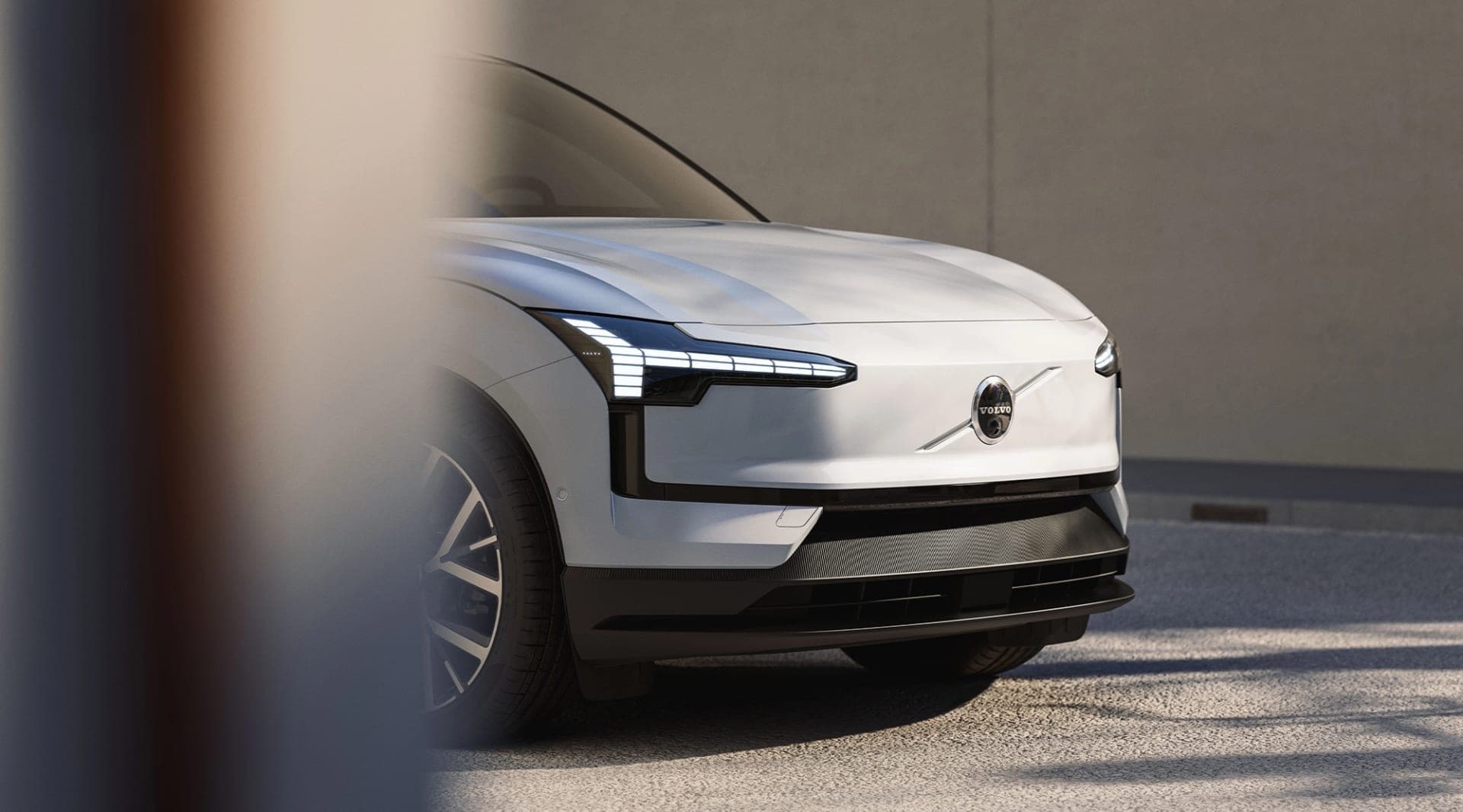
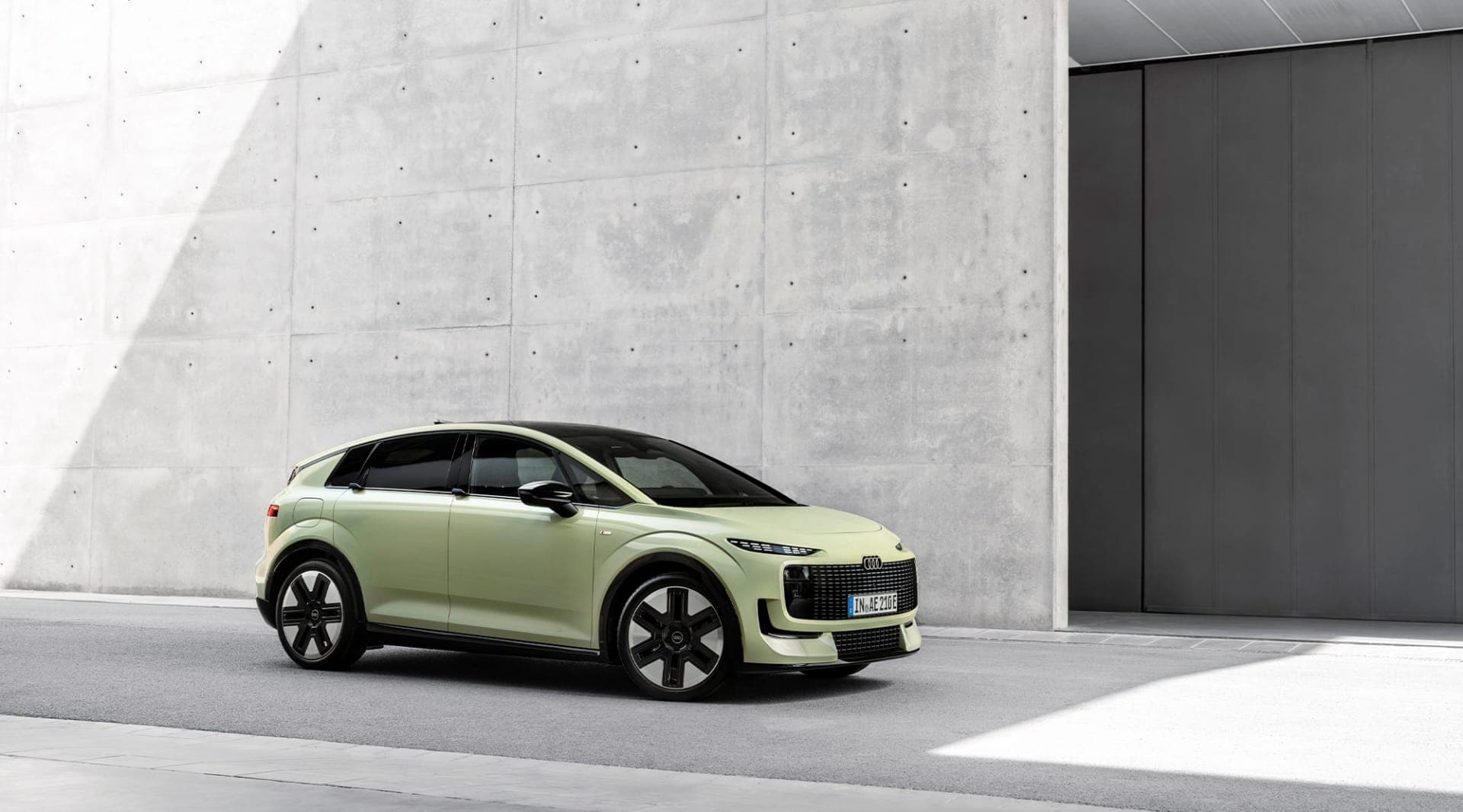
E.ON pays BMW iX3 drivers a premium of up to €720 a year if the car stays plugged in for an average of eight hours. Octopus Energy charges owners of the Audi A2 e-tron, Q4 e-tron and Q4 Sportback e-tron 18 cents per kWh below its normal rate, plus €30 a month when the car spends 300 hours connected. That threshold is less than half of the 630 hours a month the average German car stands parked, according to the government's 2023 mobility survey. A vehicle-to-load socket, like the one Volvo switched on for the EX30, does not qualify.
Germany's V2G transition runs to 30 September 2027 and still needs Brussels
Until 30 September 2027, the new options apply only where the grid and meter operators agree to take part early. The flat-rate option for solar homes also still needs state-aid approval from the European Commission. Power the car uses for driving keeps paying levies and grid fees in full. And a cabinet draft of Germany's 2027 renewable energy reform would end permanent feed-in support for new solar systems under 25 kW, which makes the subsidy accounting less relevant for future roofs. The fee relief on stored and returned power stays either way, and that is the part an EV owner without solar actually needs.
AutoNext Take
Germany has not made V2G profitable. It has stopped its own paperwork from making it unprofitable, which is more useful than it sounds. One meter instead of two and a 0.2 factor instead of 0.5 should move a typical owner from Fendt's €50 to €70 a year back towards the €500 to €700 that E.ON and Octopus already advertise. The regulator listened, changed the text within days and published it. That deserves credit.
E.ON and Octopus now have room to improve their offers, and they should do so before the transition ends on 30 September 2027. If the €720 premium and the 18-cent discount are still Germany's best V2G deals by then, and the list of compatible cars still stops at a handful of BMWs and Audis, the delay will belong to the industry that wrote the letter, not to the regulator that answered it.