Horse's B20 engine keeps running 1.1 metres underwater, deeper than a Defender
IPX8 is a phone-testing standard, and Horse just applied it to a 2.0-litre turbo
Horse Powertrain revealed the HORSE B20 on 8 September, a four-cylinder petrol engine sealed to the IPX8 ingress standard and rated to keep running under 1.1 metres of water. No production 4x4 sold in Europe is signed off that deep. The engine is already fitted to a car, and that car wades 300 millimetres less than the engine allows, which is the part worth explaining.
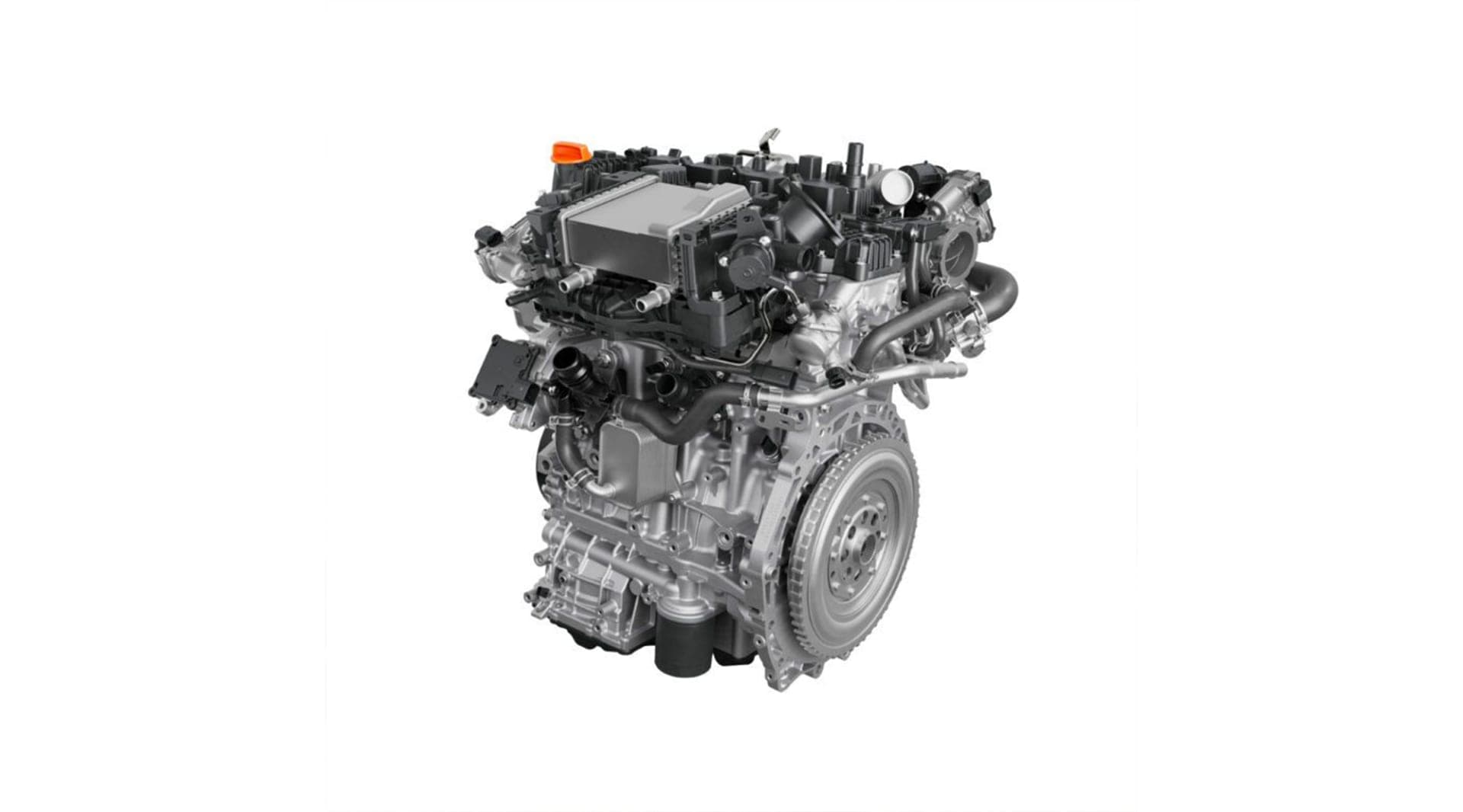
The HORSE B20 is a 130 kg 2.0-litre turbo making 190 to 252 hp
The B20 is a turbocharged four-cylinder petrol unit with direct injection, running a Miller cycle for a brake thermal efficiency of 48.4 percent. Output spans 190 to 252 hp and 300 to 380 Nm depending on the application, and the whole engine weighs 130 kg. Horse built it for full hybrid, plug-in hybrid and range-extender duty rather than for driving the wheels alone, and it first appeared at the Beijing Auto Show in April.
IPX8 seals the block, and the sensors pull power once it goes under
Waterproofing an engine is not a single job. Horse used a fully sealed structure with torsional vibration dampers and a dedicated engine-to-transmission seal, then fitted IPX8-rated electrical components and sensors that read the environment around the block. Once the engine is submerged, the control system limits power or softens throttle response on those signals, so the failure mode is a car that keeps crawling rather than one that dies mid-crossing. A separate active dual-cooling circuit covers the opposite problem, long full-load climbs where there is no airflow to help.
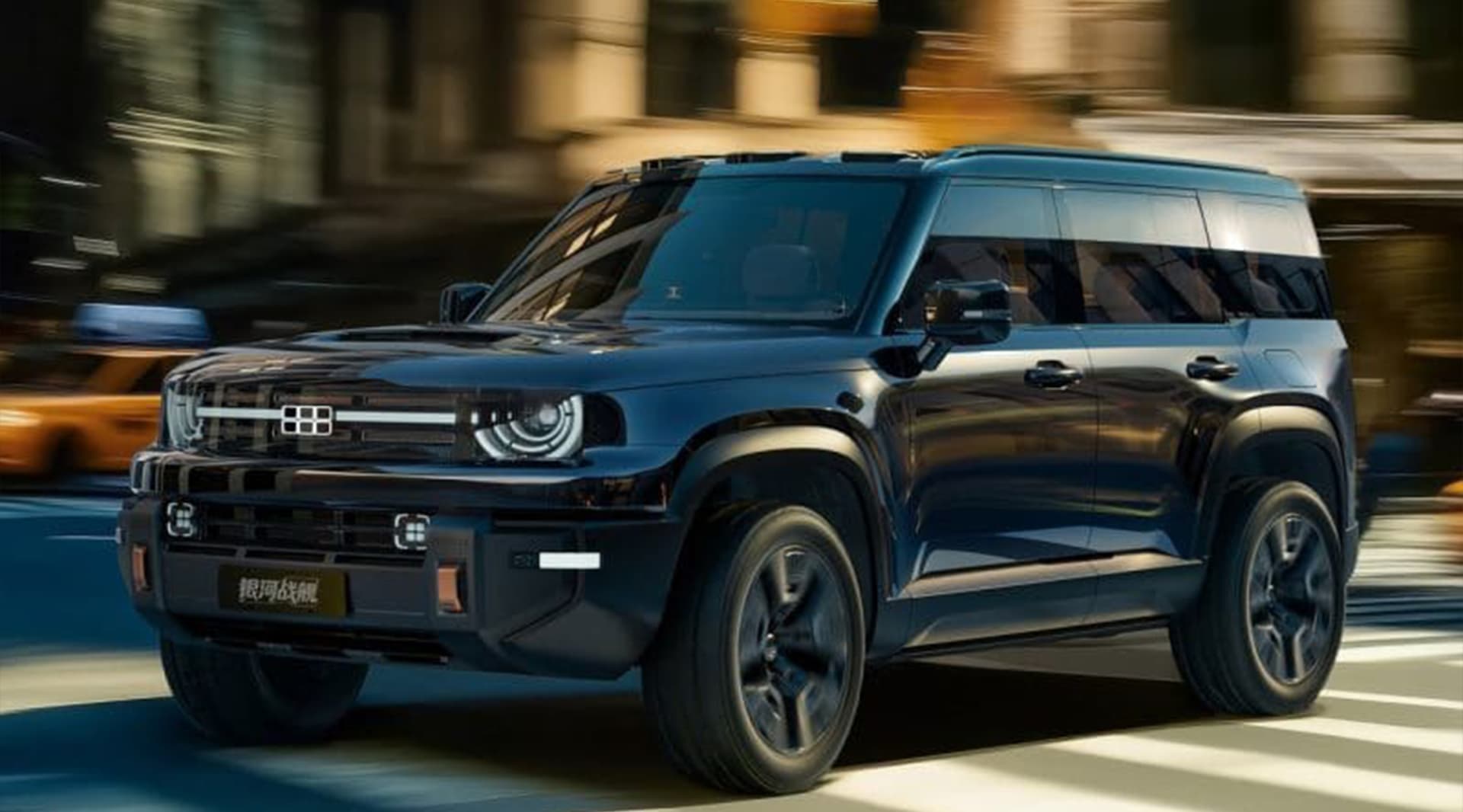
The Geely Galaxy Cruiser 700 wades 800 mm, 300 mm short of its own engine
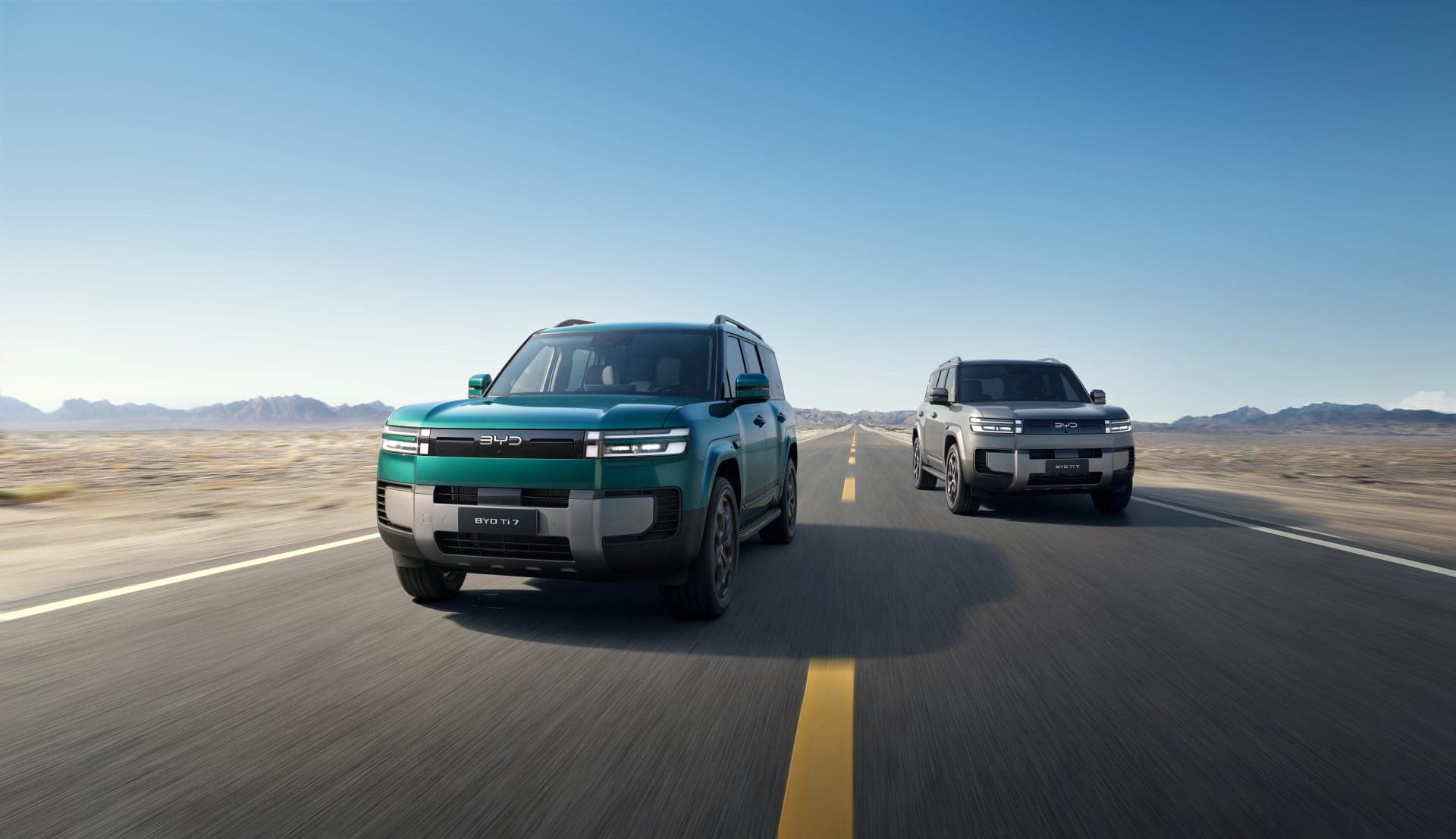
The B20's only application so far is the Geely Galaxy Cruiser 700, a ladder-frame off-roader sold in China and paired there with Horse's three-speed hybrid transmission. The Cruiser's published wading depth is 800 mm. Its engine is rated to 1,100 mm. That is not a contradiction, it is where wading depth actually comes from: air intake height, door and floor seals, differential breathers and low-voltage wiring all cap the figure long before the engine does. A Land Rover Defender wades 900 mm on exactly the same logic, and its engine is not sealed at all.
Horse also builds a methanol range extender that cold-starts at -35°C
The B20 is one of several engines Horse has revealed this year for cars Europeans cannot buy. In July it showed the D20 Methanol, a range-extender unit burning pure methanol with cold starts down to -35°C and one of the industry's first mass-market axial flux generators, 46 percent shorter than the radial equivalent. In May it upgraded the V20 petrol engine, assembled at Skövde in Sweden, for mild and plug-in hybrids meeting emissions rules in the United States, Europe and China. The pattern is a supplier building combustion hardware for whichever market still wants it.
Renault owns 45 percent of Horse, and the Cruiser reaches Britain in 2028
Horse Powertrain is the joint venture Renault and Geely each hold 45 percent of, with Saudi Aramco on the remaining 10 percent. It employs more than 19,000 people across 18 plants and five R&D centres, supplies 25 customers including Volvo, Nissan, Proton and Mitsubishi, and is registered in London. Renault itself sells no ladder-frame off-roader, and nothing in its range could use a 1.1-metre rating. Geely's UK product plan plots a Cruiser-shaped model from 2028, so the first European driver to get any use out of a Renault-owned waterproof engine will be buying a Chinese car.
AutoNext Take
Sealing the engine was never the hard part of wading, and a 1.1-metre rating bolted into a car homologated at 800 mm is the proof. The limit sits in the air intake, the body seals and the wiring, and every one of those belongs to the vehicle maker rather than the engine supplier. So here is the test, with a date attached. If no vehicle running the B20 is signed off above 900 mm by the time the Galaxy Cruiser reaches Britain in 2028, the IPX8 badge is a spec-sheet win for Horse rather than a capability any driver ever uses.
The genuinely useful part is quieter than the headline. A flooded engine is normally written off because water reaches the cylinders and the electrics before the driver knows anything is wrong. An engine that detects immersion and pulls its own power is engineered around the recovery, not the river crossing, and that is worth far more to a family SUV meeting a flooded lane than to the handful of owners who will ever ford 1.1 metres on purpose. Horse should be selling it that way.