Kia had never built a van, and its first one just won electric Europe
Kia had never built a van in its life. Its first one just became Europe's best-selling small electric van.
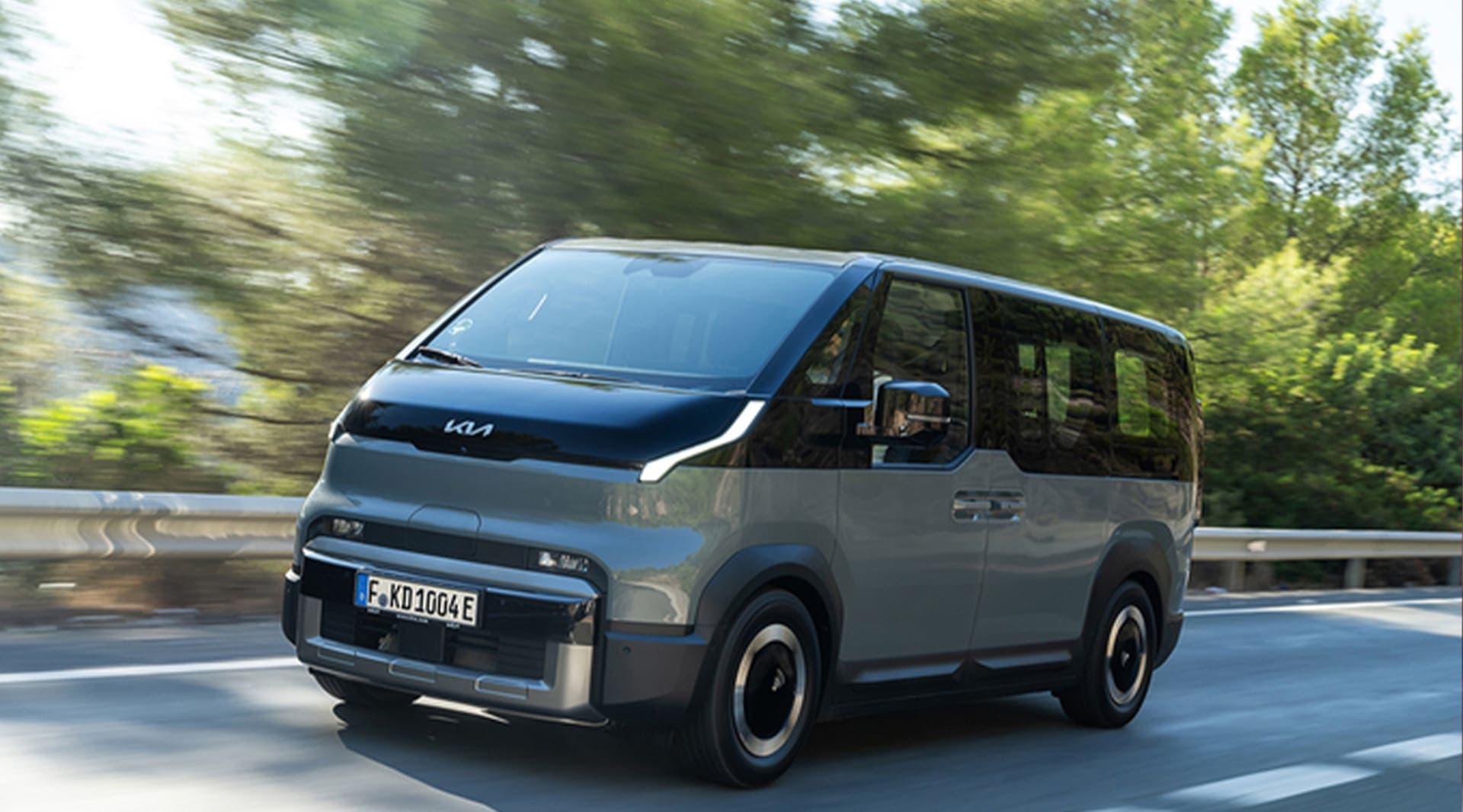
Some results are so lopsided they are worth stopping over. In the first half of 2026, the Kia PV5, the very first van the company has ever made, took 37% of Europe's small electric van market and outsold every rival in the segment. It beat Ford, Mercedes, Renault and Stellantis, firms that have been building vans for the better part of a century, in a class they have owned for generations. A total newcomer walked into the most conservative corner of the car business and won it outright, on its first attempt. That should not be possible, and the reason it happened is more interesting than the headline.
The scale of the win
The bare numbers are striking enough. The PV5 sold 13,116 units in six months, enough for a 37% share of the C-segment electric van market and the top spot in twelve European countries. In several it was not merely first but dominant: 63% of the segment in Denmark, 62% in Ireland, 59% in Sweden, 58% in Finland and 54% in the UK, its single biggest market at 3,361 vans, followed by Germany, Sweden, Denmark and the Netherlands. Kia's Europe COO Sjoerd Knipping called the response overwhelming, and for once the executive adjective fits. This is a first-year product from a first-time van-maker behaving like an established segment leader, and it is happening in exactly the sober, fleet-driven market where reputation and habit are supposed to matter most.
The incumbents brought a converted diesel to an electric fight
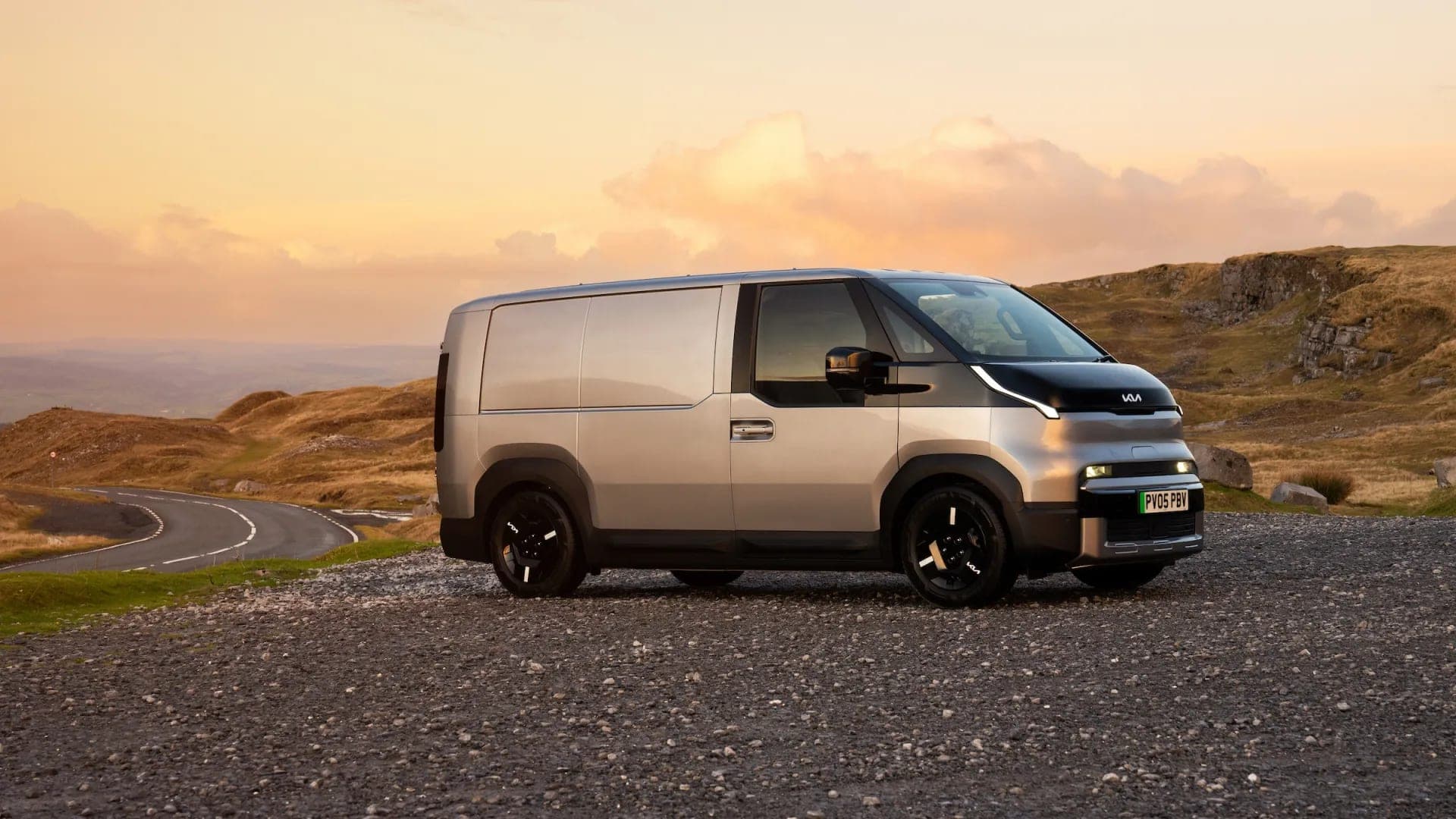
Here is the explanation, and it is almost embarrassingly simple. Look at what the PV5 beat: the Mercedes eCitan, the Renault Kangoo E-Tech, the Ford E-Transit Courier, the Opel Combo Electric. Every one of them is an electric conversion of an existing combustion van, a diesel body with a battery packaged into it, and every one is compromised as a result, most obviously on range, where they land somewhere between roughly 283 and 343 km. The PV5 is not a conversion. It sits on Kia's dedicated E-GMP.S electric platform, designed from a blank sheet as a van, with a flat floor, 4.4 cubic metres of load space for two euro pallets, up to 416 km of WLTP range and a 71.2 kWh battery that charges from 10 to 80% in about half an hour. In passenger cars the industry learned years ago that a purpose-built EV crushes a converted one. In vans, nobody had bothered to prove it, on the assumption that tradespeople and fleet managers would not care. They cared.
EV demand is not dead, it is discriminating
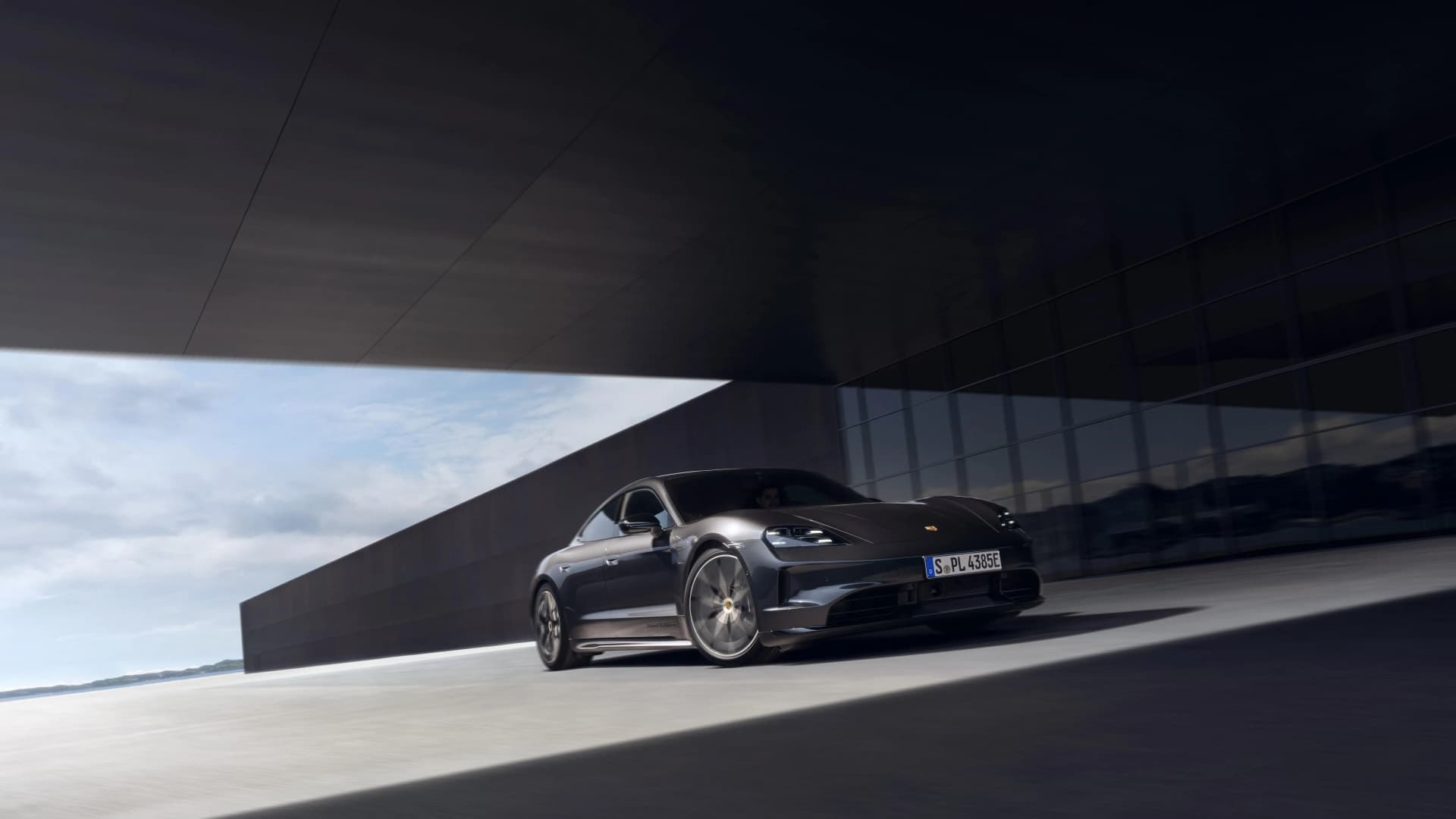
The PV5's success also lands in the middle of a story that has otherwise been about electric hesitation, and it sharpens it usefully. Luxury EV demand has cooled, to the point where Porsche is reportedly winding the Taycan down, and company-car fleets have turned cautious on cost and residuals, as when Lidl's parent paused a big slice of its EV orders. Yet here is a battery vehicle selling like fury. The two facts are not in conflict; they are the same fact seen from both ends. Electric demand is not collapsing, it is becoming ruthlessly selective. It is soft where an EV is an expensive lifestyle choice, and strong where the sums are cold and clean: a small van on predictable urban routes, charged at a depot overnight, with running costs that bury a diesel. Where electric genuinely pays, buyers are not hesitating at all.
Vans are the side door into the car industry
There is a bigger game here too. The passenger-car EV war gets all the attention, but Kia has quietly opened a second front where the defenders were weakest and the buyers are most rational. Fleet customers do not buy on badge nostalgia; they buy on total cost, uptime and load space, which makes commercial vehicles the perfect side door for a newcomer to force open. And Kia is not treating the PV5 as a one-off. It is the first of a Platform Beyond Vehicle family targeting 232,000 sales by the end of the decade, with the larger PV7 due in 2027 and PV9 to follow, and more than 40 body variants planned. In a market being reshaped by fast-moving Asian makers, and where even Kia's own PV5 passenger versions are broadening the range, this is how you build a commercial-vehicle business from nothing: pick the segment the incumbents took for granted, and out-engineer them.
AutoNext Take
The PV5 is an important result disguised as a boring one. Strip away the fact that it is a van, unglamorous and beige by reputation, and what you have is a newcomer beating a century of incumbents in half a year, purely because it showed up with the right tool and they did not. A hundred years of van-building bought Ford, Mercedes and Renault nothing here, because they met the electric era with warmed-over diesels and assumed their customers would settle. Kia bet the opposite and was proved emphatically right.
So take two lessons from it. For any legacy maker still treating electric vans, or electric anything, as a conversion job to be done on the cheap, the PV5 is a warning shot: purpose-built wins, and the advantage of heritage evaporates the moment a rival takes the segment seriously. And for anyone who has read the recent gloom and concluded that electric demand has stalled, it is a correction. Demand has not stalled; it has grown discerning. The electric future is not arriving everywhere at once, but in the small commercial van, of all the unglamorous places, it has already arrived, and a company that had never built one is the one delivering it.