Hyundai's nine-seat Staria Electric costs less than a seven-seat ID. Buzz
The cheapest way to carry nine people on electricity now charges in 20 minutes
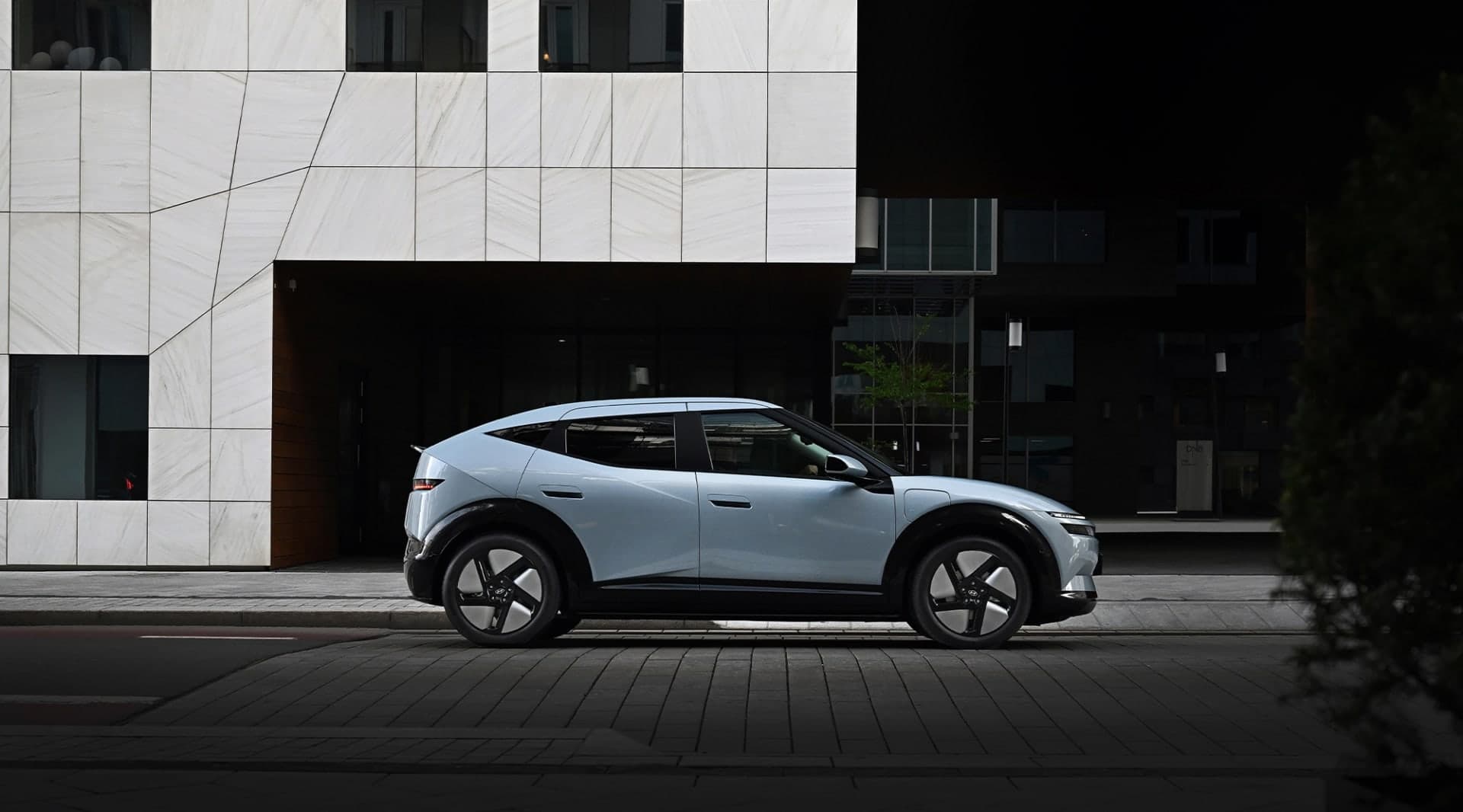
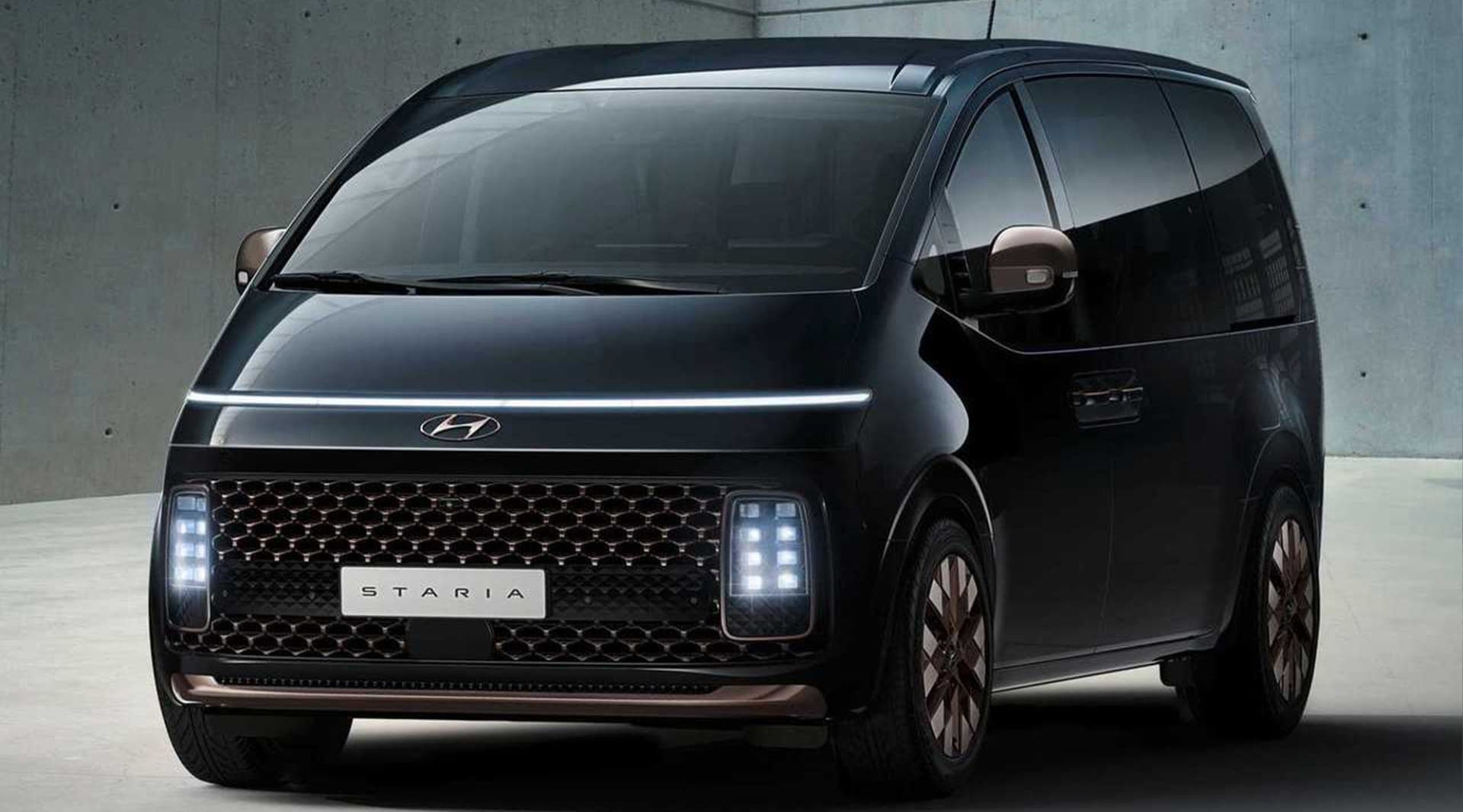
Hyundai has opened order books for the Staria Electric, and the nine-seat version is the one that starts the range at 57,450 euros in Germany. That is 438 euros less than the cheapest long-wheelbase Volkswagen ID. Buzz with seats and windows, a van that carries seven. Two more passengers, 291 mm more length, and a charging system running at 800 volts rather than 400.
The Staria Electric Trend opens the range at 57,450 euros
The entry trim is called Trend and it is the nine-seater, with full LED headlights, a 12.3-inch driver display, a matching 12.3-inch touchscreen, heated front seats, parking sensors, a reversing camera and a heat pump with battery pre-heating as standard. Assistance and Premium option packs cost 2,100 euros each. The Prime sits above it at 63,650 euros with leather and ventilated front seats, still with nine seats. The Calligraphy tops the range at 66,950 euros and drops to seven seats to make room for two reclining captain's chairs in the second row.
Homologation added 30 km to Hyundai's January range estimate
When Hyundai showed the Staria Electric at the Brussels Motor Show in January it quoted up to 400 km on the WLTP cycle, subject to homologation. The certified figure is 430 km, from the same 84 kWh battery, at a combined 21.8 kWh per 100 km. Power is unchanged at 218 hp through the front wheels, enough for 9.5 seconds to 100 km/h and a 184 km/h top speed. Nobody buys a nine-seat van for either of those numbers, but the extra 30 km matters on a school run repeated 200 times a year.
800 volts cuts the charging stop to 20 minutes, against 45 for a Peugeot e-Traveller
The nine-seat electric van already exists in Europe, and it comes from Stellantis. The Peugeot e-Traveller, Citroen e-SpaceTourer and Toyota Proace Verso Electric all seat nine on a 75 kWh pack, 400 volts and a 100 kW ceiling, which works out at 336 to 351 km of range and 45 minutes from 5 to 80 percent. The Staria Electric does 10 to 80 percent in 20 minutes. Hyundai has been building 800-volt cars since the Ioniq 5, and an independent battery test of a 150,000 km Ioniq 5 put it at 93 percent state of health, which suggests the repeated fast charging a shuttle van does is survivable.
At 5,253 mm it is 291 mm longer than a long-wheelbase ID. Buzz
The Staria measures 5,253 mm long, 1,997 mm wide and 1,990 mm tall, against 4,962 mm for the long ID. Buzz. Behind the third row of the nine-seater there are 1,303 litres, plus a 24-litre frunk under the bonnet for the charging cables. Payload is 750 kg and the braked towing limit is 2,000 kg, which is the figure that separates it from most electric MPVs and puts a caravan or a horsebox back on the table.
Belgium opens orders in September, the Netherlands starts with a 39,995 euro Cargo
Germany has prices now. Belgian order books open this month with local figures to follow, and the Netherlands begins with the commercial Staria Electric Cargo at 39,995 euros excluding VAT, with first deliveries expected early in the fourth quarter. Hyundai has been pricing hard at the European entry point all year, having put the Ioniq 3 on sale in Belgium at 29,995 euros. Six exterior colours are offered, including two new mineral-effect finishes, Classy Blue and a Galaxy Maroon reserved for the Calligraphy.
AutoNext Take
Every write-up of this launch reached for the ID. Buzz, and it is the wrong comparison. Volkswagen's van is a seven-seat lifestyle object with 498 km of range and a badge people pay extra for. The Staria's real rivals are the Stellantis nine-seaters that hotel shuttles and airport taxi firms actually buy, and against those it is not close: 430 km against 351, and a 20 minute stop against 45. Undercutting Volkswagen is the headline. Out-engineering Peugeot on the thing fleets count, which is how many round trips a van completes in a day, is the business case.
The tell is the price ladder. The 57,450 euro Trend is the nine-seater and the 66,950 euro Calligraphy is a seven-seater with Nappa leather, so the cheapest Staria is also the most useful one. Carmakers do not usually arrange things that way, and it means Hyundai wants volume from fleets rather than margin from families. If the Trend is not the biggest seller of the three by the end of 2027, the pricing was aimed at the wrong buyer. Mercedes is going the other way with the VLE, which charges at 300 kW but stops at eight seats and starts far higher, and Europe has room for both answers.