Hyundai Tucson for Europe is 140 mm shorter than Korea's
Hyundai built a European Tucson that parks like the old one and plugs in further
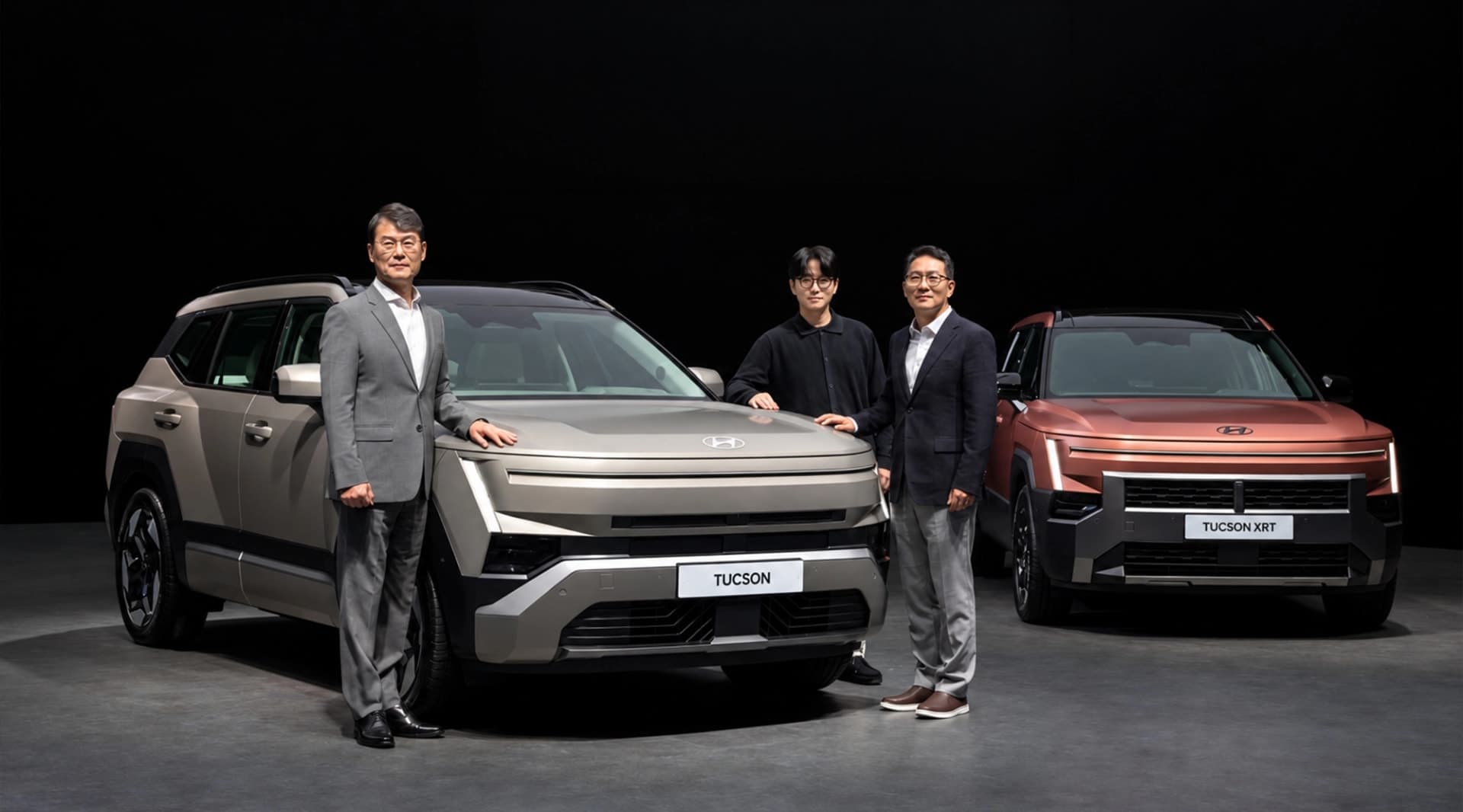
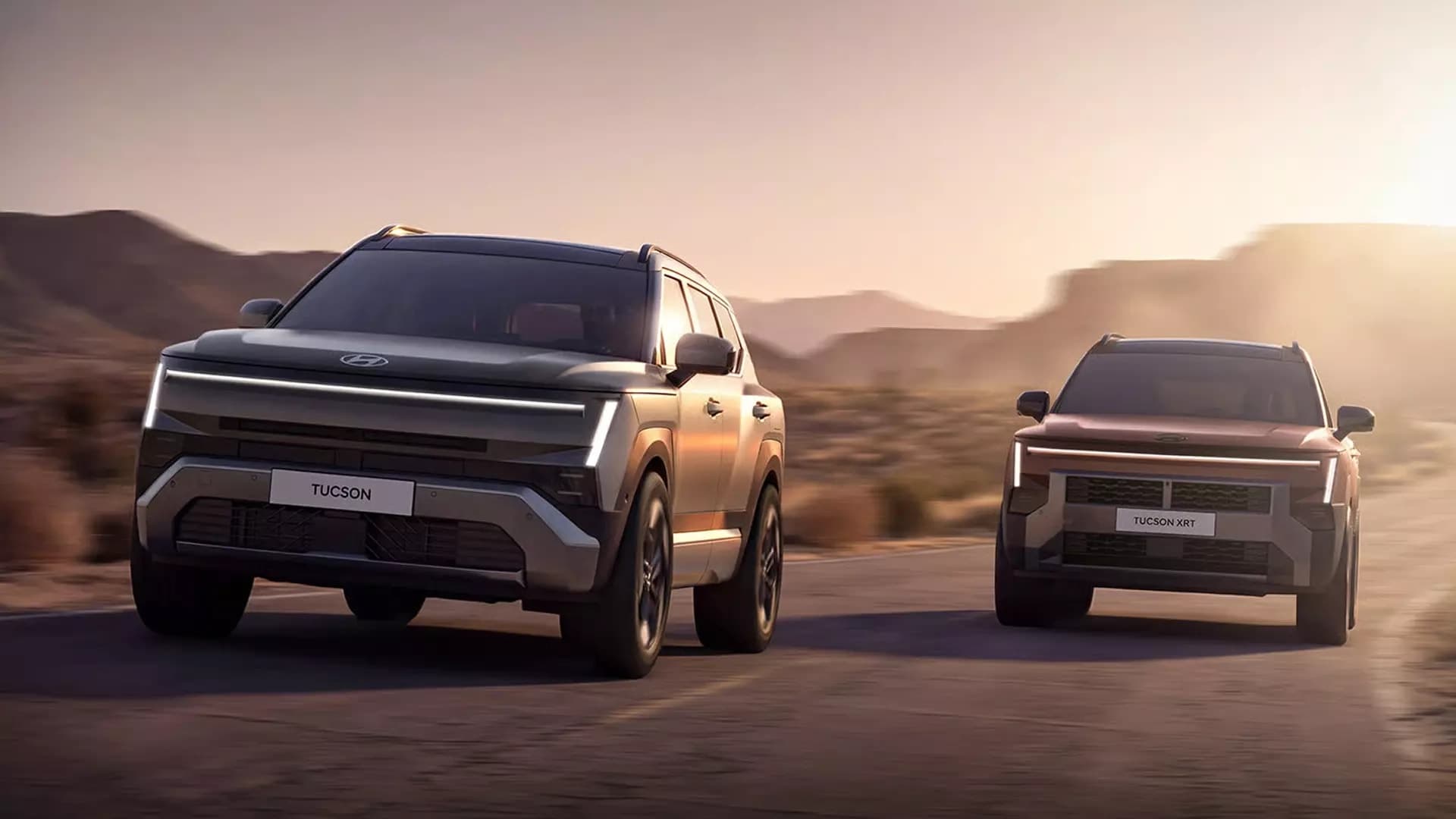
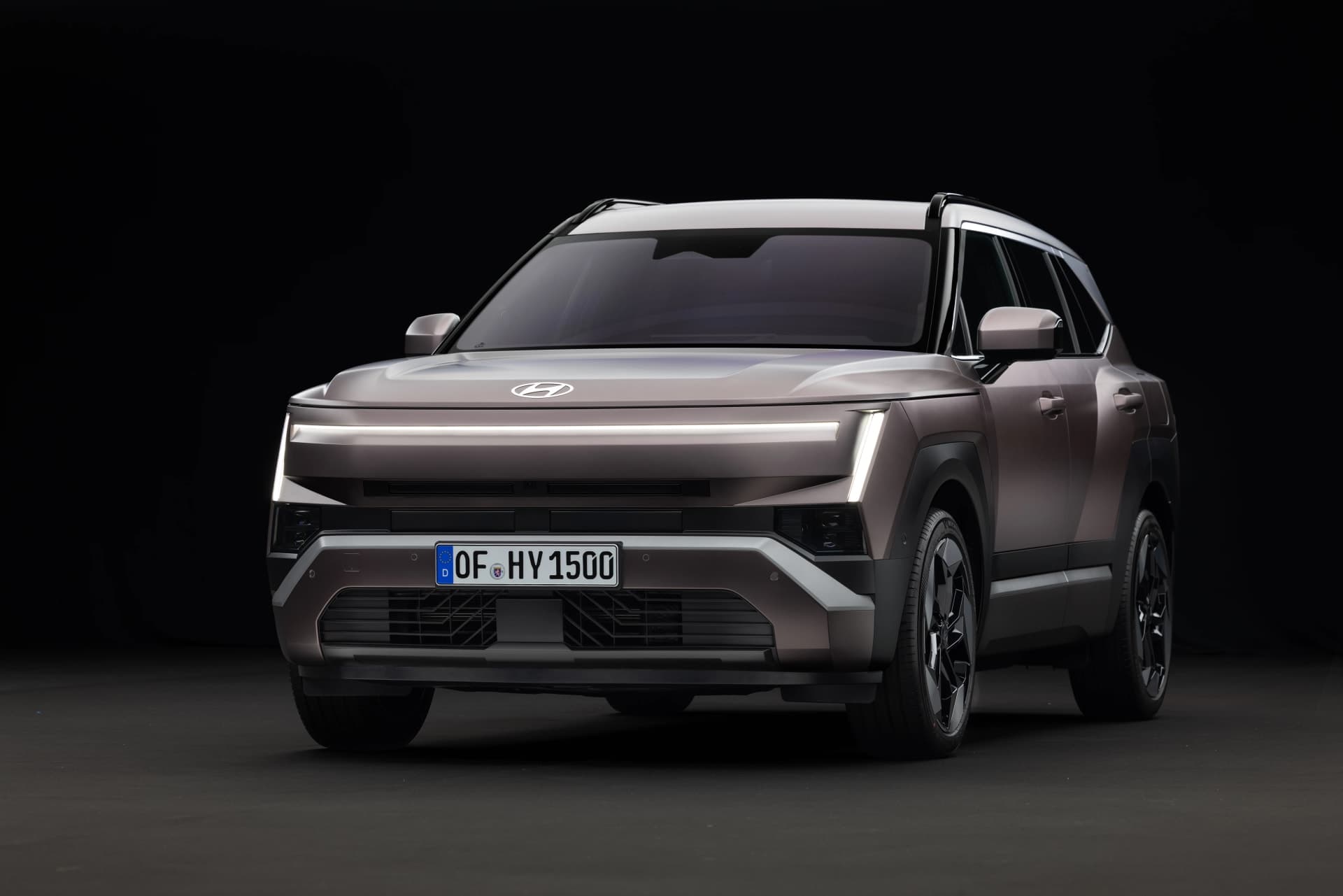
Hyundai has unveiled the European version of the fifth-generation Tucson, its best-selling model in the region, from its European headquarters in Offenbach. The car is 4,560 mm long, 140 mm shorter than the Tucson Korean buyers get this month, and it will be built at Hyundai's Czech plant in Nošovice. The plug-in hybrid now has 292 hp and an estimated 81 km of electric range.
The European Tucson measures 4,560 mm, 140 mm less than Korea's
The European Tucson is 4,560 mm long, 50 mm more than the outgoing car and 140 mm less than the Korean model shown in September. Its wheelbase grows 40 mm to 2,720 mm, against 2,785 mm in Korea, and the body is 1,900 mm wide and 1,670 mm tall. Hyundai has repeated the split it made last generation: a shorter body for Europe's streets and parking bays, a longer one for home. The result is a Tucson just 21 mm longer than the 4,539 mm Volkswagen Tiguan, its most direct European rival, where the Korean car would have been 161 mm longer. Boot space is 695 litres under the VDA norm.
Plug-in Tucson grows to a 17.1 kWh battery and 292 hp
The plug-in hybrid Tucson moves from a 13.8 kWh battery to 17.1 kWh, and system output rises from 252 hp to 292 hp. Hyundai estimates up to 81 km of electric range on 17-inch wheels, pending homologation, and fits a 7.2 kW on-board charger. With all-wheel drive it reaches 100 km/h in 7.9 seconds and tows 1,810 kg. The bigger battery is aimed at the EU's revised utility factor, which credits plug-in hybrids with less electric driving than before; Hyundai targets 90 to 107 g/km of CO2 for the front-wheel-drive version.
Tucson hybrid gains 30 hp while the petrol stays at 150 hp
The Tucson hybrid rises from 215 hp to 245 hp, with 380 Nm, a six-speed automatic and 0-100 km/h in 8.3 seconds with front-wheel drive. It adds HEV Stay Mode, which keeps climate control, audio and phone charging running with the engine off while parked. The entry petrol is a 150 hp 1.6 T-GDI with a six-speed manual or a 48-volt seven-speed dual-clutch. Korea's version of that engine has 193 hp and an eight-speed automatic, so Europe keeps the smaller petrol and puts the extra power into the hybrids. Braked towing reaches 1,910 kg for the hybrid.
Pleos Connect brings Android Automotive and real buttons to the Tucson
Pleos Connect, Hyundai's Android Automotive system, gives the European Tucson a 12.9-inch or 17-inch central screen, a 9.9-inch driver display, the Gleo AI voice assistant and over-the-air updates. Hyundai has kept the promise made with the first design photos: physical buttons sit under the main screen for the functions drivers use most. Four 100 W USB-C ports, two 15 W wireless pads and an optional 12-speaker Bang & Olufsen system complete the cabin, and Memory Reverse Assist can steer the car back out along up to 50 metres of recorded route.
Nošovice builds the Tucson, and Paris gets a sportier one on 12 October
Hyundai Motor Manufacturing Czech in Nošovice builds the Tucson for Europe, where more than 2 million have been sold since 2004, counting the ix35 that carried the line between generations. In 2025 it was the best-selling C-SUV among Europe's private buyers, according to Dataforce registrations Hyundai cites. Prices and a launch date have not been announced. A sportier Tucson debuts at the Paris Motor Show on 12 October, and the range-extender technology Hyundai showed on the Santa Fe is not part of this line-up.
AutoNext Take
Hyundai has resisted the easy upgrade. A 4.7-metre Tucson would have looked grander beside a Tiguan and justified a higher price, but it would also have given Europe's buyers a car 140 mm harder to park for rear headroom few of them asked for. Instead the European car grows 50 mm, gains 40 mm between the axles, and spends its engineering where this segment is decided: a plug-in hybrid with 24% more battery and a hybrid with 30 hp more.
Price is the missing piece, and it decides whether this works. If the hybrid starts close to today's car when order books open, the Tucson should still top Europe's private C-SUV ranking at the end of 2027, with the 81 km plug-in taking a larger share of that volume than the 13.8 kWh car ever did.