Lamborghini just posted record revenue, and there is still reason to worry
Record money, fewer cars, and a rival gaining ground
Lamborghini's half-year results look, at first glance, like a triumph: the highest revenue in the company's history, 1.74 billion euro, at an operating margin most carmakers can only dream of. Look closer and a more anxious picture appears. It made that money selling fewer cars than a year ago, its US sales are sliding while Ferrari's rise, and its best-seller is getting old.
The good numbers
First, the genuine achievement. Revenue rose 7.4 percent to 1.74 billion euro, operating profit reached 395 million euro, and the operating margin held at 22.7 percent, a figure almost no volume carmaker gets near. Lamborghini managed this against tariffs, the Middle East conflict, a soft Chinese luxury market and European uncertainty, in a luxury segment that contracted 7.7 percent overall. "Automobili Lamborghini demonstrated resilience by recording the highest revenue in its history," said chairman and CEO Stephan Winkelmann.
The number that matters more
Now the caveat. Deliveries fell 4.6 percent to 5,422 cars. Record revenue on lower volume means Lamborghini earned more per car, selling richer configurations of pricier models, which is healthy up to a point. But it is a margin story, not a growth story, and a brand that makes more money from fewer cars is a brand relying on how much it can charge rather than how many it can sell. That works until it does not.
The Ferrari comparison
The contrast with Maranello is what turns a soft quarter into a worry. In the US, Lamborghini registrations fell around 20 percent, from 1,652 to 1,328, while Ferrari edged up 3 percent to 1,655. Ferrari is gaining in exactly the market where Lamborghini is slipping, and it does so with a broader, more grand-touring-focused range that Lamborghini cannot fully match. Two brands often mentioned in the same breath are quietly moving in opposite directions.
The Urus problem
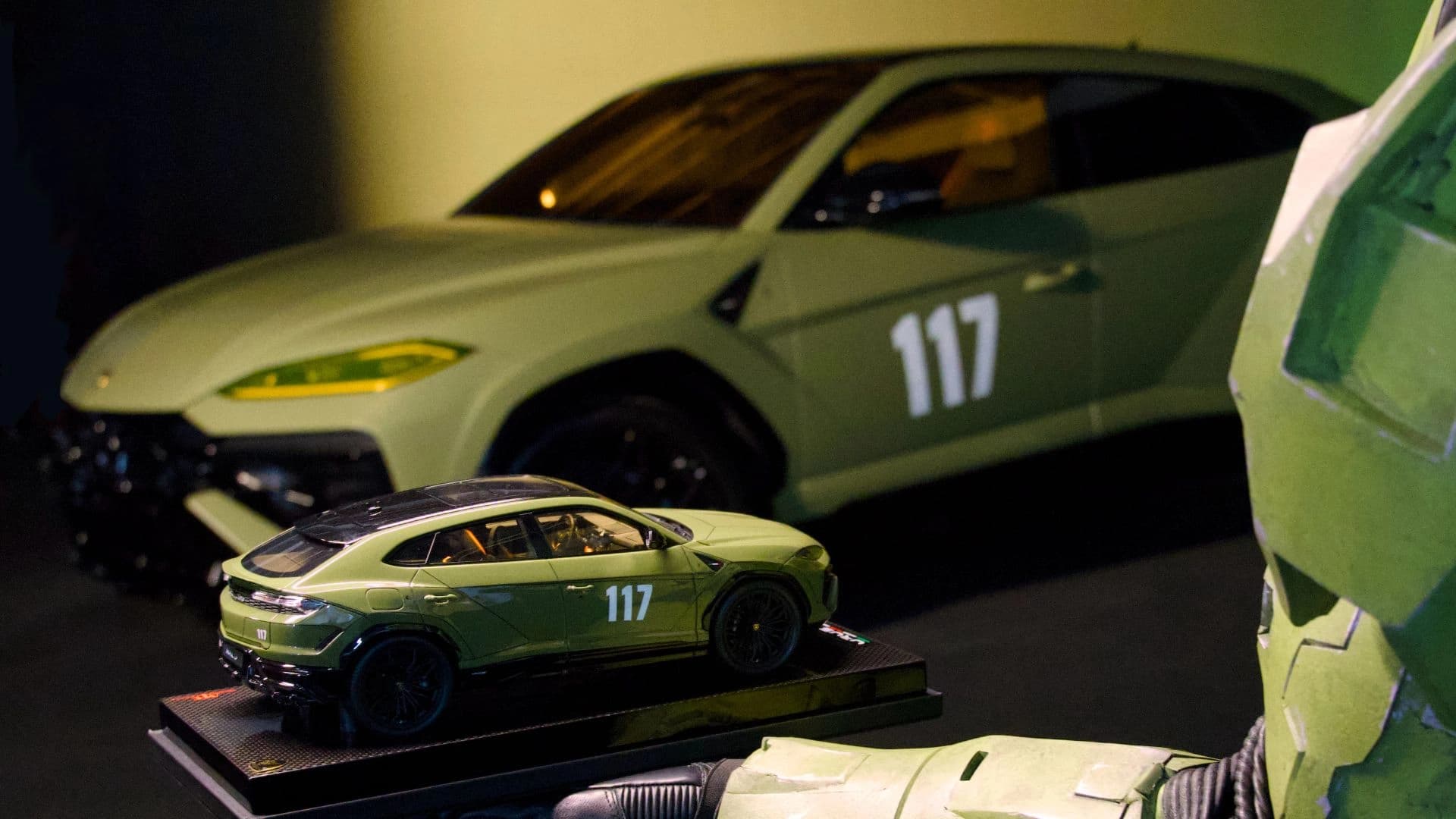
At the root of it sits one car. The Urus is roughly three-quarters of Lamborghini's global sales, and the first-generation model dates back to 2017. The plug-in Urus SE and the incoming Urus SE Performante keep it fresh, but a full replacement is not expected until 2027 or 2028, which leaves the brand's single most important product ageing at precisely the wrong moment. When one model carries that much of your business, its product cycle is your product cycle.
The wider picture, and why Volkswagen cares
The regional split was uneven, strong in Italy, Japan, the Netherlands and Spain, weak in the UK, Australia, France and Germany. None of that is fatal on its own, but it lands at a sensitive time. Volkswagen has periodically weighed what to do with Lamborghini, and a slowing top line and a US retreat are not the signals that keep a profitable niche brand safe inside a giant group under cost pressure. Record revenue helps the argument to keep it. Falling volume does not.
AutoNext Take
There is a real difference between a profitable brand and a growing one, and Lamborghini has just shown it can be the first without being the second. A 22.7 percent margin is a magnificent number, and in a shrinking luxury market, protecting price and profit rather than chasing volume is a defensible strategy. Nobody should read these results as a company in trouble, because it plainly is not.
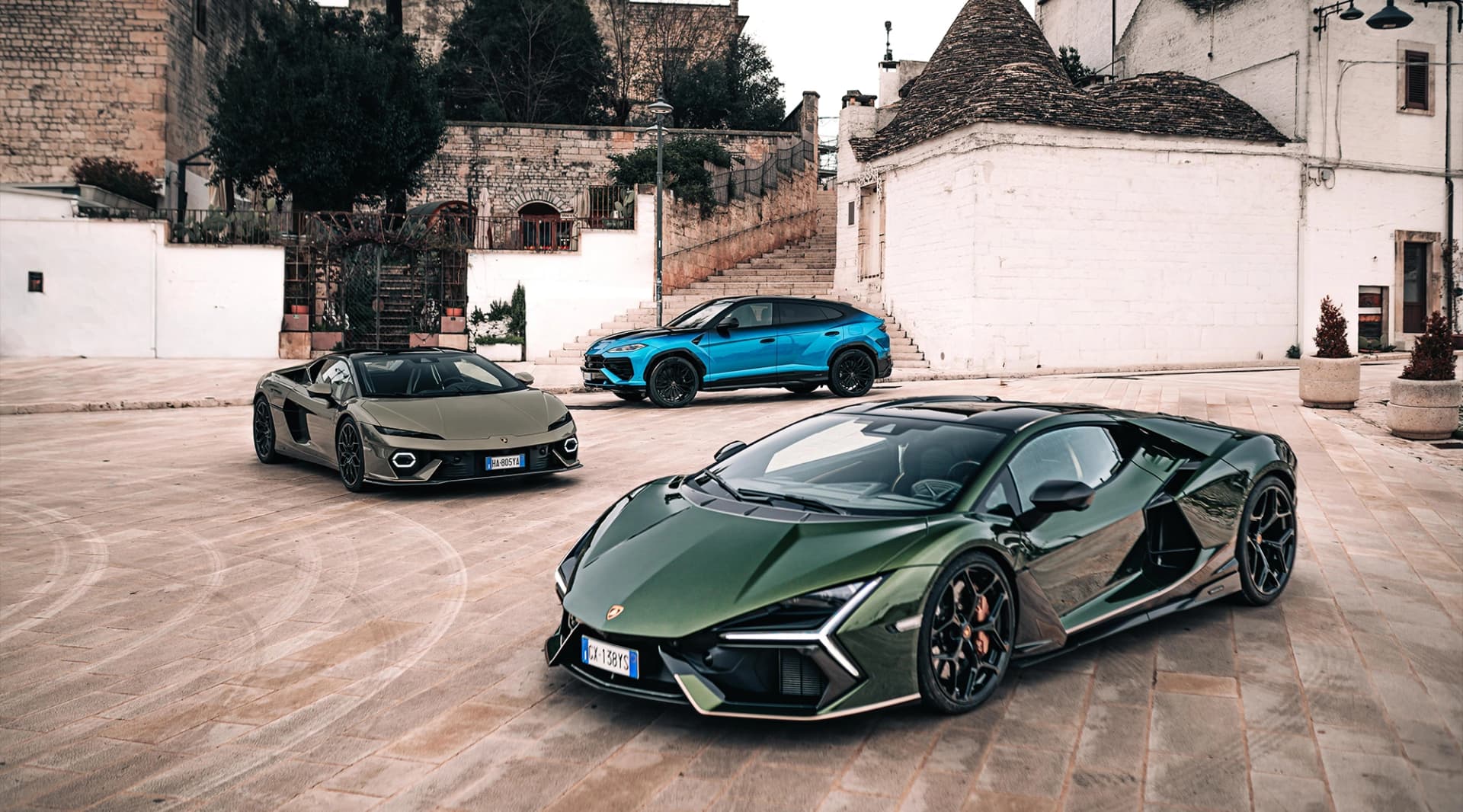
The unease is about direction, not health. Ferrari is pulling away in the US, the Urus is on borrowed time, and the Revuelto and Temerario, brilliant as they are, are low-volume halo cars that will never fill an SUV-shaped hole. Lamborghini needs the next Urus to be a hit and it needs it soon, because the current formula of charging more for fewer cars has a ceiling, and its closest rival is climbing past it. The money is superb. The momentum is the thing to watch.