Land Rover Classic will put a 405 hp V8 in your Defender
The V8 Defender Land Rover once rationed to 150 buyers is now a conversion
Land Rover's Classic division will fit a naturally aspirated 5.0-litre V8 with 405 hp and 515 Nm to customers' own Defender 90 and 110 models built between 2012 and 2016. The Works V8 Conversion, announced in Coventry on 23 September, also brings an eight-speed ZF automatic, a new chassis, Bilstein dampers and Alcon brakes. The full swap is carried out only at Classic Works in Coventry and in Essen, Germany.
The Works V8 more than triples the 122 hp of the Defender's Puma 2.2 diesel
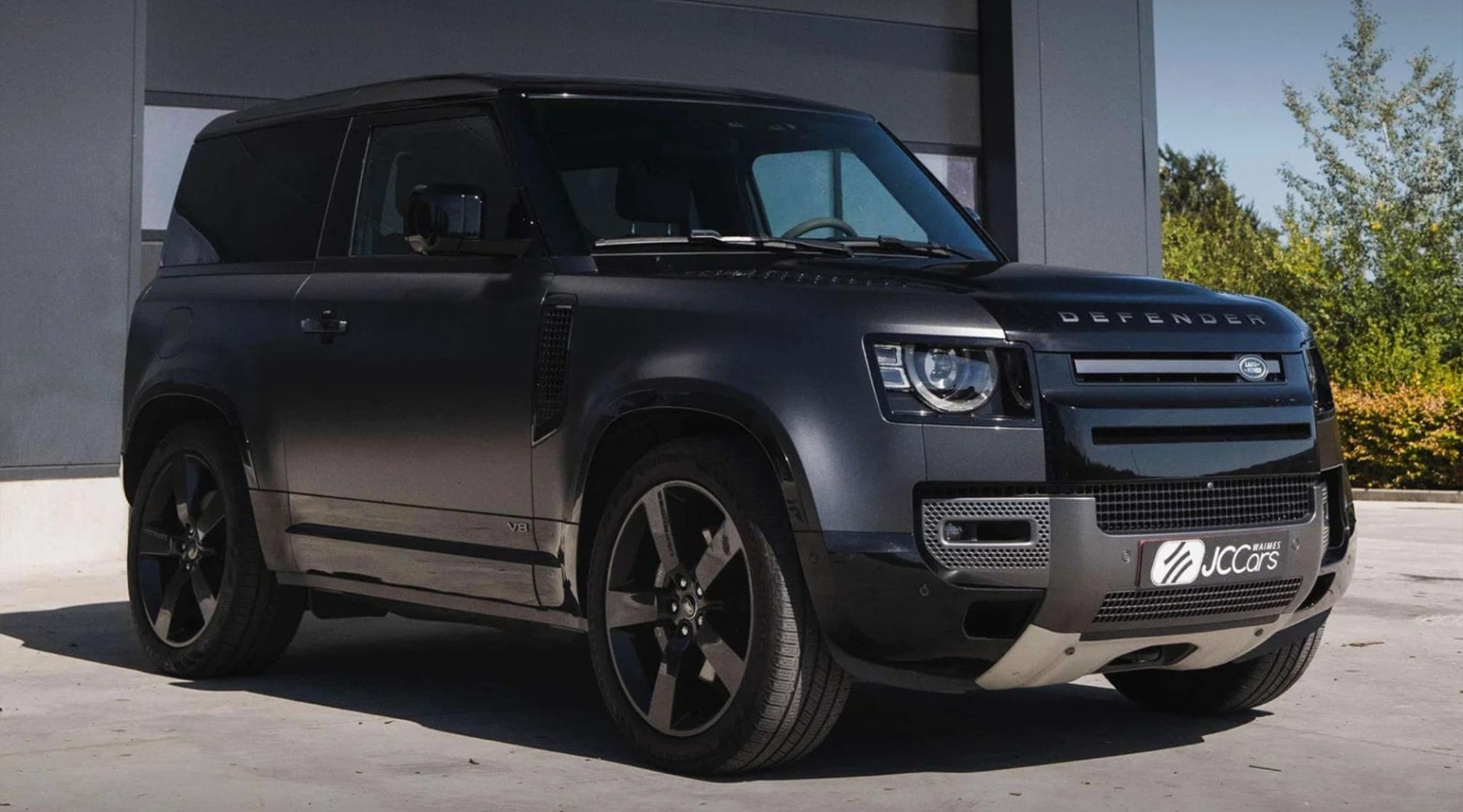
The Defender Works V8 Conversion replaces a 2.2-litre Puma turbodiesel rated at 122 hp and 360 Nm with a V8 making 405 hp and 515 Nm, 3.3 times the power. That diesel arrived for 2012 to meet Euro 5, and the conversion covers exactly those final years, which ended when the last Defender left Solihull on 29 January 2016. Its six-speed manual goes too: every converted car gets the eight-speed automatic. The V8 belongs to the same 5.0-litre family Land Rover sells supercharged in today's Defender V8, here without the blower.
Land Rover built 150 Defender Works V8s in 2018, priced from £150,000
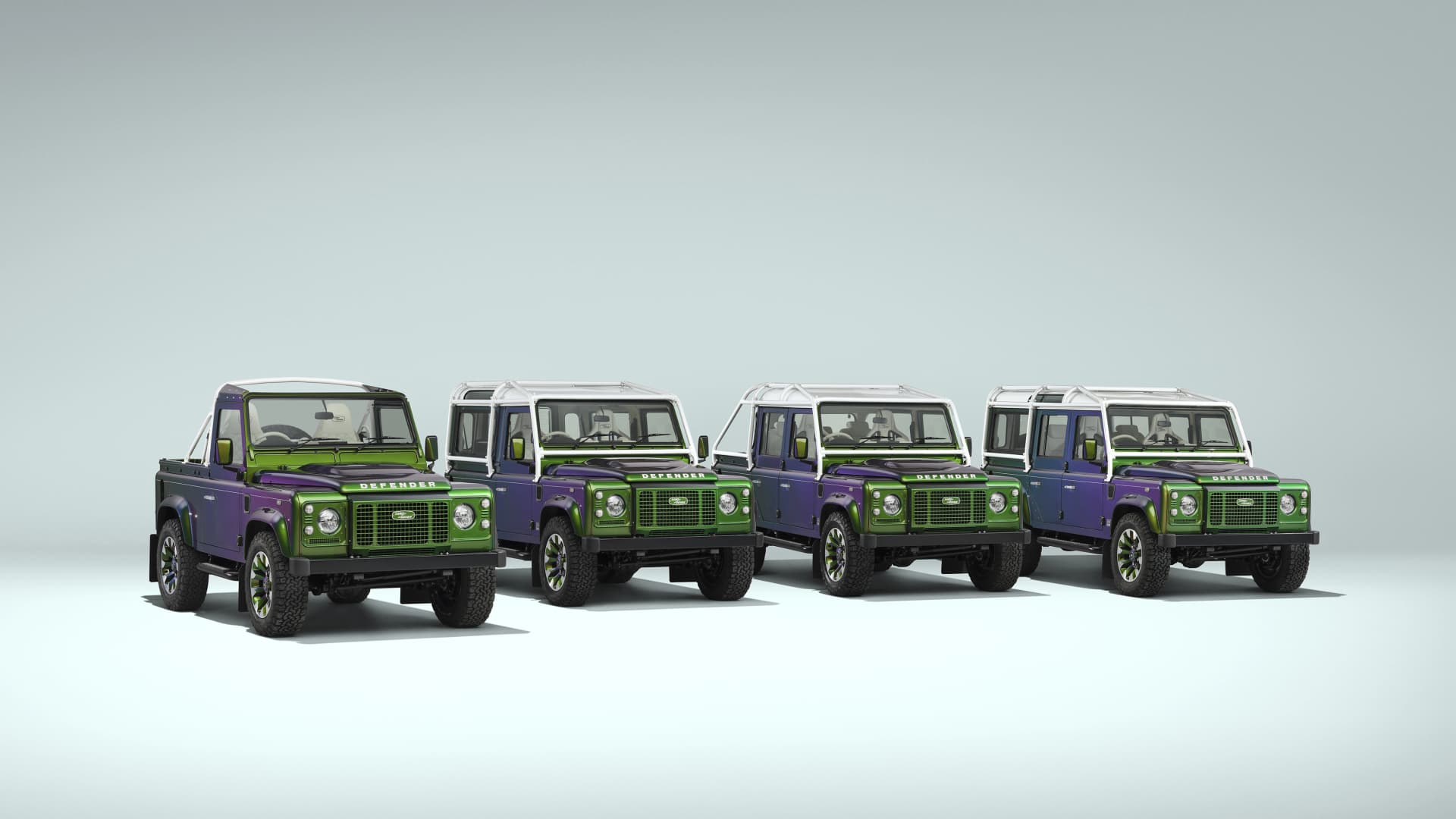
Land Rover first offered this powertrain in the Defender Works V8 70th Edition of 2018, a run capped at 150 vehicles priced from £150,000 for the 90 and £160,000 for the 110. Those cars had the same 405 hp and 515 Nm and a 170 km/h top speed, but Classic sourced and rebuilt the donor Defenders itself. Since then its Works Bespoke service has built V8 Defenders to order, including four in colour-shifting paint for one client. The new programme is the first time an owner can bring their own truck.
The Defender V8 conversion includes a new chassis and 335 mm Alcon brakes
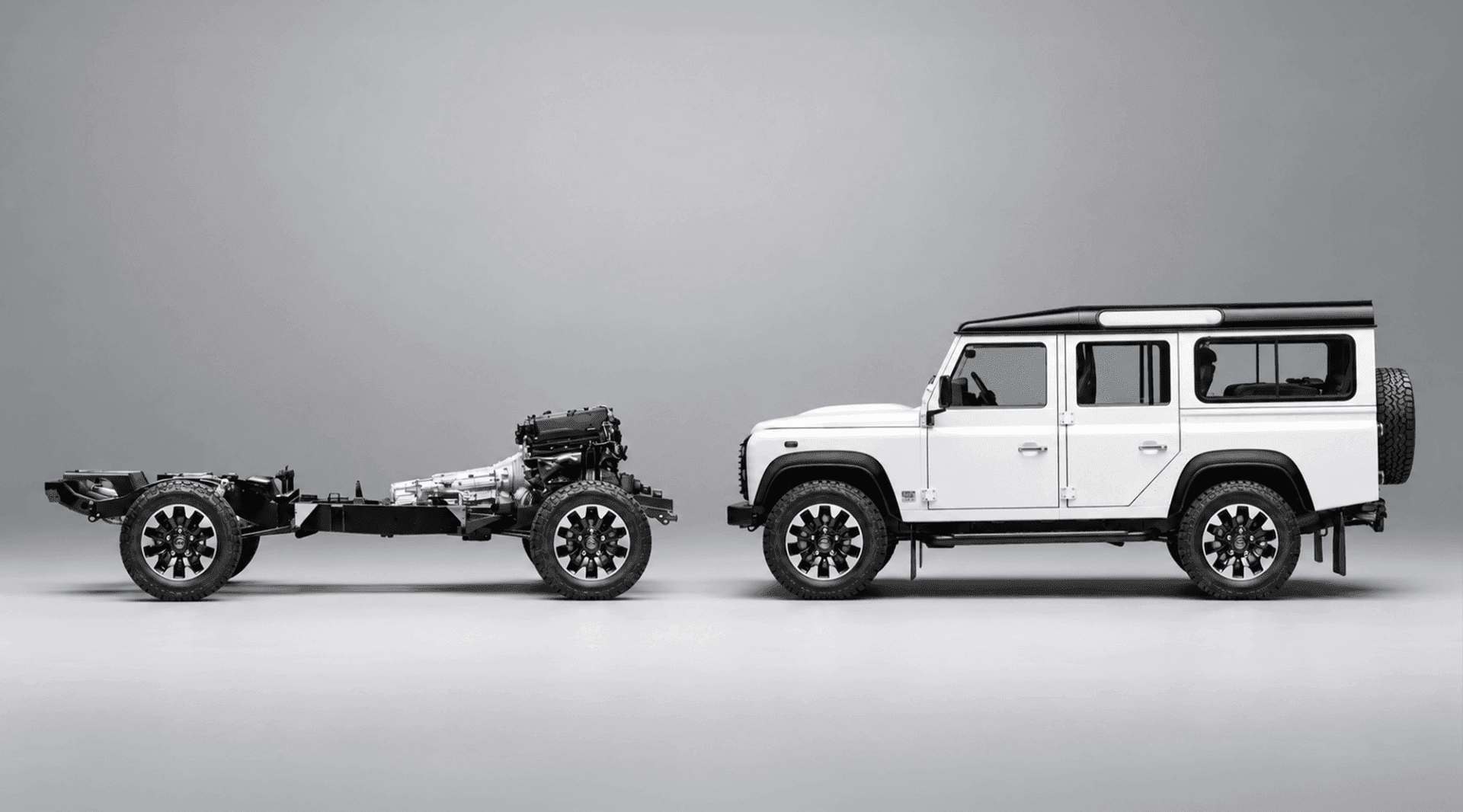
Land Rover fits a new chassis as part of every Works V8 Conversion, along with Bilstein dampers, Eibach coil springs, new anti-roll bars, links and bushes. Alcon four-piston calipers work on 335 mm vented discs at the front and 300 mm discs at the rear, sized for a car with more than three times its original power. Inside, the transmission tunnel and gear selector are redesigned, and 16-inch steel wheels are standard, with 18-inch alloys optional.
Defender owners with 2007 to 2016 cars can buy the chassis upgrades without the V8
The rest of the programme covers every Puma-engined Defender 90 and 110 built from 2007 to 2016, including the earlier 2.4-litre cars that cannot take the V8. Owners can order the wheels, suspension and brake packages from the Land Rover Classic Parts website and fit them at home, have an authorised retailer do it, or book the work at Classic Works. That makes the brakes and dampers a stand-alone upgrade for diesel owners who never wanted a V8.
Classic Works in Essen handles the V8 Defender swap for continental Europe
Jaguar Land Rover opened its 4,500 m² Classic Centre in Essen-Kettwig in May 2018, its first classic facility outside the UK, and it is the European contact for the conversion. Land Rover has not published a price. Eligibility, specification, cost and timing are confirmed only after a Classic specialist has assessed the car, and the programme is offered in selected markets only.
AutoNext Take
This is the right way to keep the old Defender alive. The original left production in January 2016 because the rules had outgrown it, and the cars that remain are worth more for the lives they have lived than as blank donors. Converting the owner's own truck keeps its registration, its history and its dents, while the new chassis and brakes show that Land Rover has engineered the swap rather than dropped an engine in. Buyers should still expect an engine change to need sign-off from their national inspection authority.
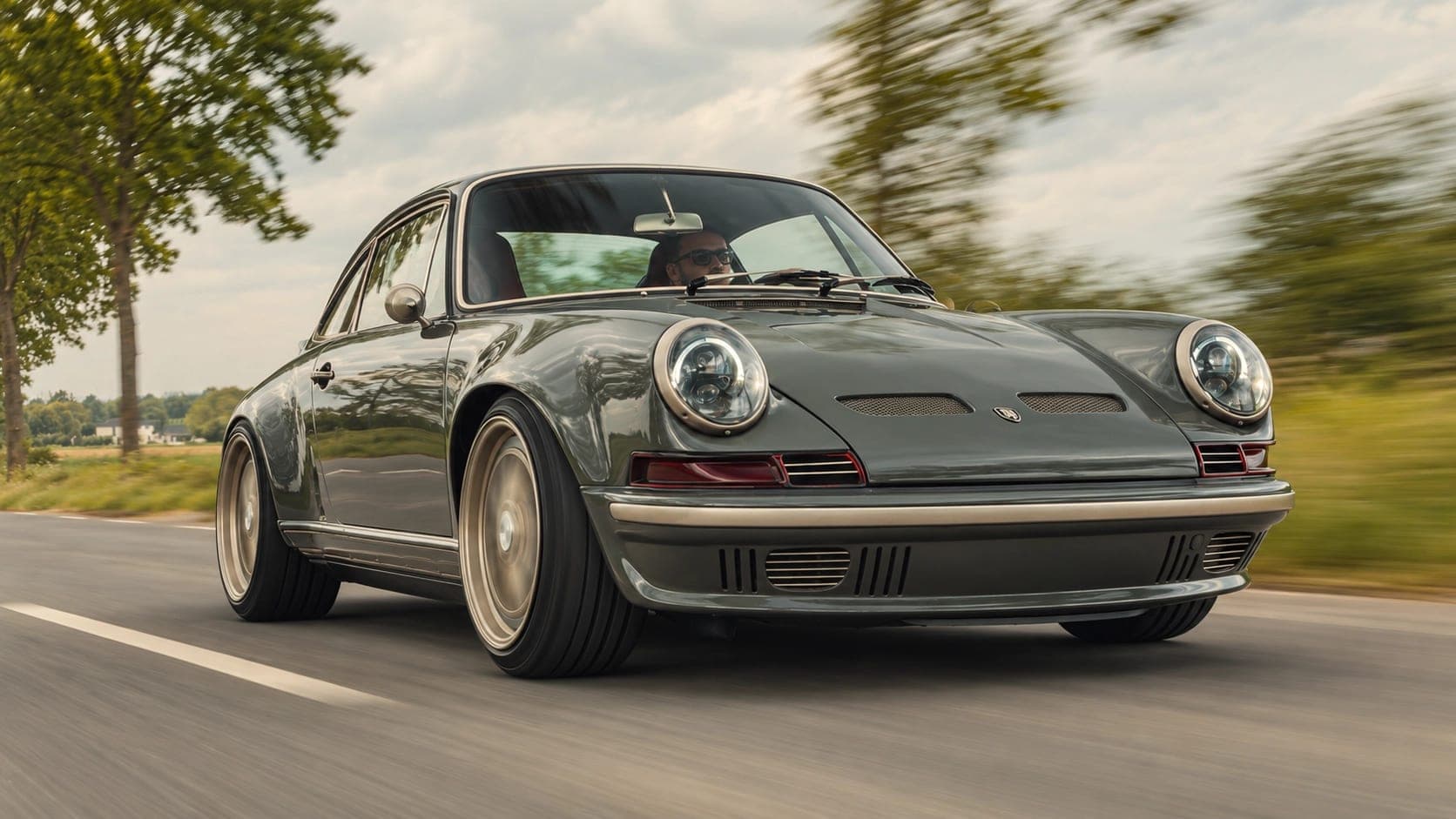
Price will decide who this is for. The 2018 cars cost £150,000 with the donor Defender included, so a conversion of a car the customer already owns has to come in clearly below that to reach the family Defenders Land Rover describes in its announcement. If the first confirmed quotes land above the 2018 figure, it will be a collector's service with a friendlier name, and the restomod specialists building Singer-style Porsches have shown how quickly that market fills up anyway.