TechArt's 380 hp GTclassic is a Porsche 911 restomod, 17 years late
TechArt joins Porsche's restomod boom, 39 years after opening its doors
TechArt spent almost four decades modernising current Porsches, including the brand's SUVs, without ever touching a classic 911. This month the German tuner reveals its first backdated restomod, the GTclassic, built on the air-cooled 964. It carries a 380 hp, 3.8-litre flat six, a ducktail spoiler and 18-inch forged wheels, arriving in a genre Singer created in 2009 and Gunther Werks already shares.
TechArt's 964 keeps its air-cooled six at 380 hp
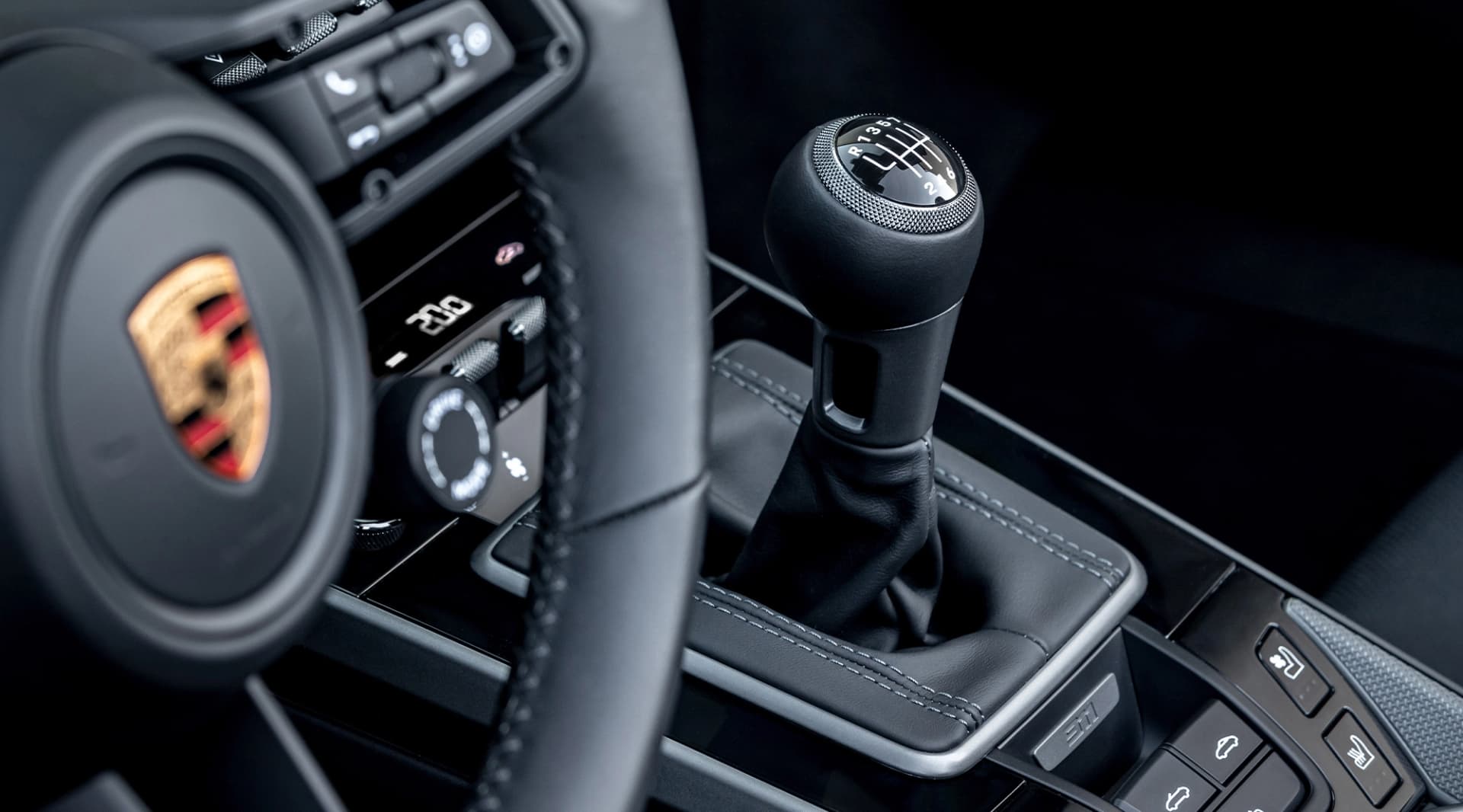
The GTclassic starts from a 964-generation Porsche 911 and keeps the model's original air-cooled layout, rather than swapping in a newer, water-cooled unit. TechArt tunes the 3.8-litre flat six to 380 hp, a modest figure next to some rivals but true to the era the car imitates. The demonstration car pairs that engine with a manual gearbox, the format buyers in this segment still expect. TechArt has not confirmed whether it will offer an automatic to order, the way Porsche itself still builds a manual-only 911 Carrera S for drivers who want three pedals.
The GTclassic's nose predates 1974's US impact bumpers
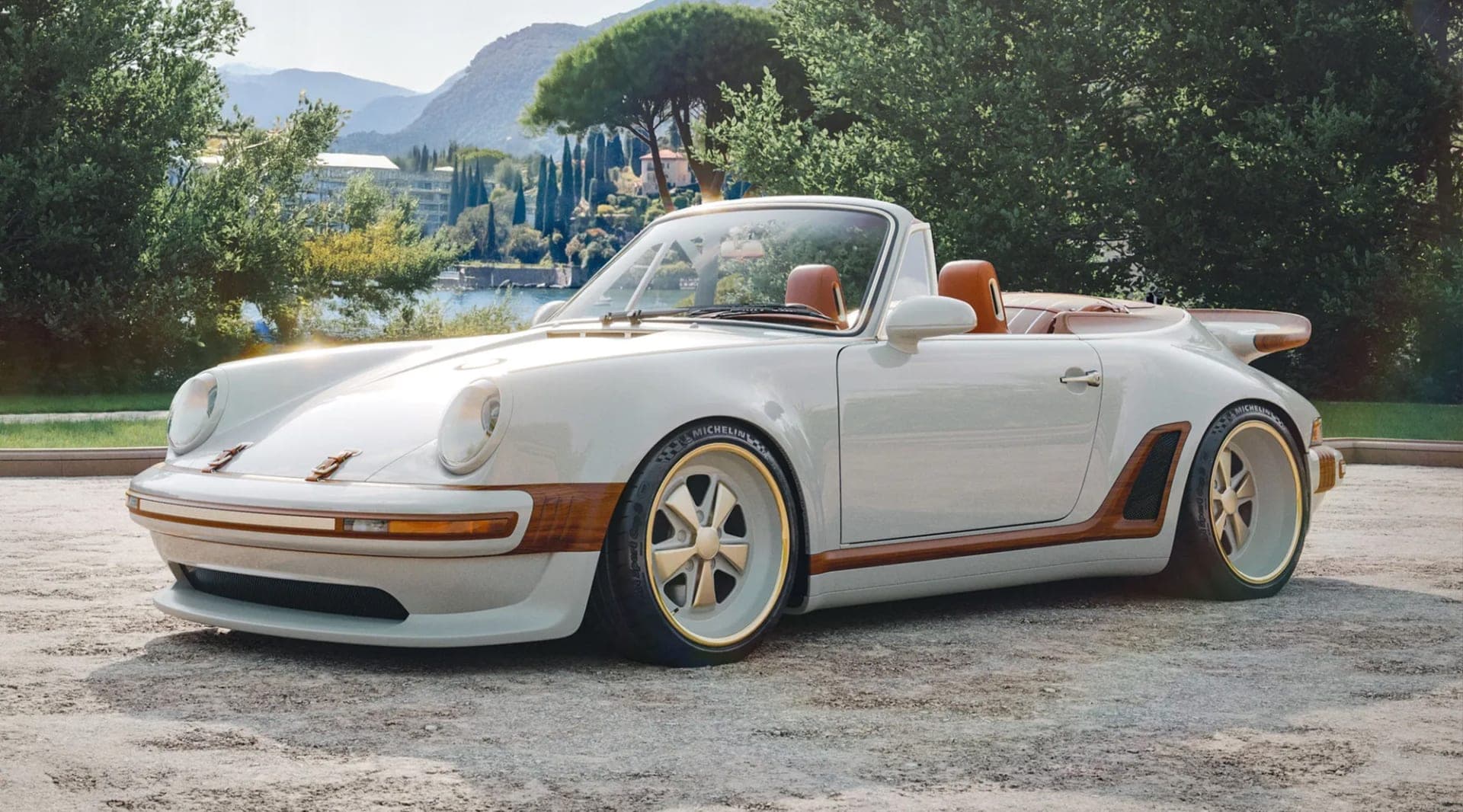
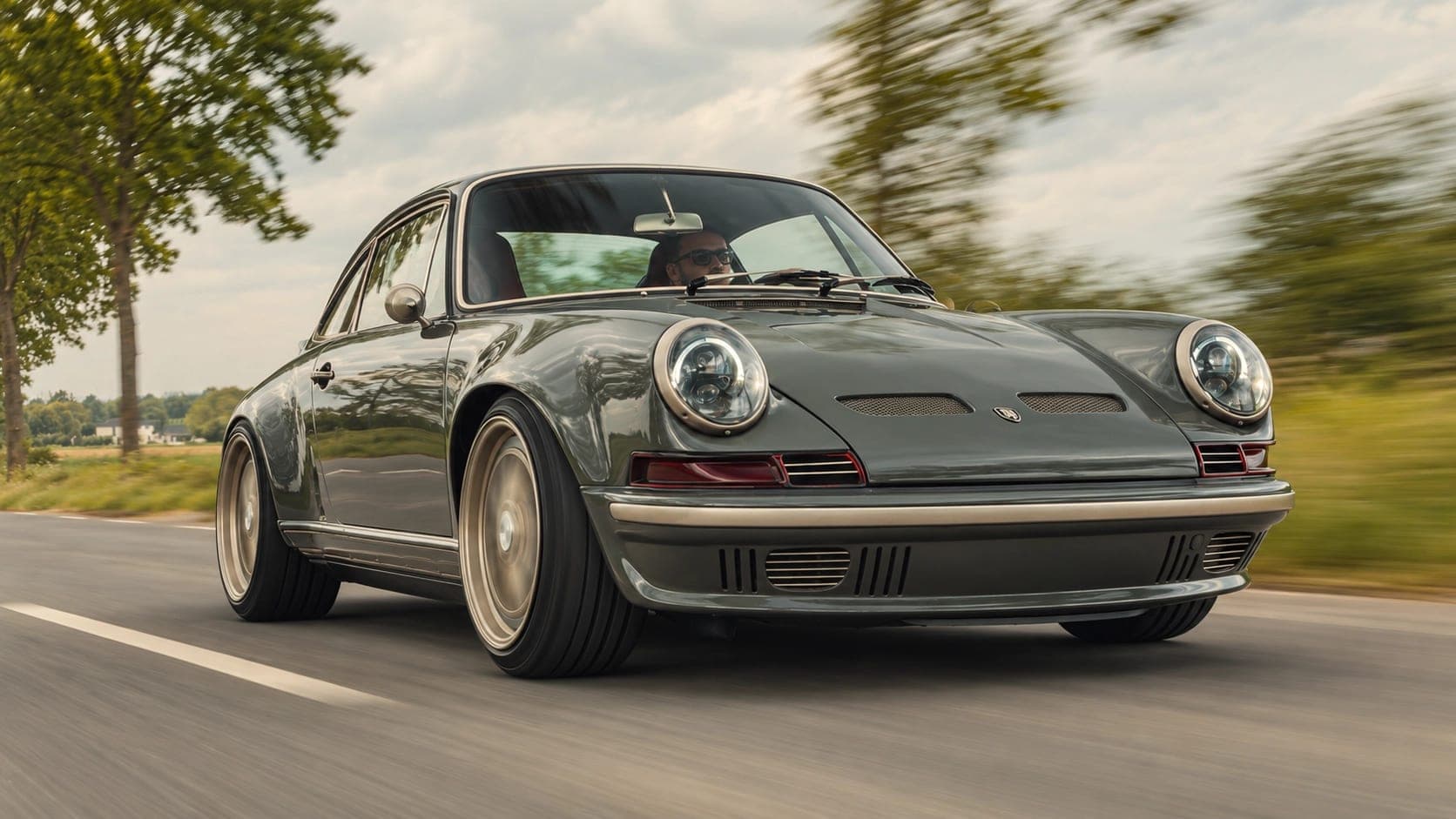
Long before the United States forced 8 km/h (5 mph) impact bumpers onto the 911 from 1974, Porsche built the car with a longer, cleaner nose, and that is the line TechArt is chasing with the GTclassic. Two mesh-covered vents sit in the front apron for a GT3-style look, and the turn signals fold into single units with the vents below each fender. A ducktail spoiler, itself carrying two more vents, crowns the rear deck lid, while LED headlights and taillights modernise the details without disturbing the pre-1974 silhouette the whole car is built around.
18-inch forged wheels frame the GTclassic's Turbo brakes
TechArt widened the fenders to fit 18-inch forged wheels, ten inches wide at the rear axle, and gave them a see-through spoke pattern rather than solid discs. The design is deliberate: it puts the Turbo-specification brake callipers on display instead of hiding them behind metal. In a segment where buyers already know every panel gap on a factory 964, a visible braking package has become as much a signature as the badge on the bonnet.
Inside, the GTclassic swaps purism for Apple CarPlay
TechArt's interior work is where the GTclassic looks least like a period-correct restomod. Twin Hanhart stopwatches sit on the dashboard for the vintage look, but Apple CarPlay, sat-nav and Bluetooth are all standard, alongside the 964's original ABS and power steering, which TechArt has kept rather than stripped out for weight. The result is a classic-looking cabin built to be driven daily, not just displayed. TechArt builds each car to order, so the demonstration model's red and champagne trim is a preview of the options list rather than the only choice available.
TechArt is 17 years behind the market Singer built
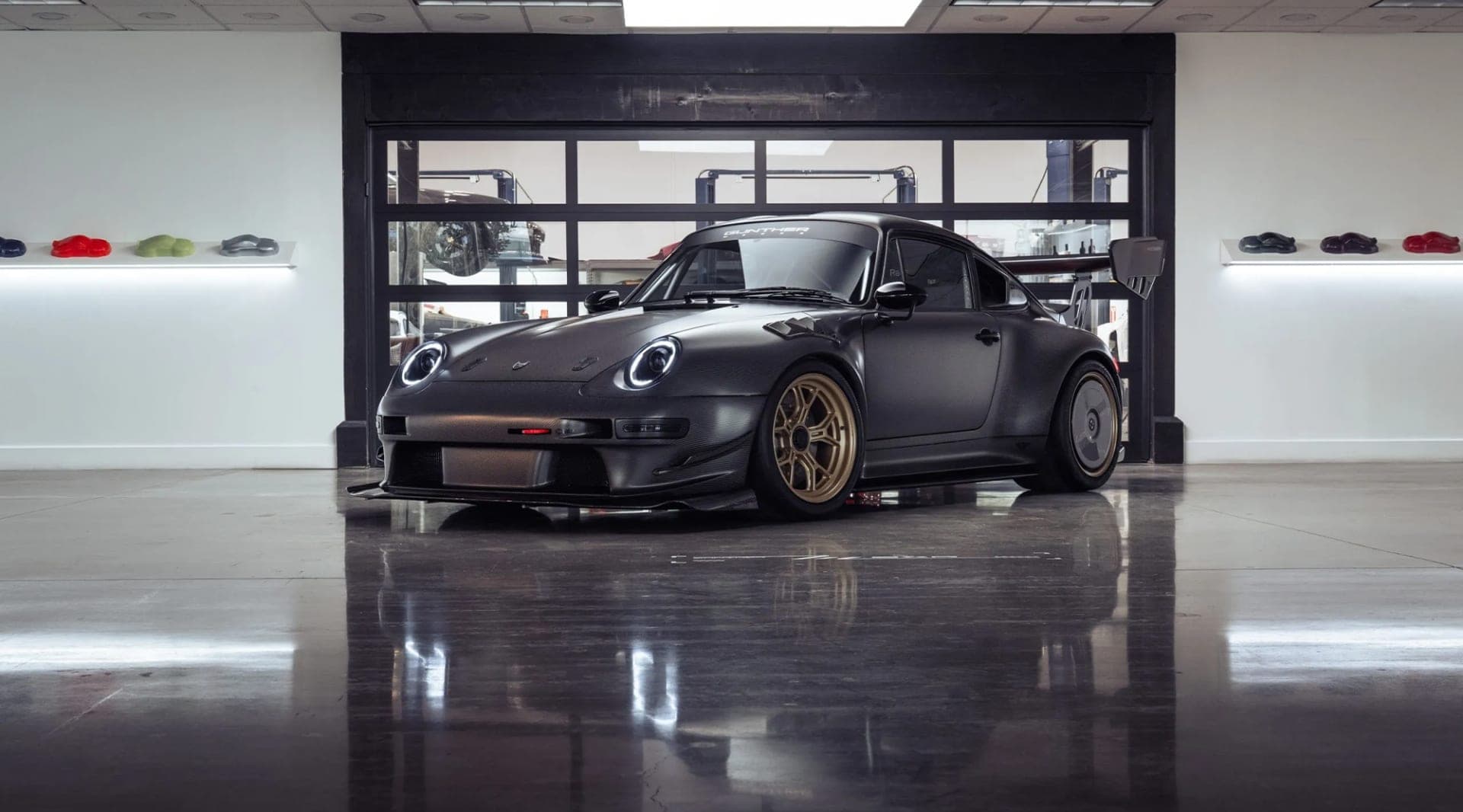
TechArt has spent 39 years reworking whatever Porsche currently builds, from 911s to Cayennes and Macans, and had never previously produced a classic restomod before the GTclassic. Singer built the backdated-911 business starting in 2009, when the 964 generation it worked from had already been out of production for 15 years. TechArt arrives 17 years after Singer, in a market that has since filled with specialists: Gunther Werks, whose GXR-Evo turns the earlier 993 into what is effectively a road-legal race car, and Singer itself, which pushed the format toward bespoke luxury with a Louis Vuitton collaboration on two 911s. TechArt's first classic project has to stand out in company that already has a following.
AutoNext Take
TechArt has not innovated with the GTclassic. It has agreed, 17 years after Singer opened the category and with Gunther Werks already established inside it, that backdating a 964 is where the money already sits.
TechArt still has not published a price, and that silence is doing work of its own. Singer built trust in this segment partly by talking about the numbers early. If TechArt stays quiet past its first customer delivery, buyers are more likely to read the silence as a warning than as a plan for exclusivity.