Leapmotor deletes the 12V battery, the part behind 45% of breakdowns
Leapmotor's CTC 3.0 runs the whole car off the traction pack, lead battery gone
Leapmotor has shown a battery pack that also does the job of the 12-volt battery. Presented at its Tech Day in Huzhou on 17 September, the CTC 3.0 High-Low Fusion battery feeds every low-voltage system in the car, from the airbags to the wipers, from the same cells that drive the motor. The separate lead-acid battery, standard fitment on every car since the 1950s, is deleted. First production cars follow in 2027.
CTC 3.0 High-Low Fusion gives the low-voltage side seven times the capacity
The idea is a battery pack with no separate low-voltage store at all. In CTC 3.0, cell-to-chassis generation three, the cells are bonded straight into the floor without modules, and a section of them is dedicated to the 12-volt network while sharing the pack's cooling loop and power distribution with the traction side. Leapmotor puts the available low-voltage capacity at seven times that of the previous generation, enough for the safety systems, the driver-assistance computers and the heated seats without a second battery under the bonnet. It also promises the pack is maintenance-free for the life of the car, and says it will open-source the design so rival makers can copy it.
ADAC's 3.7 million callouts: nearly half were the 12-volt battery, EVs included
The component Leapmotor is removing is the one that strands more European drivers than any other. ADAC, which answered almost 3.7 million breakdown calls in 2025, attributed 45.4 percent of them to a weak or dead on-board battery, more than double the next cause. Electric cars do not escape it. A four-year-old EV needed the patrol 6.5 times per 1,000 cars against 12.5 for a petrol or diesel car of the same age, but the on-board electrical system, the 12-volt battery above all, failed more often in the electric cars than in the combustion ones. An EV still carries a lead battery because contactors isolate its high-voltage pack whenever the car is off or after a crash, and something has to keep the door locks, hazard lights and eCall alive when they do.
Tesla's Cybertruck went to 48 volts in 2023 and still keeps a separate battery
Others have edged toward this without arriving. Tesla replaced the lead-acid battery in the Model S and Model X with a small lithium-ion unit in 2021 and moved the Cybertruck to a 48-volt low-voltage architecture in 2023, but both cars still carry a dedicated low-voltage battery beside the pack. Leapmotor's LEAP 5.0 architecture, which CTC 3.0 belongs to, also distributes power at 48 volts through the Clover 5.0 central electronic architecture and runs Ethernet through the car, and it removes the separate battery outright. That is the difference between thinning the lead box and deleting it.
LEAP 5.0 moves the motor to the back and adds 19 percent cabin space
The rest of the architecture is about space. LEAP 5.0 moves the drive unit to the rear and replaces the conventional HVAC box behind the dashboard with an integrated air-conditioning module, which Leapmotor says frees more than 19 percent extra cabin room in a car of the same footprint. On top sit an Agent OS linking the car to the cloud, the LWM "world model" driver-assistance system that uses LiDAR only as a safety backup, and the MM-i hybrid drive, a nine-mode series-parallel system that gives the brand its third powertrain after battery-electric and range-extender cars. Leapmotor will push LWM free of charge to the 350,000 LiDAR-equipped cars it has already delivered. LEAP 5.0 debuts on a second Leapmotor brand due to deliver its first car in the fourth quarter of 2027, and founder Zhu Jiangming wants it to feel like the smartphone that made the feature phone obsolete.
Europe's C10 and B10 stay on LEAP 3.0 hardware, with the lead battery in
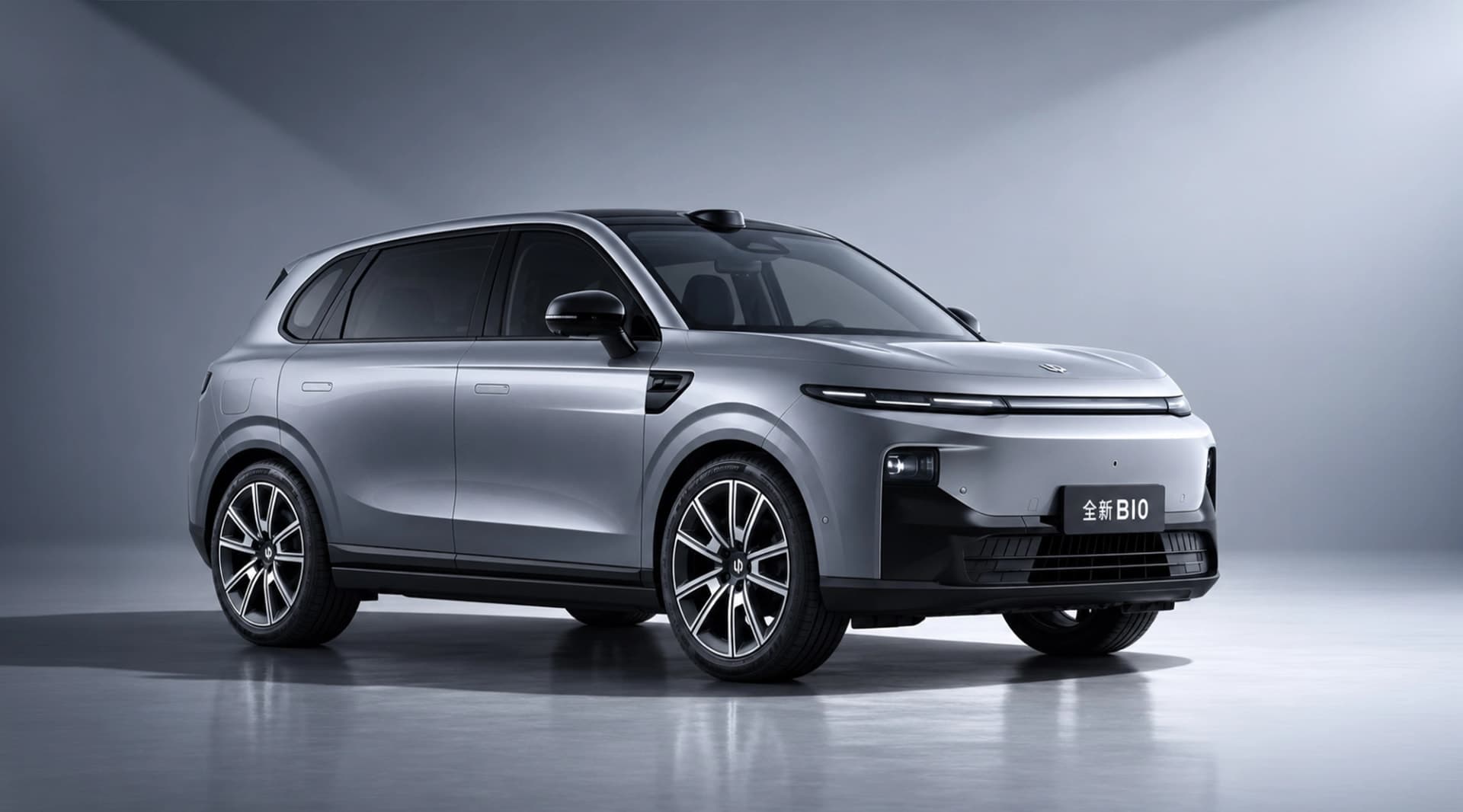
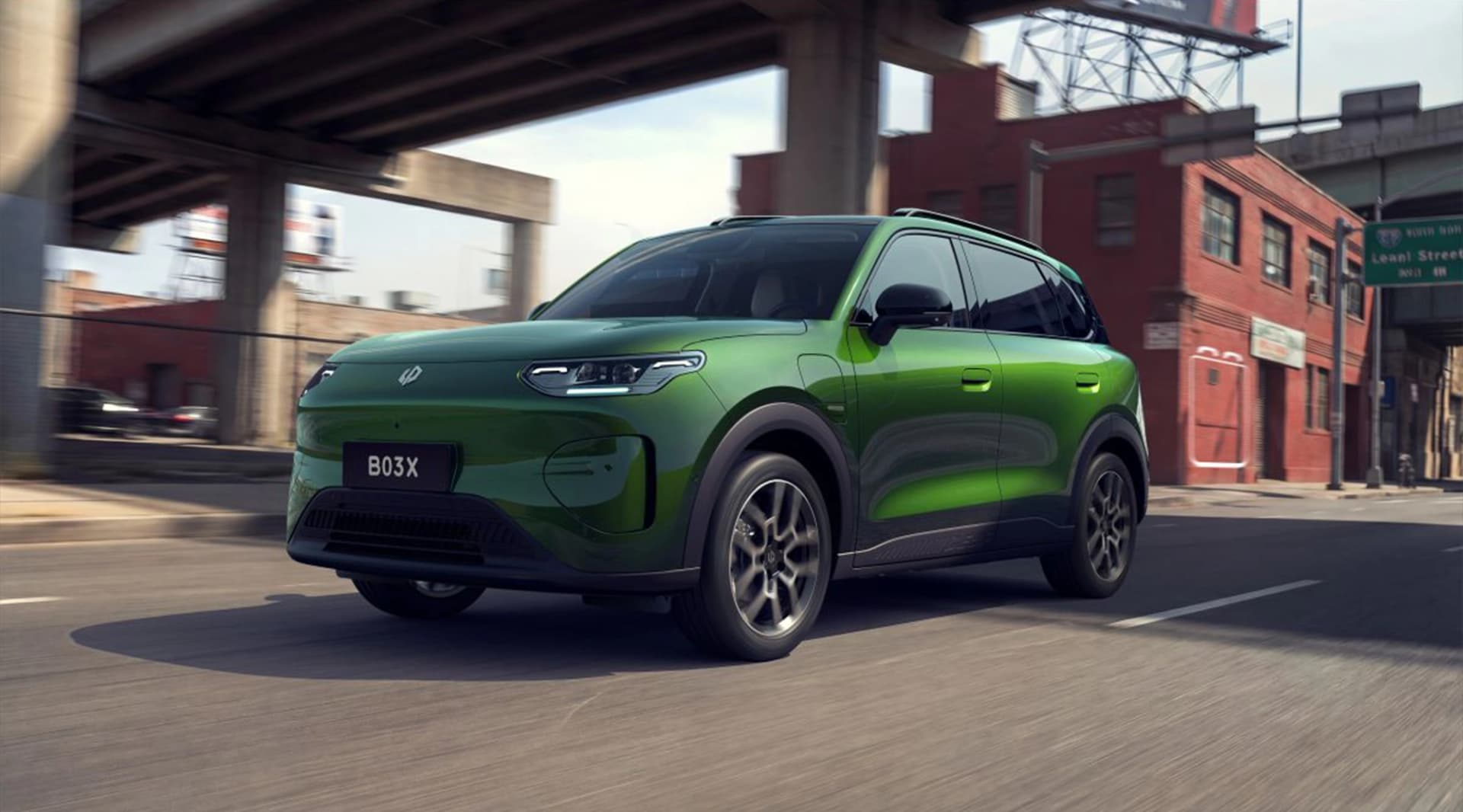
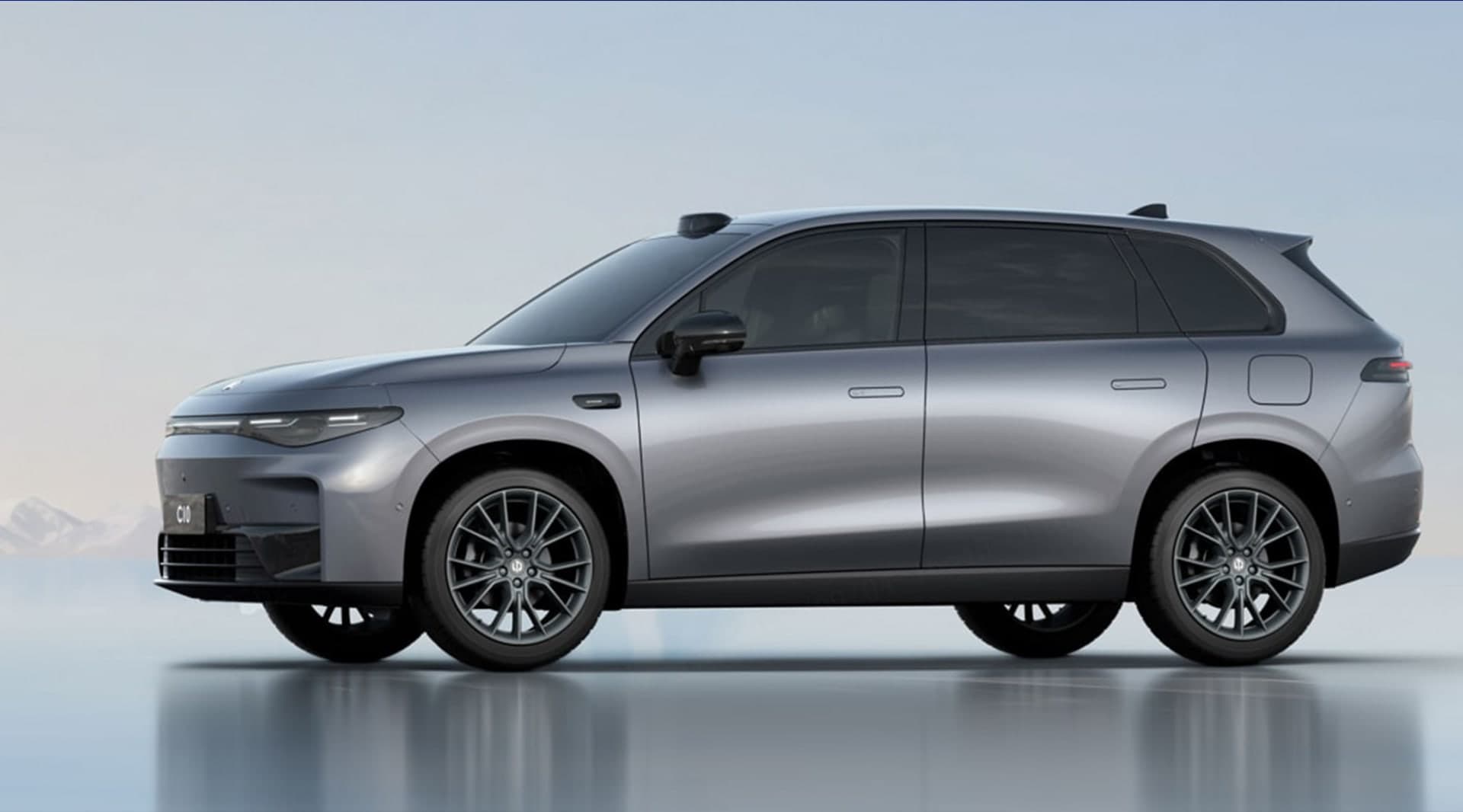
None of this reaches a European showroom soon. Leapmotor International, 51 percent owned by Stellantis, sells the C10 on LEAP 3.0 hardware and the B10, B05 and B03X on the generation after it, and it has just declined the 800-volt B10 China has had since July, on the grounds that Europe's lease-driven buyers do not want a better car every few months. The C10's hardware update is due in early 2027, a generation short of LEAP 5.0. Ambition is not lacking elsewhere: the brand delivered 103,129 cars in August and 560,883 in the first eight months, 56 percent of a one-million target that needs almost 110,000 a month for the rest of the year. Europe's 48,261 first-half registrations, ahead of Porsche, are part of that, and every one of those cars left the factory with a lead battery.
AutoNext Take
The most useful thing Leapmotor showed this week has no horsepower figure attached to it. A battery a 1950s mechanic would recognise still sits in every EV sold in Europe, and ADAC's numbers say it fails more often in electric cars than in petrol ones. Feeding the 12-volt rail from the traction cells is an obvious idea nobody with a European badge has shipped, because the hard part is not capacity but the safety case: keeping locks, lights and eCall alive after a crash has opened the high-voltage contactors. Open-sourcing the design is Leapmotor claiming it has solved that, and inviting the industry to check.
The first car sold in Europe without a lead battery will wear a Stellantis badge before it wears a Leapmotor one. Leapmotor International has just told this market it skips mid-cycle upgrades, and LEAP 5.0 starts on a second brand in China in late 2027. Stellantis, with 51 percent of the export venture and a shortage of cheap small EVs, has no such reason to wait. If no Stellantis model on LEAP 5.0 hardware is announced for Europe by the end of 2027, the open-source offer was a slide, not a plan.