Lexus NX now does 100 km on electric, with no climate buttons
Lexus fixed the NX plug-in hybrid's biggest weakness, and created a new argument
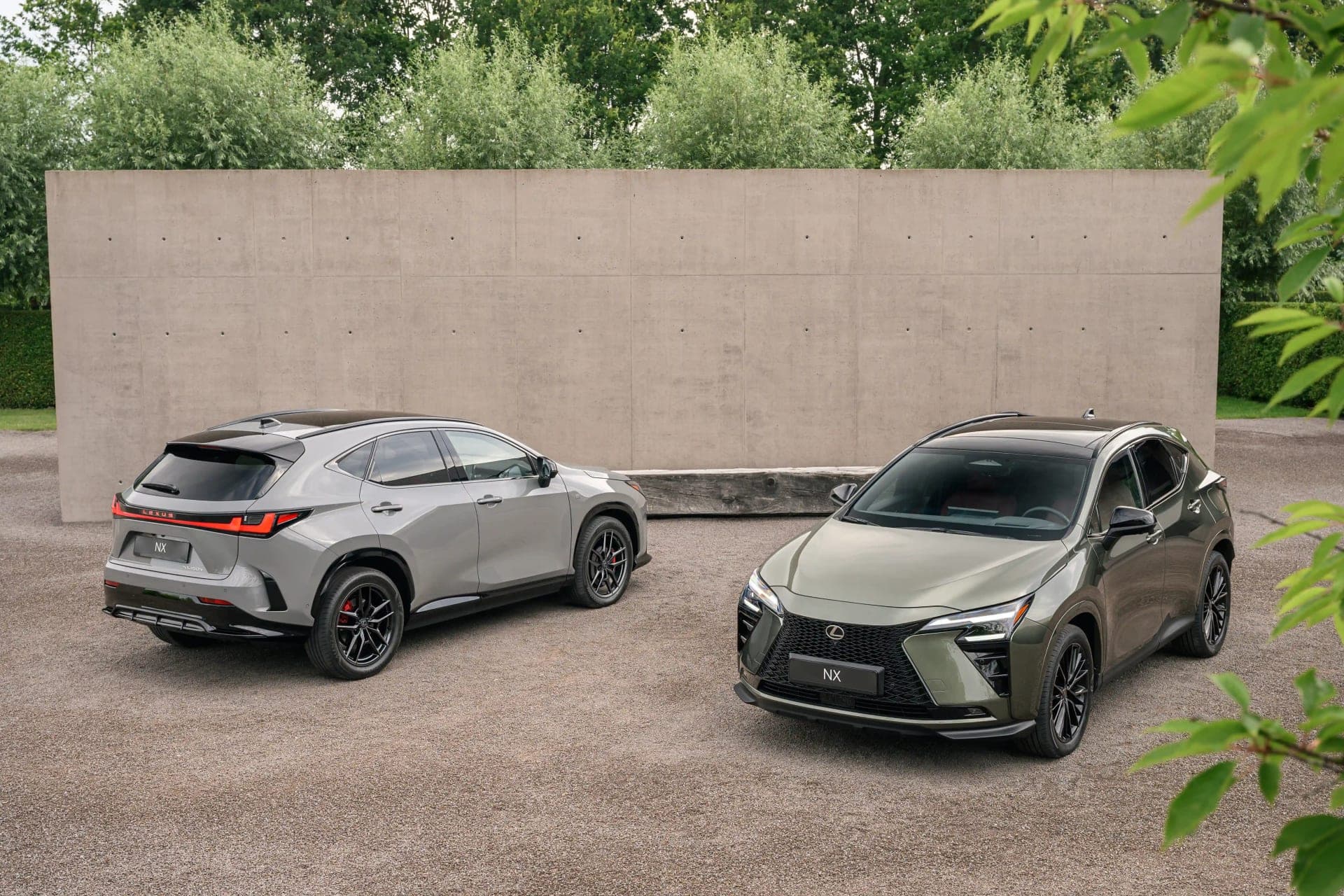
The outgoing NX 450h+ carried an 18.1 kWh battery, between 69 and 76 km of WLTP electric range depending on its wheels, and no DC charging socket at all. The updated car has 23 kWh, a provisional figure of more than 100 km, and a connection that takes it from 10 to 80 percent in half an hour. That is the substance of this facelift. The dashboard is what owners will argue about.
The NX 450h+ gets a 23 kWh battery and its first DC charging socket
The plug-in hybrid's battery grows by 30 percent, from 18.1 kWh to 23 kWh, and Lexus quotes a provisional WLTP electric range of more than 100 km. More useful than the number is the socket beside it: the outgoing 450h+ could only take alternating current through a 6.6 kW onboard charger, so a flat battery meant a two-and-a-half hour wait. The new one accepts DC and refills from 10 to 80 percent in 30 minutes. System output is 307 hp, 0 to 100 km/h takes 6.1 seconds, and it will tow 1,500 kg.
The NX 350h hybrid battery is 9.2 kg lighter than the one it replaces
The self-charging hybrid keeps 199 hp and reaches 100 km/h in 7.3 seconds with all-wheel drive, or 7.7 with front-wheel drive, but its battery has been redesigned and now weighs 23.5 kg instead of 32.7 kg. A more compact power control unit and transaxle save another 10 kg and cut 10 cm of height out of the drivetrain. Moving the auxiliary battery frees 26 litres of underfloor storage, which is the sort of gain a family actually notices.
Lexus tuned an NX at the Nurburgring for the first time
The NX gets new shock absorbers with an ultra-low-velocity valve, signed off at Lexus's Shimoyama proving ground and then at the Nurburgring. Lexus calls it the first NX tuned for European roads at that circuit. The body underneath was stiffened by roughly 25 percent at the floor and 30 percent around the front suspension towers, engine and road noise are down about 20 percent, and the driver sits lower behind a steering wheel that is 10 mm smaller in diameter.
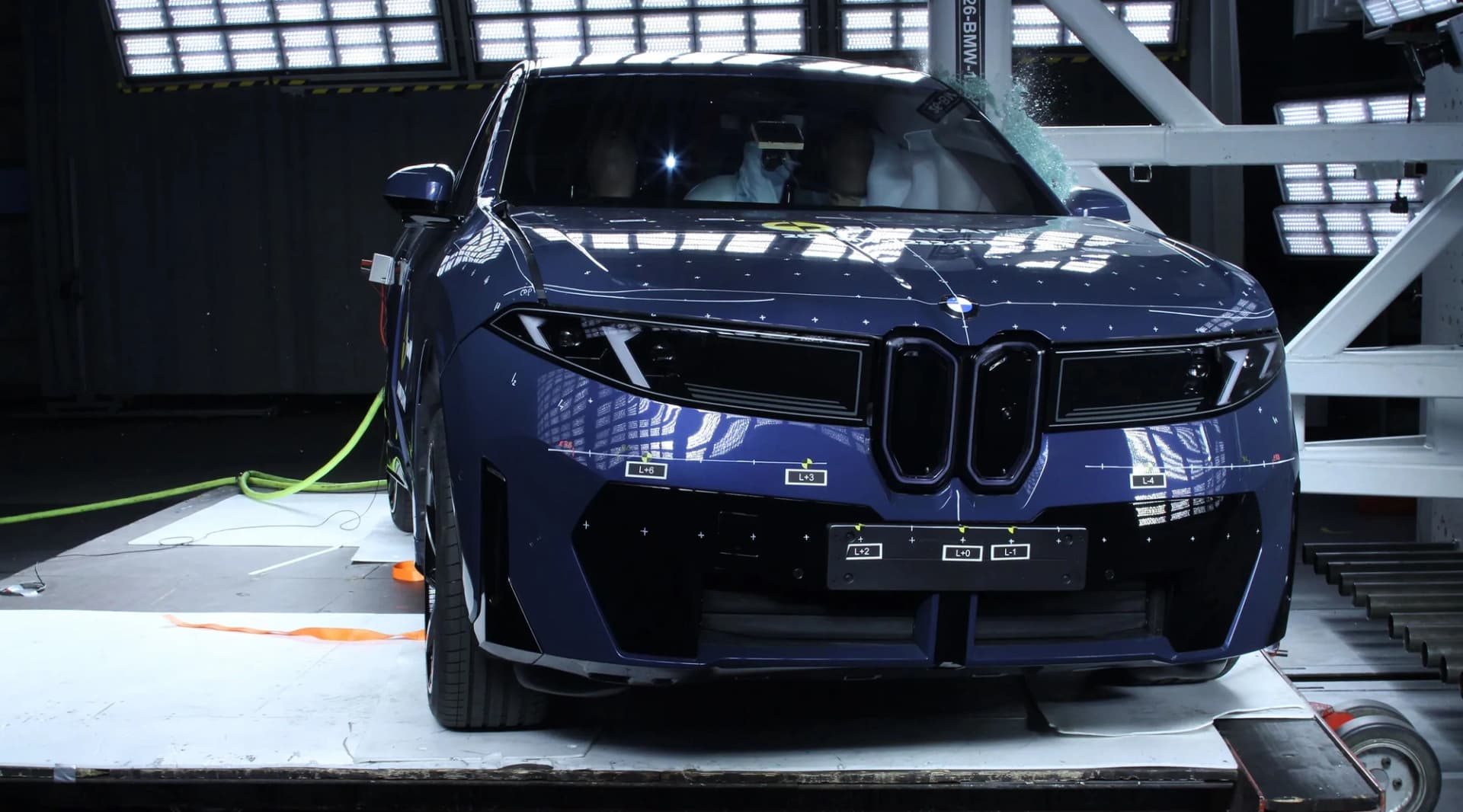
Euro NCAP's five physical-control rules do not cover climate
The heating and air-conditioning switches are gone, replaced by what Lexus calls Responsive Hidden Switches on an unbroken instrument panel, below a 14-inch screen that is only 10 mm thick. This is a rules decision as much as a design one. Since January 2026, Euro NCAP has expected physical controls for five functions before it awards five stars: indicators, hazard lights, the horn, the wipers and the emergency call. Climate is not on that list, and screens are already an increasingly common reason cars get recalled.
European pre-sales open in autumn 2026, deliveries in early spring 2027
Lexus opens pre-sales this autumn and starts European deliveries in early spring 2027. The cabin layout and the lighter hybrid battery both come from the ES saloon, which means the NX is being pulled into the same interior language as the rest of the current range. It also has to carry Lexus's combustion-based volume in Europe while the electric TZ takes the brand's newer platform upmarket.
AutoNext Take
The range figure is the one that changes how the car is used. A plug-in hybrid rated at 72 km is a car you charge overnight at home and run flat on any real journey, which is exactly how most of them end up being driven. One rated above 100 km with a DC socket that refills it during a lunch stop is a different proposition, because it can be topped up somewhere other than your own driveway. That is the gap between a tax-efficient compromise and a car that genuinely runs on electricity most weeks.
The switches are the part Lexus may end up regretting. Deleting the temperature controls is not an engineering decision, it is a compliance one: Euro NCAP's five mandated physical controls do not include climate, so the NX keeps its stars and loses its knobs. Here is the test. Lexus tuned this car for European drivers at the Nurburgring, dropped the seat and shrank the wheel to make it feel keener, and none of that will be what anyone remembers if the next update quietly puts the temperature dials back.