McLaren's new logo is the sign above Bruce's parents' petrol station
McLaren's new lettering comes from a garage sign, not a design studio
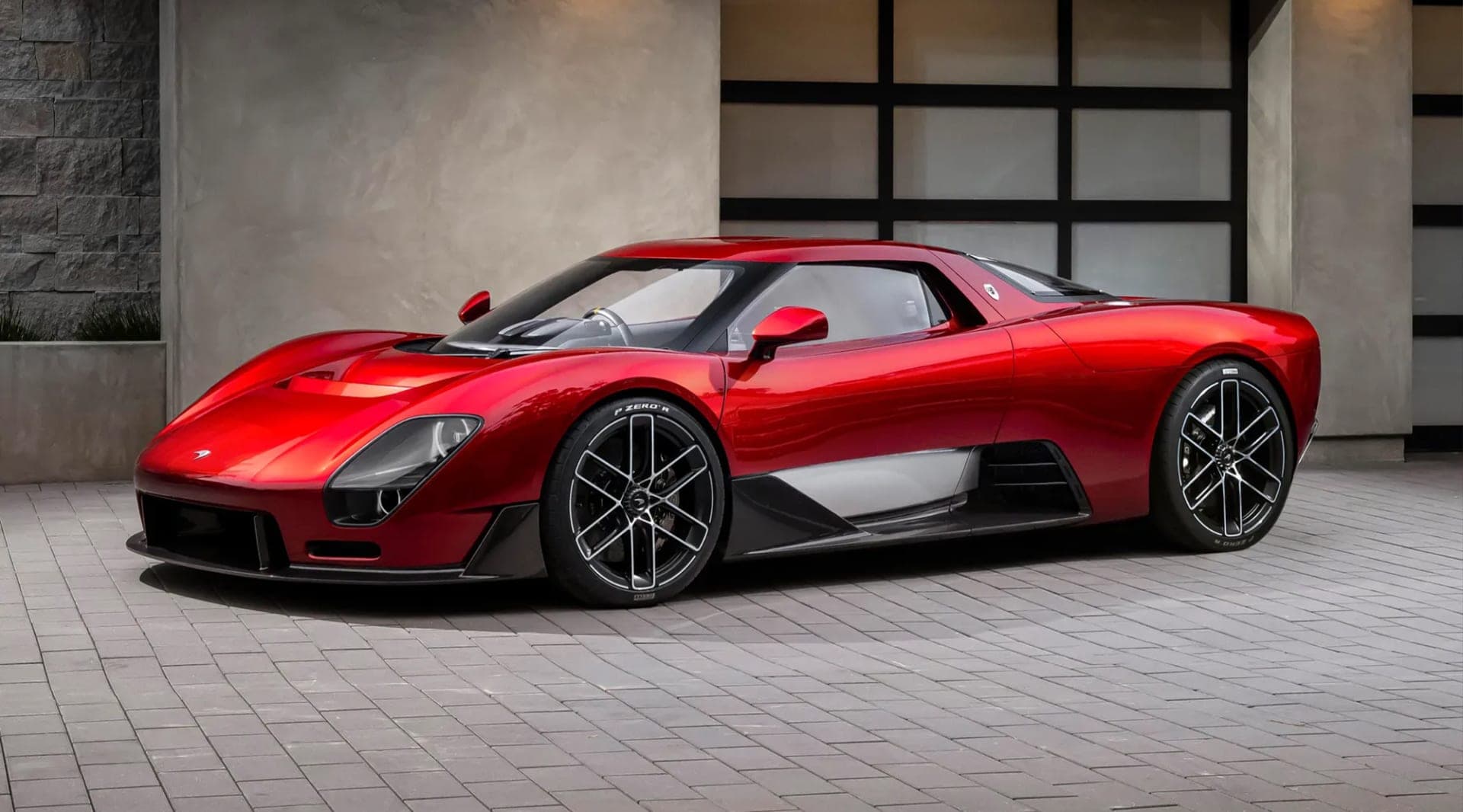
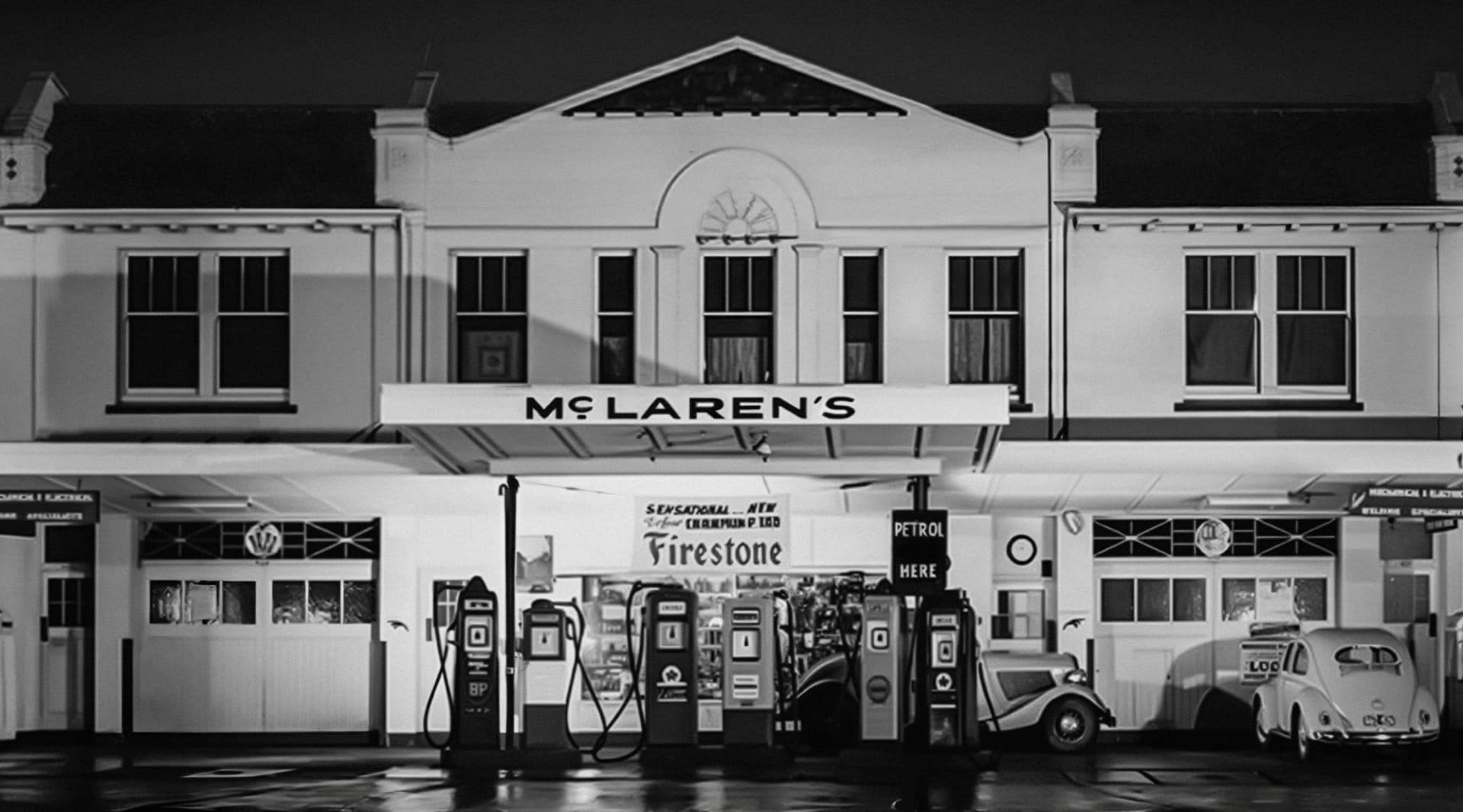
McLaren has a new wordmark, and it was drawn from the sign above a service station on Remuera Road in Auckland. Les and Ruth McLaren owned it, their son Bruce grew up in the flat above it, and at 14 he rebuilt a 1929 Austin 7 Ulster in its workshop and won his class with it at the Muriwai hillclimb a year later. The McL 6GT is the first car to wear the result, and future McLarens will spell the name across their tails.
The Remuera Road wordmark debuts on the McL 6GT and on the sign at Woking today
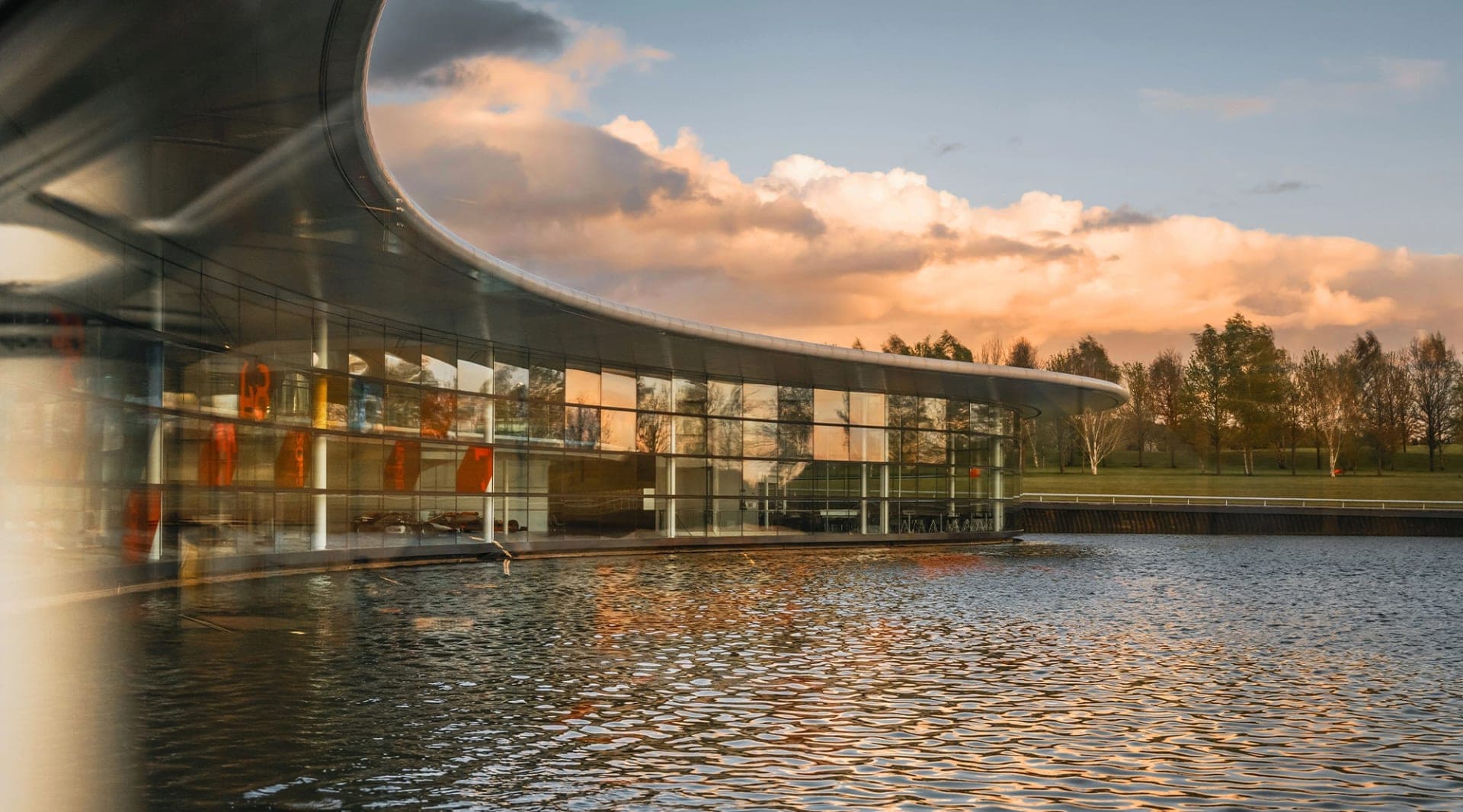
The identity is shared by McLaren Automotive and McLaren Racing for the first time, and it comes with a bespoke typeface, McLaren Sans, used in the same form on the cars, the merchandise, the showrooms and the Formula 1 team. The sign outside the McLaren Technology Centre changed on the day of the reveal. The source building still stands: Heritage New Zealand listed the Remuera garage as a Category 1 historic place in 2006, and the Bruce McLaren Trust ran its museum in the flat above it before moving to Hampton Downs. Chief creative officer David Woodhouse calls the work 'finally an acknowledgement of our founder' after 'a period of not recognising' him, and told Autocar that nobody should describe the name or the car as retro.
The 1997 Speedmark stays as 'a little identifier', and the road cars go Midnight grey
The Speedmark survives. It first appeared on the silver West-sponsored cars of 1997, the year Marlboro's money went to Ferrari, and McLaren's own explanation is that it traces the vortices off a rear wing. It is now separated from the lettering, and Woodhouse says it remains 'as a little identifier' while 'the wordmark definitely takes dominance'. The Speedy Kiwi of the 1970s, already etched into the McL 6GT's fuel cap and gear lever, stays in the toolkit. Papaya moves closer to the racing team, and McLaren Automotive adopts a darker palette it calls Midnight, described as a signifier of premiumness and luxury. Woodhouse names Louis Vuitton and Hermès as the houses whose treatment of their founders he wants McLaren to follow.
McL stands for McLaren Cars Limited, the company that built the F1
The three letters on the 6GT's badge are, in Woodhouse's words, a coincidental initialism for McLaren Cars Limited. It is a useful coincidence. McLaren Cars was founded in 1985, launched the F1 in 1992 and built 106 of them, before McLaren Automotive replaced it in 2010 and put the 12C into production. Woodhouse says the letters will appear 'in the badging and the nomenclatures going forward', which points to future models taking the McL prefix, and he stopped short of confirming that when pressed. McLaren's first manual car since that F1 is the one already carrying it, and it is due in 2028.
Kiwi, chevrons, Speedmark: each McLaren logo arrived with new money
McLaren's marks have changed four times in 63 years, and each change had a sponsor or an owner behind it. Michael Turner, a friend of Bruce, drew the original kiwi in 1963, and the stylised Speedy Kiwi carried the team through the 1970s. Raymond Loewy's chevrons of the early 1980s took their shape from the Marlboro pack that paid for the cars from 1974 to 1996, and they arrived after Ron Dennis took control. The Speedmark came in 1997 with West and the silver livery, and papaya returned in 2017, the first season after Dennis left. The Remuera lettering follows the pattern: CYVN Holdings bought McLaren from Mumtalakat in December 2024, merged it with Forseven in April 2025, installed Nick Collins as chief executive in May, and its successor L'IMAD signed off £500 million and a second British assembly line days before the logo.
A luxury-house identity for 2,000 cars a year, with no new car to wear it before 2028
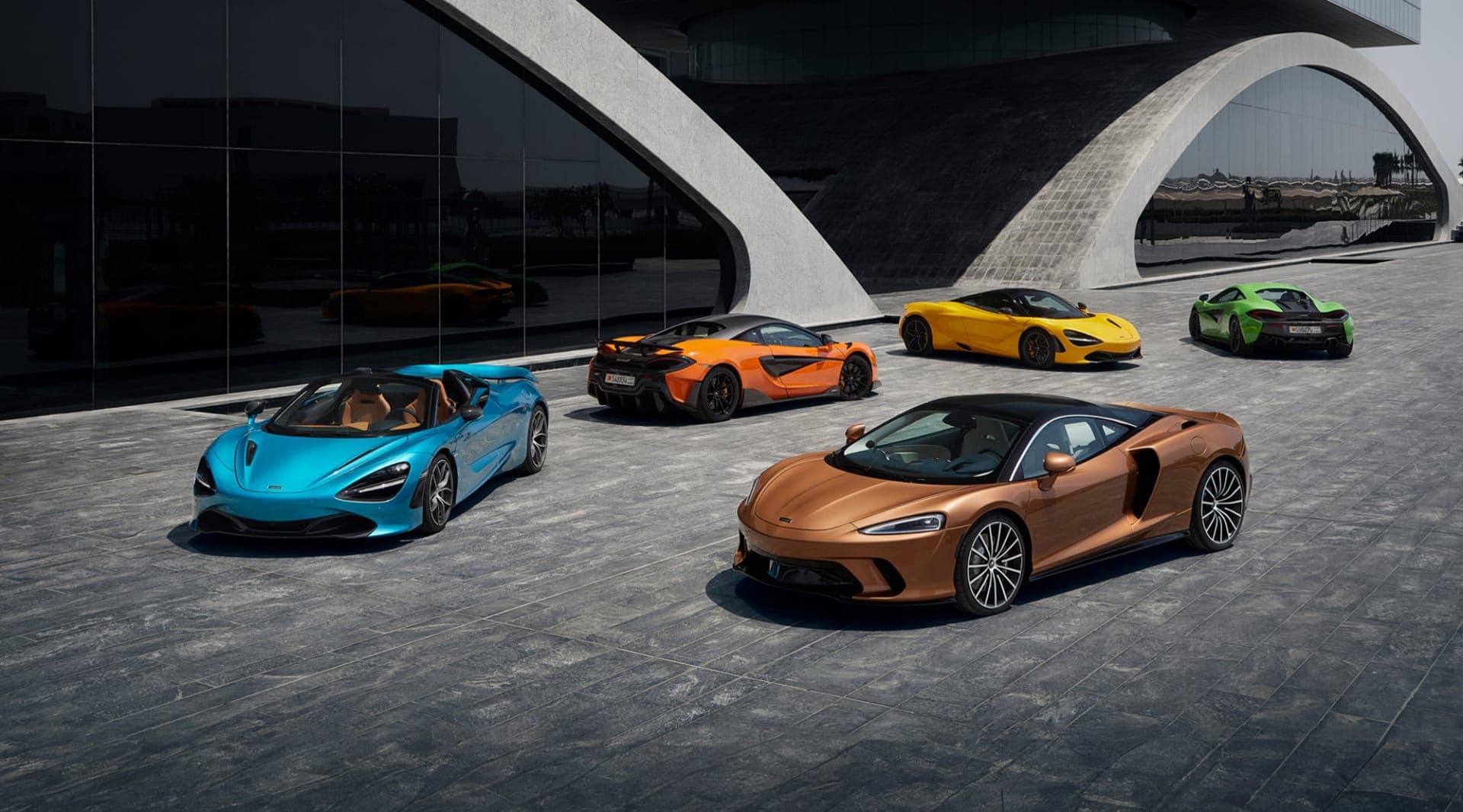
The company adopting the identity built around 2,000 cars in 2025, against 4,806 in 2018, and Autocar reports that the GTS, the Artura and the 750S all leave production by the end of 2028. McLaren has not said whether those three get the new lettering on their tails before they go. The cars that definitely wear it are the McL 6GT, due in 2028, and the SUV, due before 2030. Jaguar ran the same sequence in November 2024, identity first and car second, and had the Type 00 concept on a stand within two weeks; its former design chief is still defending the result. McLaren at least has a finished concept: the 6GT came back to Woking from Pebble Beach already wearing the badge.
AutoNext Take
For 63 years a McLaren badge told you who was paying. Marlboro's chevrons arrived with Ron Dennis in the early 1980s, the Speedmark with West's silver in 1997, and papaya returned in 2017 in the first season without Dennis. The Remuera lettering is the first identity in the company's history that points back to the founder rather than to the sponsor, and the first to arrive with an owner, L'IMAD, that has no logo of its own to sell. That is why Woodhouse's line about a period of not recognising the founder reads as honest rather than defensive: for most of that period, the name on the cheque was not McLaren.
The gap is real. The McL 6GT does not reach customers until 2028, the 750S, Artura and GTS are gone by then, and McLaren has not said whether they wear the new lettering in their final year. Our expectation is that the 6GT is the first car to carry it and the SUV the second, which makes this the rare rebrand that arrives with its car already built and photographed at Pebble Beach. If the 6GT ships in 2028 with the name spelt across its tail and the Speedmark reduced to a fuel cap, the lettering will have done what the chevrons and the Speedmark never managed: outlast the money that paid for it. A sign above a Remuera Road garage is a better place to start from than a cigarette packet.