Mercedes axes the US EQE sedan as its new EVs take over
Mercedes' electric E-Class experiment ends in America after four model years
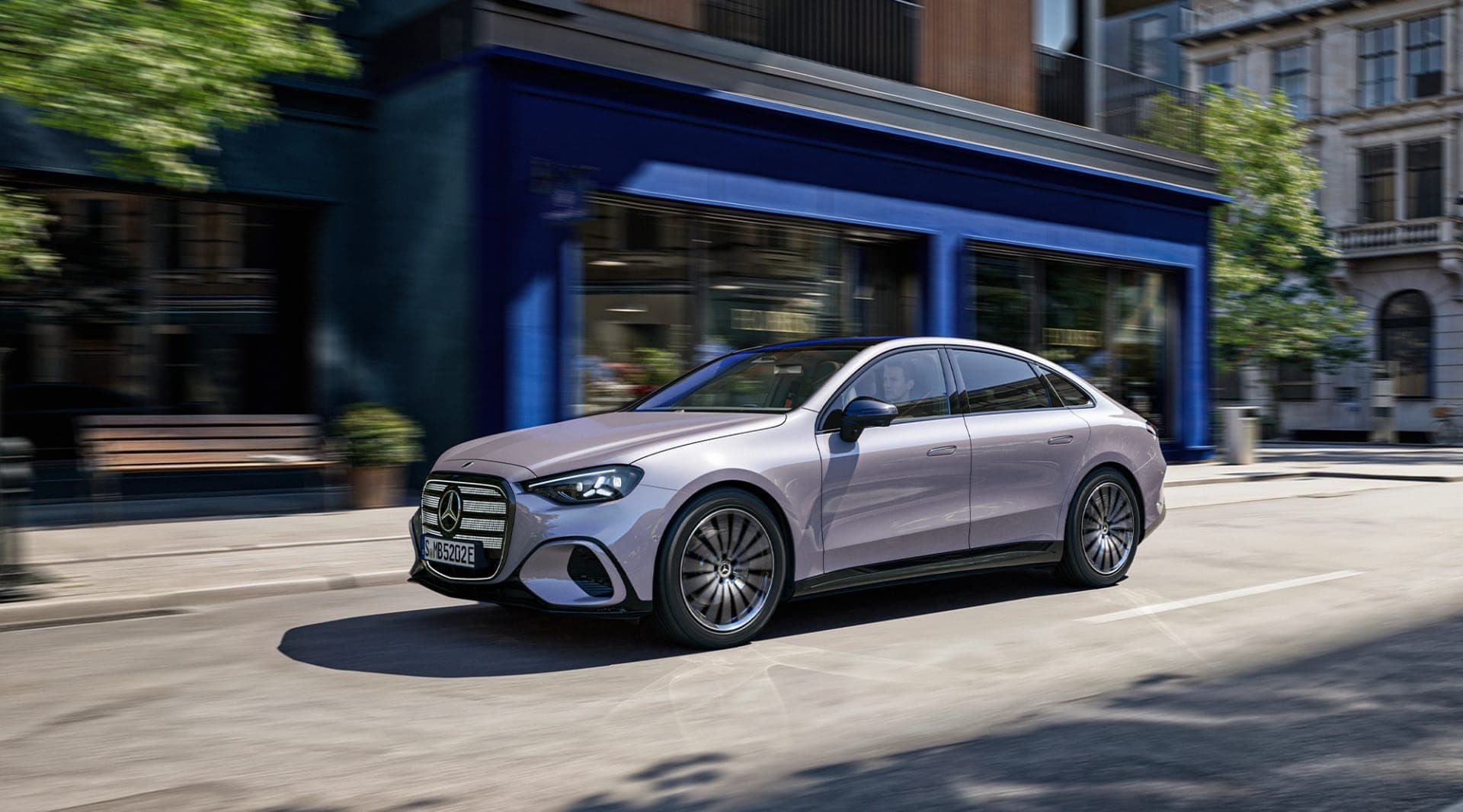
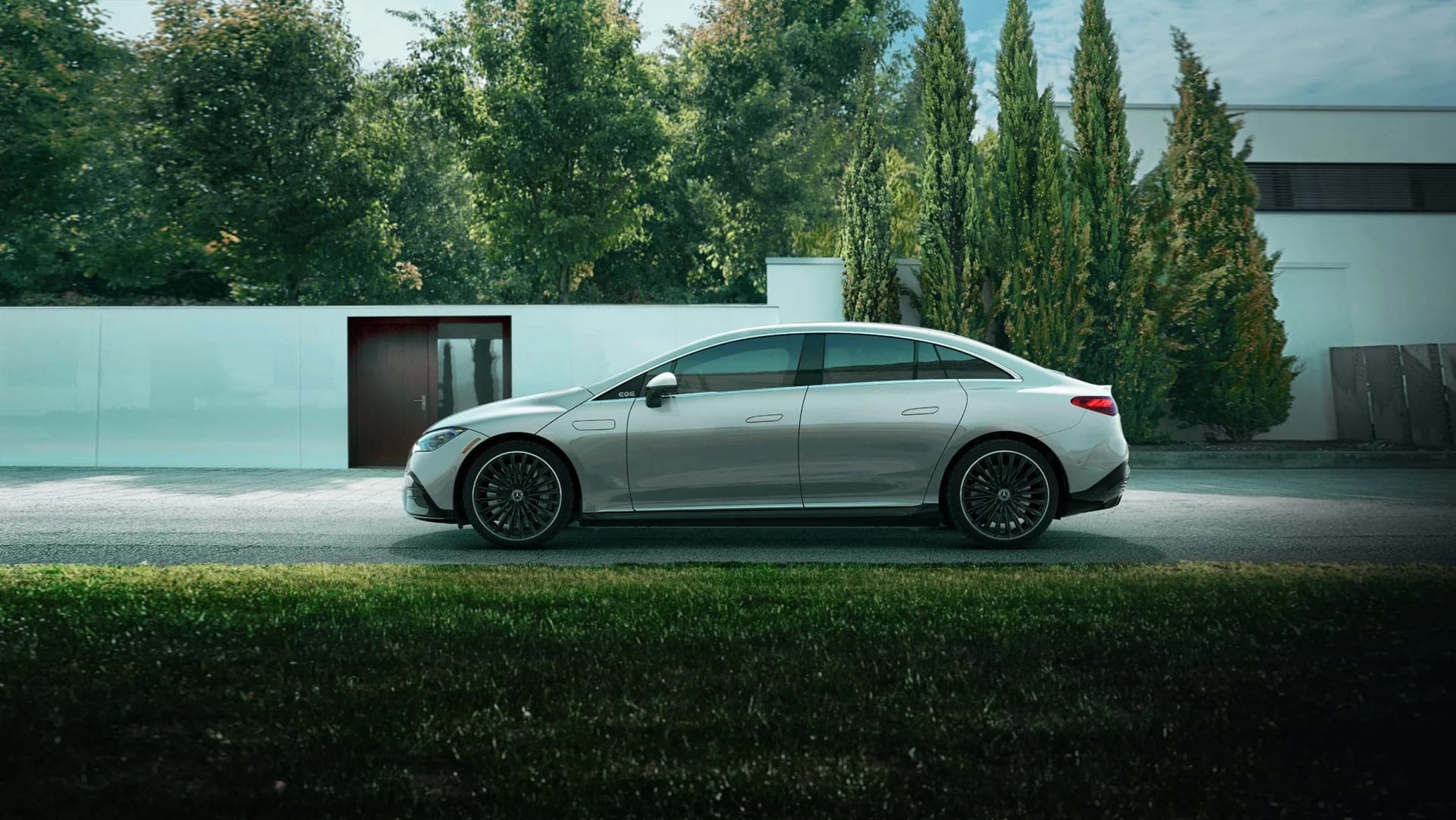
Mercedes-Benz drops the EQE sedan from its 2027 American line-up, in both Mercedes and AMG form, the company has confirmed. The AMG S 63 E Performance and the Maybach EQS 680 SUV leave with it. Mercedes names the electric C-Class, which reached German dealers on 19 September, as the EQE's indirect successor, and the registration figures from its home market show why.
The EQE sedan leaves the US for the second time in a year
The EQE sedan's American exit is its second in just over a year. Mercedes closed US order books for the EQE and EQS in July 2025 and stopped building them for that market on 1 September 2025, weeks before the federal $7,500 EV tax credit expired. The cars returned to showrooms about five months later, and that comeback has lasted a single model year. Remaining stock is still listed from $64,950 for the EQE 320+ and $96,600 for the AMG EQE.
Germany registered 1,856 EQEs in eight months, down 53%
Germany registered 1,856 electric E-Class models from January to August 2026, a line that covers both the EQE sedan and the EQE SUV. That compares with 3,918 in the same months of 2025, according to KBA, the federal registration authority. The electric S-Class line, EQS sedan and EQS SUV together, fell from 999 to 480. Over the same eight months, Mercedes' total electric registrations in Germany rose 86 percent to 37,584. Buyers did not turn away from electric Mercedes. They turned away from these two.
The electric CLA outregistered the EQE family eight to one
The electric CLA delivered most of that growth, with 15,295 German registrations from January to August, more than eight times the EQE family. It carries a familiar name and a shape that reads as a Mercedes saloon, the formula the brand now applies across its range, from the
to the C-Class. The EQE and EQS were drawn to a separate 'one bow' design, a single arc from nose to tail chosen for aerodynamics, and sold under their own EQ badge. That separation is what Mercedes is now undoing.
The electric C-Class replaces the EQE with 422 hp and 690 km
Mercedes calls the electric C-Class the EQE sedan's indirect successor. The
, which opened for orders on 16 September, has 422 hp, an 85 kWh usable battery and 690 km of WLTP range, and lists at €62,951 in Germany. It is a smaller car than the EQE, but the range and performance gap that once justified a separate electric executive saloon has largely closed. Rear-wheel-drive versions, which should bring the entry price down, are promised but still have no price.
AMG S 63 E Performance and Maybach EQS 680 SUV also leave the US list
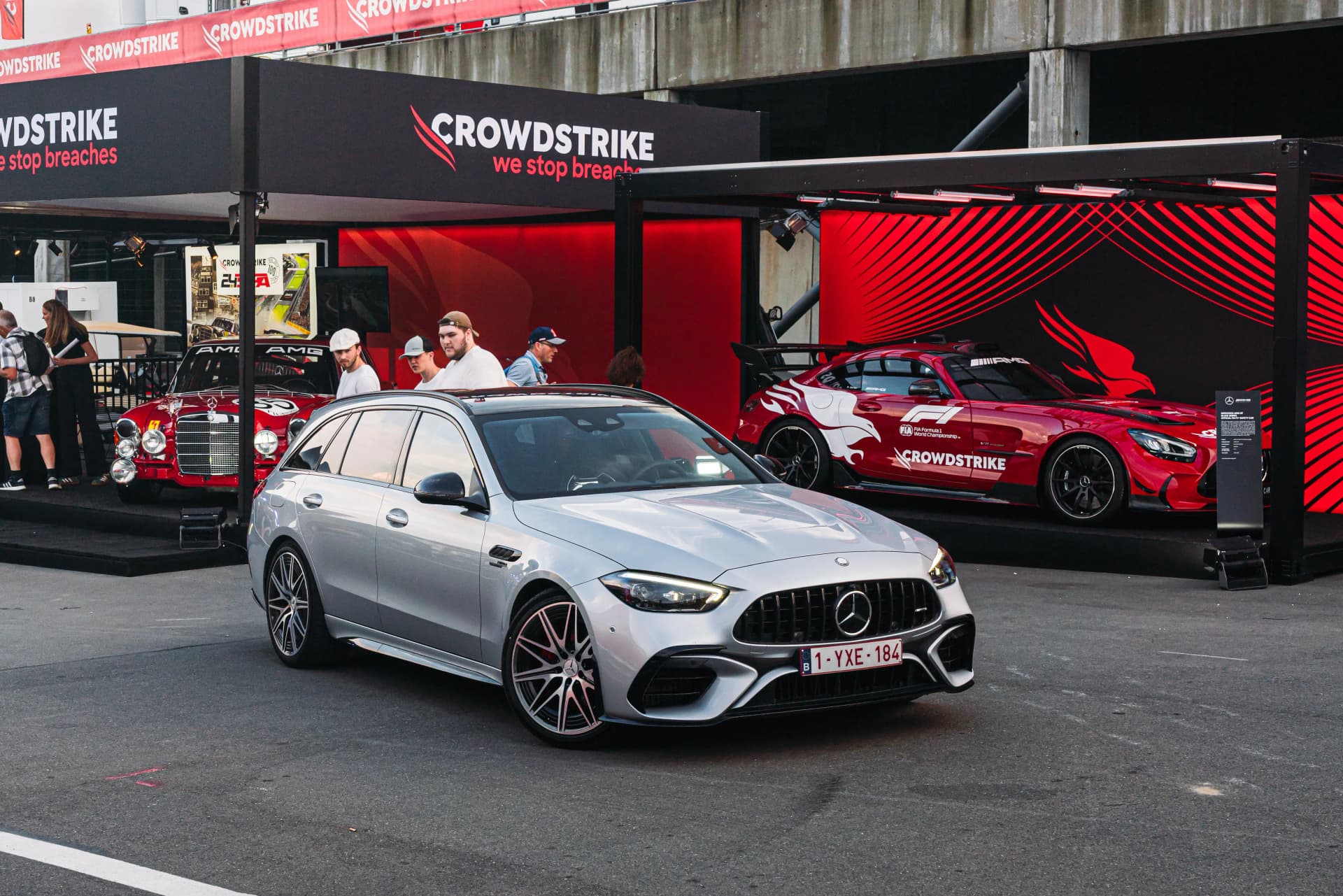
The AMG S 63 E Performance pairs a 4.0-litre twin-turbo V8 with a 190 hp electric motor on the rear axle for 802 hp and 1,430 Nm. Its exit from the American list follows the
four-cylinder C 63 S E Performance
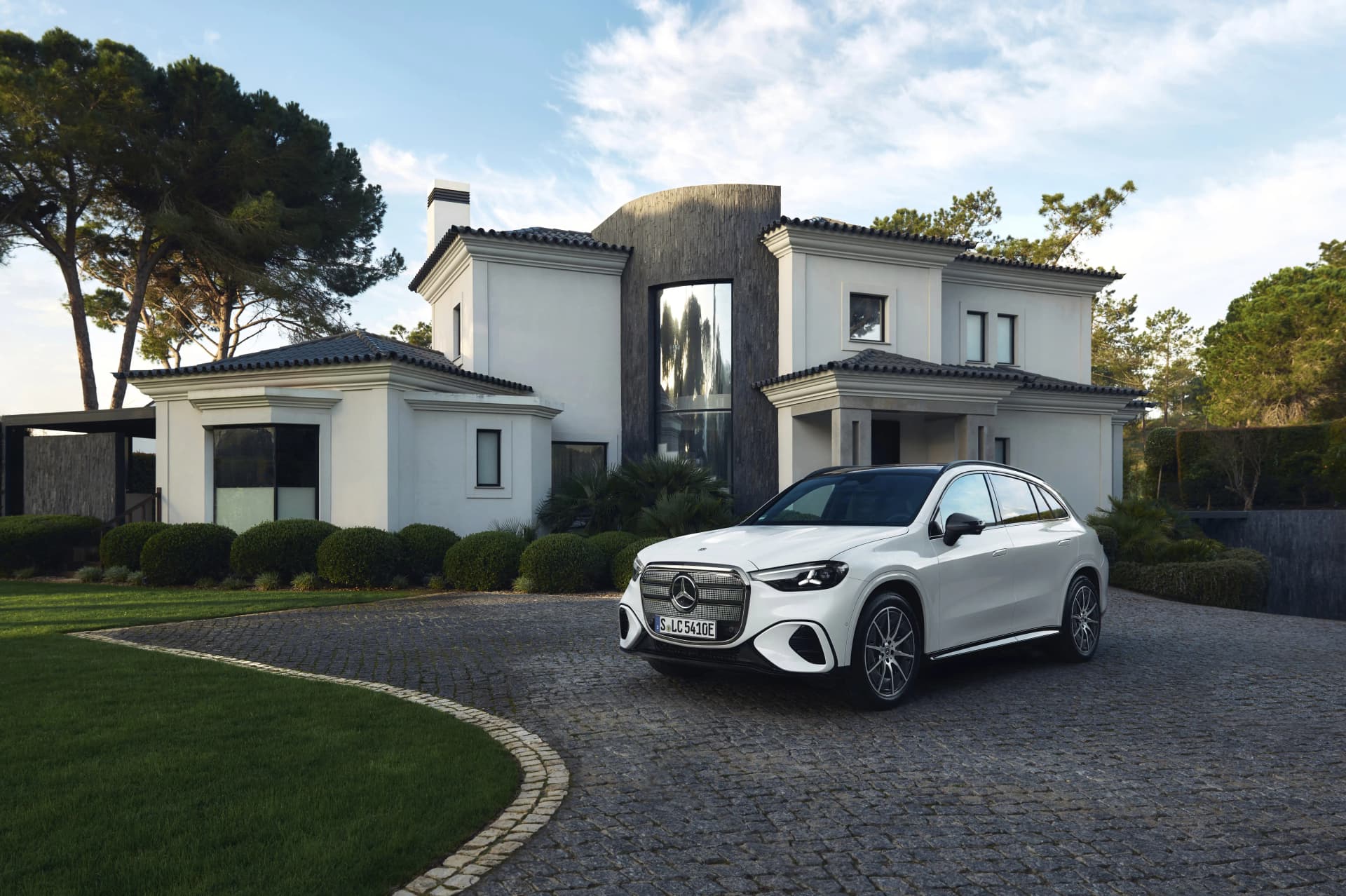
, the other AMG that leaned on a plug-in hybrid for its headline power, which AMG is already phasing out. The Maybach EQS 680 SUV, with 658 hp and 950 Nm, was the most expensive electric Mercedes on the US price list. The Mercedes-badged EQS sedan and EQS SUV stay on sale.
AutoNext Take
The EQE did not fail because it was electric. It failed because it asked E-Class buyers to give up the look of an E-Class as well as the engine, and Germany's figures show how few were willing. In the same eight months that the EQE family halved, Mercedes nearly doubled its electric registrations with cars that look like the ones they replace. Dropping the EQE sedan is the right correction, and the electric CLA's 15,295 registrations show the new formula already works.
The electric C-Class now has to prove the same point one segment up. Its first full quarter at German dealers should bring more registrations than the 1,856 the whole EQE family managed from January to August, and KBA's December figures, published in early January 2027, will show whether it did. If it does, the EQE sedan will not need a formal European announcement to disappear.