Mercedes' cheaper electric C 300 is only cheap where tax rules help
The C 300 4MATIC is Mercedes' cheaper electric C-Class, and the cheapest is still missing
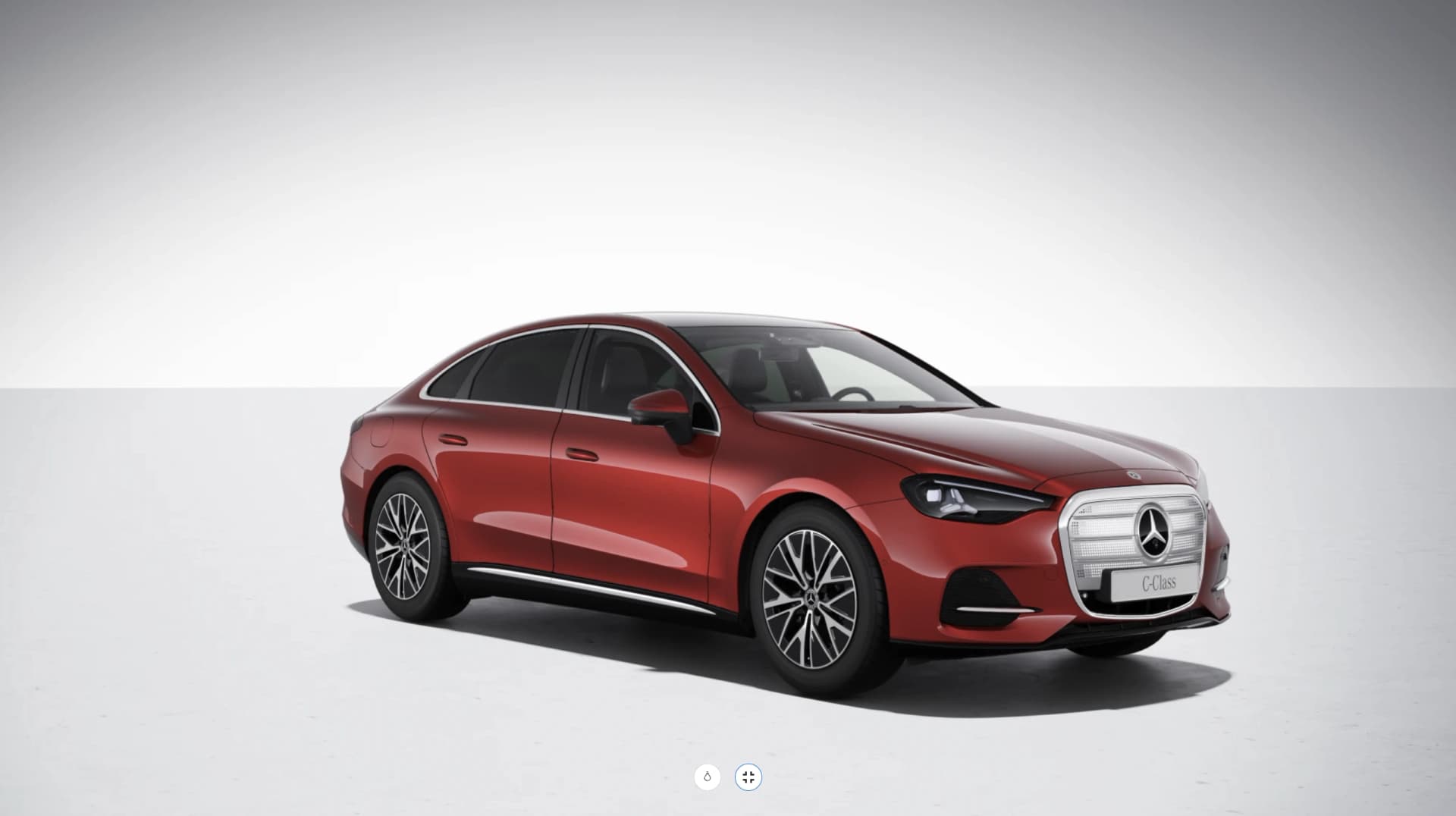
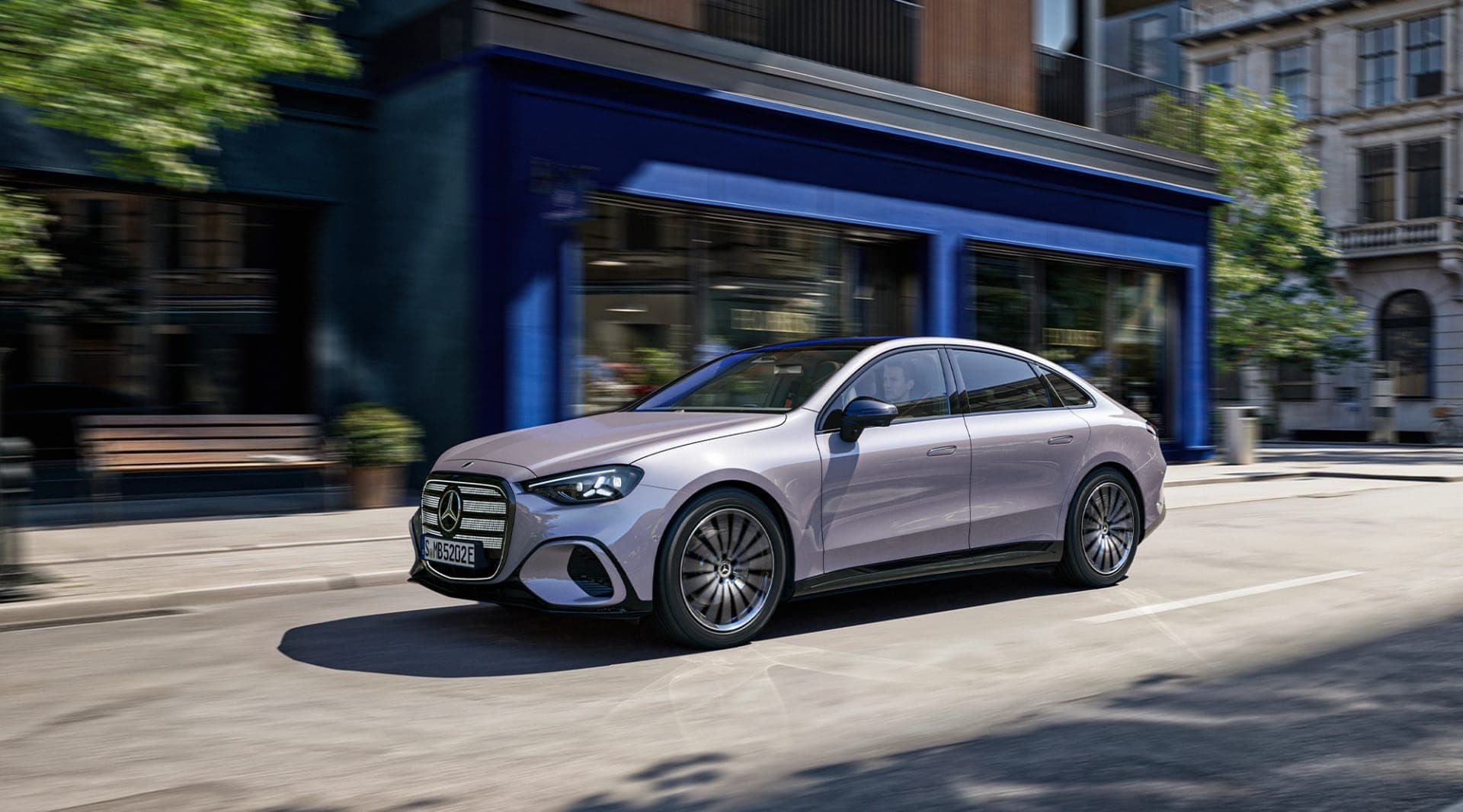
Mercedes opened orders for the C 300 4MATIC electric on 16 September, the second version of the electric C-Class after the C 400 4MATIC that went on sale in May. Two motors make 422 hp and 800 Nm, the usable battery holds 85 kWh, WLTP range is 690 km and DC charging peaks at 320 kW. It lists at €62,951 in Germany, €59,895 in Belgium and €58,736 in the Netherlands. The rear-wheel-drive versions Mercedes has promised since the reveal still have no date and no price.
C 300 vs C 400: €4,760 buys 9 kWh, 67 hp and 72 km of range
The C 400 4MATIC costs €67,711 in Germany, so the C 300 saves €4,760 for a car that gives up 9 kWh of battery, 67 hp and 72 km of range. In Belgium the gap is wider, €7,139 against the C 400's launch price of €67,034. What the money buys is the difference between 360 and 310 kW, 94 and 85 kWh, 762 and 690 km, 330 and 320 kW at the charger, and 4.0 against 4.5 seconds to 100 km/h. Both take 22 minutes from 10 to 80 percent, both are limited to 210 km/h, and both carry a 470-litre boot, a 101-litre frunk, a 1,800 kg towing limit and an 11.2-metre turning circle with the optional rear-axle steering. Per extra kilowatt-hour, the German price gap works out at €529, before the C 400's extra power is counted at all.
The petrol premium is €14,107 in Germany, €10,757 in Belgium and €1,097 in the Netherlands
The refreshed petrol C-Class opened for orders in August from €48,844 in Germany and €49,138 in Belgium, so the electric C 300 sits €14,107 and €10,757 above the cheapest C 200 in those two markets. In the Netherlands the same comparison almost disappears: the Dutch price list puts the C 200 Business Solution at €57,639, the C 300 e plug-in hybrid at €58,214 and the C 300 4MATIC electric at €58,736, a spread of €1,097 from petrol to electric. The difference is not Mercedes' pricing but the Dutch BPM purchase tax, which is charged on CO2 and takes only the fixed base amount from an electric car, so the petrol C 200 arrives with thousands of euros of tax built into a price the electric one does not carry. The same C 300 is an expensive electric car in Germany and a near price-parity one in the Netherlands.
BMW's i3 50 xDrive First Edition costs €75,340, and its entry car has no price either
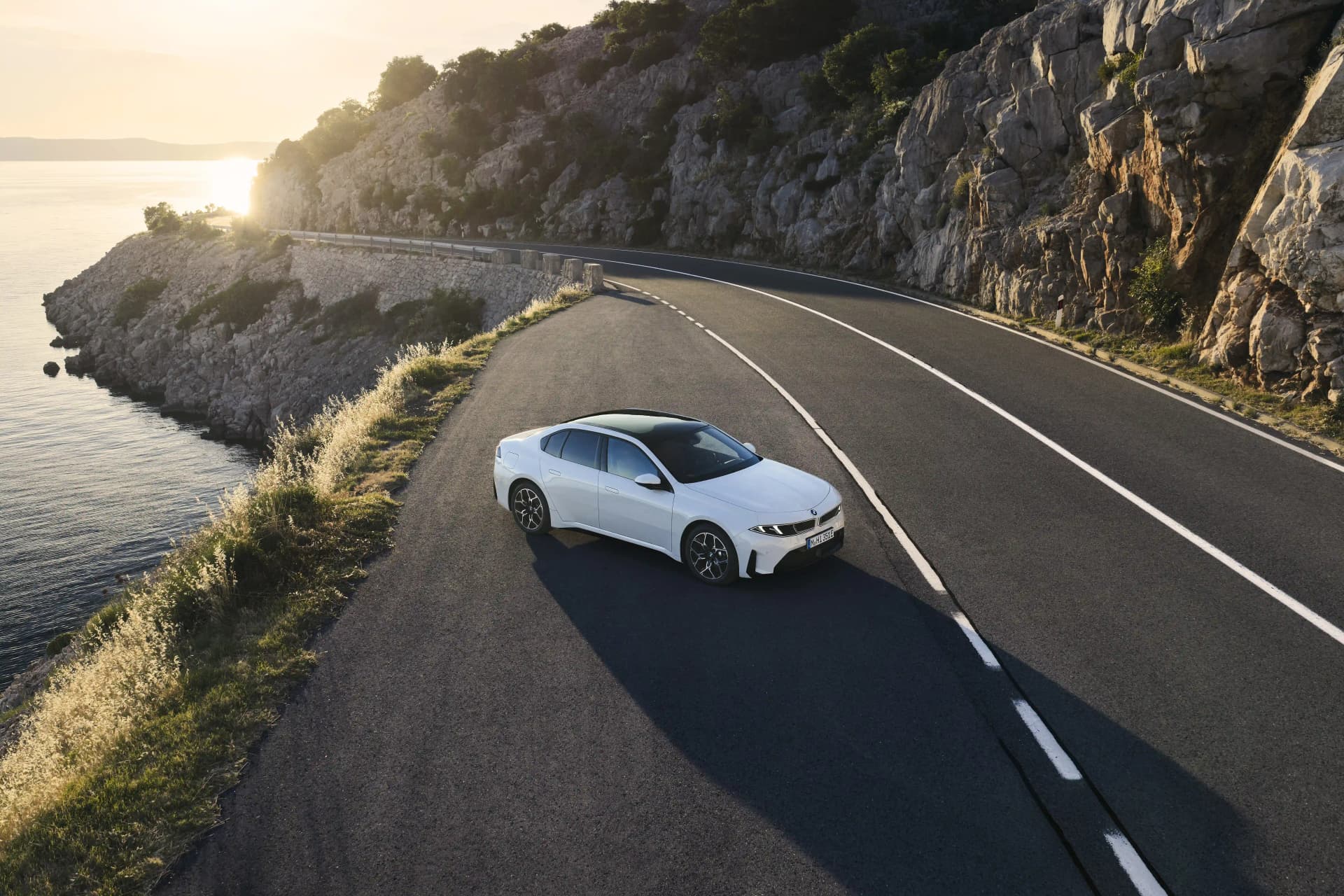
The only electric 3 Series BMW will currently sell is the i3 50 xDrive First Edition, at €75,340 in Germany and €73,435 in Belgium, with 469 hp, a 108.7 kWh battery and a 906 km WLTP range. The C 300 4MATIC undercuts it by €12,389 in Germany and €13,540 in Belgium, and concedes 216 km of range and 47 hp for the money. Both cars are launch-spec all-wheel-drive versions of saloons that will sell mostly as rear-drive entry models, and neither Mercedes nor BMW has put a price on that car. Until one of them does, the cheapest electric C-Class beats the cheapest electric 3 Series on launch sequencing, not on cost.
The rear-drive electric C-Class has no date, no power figure and no price
Mercedes' release says only that further rear-wheel-drive models with different battery variants will follow, the same promise it made at the reveal in April. There is no month, no output and no price attached. What exists for business buyers is a German net price of €52,900 before VAT, and for private buyers a lease from €449 a month, which needs a 20 percent deposit, a 36-month term and a 45,000 km cap. The electric C-Class is built at Kecskemét in Hungary.
Charging: 290 km in 10 minutes and 99 percent of stops without the friction brakes
The C 300 runs the same 800-volt system as the C 400, so the 10 to 80 percent time stays at 22 minutes and a 10-minute stop adds up to 290 km against the C 400's 325. AC charging is 11 kW as standard and 22 kW as an option. Mercedes' one-box brake system recuperates at up to 300 kW and keeps recuperating even when ABS intervenes, which is why it claims up to 99 percent of braking events never touch the friction brakes. Consumption is rated at 14.1 to 17.8 kWh per 100 km depending on wheels and equipment, and the 690 km headline belongs to the lightest configuration.
AutoNext Take
Mercedes has not made the electric C-Class affordable with the C 300. It has made it €4,760 less unaffordable in Germany, and left the Dutch tax code to do the rest. The car that would change the argument, a rear-drive C-Class with a German price that starts with a five, has been “following” since April, and the September release still attaches no date to it.
Mercedes has the electric C-Class order books to itself until BMW prices a rear-drive i3, and neither brand gains anything by pricing its entry car first. Our prediction: the rear-drive electric C-Class is on the German price list below €56,000 before the end of March 2027, and on the day it lands it will still sit more than €5,000 above the petrol C 200, in Germany, in Belgium and everywhere the purchase tax is not written around CO2.