The Mercedes Silver Arrows paint legend was invented 24 years later
Mercedes' 751 kg W25 is racing's favourite origin story, and almost none of it happened
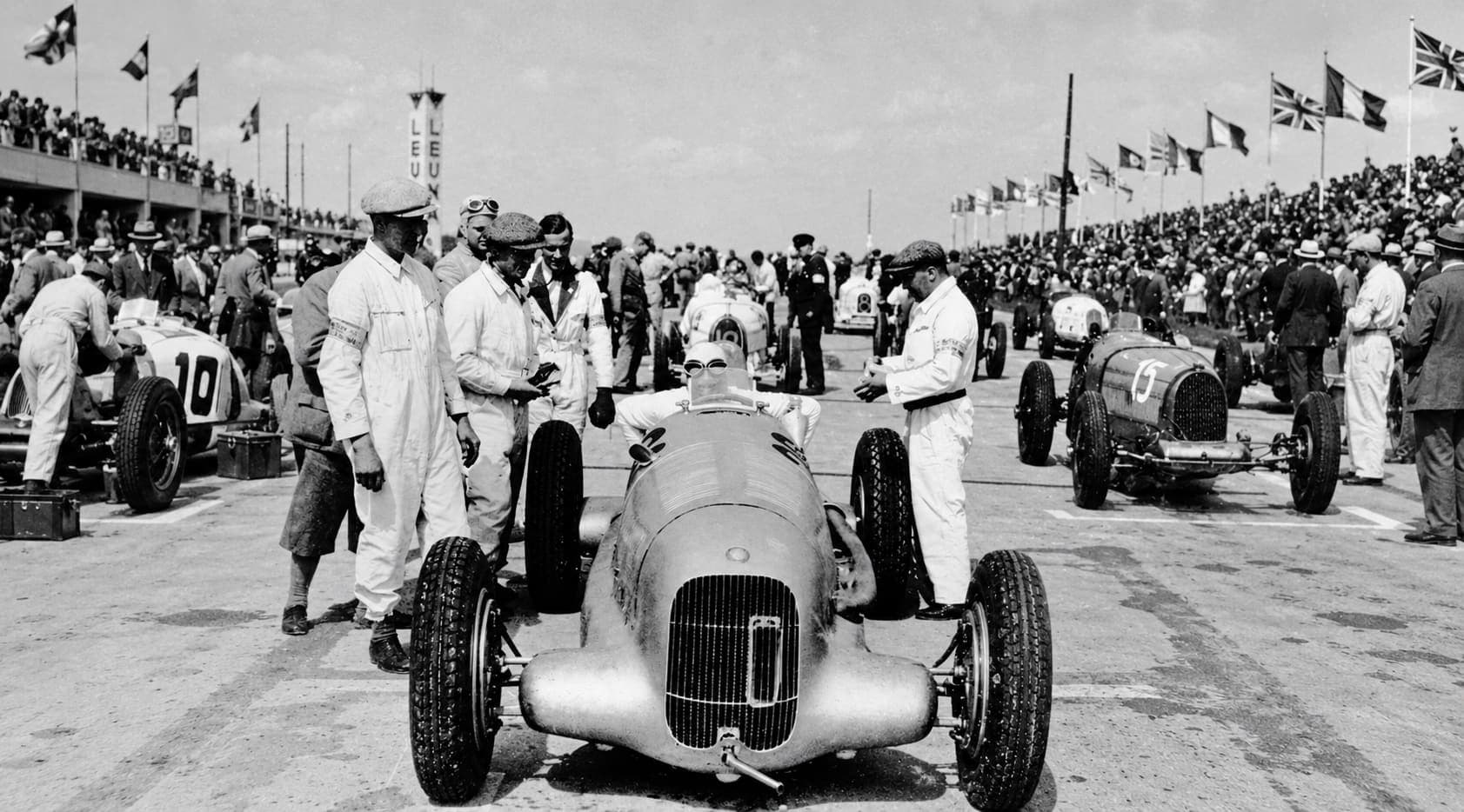
Every enthusiast knows how the Silver Arrows got their colour. The new Mercedes-Benz W25 weighed one kilogram too much, the mechanics sanded off its white paint overnight, and bare aluminium carried Manfred von Brauchitsch to victory at the Nürburgring in June 1934. It is a perfect story about engineering discipline. The race regulations, the photographs and the drivers' own books say it was written 24 years later.
What Alfred Neubauer claimed happened at the 1934 Eifelrennen
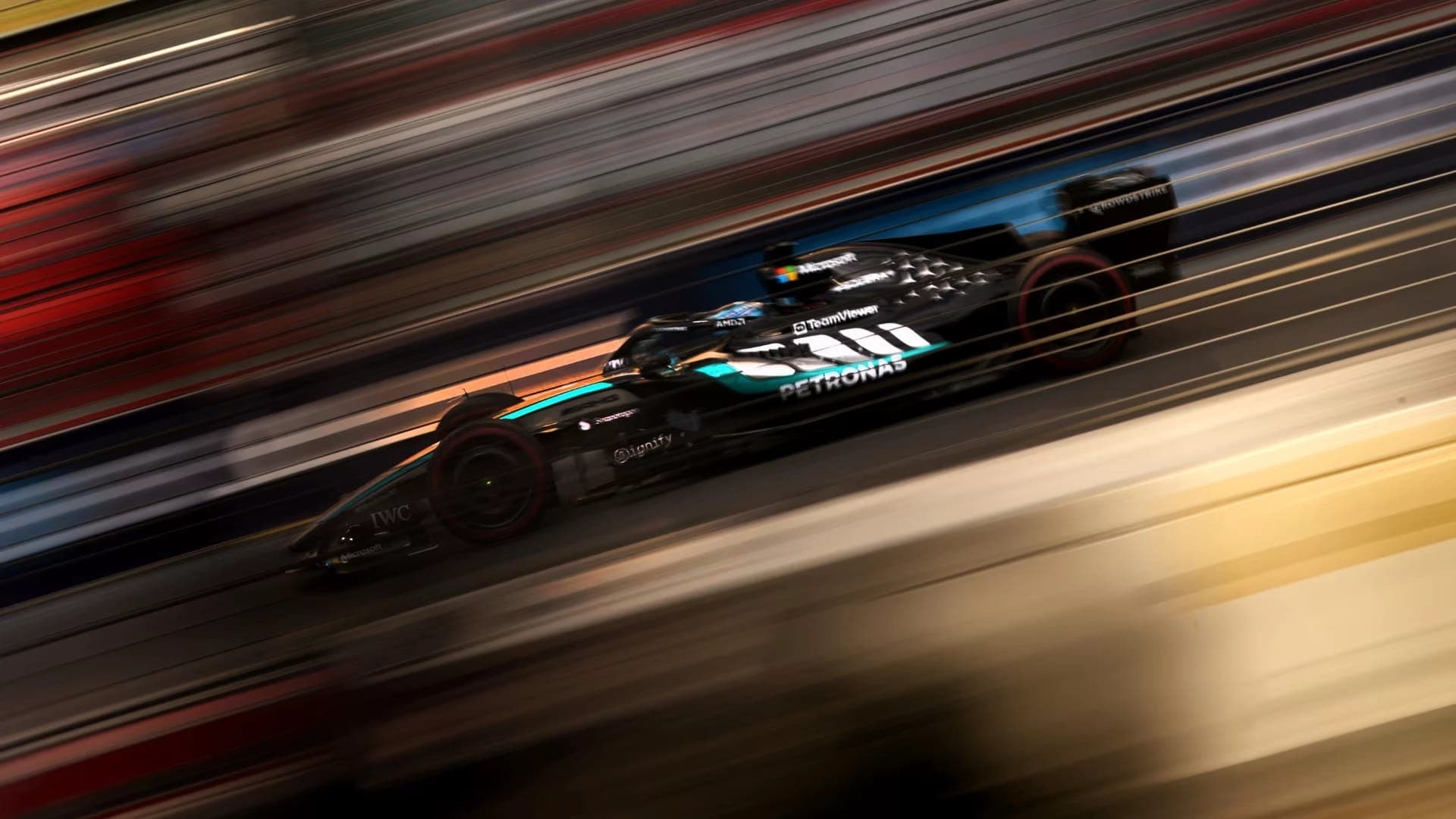
Alfred Neubauer, Mercedes' racing manager from 1926 to 1955, first told the paint story in his 1958 memoir. In his version, the W25 weighed 751 kg at scrutineering before the Eifelrennen on 3 June 1934, one kilogram over the 750 kg ceiling set for 1934 to 1936, measured without driver, fuel, oil, water or tyres. Von Brauchitsch made a chance remark, the crew worked through the night, and the car weighed exactly 750 kg the next morning. Mercedes still honours the tale and carefully calls it a legend: its Formula 1 team ran a white livery 'scraped' back to silver at Hockenheim in 2019.
The 1934 Eifelrennen had no 750 kg weight limit at all
The Eifelrennen was not run to the 750 kg formula. German journalist Eberhard Reuß found the official regulations while researching his 2008 book on the pre-war German racing teams: the race had a 1,500 cc class and an unlimited class, and the W25s raced and won in the unlimited one. Few cars built to the new rules were ready that early, so weight stayed open. Reuß found no contemporary report of overnight paint stripping and no photograph of a white W25 that weekend. Von Brauchitsch's 1953 autobiography does not mention it either; the scene appears only in its 1959 reissue, a year after Neubauer's book.
Neubauer's earlier book already told a paint story from 1906
The most revealing clue comes from Neubauer himself. Seven years before his memoir, he wrote another book that discusses the 750 kg formula without a word about the Eifelrennen. It does retell a 1906 French magazine article about a driver who scraped the paint off his car to save weight. The anecdote was almost three decades older than the W25. By 1958 it had a new owner, told by a gifted raconteur whose memoir also contains an invented race-fixing tale from the 1933 Tripoli Grand Prix.
Paul Laven called a Mercedes a silver arrow on German radio in 1932
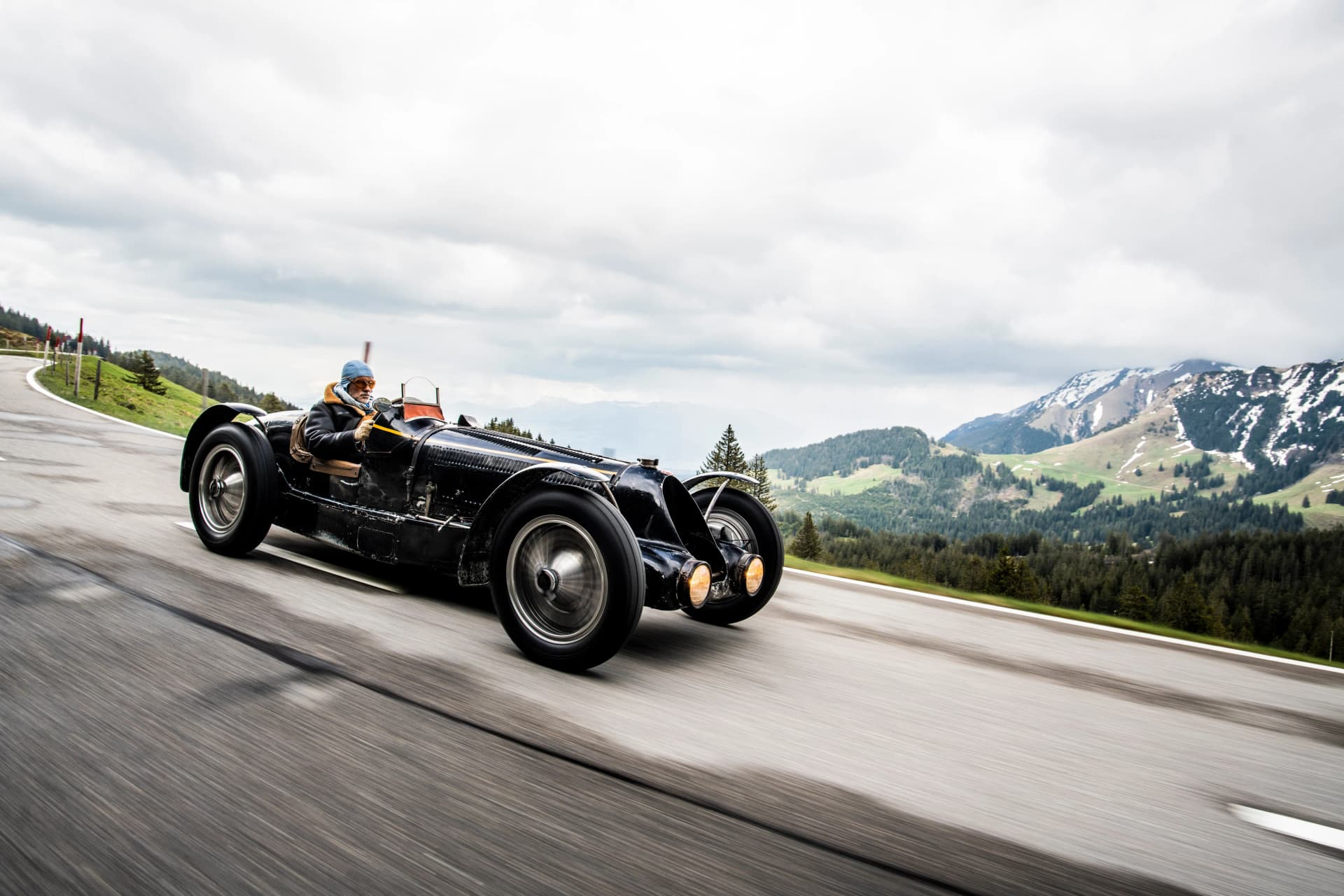
The name is two years older than the W25. At the Avus race in Berlin in May 1932, von Brauchitsch won in a Mercedes-Benz SSKL wearing an unpainted, streamlined aluminium body, and radio reporter Paul Laven described it live as a silver arrow. Laven was one of the pioneers of free-spoken live radio commentary in Germany and went on to cover the 1936 Olympics. Aviation was heading the same way: the stressed-skin aircraft of the early 1930s already flew in polished, unpainted aluminium to save weight and drag.
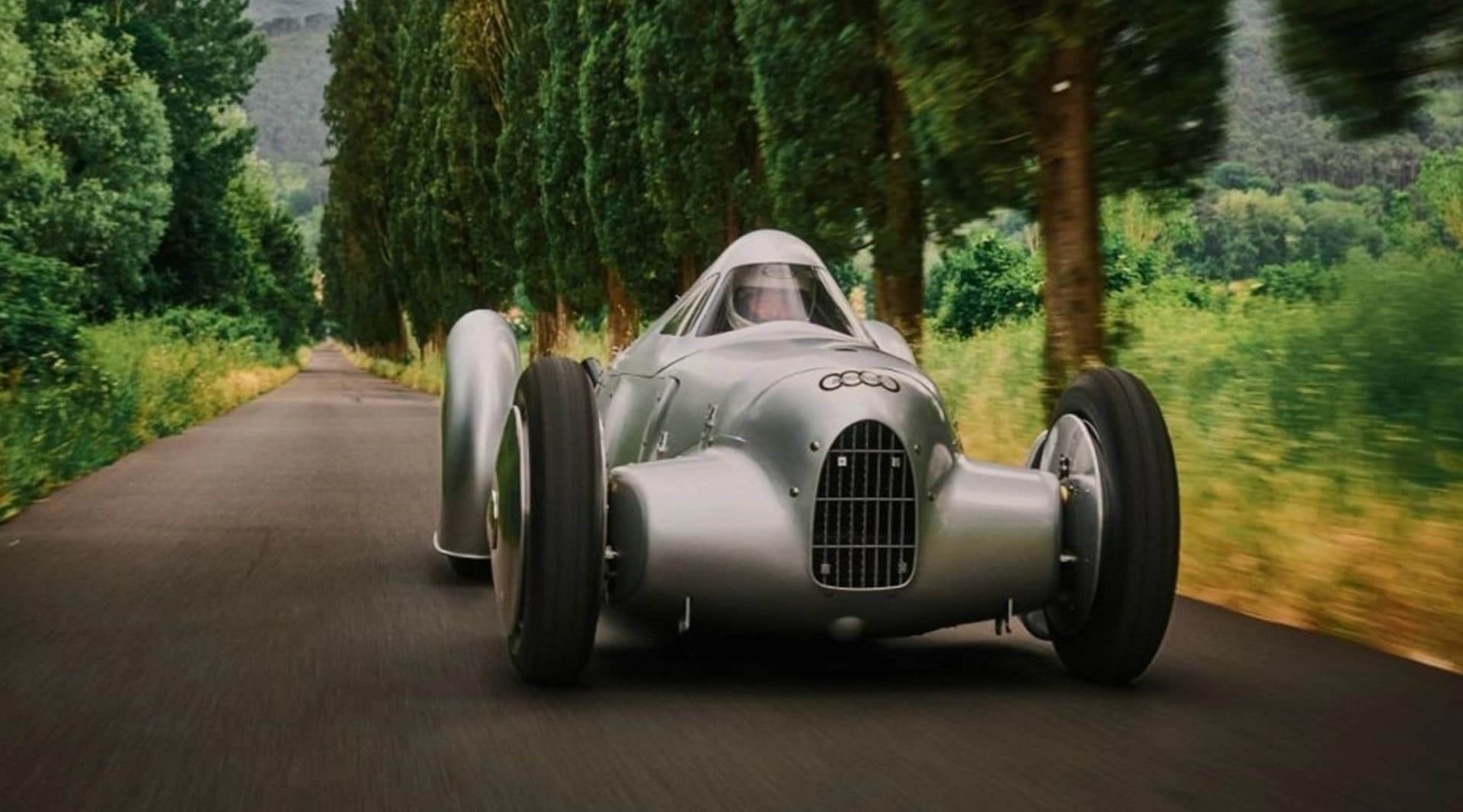
Auto Union's Type A raced in silver before the W25 did
Silver was on the grid before Mercedes won anything in it. At the Avus on 27 May 1934, Mercedes entered its W25s in silver but withdrew them after fuel-feed trouble in practice, while Auto Union started its Type A in bare metal and finished third behind two Scuderia Ferrari Alfa Romeos. Why Auto Union chose silver is not documented. Until then Germany's racing colour had been white, just as Italy's was red and Belgium's was yellow, and white Mercedes had finished one-two-three at the 1914 French Grand Prix.
AutoNext Take
Keep the legend, and file it under folklore. It lasts because it squeezes something true about Mercedes into a single kilogram: Neubauer's department did win on preparation, and the 354 hp W25 did win on its debut, 1 minute 20 seconds ahead of Hans Stuck's Auto Union. The only time the works team verifiably left paint off to save weight was 2023, when the W14 raced in largely bare carbon, and it won no Grand Prix that season. Paint was never the thing that won.
The W25 turns 100 in June 2034, and Mercedes will mark it with another white-to-silver livery. When it does, there should be room on the engine cover for Paul Laven's name: the man who coined the phrase from a Berlin commentary box has waited almost a century for the credit.