MG is building a factory in Spain, and the timing is not coincidental
Spain gets the factory Birmingham never will
MG has not built a car in Europe for more than ten years. The brand's last chapter on this continent ended when the Longbridge factory in Birmingham closed in 2005. What survived was the badge, acquired by Chinese manufacturer SAIC and rebuilt into something unrecognisable: a high-volume EV brand that became one of the fastest-growing names in the European market.
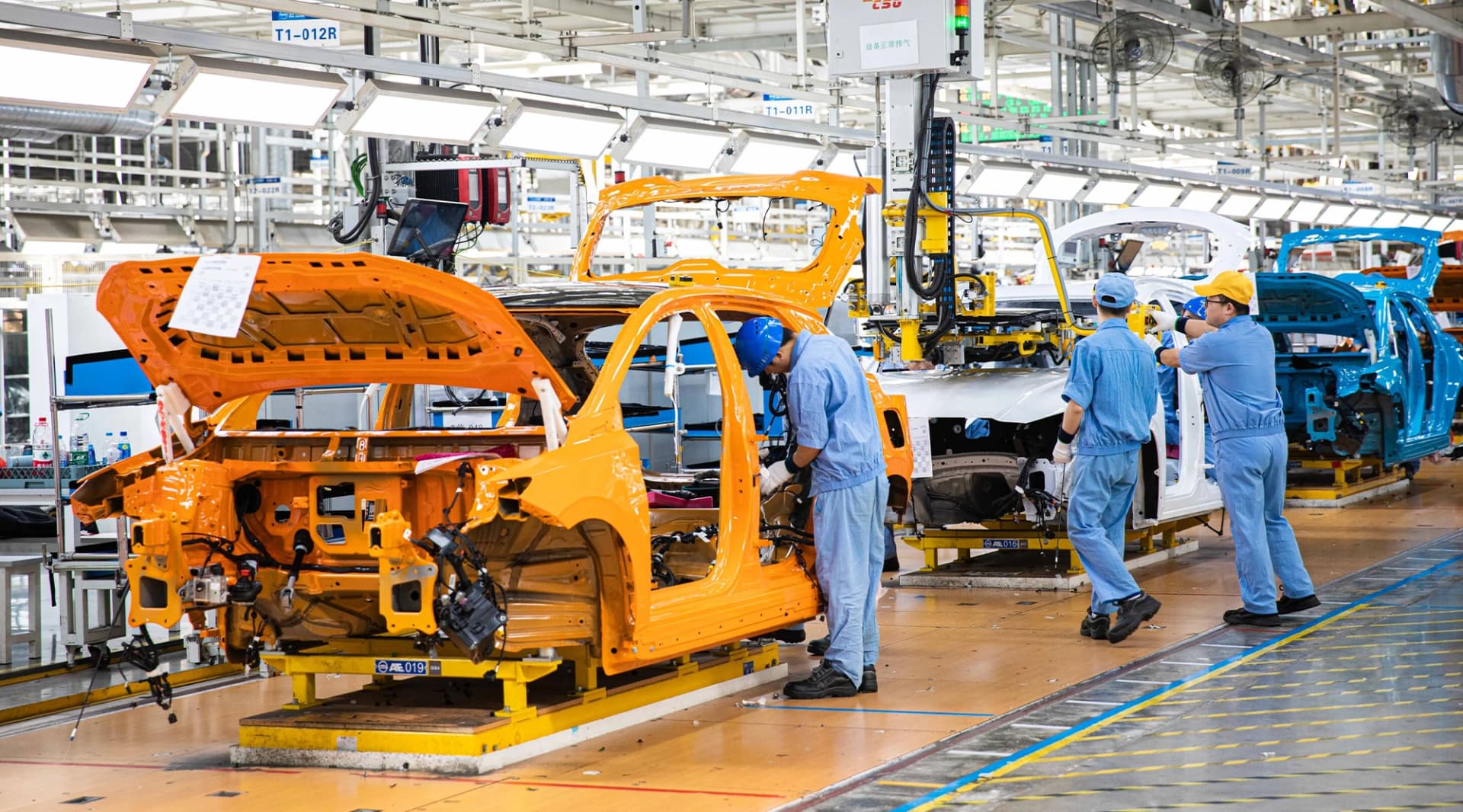
Now MG is returning to European manufacturing but not to Britain. A new plant in Galicia, northwestern Spain, backed by €200 million, is set to create 2,000 jobs and start production in 2028.
The tariff problem that makes Spain make sense
In 2024, the European Commission imposed additional import tariffs on electric vehicles manufactured in China. For SAIC, MG's parent company, those tariffs reached as high as 48.1% on top of the existing 10% duty. That is not a headwind. That is a wall.
MG had been building sales momentum across Europe, particularly in markets like the UK, Belgium, the Netherlands and Germany. The MG4 Electric became one of the best-selling EVs in several European countries, competing directly with the Volkswagen ID.3 and Renault Megane E-Tech at a significantly lower price point. Tariffs at SAIC's rate threatened to erase that price advantage entirely.
Building in Europe changes the equation. Cars manufactured inside the EU are not subject to those import levies. A factory in Spain means MG can price competitively again, protect its dealer network, and sustain the growth trajectory it worked hard to build. The €200 million investment looks large. Measured against the alternative, it is the cheaper option.
Why Galicia
Galicia is not a random choice. The region in northwestern Spain already has an established automotive manufacturing ecosystem. Stellantis operates a large Citroën plant in Vigo, one of the most productive car factories in Europe, and the surrounding area has developed a strong supplier base and skilled workforce over decades. Spain itself has become one of Europe's most active destinations for automotive investment, with several manufacturers expanding or establishing new EV production there.
For MG and SAIC, Galicia offers industrial infrastructure, access to established logistics networks, and a regional government that has been actively courting automotive investment. Production starting in 2028 gives the brand two years to finalise its model lineup for the plant and adapt its supply chain for European manufacturing requirements.
What this means for MG in Europe
MG's European story has been one of the more surprising chapters in recent automotive history. A brand many Europeans associated with ageing British sports cars quietly became a credible, affordable EV option in just a few years. The MG4 Electric picked up multiple awards, the ZS EV expanded into family territory, and a younger buyer profile began to take notice.
The tariff shock slowed that momentum. European dealers reported order cooling and import pricing pressures as SAIC absorbed or passed on tariff costs depending on the market. The Galicia plant announcement signals that MG intends to stay and compete long-term rather than retreat. It is a statement of intent.
Whether the models produced in Spain will differ from current Chinese-built versions remains to be confirmed. MG has not yet announced which vehicles the Galicia plant will produce. That detail matters: a factory building updated or next-generation models carries a different message than one simply relocating existing production to dodge tariffs.
AutoNext Take
There is something worth noting about MG choosing Spain over the UK. The brand was born in Britain, built Midget roadsters and the legendary B-series, and had its most celebrated chapter on British roads. Bringing European manufacturing back to Birmingham or Oxford would have been a story. Bringing it to Galicia is a business decision. The difference tells you something about how far the MG badge has travelled from its origins.