New 2.9 million-point study questions LEZ impact as Flanders freezes 2026 restrictions
Do Low Emission Zones still make sense?
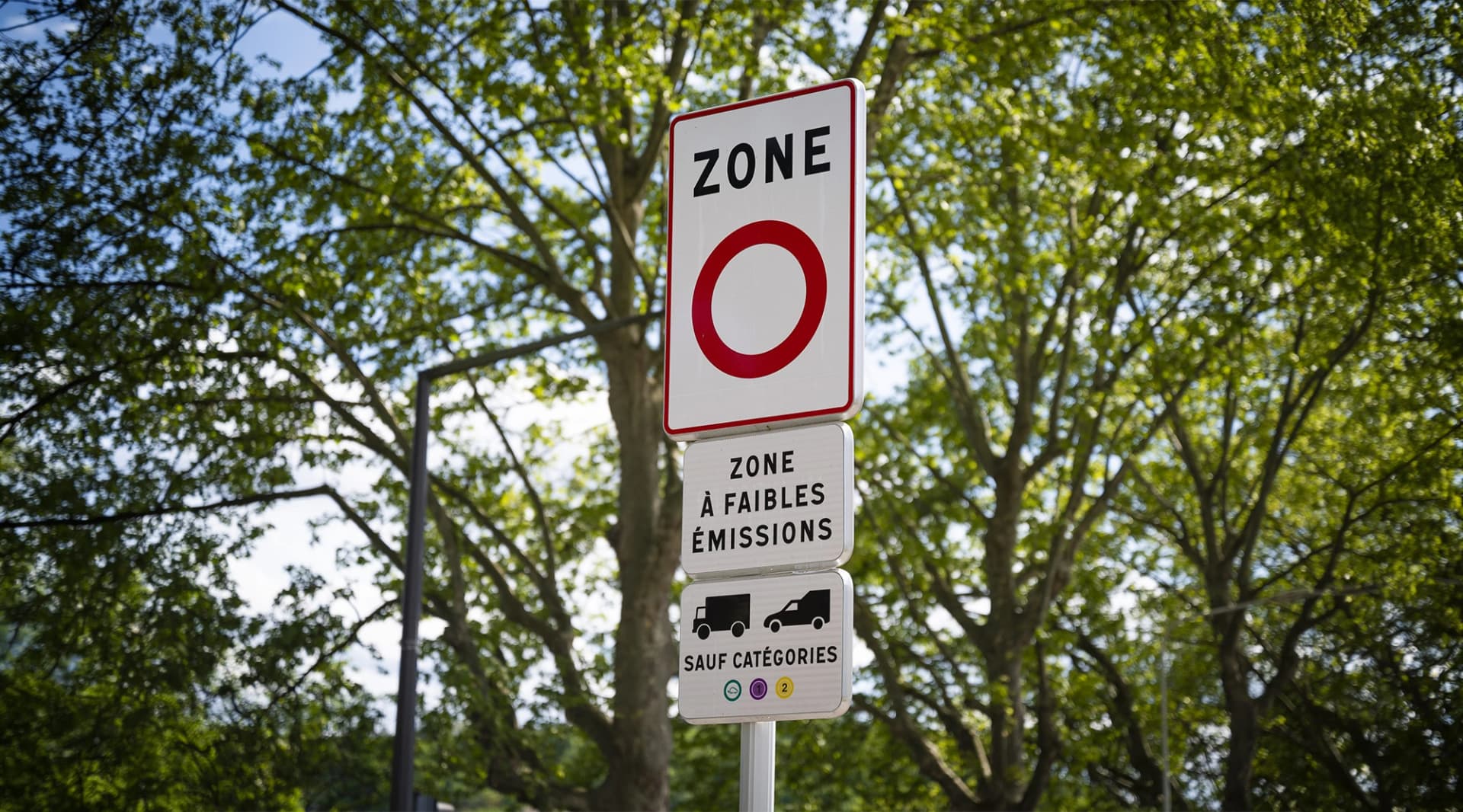
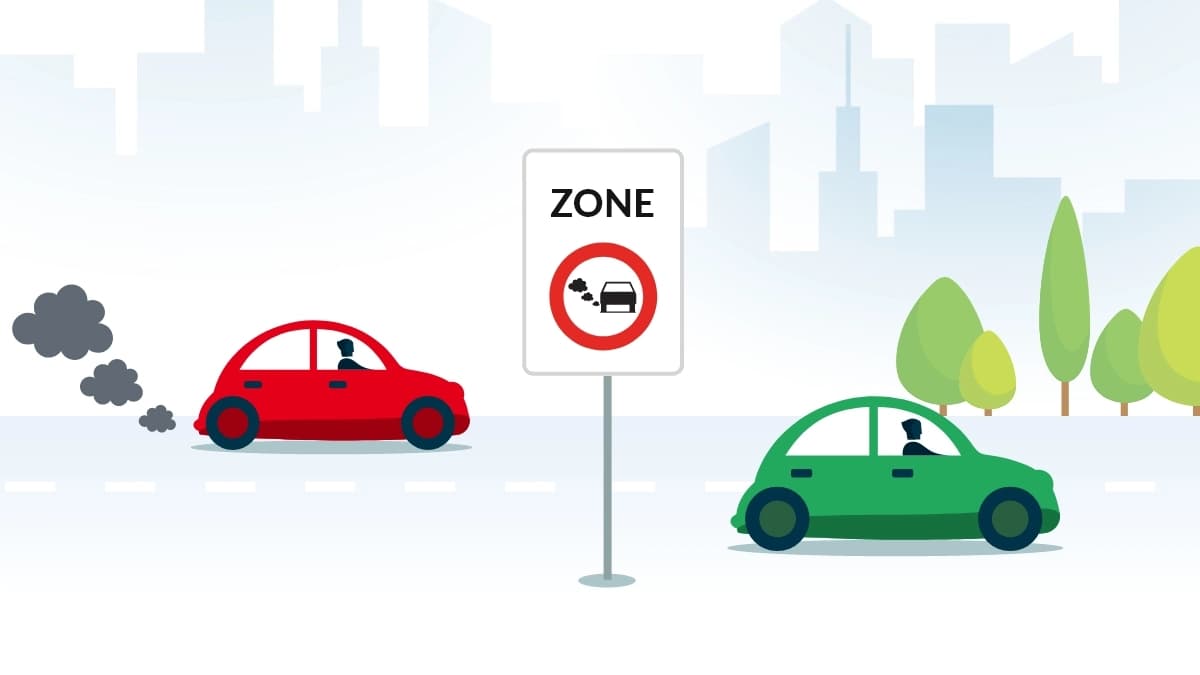
A new independent study based on 2.9 million air quality measurements claims that Low Emission Zones in Ghent, Antwerp and Brussels have had little to no measurable impact on air quality. At the same time, Flanders has confirmed it will not tighten LEZ rules in 2026, giving Euro 5 diesel owners and older petrol drivers a temporary but significant breathing space.
For motorists, businesses and policymakers, the timing is impossible to ignore. After years of stricter rules, higher costs and growing pressure to move away from combustion cars, one question becomes unavoidable: Are Low Emission Zones still an effective environmental tool or have they become a political symbol that no longer matches reality?
A study that challenges the LEZ narrative
The research was carried out by Jürgen Gielen of Burgerplatform Vlaanderen, who analysed data from official air quality monitoring stations in and around Ghent, Antwerp and Brussels. According to the report, the dataset covers around 2.9 million measurements between 2017 and 2025, spread across hundreds of pages of graphs and comparisons.
What makes the study interesting is its level of detail. The measurements were not only compared by year, but also by pollutant, season and even hour of the day. The introduction date of each LEZ was then placed against those air quality trends.
The conclusion is sharp. According to Gielen, the data does not show a meaningful improvement in air quality after the introduction of Low Emission Zones. That is a bold claim. And naturally, it will be debated. Air quality is complex, and independent studies deserve the same critical reading as government studies.
Cars may no longer be the main villain
One of the most striking conclusions of the study is that cars may not be the dominant source of pollution that urban policy often assumes them to be. According to the analysis, a large share of fine particles and black carbon appears to be linked to wood-burning stoves, especially during winter evenings.
The pattern is visible in the hourly data. In winter, pollution levels rise sharply from around 6 PM, which strongly suggests a connection with residential heating rather than traffic alone. If the biggest pollution peaks happen when people light wood stoves at home, then restricting access for older cars may only target part of the problem and perhaps not even the biggest part.
The study also points to 2020 as an uncomfortable example. During the COVID year, traffic volumes dropped dramatically, yet air quality did not improve as much as many would have expected. At the same time, the number of wood-burning stoves in Flanders reportedly increased.
Flanders freezes the 2026 LEZ tightening
Flanders has officially confirmed that it will not proceed with the planned LEZ tightening in 2026. That means Euro 5 diesel cars and Euro 2 petrol cars will not be banned from the city centres of Antwerp and Ghent as originally planned. For many drivers, this is more than a technical policy update. It is a real financial relief.
A Euro 5 diesel is not necessarily a museum piece. For many households, self-employed workers and small businesses, it remains a perfectly usable car. Forcing those people to replace their vehicle in the middle of an expensive transition would have been socially difficult, especially at a time when fuel prices, insurance, maintenance and general living costs are already under pressure.
The legal debate is not over
The decision to freeze the LEZ tightening is not without controversy. The Council of State reportedly criticised the move, warning that it could represent a significant step backwards in the protection of the right to a healthy environment.
That touches on the so-called standstill principle, which means environmental protection cannot simply be weakened without strong justification. Brussels already faced similar legal pressure when it tried to slow down or adjust its own LEZ trajectory.
So while the Flemish decision offers clarity for motorists, it does not necessarily end the debate. The government will still need to justify why freezing the rules is compatible with environmental obligations. In other words: politically, this is a pause.
Legally, it may still become a fight.
Traffic policy can also make pollution worse
The Burgerplatform study also criticises the interaction between LEZ rules and local circulation plans. In Ghent, for example, traffic measures have pushed more vehicles toward roads like the R40 and R4. That may reduce traffic in certain central streets, but it can also create longer routes, more congestion and more stop-start driving.
A car driving smoothly for three kilometres may pollute less than a car forced into a five-kilometre detour through traffic jams, braking zones and bottlenecks. This is where environmental policy becomes messy. On paper, restricting cars in one zone looks clean and efficient.
In reality, traffic does not disappear, it moves, it reroutes or it queues somewhere else. And sometimes, that means the city wins on symbolism but loses on total impact.
Wind does not stop at the LEZ border
The study also includes another factor that is often ignored in public debate: wind. In Flanders, the prevailing wind direction is often south-western. According to Gielen’s analysis, emissions from traffic hubs and industrial zones outside the LEZ can be blown directly into city centres.
That does not make local measures useless, but it does make them limited. A Low Emission Zone is a political border.
Air pollution is not. That is especially relevant in compact regions like Flanders, where cities, ring roads, motorways, industry and residential areas are extremely close together. Air quality cannot be managed as if every city were an island.
AutoNext Take
For years, the car has been the easiest target in the climate and air quality debate. And yes, cars do matter. Especially older diesel vehicles have had a clear impact on urban air quality. But pollution sources like wood-burning stoves, heating, industry, geography and traffic flow deserve far more attention than they often receive.
But policy loses legitimacy when people feel punished rather than guided. A low-income driver with an older diesel is not automatically an environmental villain. A self-employed worker with a Euro 5 van is not resisting progress. A family unable to buy a new electric car tomorrow is not the enemy of clean air.
If governments want people to support the transition, they need policies that are measurable, fair and honest. Not symbolic measures that look good on a city map but fail to address the full pollution picture.