Nissan drove a Qashqai 1,980 km on a single tank without charging once
The company that launched the modern EV just set a record for not charging
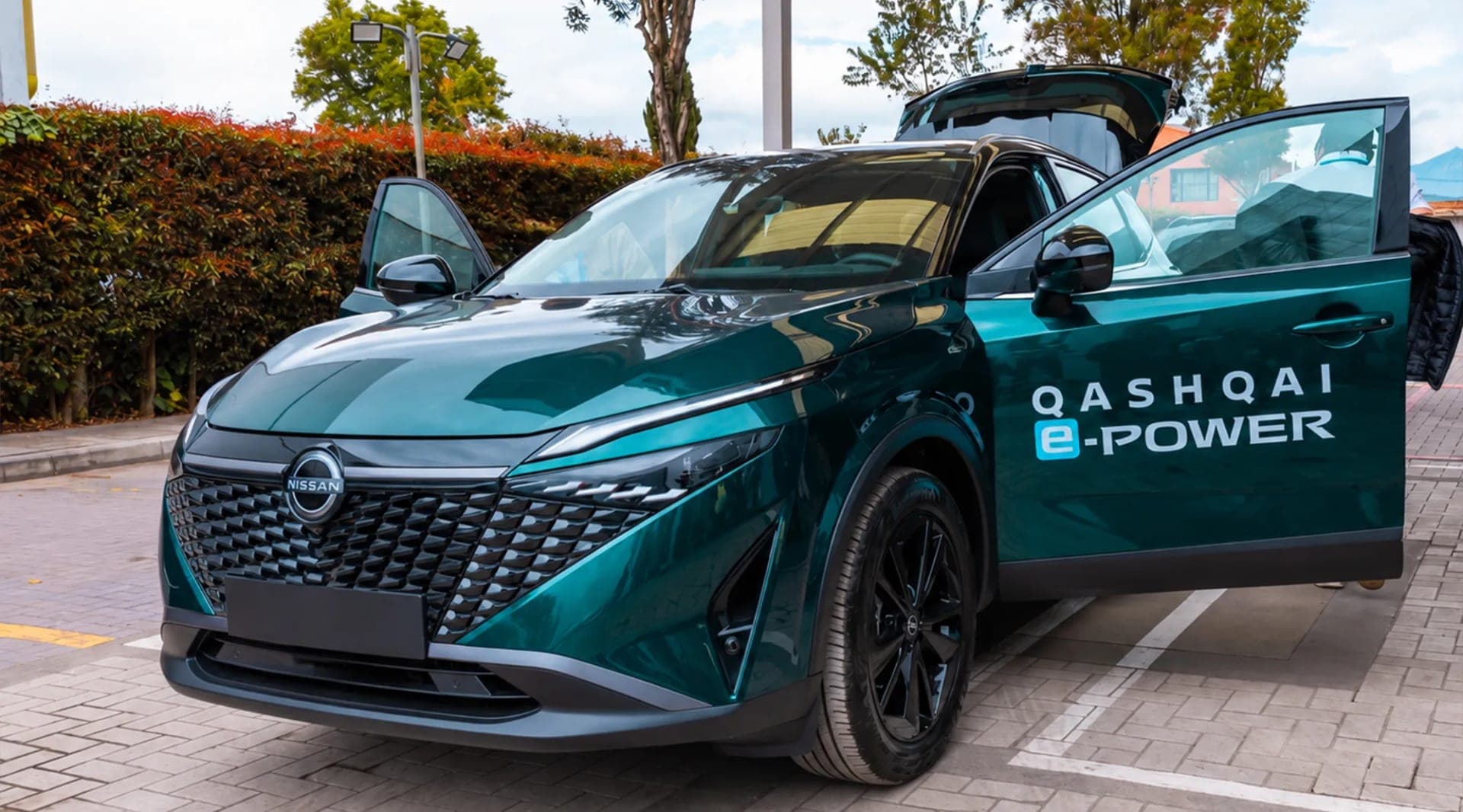
Nissan has driven a Qashqai e-Power 1,980 km on a single tank of fuel, without stopping to refuel or recharge, and Guinness World Records has certified it. It is a genuinely impressive number. It is also a slightly awkward one, because this is Nissan, the company that put the modern electric car on the map with the Leaf back in 2010. Fifteen years later, its proudest efficiency flex is a car whose entire appeal is that you never plug it in.
What actually happened
The run took place in Colombia in August 2026, from the capital Bogota down to the Caribbean coast, over three days and across genuinely tough conditions: heavy traffic, mountain passes and real elevation changes rather than a flat test loop. Covering 1,980 km, roughly 1,230 miles, on one tank earned the Guinness title for the greatest distance by a non plug-in hybrid without refuelling or recharging. It is a proper record, set on public roads rather than a laboratory, which is part of why Nissan is making so much of it.
How e-Power works, and why it is not a normal hybrid
The trick is in the layout. In Nissan's e-Power system, the 1.5-litre petrol engine never actually drives the wheels; it works purely as a generator, running at its most efficient speed to make electricity. An electric motor does all the driving, fed by that generator and a small battery topped up through regenerative braking. The result is that the car feels like an EV, smooth and instant, but it refuels in two minutes at any petrol station and never needs a charging cable. It is electric drive without the electric-car homework.
Read the number honestly
As ever with a record like this, the figure needs an asterisk. Covering 1,980 km on one tank works out to roughly 2.8 litres per 100 km, which is extraordinary, and almost certainly the product of expert hypermiling rather than normal driving. Nissan's own official WLTP figure for the Qashqai e-Power is closer to 4.3 litres per 100 km, and independent six-month testing has landed nearer 5.2. That is still genuinely frugal for a family SUV, but nobody buying one should expect Bogota-to-the-coast numbers on the school run. The record proves the potential, not the promise.
The Leaf's maker is hedging its own revolution
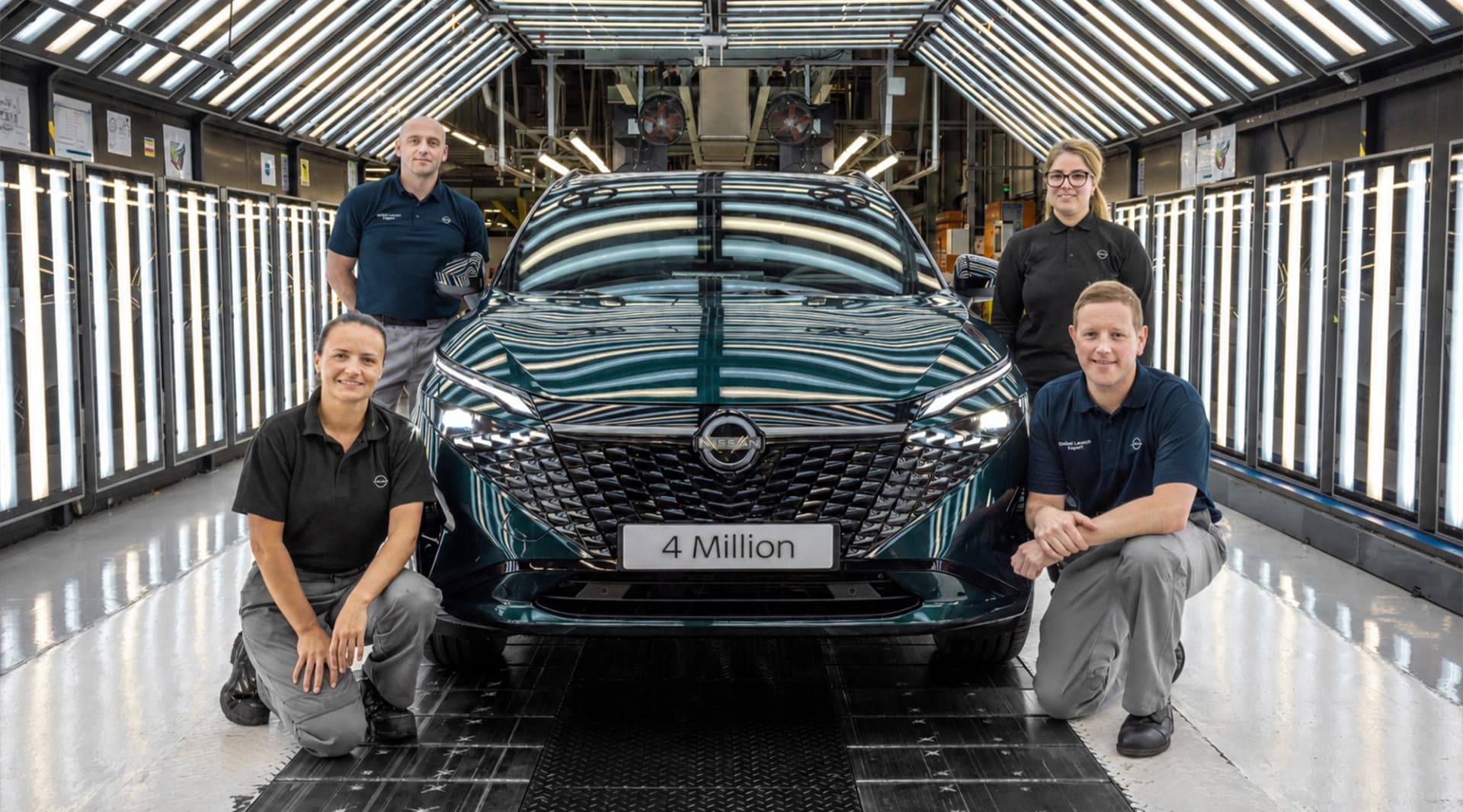
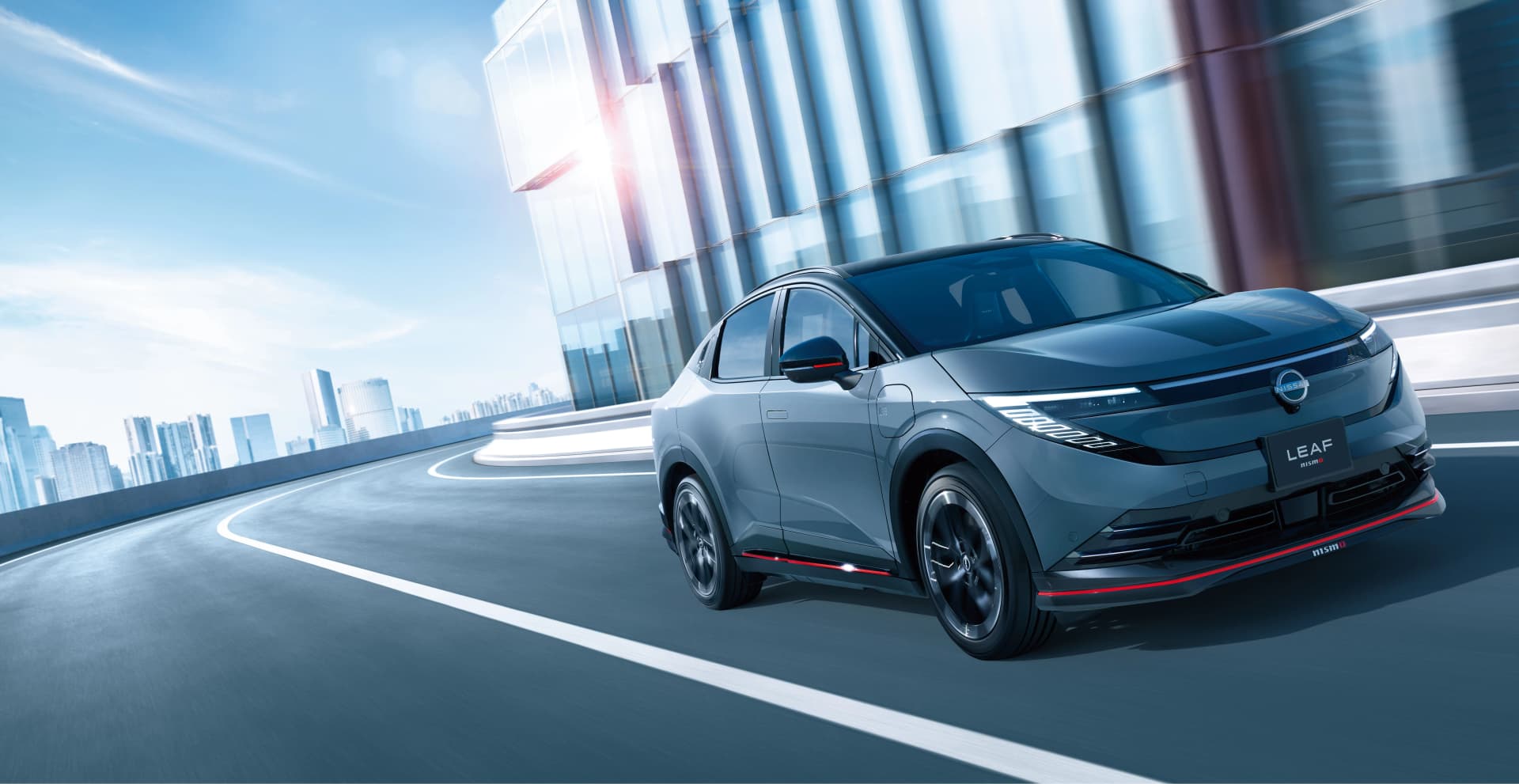
This is the part worth thinking about. Nissan pioneered the mainstream EV with the Leaf, yet today it is pouring marketing energy into proving you do not need to charge at all. That is not a contradiction so much as a reading of the market: for buyers still nervous about charging, e-Power offers the electric driving feel without the plug, and it is quietly become a big seller in the same Qashqai that just passed four million European sales. The instinct rhymes with what we are seeing everywhere, from fleets pausing EV orders over cost and residuals to makers like Porsche hedging on whether petrol survives. The charging future is coming, but Nissan is betting a lot of people are not ready for it yet.
AutoNext Take
Treated as a stunt, the record is fun and not much more; 2.8 litres per 100 km is a number you will admire, not replicate. But the strategy underneath it is serious, and a little revealing. When the company that arguably started the EV era spends its energy proving how far you can go without ever charging, that is a quiet verdict on how the transition is actually landing for ordinary buyers.
And honestly, e-Power deserves the attention. It gives range-anxious drivers the smooth, instant feel of an electric car with none of the charging friction, which for a lot of people is exactly the car they want right now. The 1,980 km headline is the hook. The real message is calmer and more persuasive: electric drive, no plug, no anxiety. Nissan has read the room, and the room is not fully charged yet.