Nissan made a Nismo Leaf and forgot the one thing Nismo is supposed to add
A performance badge that skipped the performance
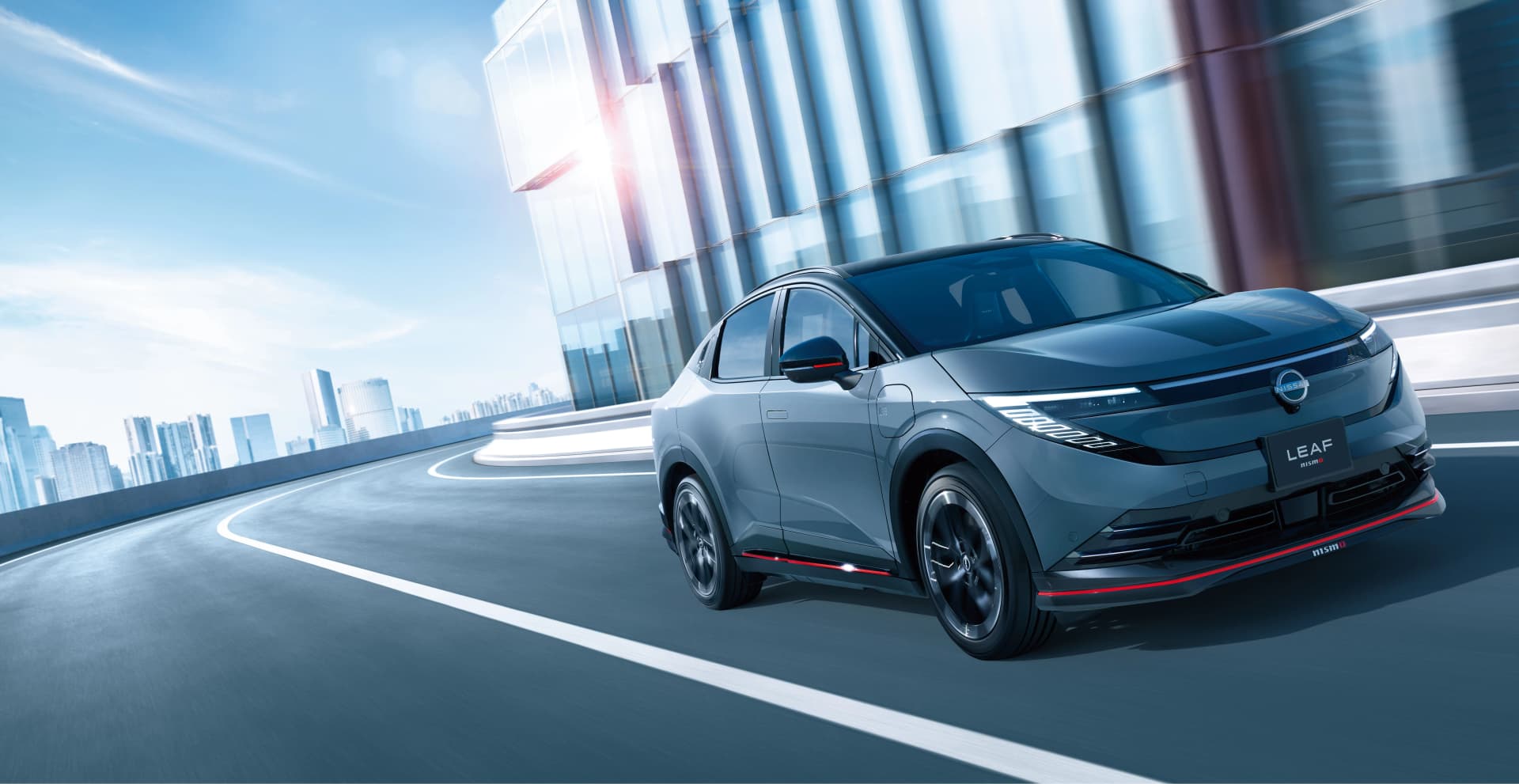
Nismo is Nissan's fast division, the name on the GT-R that frightened supercars, so the badge sets a specific expectation. The new Leaf Nismo does not meet it. Nissan has given its electric hatchback sports tyres, firmer suspension, bucket seats and a body kit, and then left the motor completely alone.
What you actually get
The hardware is real enough. There are Michelin Pilot Sport 5 tyres, retuned suspension, Recaro seats, red accents, Nismo badging and a ducktail spoiler. Two versions are offered: the B5 with a 53 kWh battery and 174 hp, and the B7 with a 75 kWh battery and 214 hp. As chassis packages go, this is a proper one.
The power problem
Here is the catch. Both of those power figures are identical to the equivalent standard Leaf. The Nismo carries over the electric powertrain untouched, so it adds grip and body control but not a single extra horsepower. For a badge whose entire identity is about going faster, delivering a Leaf that handles better but accelerates exactly the same is a strange place to land.
The tail light detail everybody noticed
There is a smaller oddity that has drawn as much comment as the power. The Leaf Nismo uses the smaller, cheaper tail lights from the entry-level Leaf, rather than the Z-inspired LED units fitted to the Platinum+ and Autech trims. Specifying the base car's lights on what is meant to be the sporty flagship is the sort of penny-pinching that undermines the rest of the effort.
What it costs, and where
Japanese pricing runs from 6,601,100 yen for the B5 to 7,227,000 yen for the B7 with the Recaro package, which converts to roughly 38,000 to 42,000 euro. That is for Japan only, and Nissan has said nothing about selling the Leaf Nismo elsewhere. Given how aggressively it wants to grow the Nismo range, a wider release later is plausible, but nothing is confirmed.
The case for it anyway
In fairness, the chassis-first hot hatch is a respectable tradition, and an electric car already delivers instant torque without any tuning. Adding real grip, sharper damping and better seats to a car that launches hard from a standstill is not nothing, and plenty of good fast cars have been built around handling rather than headline power. The problem is purely the badge on the boot.
AutoNext Take
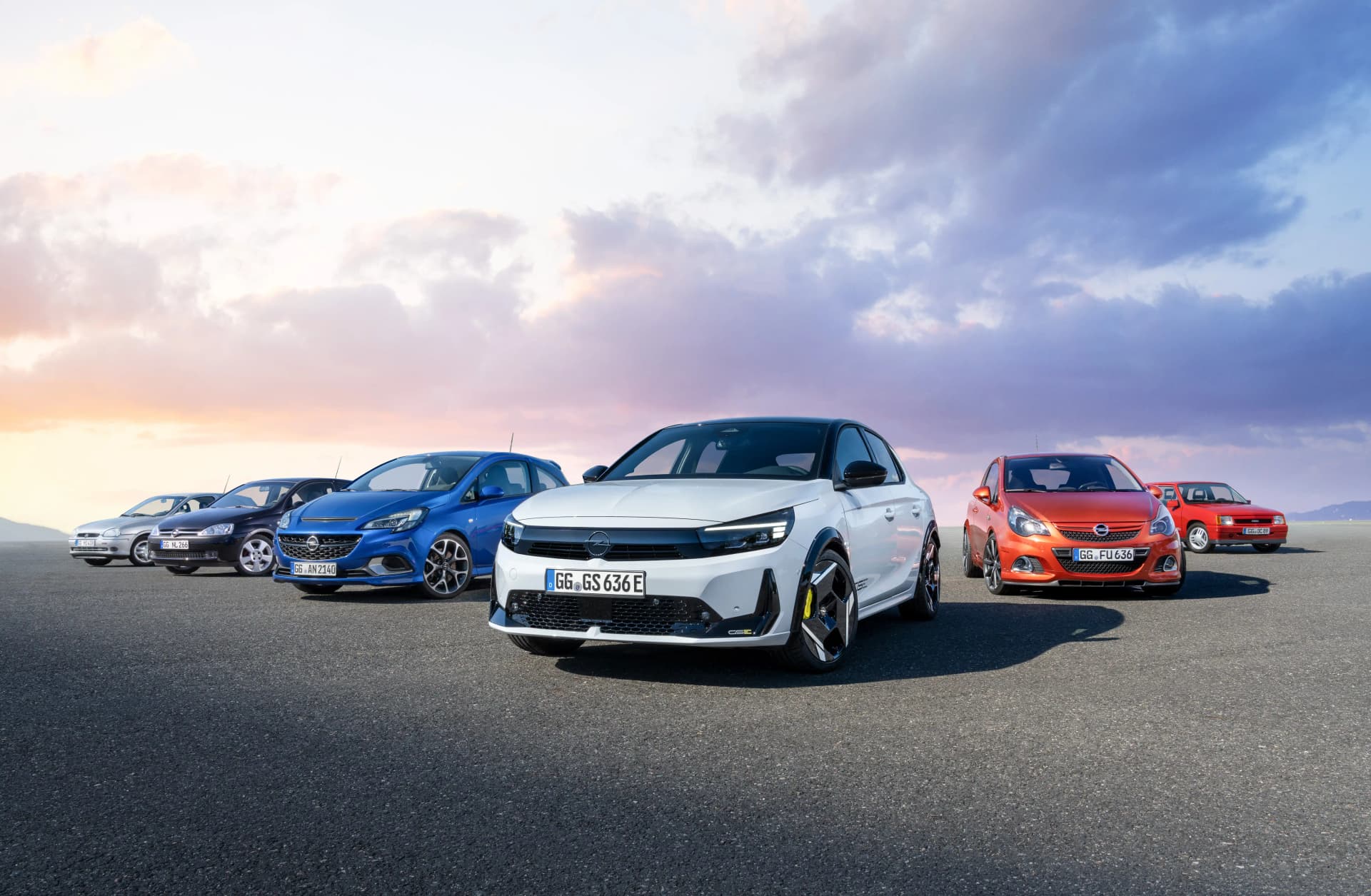
The engineering decision is defensible and the marketing decision is not. A Leaf with Pilot Sport tyres, proper dampers and Recaros will be a genuinely better car to drive than the standard version, and there is nothing wrong with a warm hatch that majors on handling. But calling it a Nismo, charging a premium and then fitting the cheap tail lights invites exactly the disappointment it has received. Opel just launched a Corsa GSE that added a limited-slip diff and real power to make its performance badge mean something. Nissan has done the harder half of the work and skipped the easy, obvious half, which is a curious way round to get it wrong.