Norway's new cars are 98.7% electric. Its new vans are 44.9%
Norway registered 13,451 new cars in August, and fewer than 200 were not electric
Norway's road traffic council, OFV, published its August figures on 1 September, and the headline is a record: 98.7 percent of the new passenger cars registered that month were fully electric, the highest share the country has ever measured in a single month. The same release carries a second number that points the other way, and that is the one worth reading twice.
98.7 percent beats last August's 96.9, and the year stands at 97.8
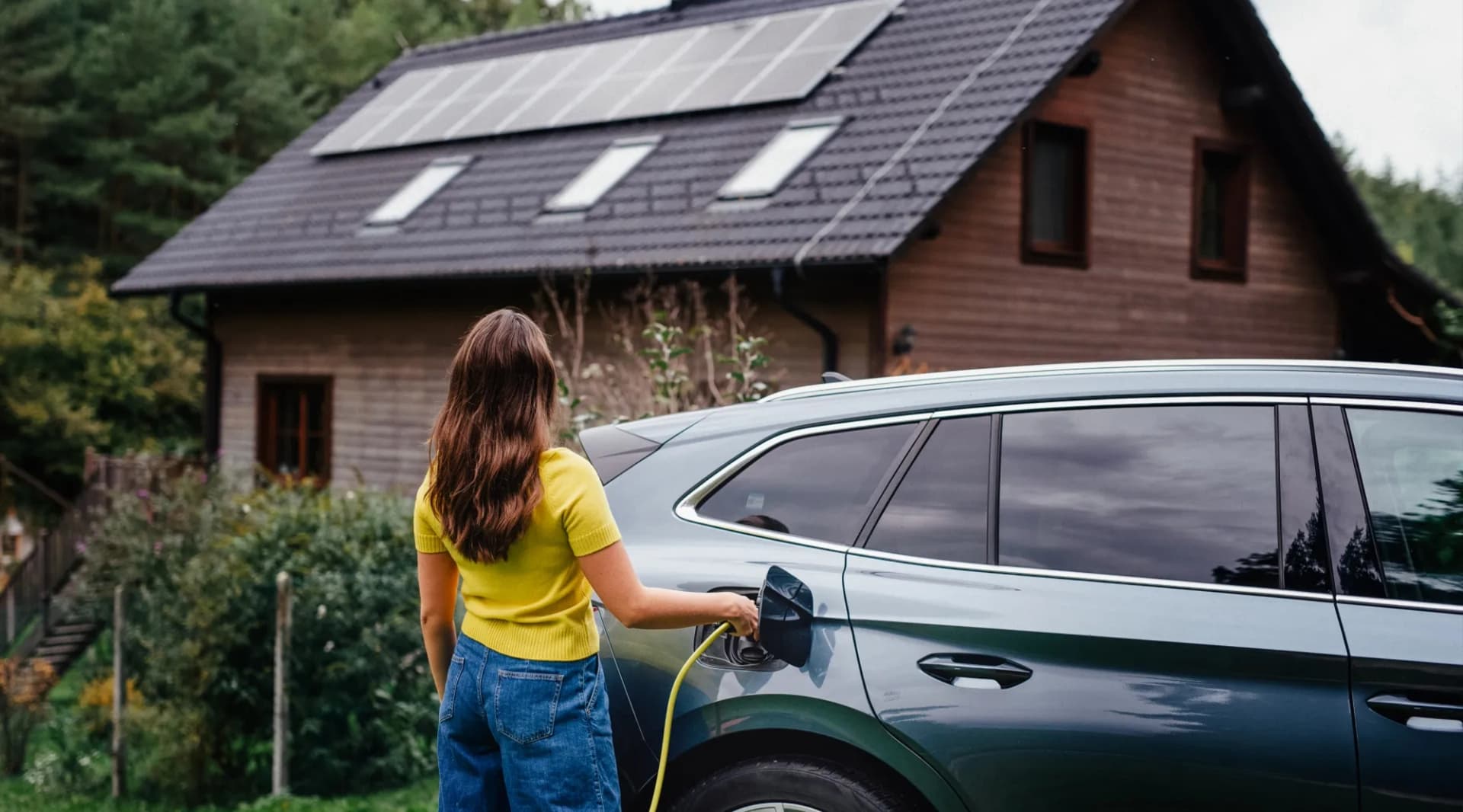
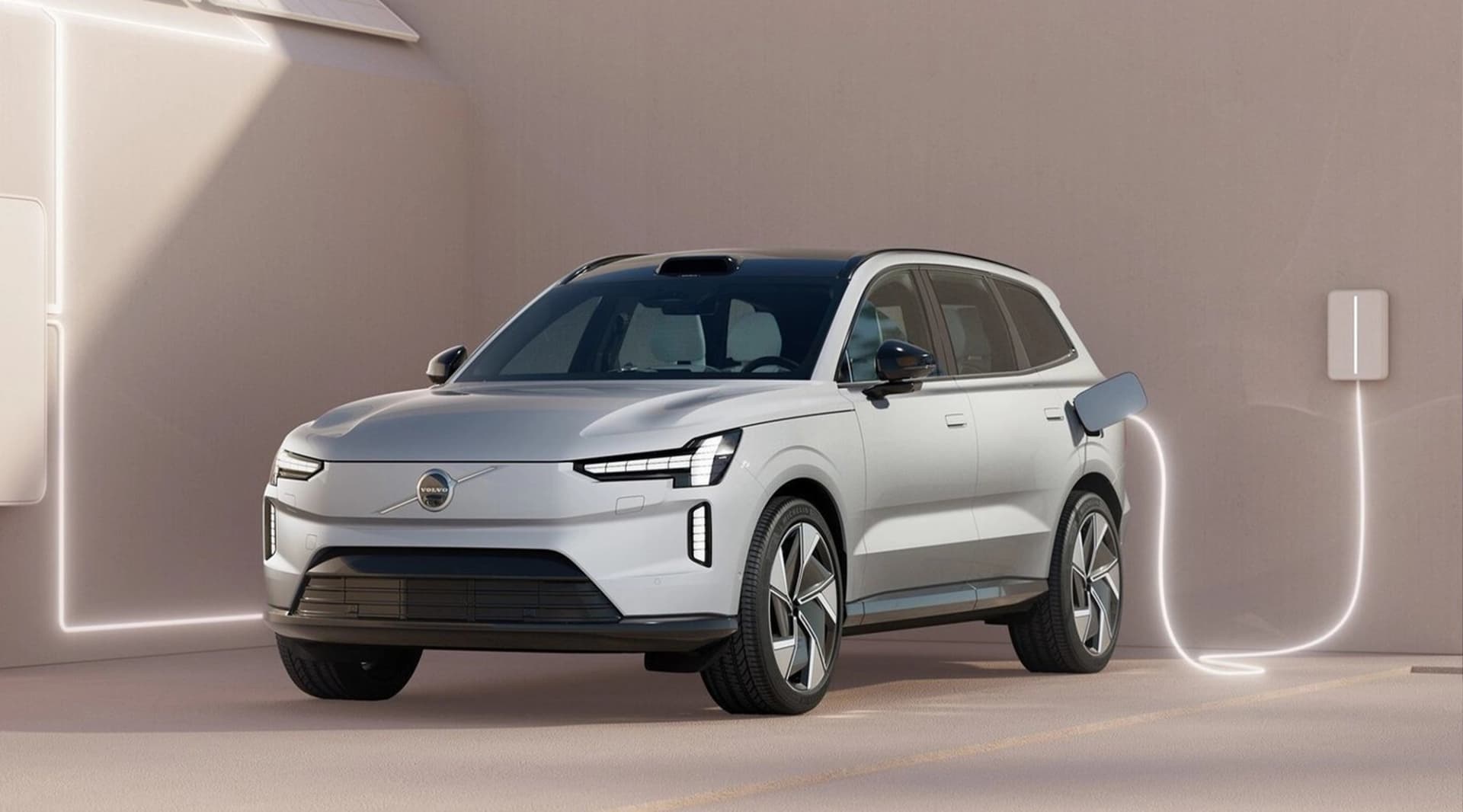
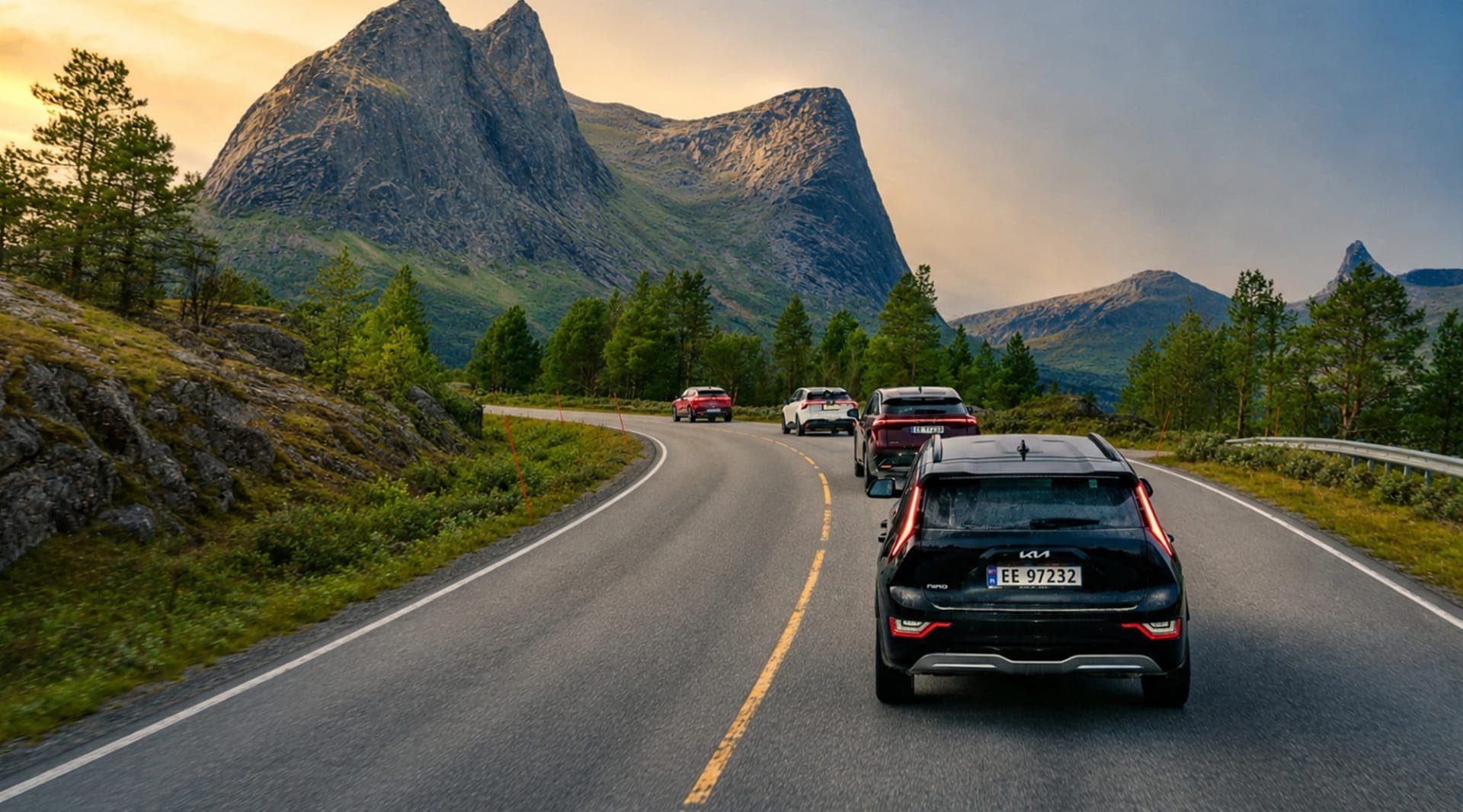
The record is 98.7 percent of new passenger cars in August, against 96.9 percent in August 2025, and across 2026 so far the figure sits at 97.8 percent. That is the finish of a curve AutoNext last checked when Norway closed 2025 on 96 percent. Norway has no legal ban on new petrol and diesel cars, which is what makes the number worth stating plainly: nobody is being stopped, they are simply not buying them. OFV's running figure for the average CO2 of a new car in Norway is now 3 g/km.
Diesel's share of new Norwegian vans went from 36.3 to 56.1 percent inside August
Only 44.9 percent of the 3,139 new vans registered in Norway in August were electric, and the split across the month is stark. Diesel took 36.3 percent of new vans in the first half of August and 56.1 percent in the second. The trigger was a deadline: from 1 September the CO2 component of Norway's one-off registration tax on combustion vans rises, worth up to 15,000 kroner on some models, roughly €1,300, and OFV says the pattern suggests registrations were pulled forward. The comparison keeps it in proportion, though. The same fortnight in 2025 came in at 57.1 percent, so this is a market that has not moved much in a year rather than one that suddenly panicked.
Tesla alone turned a 17 percent growth month into a 3.4 percent fall
Norway's passenger car market shrank 3.4 percent in August, a net loss of 466 cars, and one brand accounts for all of it. Tesla registered 2,387 fewer cars than in August 2025, while every other brand combined registered 1,921 more. Strip Tesla out and the Norwegian market grew 17 percent. Six of the ten biggest brands were up, Volkswagen was the month's largest, and Toyota, Xpeng, BYD, BMW, Volvo and Audi all gained ground.
Xpeng and BYD took 11.4 percent of Norway, up from 4.9 a year ago
The two Chinese brands more than doubled their combined registrations in twelve months, from 4.9 percent of the Norwegian market in August 2025 to 11.4 percent in August 2026, and Xpeng posted the strongest growth of any large brand shortly after bringing its cheapest model to Europe. Tesla is still Norway's biggest brand for the year, but its lead over Toyota has shrunk from 9,173 cars to 3,740, with Toyota up 46.4 percent and Tesla down 11 percent. August's best-selling model was the Volkswagen ID.4, ahead of the Toyota bZ4X and the BMW iX3.
Two thirds of Norway's car parc was still fossil when EVs passed diesel
OFV director Geir Inge Stokke set out the limit himself: with the new-car market effectively all electric, further emissions cuts now depend on how quickly old petrol and diesel cars leave the existing fleet, and that fleet moves far slower than the showroom. When electric cars overtook diesel to become the largest single group in Norway's passenger car parc, on 4 December 2025, they were on 31.78 percent and two thirds of the cars on Norwegian roads still burned something. For scale elsewhere, one in five new cars sold across the EU was fully electric as of May 2026.
AutoNext Take
Norway is usually held up as proof that drivers pick electric once the cars are good enough. The August numbers say something narrower and far more useful: Norwegians pick electric when the tax code makes the alternative expensive, and they stop when it does not. Private buyers, who face a purchase-tax structure that makes a combustion car financially absurd, are at 98.7 percent. Van buyers, whose tax gap is smaller, are at 44.9 percent, and they moved their orders forward by a fortnight to beat a 15,000-kroner increase. Same country, same chargers, same winters, half the result.
So the number to watch next is not the passenger car record, which has almost nowhere left to go. It is Norway's van diesel share in September and October, now that the tax rise has actually landed. If it drops back under 40 percent, August was pure timing and the incentive is doing its job. If it holds above 50, the gap on commercial vehicles is too small to move a business, and every European government citing Norway as its model is citing the half that was always going to be easier.