Norway’s EV market has almost completed the transition, 96% of new cars were electric in 2025
Norway is no longer showing Europe what the electric future might look like. It is already living in it.
In 2025, fully electric cars represented 95.9% of all new-car registrations in Norway, up from 88.9% in 2024. In December, the figure climbed even higher, to almost 98%. That means the petrol and diesel car have not just lost market share in Norway. They have effectively become exceptions.
For the rest of Europe, where EV adoption is still uneven and often politically contested, Norway now looks less like an early adopter and more like a completed case study.
The result: almost every new car is electric
Norway registered 179,549 new cars in 2025, a 40% increase compared with 2024. Almost all of that market was electric. Tesla remained the country’s best-selling brand for the fifth consecutive year, taking 19.1% market share, ahead of Volkswagen and Volvo. The Tesla Model Y again played a central role, helping Tesla sell 27,621 cars in Norway during the year.
The momentum continued into 2026. In the first quarter, plug-in vehicles reached 98.6% market share, with full battery-electric cars alone at 97.9%. The Tesla Model Y remained the best-selling car in Q1, followed by the Model 3 and Toyota bZ4X.
Norway did not get here by accident
People usually say Norway succeeded because EVs were subsidised. That is true, but incomplete. Norway used both the carrot and the stick. Electric cars received powerful tax advantages, while petrol and diesel cars became progressively more expensive through taxation. In other words, Norway did not just make EVs attractive. It made combustion cars increasingly difficult to justify financially.
That second part matters. Because many European countries want Norway’s EV adoption, but not Norway’s political discipline. They want the result without fully accepting the mechanism.
Norway’s model worked because the signal was consistent for years. Buyers, dealers, importers and manufacturers all knew where the market was going. So they moved.
The 2026 tax change created a final rush
There was also a tactical reason for the huge 2025 finish. Norway announced a VAT increase affecting many EVs from 1 January 2026, adding up to roughly €4,600 equivalent per car depending on exchange rates. That pushed many buyers and carmakers to accelerate registrations before the end of 2025. Some manufacturers even redirected cars originally intended for other markets to Norway to meet the demand.
This explains part of the December surge and the softer start to 2026. But it does not change the bigger picture. Even after the tax change, EVs remained almost the entire market. In Q1 2026, petrol and hybrid registrations were barely visible, while diesels also fell to trace levels.
Chinese brands are gaining ground too
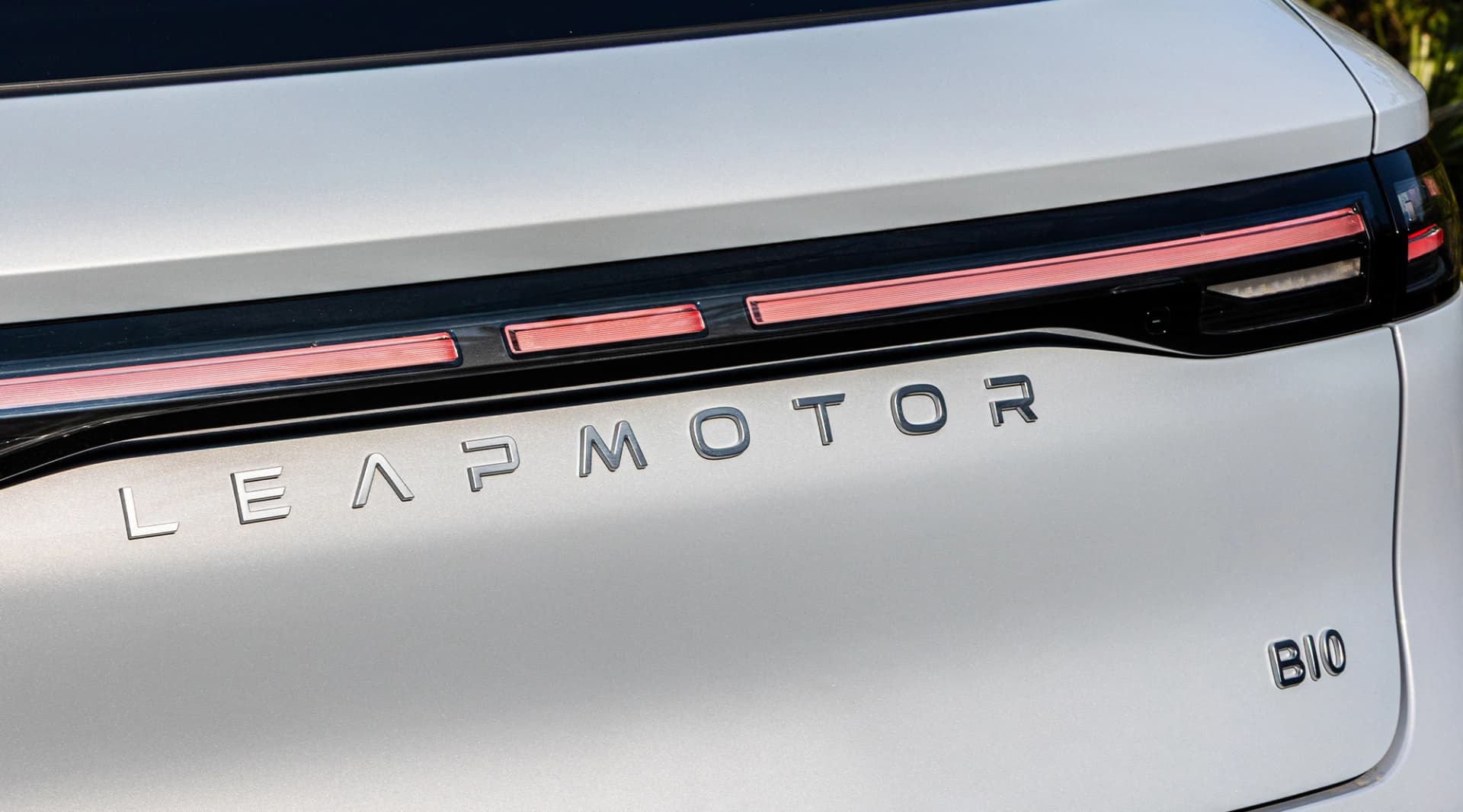
Tesla still leads, but the Norwegian market is no longer a Tesla-only story. Cars produced in China reached 13.7% market share in Norway in 2025, up from 10.4% the year before. BYD was one of the biggest drivers of that growth, more than doubling its Norwegian sales.
Chinese brands are no longer only competing on price. They are competing on battery technology, equipment, delivery speed and segment coverage. In a country like Norway, where buyers are already comfortable with EVs, those advantages become even more powerful.
Once the market no longer needs to be convinced that electric cars work, competition shifts to value, trust, warranty, range and availability. That is where Chinese brands can become dangerous very quickly.
Compact EVs could return
Electric cars below a certain price threshold remain more favourably treated, which could support the return of compact and more affordable models. That matters because Europe used to be a small-car continent, but the EV transition initially pushed many buyers into larger, more expensive SUVs and crossovers.
If Norway’s next phase encourages smaller EVs again, that could be important for the rest of Europe too. Because the next big EV battle is not only about premium SUVs with 800 km of range. It is about affordable electric cars people can actually buy.
AutoNext Take
Norway used a long-term, consistent and sometimes aggressive policy mix. It rewarded EVs, punished combustion cars and created enough certainty for buyers and carmakers to adapt. That is why the market moved so far, so fast.
The rest of Europe should learn from that, but carefully. Norway is wealthy, small, highly structured and has unique tax conditions. You cannot copy-paste the model everywhere. But the principle is relevant: if governments keep changing direction, buyers hesitate. If incentives are unclear, dealers struggle. If affordable EVs are missing, adoption slows.