Polestar 4 SUV is cheaper, roomier and longer-range than the coupé
The camera mirror that defined the Polestar 4 is now a paid extra
Polestar built the original Polestar 4 without a rear window, and that one decision defined the car. The Polestar 4 SUV, launched today in Gothenburg, puts the glass back, fits a conventional mirror as standard and demotes the roof-mounted camera and its digital mirror to the options list. It is a full reversal, and Polestar has priced the correction below the car it corrects.
1,665 litres, an upright tailgate and 2.5 cm more rear headroom
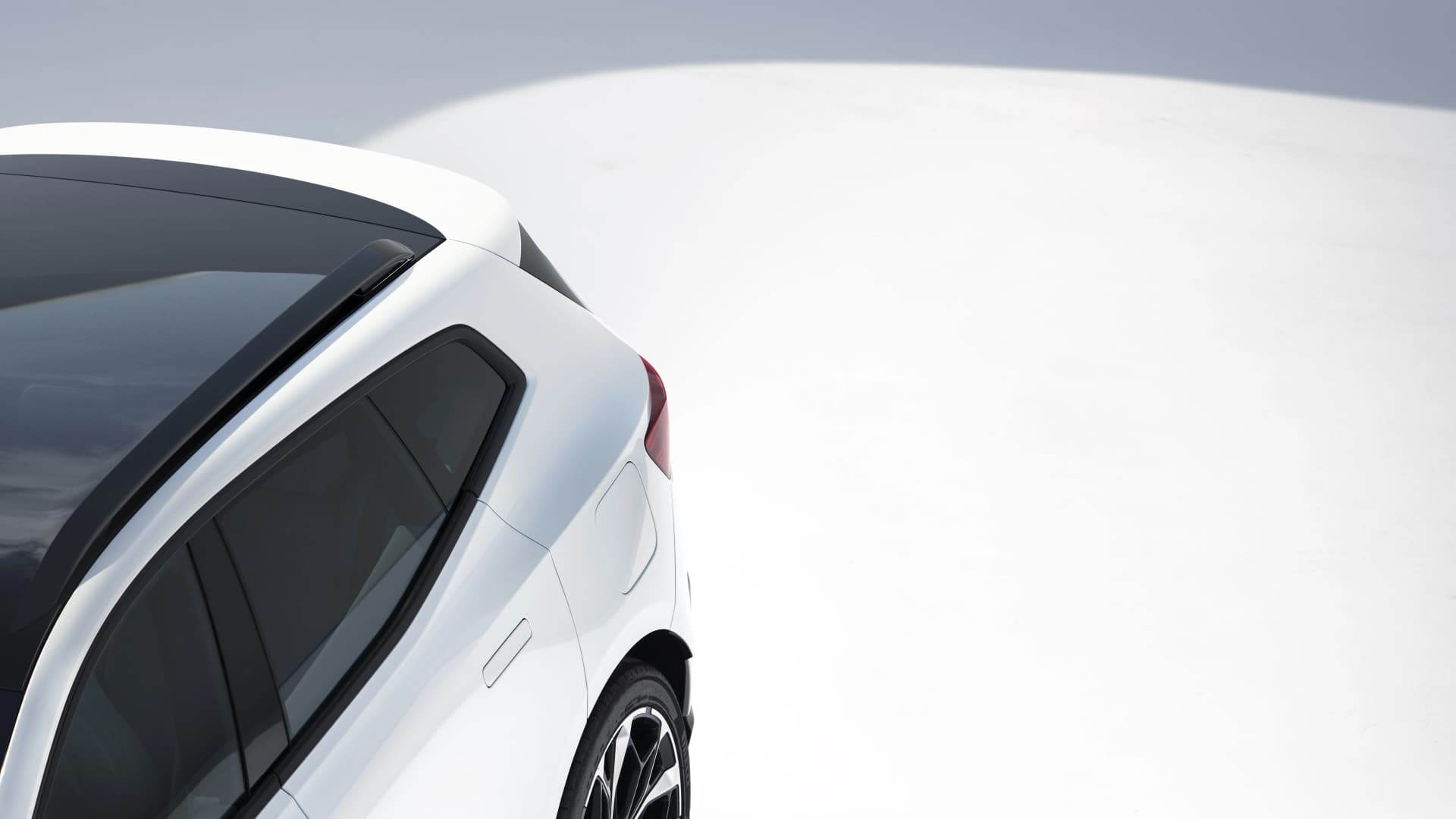
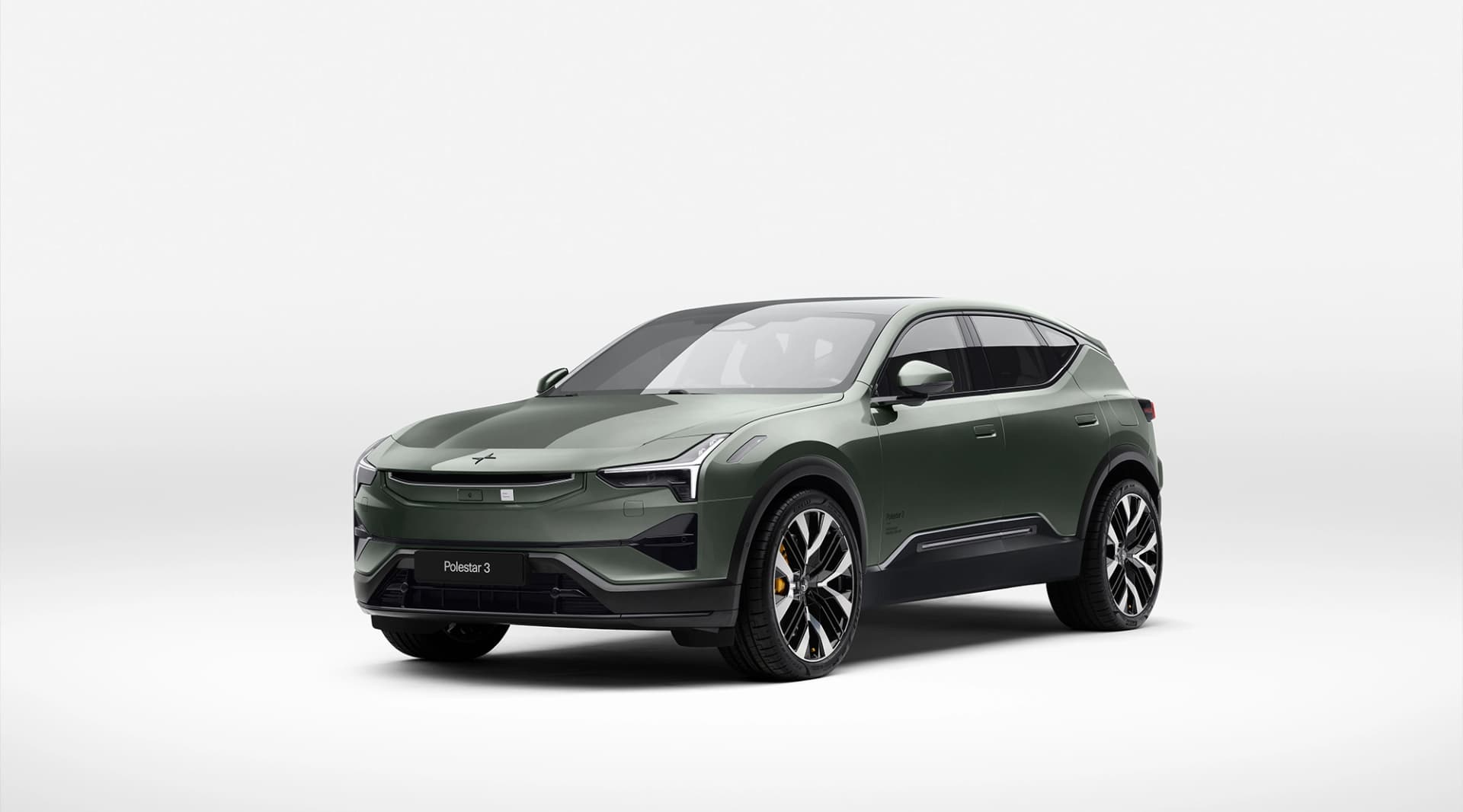
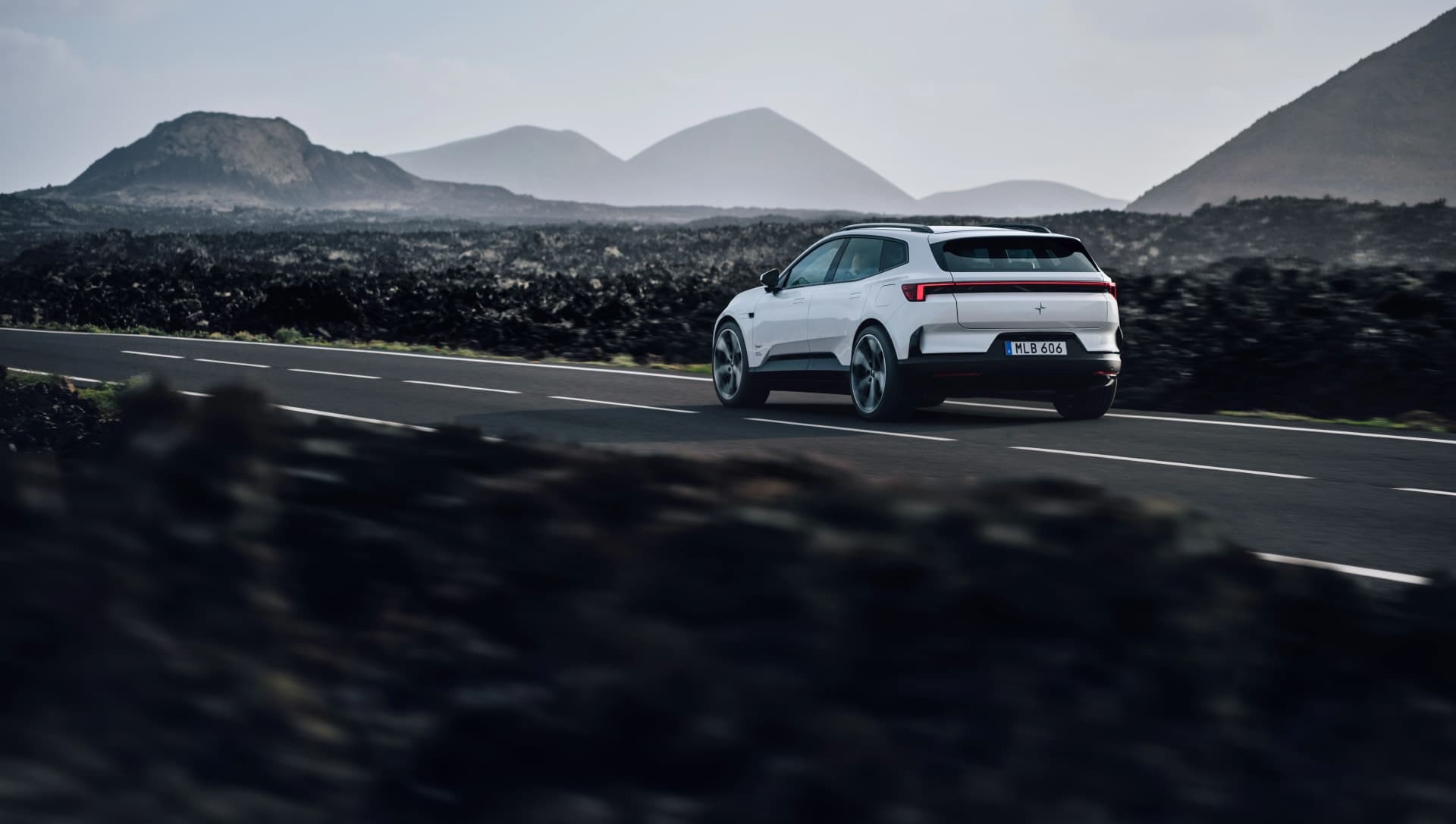
The SUV keeps the coupé's nose, dual blade headlights and illuminated logo, then rebuilds everything behind the B-pillar with a straighter roofline and a far more upright tailgate. Polestar teased the shape in July without confirming a single number. It now quotes 530 litres behind the rear seats, 655 litres loaded to the roof and 1,665 litres with the 60/40 seatbacks down, or 1,680 litres of total storage counting the front compartment. Rear headroom grows by 2.5 cm. Full-length roof rails are standard and take a 100 kg dynamic roof load, and the panoramic glass roof now runs all the way back to the tailgate.
630 km from the 272 PS Rear motor, 600 km from the 544 PS Dual motor
Both powertrains carry over from the coupé on the same SEA architecture. The Rear motor makes 272 PS and 343 Nm, reaches 100 km/h in 7.3 seconds and claims 630 km on WLTP. The Dual motor makes 544 PS and 686 Nm, does the sprint in 3.9 seconds and claims 600 km. A 100 kWh battery is standard across the range. The interesting part is that the taller, heavier body goes further than the coupé rather than less far: new tyres and a recalibrated powertrain buy roughly 10 km, which is the opposite of what a boxier roof usually costs you.
From €57,900 in Germany and £54,750 in Britain, with the coupé priced above it
German list prices start at €57,900 for the Rear motor and €65,900 for the Dual motor, excluding handover fees and including VAT. Britain opens at £54,750. In both markets the SUV lands below the coupé, which is an unusual way round for a body style that adds space. The Performance pack costs €76,300, some €10,400 above the Dual motor, and adds no power at all: it buys recalibrated ZF active dampers, Brembo brakes with callipers in Swedish gold, 22-inch wheels and Pirelli P Zero tyres. Polestar colour-codes the hierarchy on the seatbelts, from all-black to a gold stripe to full Swedish gold.
200 kW charging, against 400 kW for the BMW iX3
This is where the car gives ground. DC charging peaks at 200 kW, with 22 kW AC in selected markets and 11 kW in Britain, Ireland, Korea and Canada. Polestar names the BMW iX3 as a target, and the iX3 charges at roughly twice that rate while claiming over 800 km, with the Volvo EX60 in similar territory. The awkward comparison is internal: Polestar's own Polestar 3 moved to 800 volts and 350 kW in its update earlier this year, so the newest car in the range charges considerably slower than the one sitting above it.
Google Gemini, 3.3 kW of V2L and a Camping mode, all bound for the coupé too
Google Gemini replaces Google Assistant across every Polestar market, rolling out in 22 countries and 16 languages, with multi-turn dialogue and hands-free translation and trip planning through Gemini Live. Vehicle-to-Load supplies up to 3.3 kW at 230 volts through a certified adapter sold separately, and a new Camping mode turns the parked car into a climate-controlled room with both screens live. Neither is exclusive: both reach all Polestar 4s in a future software update. Polestar also publishes a cradle-to-gate footprint of 20.2 tonnes of CO2e for the Rear motor and 21.1 for the Dual motor, a number most rivals still do not print. Production runs at Busan in South Korea, and first deliveries land in the fourth quarter.
AutoNext Take
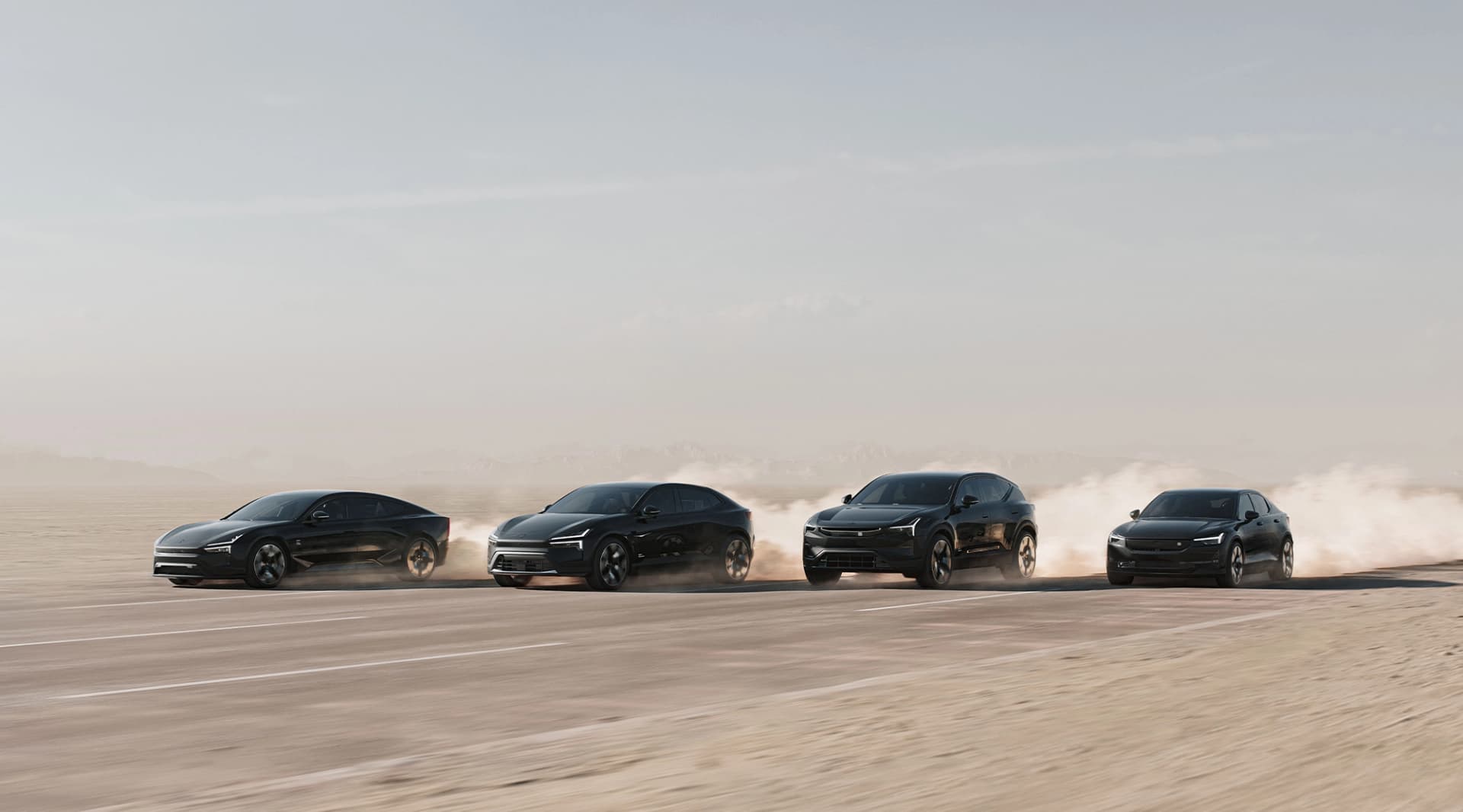
Polestar has quietly made its own best-seller redundant. The SUV is cheaper, carries more, goes further and rides on the same platform with the same battery and the same two motors. Even the camera mirror, the one thing that was uniquely the coupé's, is on the SUV options list. There is now no specification in which the coupé wins except the roofline, and Polestar is charging extra for that privilege. Naming this car an SUV rather than an estate is the other tell: it has a straight roof, roof rails and a tailgate, and the badge is a marketing decision, not a description.
The coupé is not the real problem, though. 200 kW is. Polestar is pitching a car at €57,900 against an iX3 that charges at double the rate and claims more than 800 km, and it is doing so with an 800-volt architecture already proven inside the same company on the Polestar 3. If the Polestar 4 SUV holds its order book against the iX3 and the EX60 anyway, it will have proved that this segment buys on space and price rather than peak charging. The number to watch is the Polestar 7 in 2028, because if that arrives in Europe still on 400 volts, the delay stops looking like timing and starts looking like a choice.