Porsche 968 Club Sport: the rarer lightweight nobody queues for
Porsche's 1990s lightweights came in two shapes, and collectors chased only one
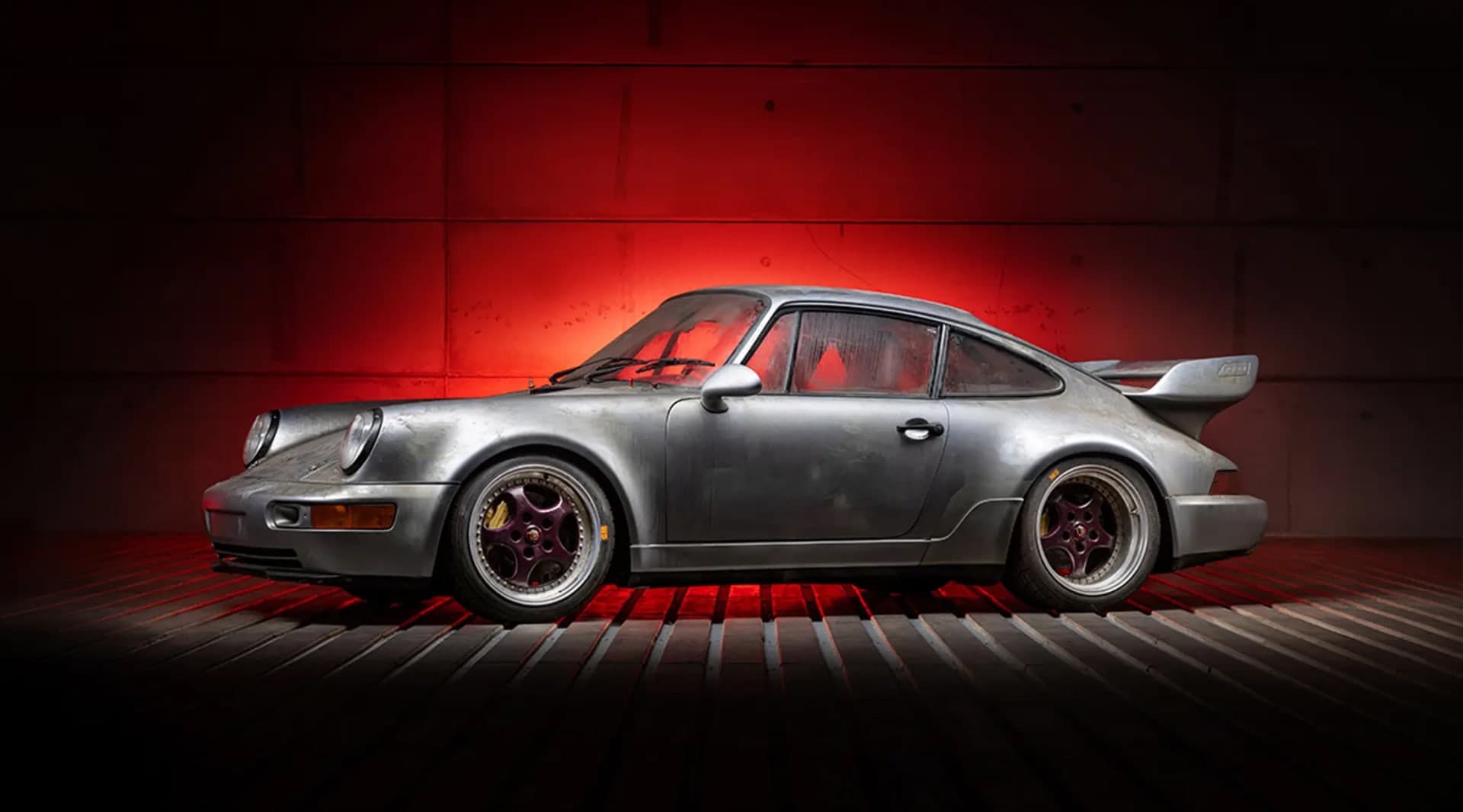
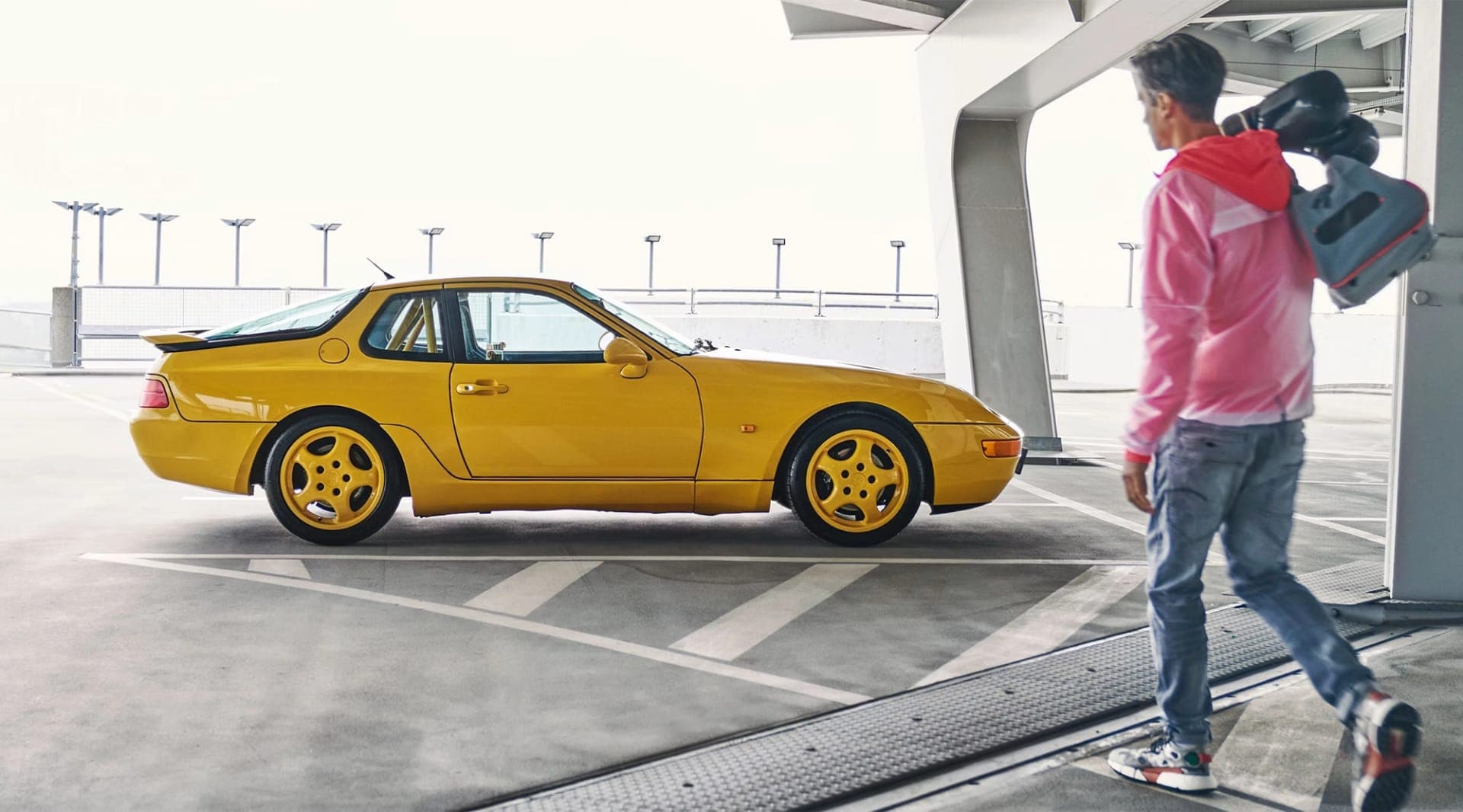
In 1992 Porsche stripped two cars for the same kind of driver. The 964 Carrera RS, a road-going version of the Carrera Cup racer, became a six-figure collector icon. The 968 Club Sport, launched in October 1992 without rear seats, electric windows or an airbag, never did. On paper, the front-engined car is the scarcer of the two, and it has aged into the smarter buy.
Porsche built fewer 968 Club Sports than 964 Carrera RS coupés
No production count of the 968 Club Sport reaches 2,000 cars. Published totals run from 1,538 to 1,923, depending on whether the UK-only 968 Sport, which used Club Sport chassis numbers, is included. Porsche built more than 2,100 Carrera RS coupés in the 1992 model year alone. Both were European-market cars, and both were sold to people who wanted less car rather than more. The Club Sport simply wore the wrong badge for the collectors who arrived twenty years later.
The 968 Club Sport lost about 100 kg against the standard 968
The Club Sport weighed a declared 1,320 kg, roughly 100 kg less than a standard 968 coupé. Porsche removed the rear seats, the electric windows, the airbag steering wheel, the rear wiper and much of the sound deadening, then fitted a smaller battery and a simpler wiring loom. Manually adjusted Recaro buckets replaced the electric seats. The suspension dropped 20 mm and 17-inch wheels carried 225 tyres at the front and 255 at the rear. The 964 Carrera RS went further still, at 1,217 kg with a seam-welded shell, an aluminium bonnet, magnesium wheels and thinner glass.
A 3.0-litre four-cylinder with 240 hp and Porsche's first VarioCam
The 968's 3.0-litre four-cylinder made 240 hp at 6,200 rpm and 305 Nm at 4,100 rpm, driving the rear wheels through a six-speed manual mounted at the back as a transaxle. Its 104 mm bores made it one of the largest four-cylinder petrol engines ever put in a production car. It was also the first Porsche with VarioCam variable valve timing, a system the air-cooled 993 flat-six inherited later. Top speed was 260 km/h. The 964 Carrera RS answered with a 3.6-litre flat-six of 260 hp, just 20 hp more.
The UK 968 Sport cost £4,500 less than a standard 968
Removing equipment made the Club Sport cheaper, not dearer, which is the detail that explains its whole character. In Britain, Porsche sold the 968 Sport, a Club Sport with comfort seats, central locking and electric windows added back, for £32,995, which was £4,500 below the standard 968. It outsold the standard coupé by 306 cars to 40. Performance Car magazine named the Club Sport its Performance Car of the Year in 1993. Today the Clubsport name returns on track-only Porsches such as the 718 Cayman GT4 RS Clubsport, at racing-car prices.
Why the 964 Carrera RS still outprices the 968 Club Sport
The 964 Carrera RS carries three things the Club Sport never had: the 911 silhouette, the RS name that runs back to the 1973 Carrera RS 2.7, and a direct link to the Carrera Cup. The race-bred Carrera RSR 3.8 sits another price bracket above it, and the 964 shell is now the favourite base of restomod builders such as Techart. The 968 ended in 1995 alongside the 928, as the last front-engined Porsche before the 2003 Cayenne and the last four-cylinder Porsche before the 2014 Macan.
AutoNext Take
Rarity has not set the price of these two cars, and that makes the Club Sport the better buy. It gives away 20 hp, about 100 kg and the 911 badge to the Carrera RS. In return it offers the same stripped-out idea, a balanced transaxle chassis and a performance award, in a car most owners can still afford to drive hard.
That discount should shrink. The best low-mileage Club Sports will reach half the price of an equivalent 964 Carrera RS by October 2027, the car's 35th birthday, because fewer were built and the drivers who read about them in 1993 are now the ones buying. If the gap is still three to one by then, the badge has beaten rarity, and the people who simply want a lightweight Porsche to drive will keep the best one to themselves.